Brussels stands at the crossroads of European and Belgian governance, hosting both the institutions of the European Union and the national parliament of Belgium. For citizens, businesses, and advocacy groups, establishing communication with politicians in Brussels is vital, whether to influence legislation, voice concerns, or seek assistance.
- The Political Landscape of Brussels
- Understanding Belgium’s Federal Parliament
- Composition and Demographics
- Contacting Belgian Federal Parliamentarians
- European Parliament Members in Brussels
- Key Facts
- How to Contact MEPs and EU Politicians in Brussels
- Other Political Representatives in Brussels
- How to Effectively Contact Politicians in Brussels
- Why It Matters
- Contacting Belgian Federal MPs
- Engaging with Local and Regional Politics
Understanding how to contact politicians in Brussels, the structures they operate within, and proper channels facilitates effective engagement in democratic processes.
The Political Landscape of Brussels
Brussels hosts multiple legislatures, most notably:
- The European Parliament represents citizens across all 27 EU member states.
- The Belgian Federal Parliament, the national legislative body of Belgium.
Each has its own members, roles, and procedures. Politicians in Brussels can be Members of the European Parliament (MEPs), Belgian federal MPs, or local/regional representatives.
Understanding Belgium’s Federal Parliament
Belgium’s Federal Parliament, known in three official languages as Parlement fédéral, Federaal Parlement, and Föderales Parlament, is a bicameral legislature composed of the Chamber of Representatives and the Senate. The Chamber of Representatives holds the primary legislative powers concerning Belgian federal matters.
Composition and Demographics
- The Chamber includes approximately 41.3% women.
- Members range widely in age, with the youngest at 25 and the oldest at 76 years.
- Electoral laws require gender quotas on candidate lists to encourage balanced representation.
Contacting Belgian Federal Parliamentarians
The Belgian Federal Parliament is seated in Brussels at the Chambre des Représentants, located at 1008 Bruxelles, Belgium. For general inquiries, the Parliament can be reached by phone at +32 2 549 81 11 and by fax at +32 2 512 65 33. Correspondence can be sent via email to secretariat.general@lachambre.be or secretariaat.generaal@dekamer.be.
The Parliament also maintains a detailed and publicly accessible online directory of members, featuring biographies and contact information, which can be found on their official website at www.dekamer.be. This comprehensive resource helps constituents connect with their representatives and follow parliamentary activities.
European Parliament Members in Brussels
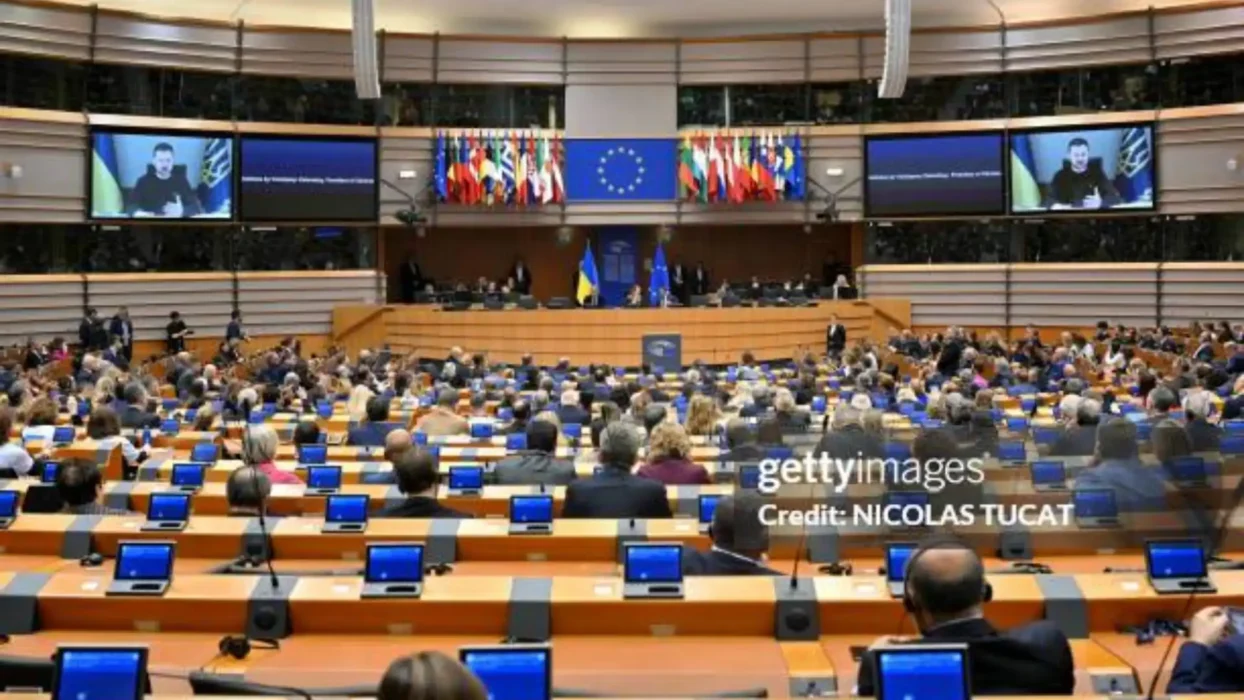
The European Parliament is the EU’s directly elected legislative body. It represents over 450 million EU citizens with powers to approve EU laws, the budget, and oversee the European Commission.
Key Facts
- The Parliament operates mainly from three cities: Strasbourg (official seat), Brussels (committee meetings and additional plenary sessions), and Luxembourg (Secretariat offices).
- Brussels hosts the majority of committee meetings and is home to the Parliament’s largest presence outside Strasbourg.
- Belgium is represented by 21 MEPs who advocate on behalf of national and European interests.
How to Contact MEPs and EU Politicians in Brussels
The European Parliament’s offices in Brussels are located in the European Quarter, primarily around Rue Wiertz and Place du Luxembourg. For public inquiries, the main contact number for the Brussels office is +32 2 28 33000. Many Members of the European Parliament (MEPs) maintain official websites and social media profiles to facilitate direct communication with constituents.
Additionally, the European Parliament offers online directories and contact forms available at europarl.europa.eu. For media-related questions, the Parliament’s Press Service can be reached at +32 2 28 43000 or via email at press@europarl.europa.eu, ensuring comprehensive support for journalists and public correspondence.
Other Political Representatives in Brussels
Aside from the national and European parliamentary bodies, Brussels also hosts regional and local political institutions that govern metropolitan and municipal affairs. The Brussels-Capital Regional Parliament is responsible for legislative matters concerning the Brussels metropolitan area, including urban planning, transportation, and housing policies.
This Parliament consists of 89 members elected by the residents of the Brussels-Capital Region and operates within a bilingual framework reflecting the city’s French and Dutch-speaking communities. Additionally, Brussels is divided into multiple municipalities, each with its own local council and elected representatives.
Citizens can contact these municipal councils through their respective offices to address local issues such as community services, local regulations, and neighborhood development.
Depending on the nature and scope of a concern, individuals may direct inquiries or proposals to these smaller political units, providing a more localized platform for democratic engagement and governance within the Brussels region.
How to Effectively Contact Politicians in Brussels
To make your correspondence effective when contacting politicians in Brussels, first identify the appropriate legislative body and the specific person to address, whether it be a Member of the European Parliament (MEP), a Belgian Member of Parliament (MP), or a regional councillor.
Use official channels such as verified websites, email addresses, telephone numbers, and postal addresses to ensure your message reaches the intended recipient. When communicating, be clear and concise, stating your purpose, relevant background information, and desired outcome in straightforward language.
It is often beneficial to participate in public consultations or committee hearings or submit petitions, as these parliamentary procedures provide direct avenues for raising concerns. Additionally, engaging with politicians through social media platforms can enhance communication, since many use these channels to interact with constituents. Lastly, collaborating with civil society organizations or advocacy groups can amplify your message, providing additional support and increasing its impact when engaging with policymakers.
Why It Matters
Effective communication with politicians is a cornerstone of participatory democracy, enabling citizens and stakeholders in Brussels to have a tangible impact on governance. Engaging with representatives allows individuals to influence policies that shape both European and Belgian life, ensuring their concerns on legislation affecting the economy, environment, or social welfare are heard.
This engagement also provides access to various government services and support systems while reinforcing democratic accountability and transparency. Given Brussels’s unique status as both a national and European capital, it offers diverse and abundant opportunities for citizens to directly participate in political processes and make their voices heard in shaping the future of the city, country, and continent.
Brussels offers unparalleled access to political representatives at both national and European levels. Knowing how to contact politicians in Brussels—whether Members of the Belgian Federal Parliament or Members of the European Parliament—empowers residents, businesses, and civil society to participate in shaping the future of Belgium and Europe.
From official phone lines and email addresses to public websites and social media channels, opportunities for communication abound. By using these channels thoughtfully and persistently, you can play an active part in the democratic process within one of the most politically important cities in the world.
Contacting Belgian Federal MPs
- Address: Chambre des Représentants, 1008 Bruxelles, Belgium
The Belgian Federal Parliament is accessible for public communication through several official channels. The Parliament is seated in Brussels at the Chambre des Représentants, located at 1008 Bruxelles, Belgium. For general inquiries or correspondence, you can call the Parliament at +32 2 549 81 11 or send a fax to +32 2 512 65 33. Emails may be directed to secretariat.general@lachambre.be or secretariaat.generaal@dekamer.be to reach the General Secretariat.
Additionally, the Parliament provides an online member directory, featuring biographies and contact details of all members, which can be accessed at www.dekamer.be. This resource enables individuals to find and contact specific representatives efficiently and stay informed about parliamentary activities.
Engaging with Local and Regional Politics
Apart from federal and European institutions, Brussels also comprises the Brussels-Capital Regional Parliament and numerous municipal councils. These bodies manage local governance, urban policy, and community issues. Residents may contact local councillors via their respective municipal offices, depending on their issue.
Dear reader,
Opinions expressed in the op-ed section are solely those of the individual author and do not represent the official stance of our newspaper. We believe in providing a platform for a wide range of voices and perspectives, even those that may challenge or differ from our own. We remain committed to providing our readers with high-quality, fair, and balanced journalism. Thank you for your continued support.