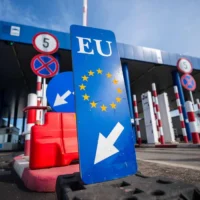

With the United Kingdom’s exit from the European Union, new regulations now govern travel between the UK and the EU, particularly regarding the length of stays allowed without visas. Among the most important is the “90 day rule,” a critical condition that affects UK nationals visiting the Schengen Area—a zone of 29 European countries that have abolished internal border controls.
This rule limits the time UK residents can spend traveling or staying in these countries without additional visas or permits.
Understanding the Schengen Area
The Schengen Agreement established an area of free movement across most of Europe, including 25 EU member states plus four non-EU countries: Iceland, Liechtenstein, Norway, and Switzerland. Schengen countries cooperate to abolish border checks between member states while maintaining a common external border policy.
The agreement allows for relatively hassle-free travel for residents and citizens within the zone.
The 29 countries in the Schengen Area include Austria, Belgium, Bulgaria, Czech Republic, Croatia, Denmark, Estonia, Finland, France, Germany, Greece, Hungary, Iceland, Italy, Latvia, Liechtenstein, Lithuania, Luxembourg, Malta, Netherlands, Norway, Poland, Portugal, Romania, Slovakia, Slovenia, Spain, Sweden, and Switzerland.
How Brexit Changed the Freedom of Movement

Prior to Brexit, UK citizens enjoyed freedom of movement rights within the EU, allowing unrestricted travel, work, and residence across member states. Following Brexit, the UK is now treated as a third country by the EU and the Schengen Area, and UK nationals no longer have automatic rights to live or work freely within these territories.
UK citizens retain the ability to travel visa-free to the Schengen Area for short stays but must now comply with the 90/180-day rule. This means UK residents can spend up to 90 days within any rolling 180-day period in one or multiple Schengen countries combined without a visa. For longer stays, visas or residency permits are required.
Explanation of the 90 Day Rule
The 90 day rule limits visitors from non-EU countries, including the UK, to a maximum of 90 days’ presence within the Schengen Area during any 180-day period. The 180 days are calculated as a moving window looking back from any given day you are in the area.
This counting includes all days spent in any Schengen country, regardless of whether the days are consecutive or broken up by travel outside of the zone. Importantly, even transit days through the area count towards the limit.
Example Scenario
If a traveler enters France on January 1st and stays for 30 days, then leaves the Schengen Area for 30 days, then travels to Spain for another 30 days, the total time spent within Schengen countries sums to 60 days out of the 90 allowed in the 180-day period starting January 1st. The remaining 30 days are still available until 180 days have elapsed from the original entry date, after which previously counted days “drop off” the window.
Travelers must carefully track their cumulative days to avoid overstaying, which can lead to fines, entry bans, or visa refusals.
Exceptions and Special Considerations
This rule only applies to the Schengen Area. Some European countries, like Ireland and the UK itself, are not part of Schengen and have separate visa policies. Additionally, other European countries such as Bulgaria, Romania, and Croatia have joined the Schengen Area in recent times, affecting travel calculations.
Travelers moving through non-Schengen countries during their trips can effectively “pause” the 90-day clock, as days outside the zone are not counted towards the limit.
Implications for UK Travelers

UK nationals must be vigilant when planning multiple visits to Schengen countries. Unlike pre-Brexit scenarios, they no longer benefit from freedom of movement and must adhere strictly to the 90/180-day rule for short-term travel. Longer visits require proper visas or residence permits according to the host country’s immigration rules.
In addition to abiding by these rules, UK citizens are subject to new entry systems such as the Entry/Exit System (EES), launching in October 2025, which will electronically record border entries and exits for third-country nationals to enforce the 90-day limit more effectively.
How to Calculate Your Stay
Because the 180-day period is a “rolling” window, it is recommended to use online calculators provided by the European Commission or other reliable sources to monitor days spent in Schengen countries.
Travelers should keep detailed records of passport stamps, tickets, and accommodation bookings to prove compliance if questioned by border officials.
Additional Travel Considerations
UK travelers should be aware of several additional EU travel changes coming into effect in 2025. One major update is the introduction of the European Travel Information and Authorization System (ETIAS), which will require visa-exempt non-EU nationals, including UK citizens, to obtain an online travel authorization before entering the Schengen Area.
Additionally, certain EU member states have reintroduced internal border controls for security reasons, meaning travelers may be subject to spot checks even within the Schengen zone. For entry into the UK, new Electronic Travel Authorization (ETA) requirements are expanding to include nationals of the EU and other countries, necessitating pre-travel authorization.
Furthermore, individual countries such as Spain, Greece, and Italy are implementing specific measures like new tourist taxes and enhanced personal data collection requirements aimed at improving security and managing tourism impacts. These changes emphasize the importance of staying informed and prepared when planning travel to and within Europe and the UK.
The Brexit transition has fundamentally changed how UK citizens travel to and within Europe. The 90 day rule for Brexit limits visa-free stays in the Schengen Area to 90 days within any 180-day period, a requirement UK travelers must carefully follow to avoid penalties.
Familiarity with the Schengen Area, alongside new travel systems like the EES and ETIAS, will help ensure smooth and legal travel plans. Being prepared and informed about these evolving regulations is essential for UK nationals planning trips to Europe in 2025 and beyond.
Dear reader,
Opinions expressed in the op-ed section are solely those of the individual author and do not represent the official stance of our newspaper. We believe in providing a platform for a wide range of voices and perspectives, even those that may challenge or differ from our own. We remain committed to providing our readers with high-quality, fair, and balanced journalism. Thank you for your continued support.