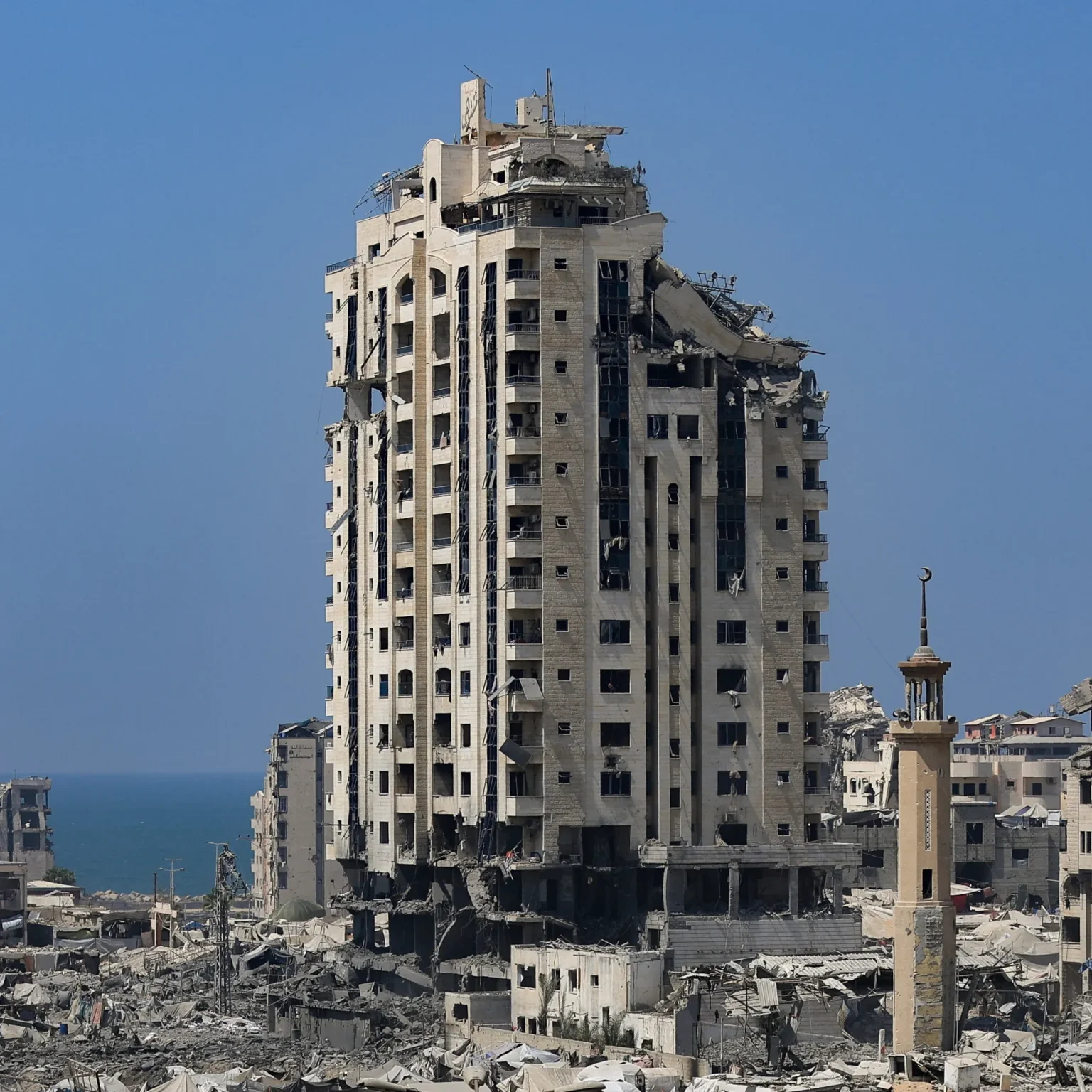
A Night That Changed Everything
Another Gaza home caves in, turning what little sense of safety remained into fear and displacement. The collapse happened quietly but left devastation behind. Walls that once protected a family now lie in rubble, and the roof that once provided shelter is gone. For the residents, survival now means facing exposure, uncertainty, and a future without stability.
This incident reflects a growing pattern. Every week, reports emerge that a Gaza home caves in, not from a single dramatic event, but from prolonged damage, neglect, and a lack of repair materials.
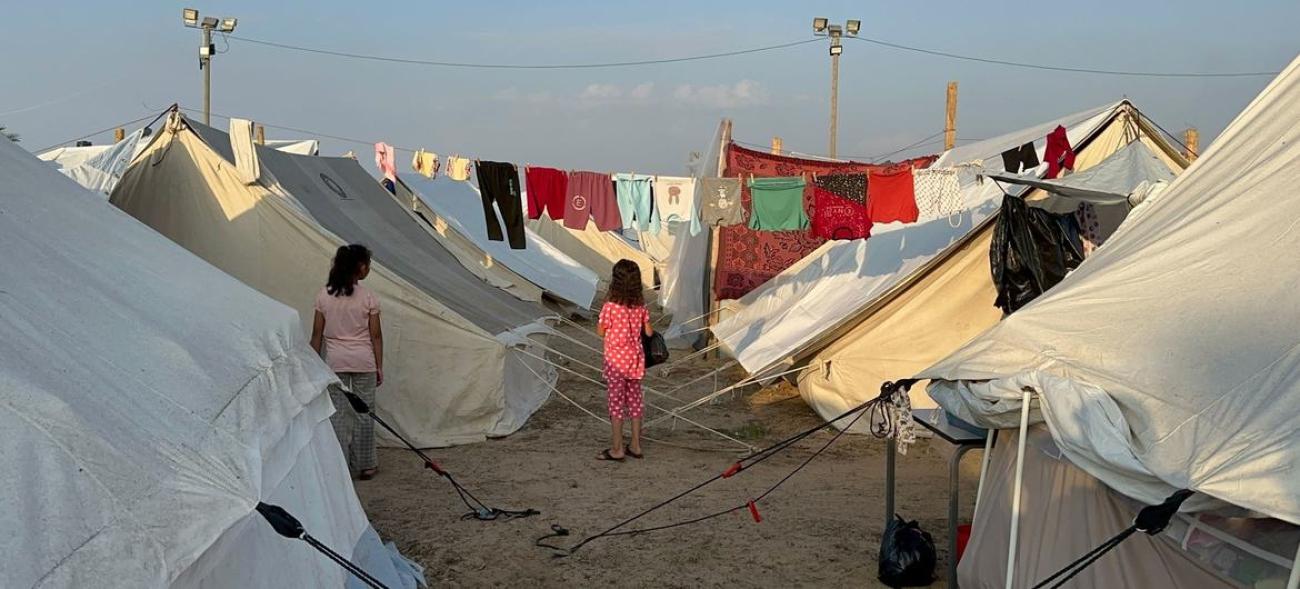
Homes Weakened Over Time
Many homes across Gaza are structurally unsound. Cracks in walls, sagging ceilings, and damaged foundations are common. When a Gaza home caves in, it is often the final stage of months of deterioration. Families notice warning signs but lack the means to fix them.
Repair materials such as cement, steel, and wood remain scarce. Without these essentials, residents rely on makeshift solutions that do little to prevent collapse.
Shelter Aid Restrictions Deepen the Crisis
One of the main reasons a Gaza home caves in is the continued shortage of shelter assistance. Emergency tents, prefabricated housing, and reinforcement materials are limited or blocked. Humanitarian organizations warn that without access to shelter supplies, unsafe buildings will continue to fail.
Shelter is not optional. It is a basic necessity. When aid is restricted, families are left with no alternative but to stay in dangerous homes.
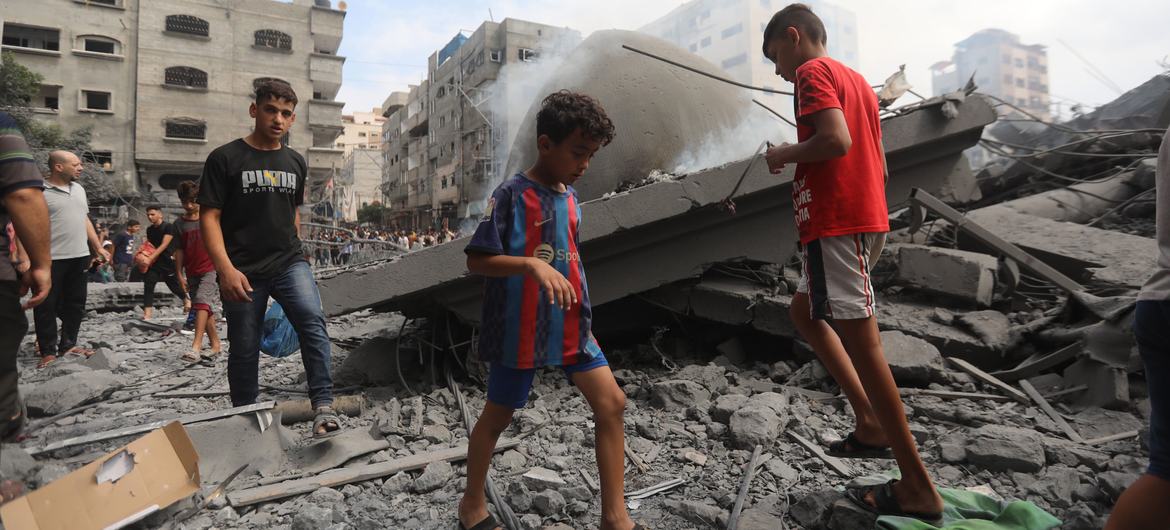
Families With Nowhere to Go
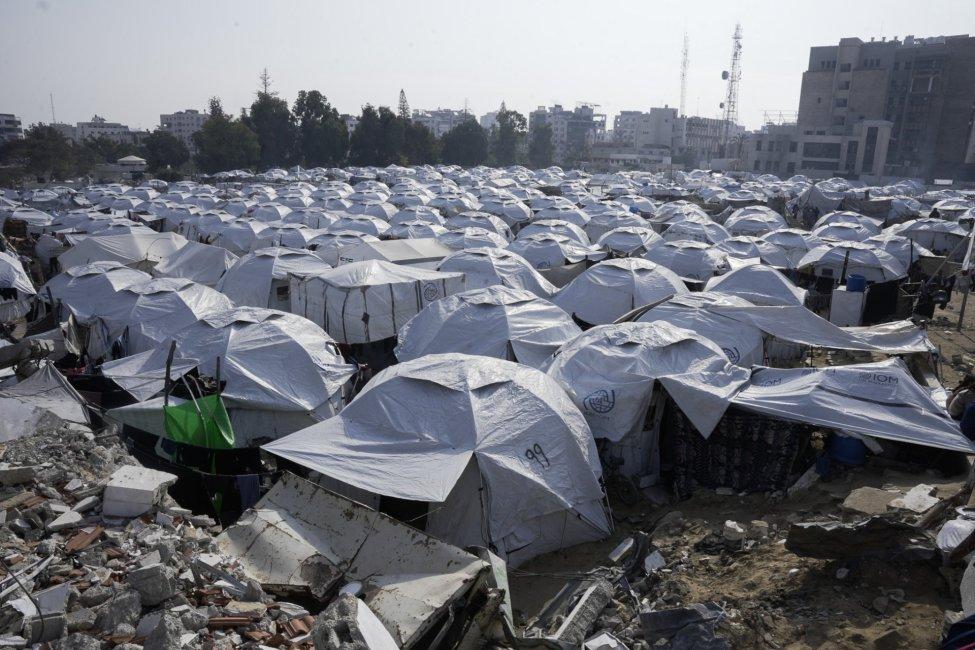
When a Gaza home caves in, displacement follows immediately. Yet there are few safe places for displaced families. Shelters are overcrowded, relatives are already hosting multiple households, and open spaces offer little protection.
Many families return to damaged homes even after collapse because the risk of exposure feels worse than the risk of another cave in.
Children Living With Fear
Children are among the most affected when a Gaza home caves in. Falling debris can cause injuries, while the loss of a home disrupts education, routines, and emotional stability. Parents describe children who flinch at loud noises and fear sleeping indoors.
The psychological impact of housing insecurity leaves long lasting scars that go far beyond physical damage.
Elderly and Disabled at Higher Risk
When a Gaza home caves in, elderly residents and people with disabilities face extreme danger. Limited mobility makes evacuation difficult, and access to medical care is already strained. Even minor injuries can become life threatening.
Families struggle to protect vulnerable members while living in unstable environments.
Mental Health Consequences
Living under the constant fear that a Gaza home caves in creates severe emotional stress. Residents report insomnia, anxiety, and feelings of helplessness. Many take turns staying awake at night to monitor cracks or listen for unusual sounds.
Mental health professionals warn that prolonged housing insecurity compounds existing trauma caused by displacement and conflict.
Loss of Dignity and Privacy
When a Gaza home caves in, families lose more than a structure. They lose privacy, dignity, and a sense of belonging. Personal belongings, documents, and memories are often destroyed in the collapse.
Rebuilding a sense of normal life becomes nearly impossible without a stable place to live.
Impact on Entire Neighborhoods
A single collapse affects more than one household. When a Gaza home caves in, nearby buildings may also become unstable. Water pipes break, sewage lines rupture, and electrical systems are damaged.
These secondary effects create health risks that spread through entire communities.
Infrastructure Already Under Strain
Gaza infrastructure is fragile. When a Gaza home caves in, it places additional pressure on water systems, sanitation services, and emergency responders. With limited resources, repairs are often delayed, increasing the likelihood of further damage.
One collapse can trigger a chain reaction of problems.
Aid Organizations Alarms
Humanitarian agencies warn that thousands of homes are at risk of collapse. Without immediate shelter access, incidents where a Gaza home caves in will continue to rise. Seasonal weather changes further increase the danger.
Aid workers emphasize that prevention is possible but time is running out.
Preventable Collapses
Experts agree that most cases where a Gaza home caves in are preventable. Basic structural reinforcement, timely repairs, and temporary shelters could stabilize many homes. The cost of prevention is far lower than the cost of rebuilding lives after collapse.
Delays transform manageable damage into irreversible loss.
Legal and Humanitarian Concerns
International humanitarian principles require civilian protection and access to shelter. Each time a Gaza home caves in due to blocked assistance, questions arise about responsibility and accountability.
Legal analysts argue that foreseeable harm to civilians must be addressed.
Families Rebuilding With Nothing
After a Gaza home caves in, families often attempt to rebuild using salvaged materials. Bricks are stacked by hand, plastic sheets replace roofs, and damaged walls are patched with scrap wood.
These efforts show resilience but offer little long term safety.
Communities Supporting One Another
Despite hardship, communities come together when a Gaza home caves in. Neighbors share food, space, and emotional support. This solidarity helps families survive, but it cannot replace proper shelter.
Community strength is tested daily under impossible conditions.
A Crisis That Keeps Repeating
The phrase Gaza home caves in has become tragically familiar. Each collapse follows the same pattern of damage, delay, and displacement. Without intervention, this cycle will continue indefinitely.
The longer shelter aid remains restricted, the worse the crisis becomes.
What the Future Holds
If conditions do not change, experts predict that incidents where a Gaza home caves in will increase. More families will face homelessness, health risks, and psychological trauma.
Housing instability threatens long term recovery and social cohesion.
The Urgent Need for Shelter Access
Preventing another Gaza home caves in requires immediate access to shelter materials. Temporary housing, repair kits, and technical assessments could save lives and restore dignity.
Shelter is the foundation of stability. Without it, no recovery is possible.
Another Gaza home caves in, symbolizing a humanitarian crisis driven by prolonged damage and restricted shelter aid. Homes are not just buildings. They represent safety, dignity, and hope. Without urgent action to provide shelter access, families will remain trapped in a cycle of collapse and displacement that continues to devastate lives across Gaza.