WASHINGTON, D.C., June 14 – Brussels Morning Newspaper — FISA extension negotiations have become a major topic on Capitol Hill after President Donald Trump said he opposes renewing the surveillance authority unless lawmakers attach a voting-related bill to the legislation.
The comments immediately added political pressure to an already complex debate involving national security, intelligence gathering, privacy protections, and election policy. Lawmakers from both parties are now weighing how to proceed as discussions continue over the future of surveillance authorities established under the Foreign Intelligence Surveillance Act, commonly known as FISA.
The latest dispute highlights the growing overlap between security legislation and broader political priorities in Washington. While supporters of the surveillance program argue it remains essential for protecting national security, others believe the renewal debate presents an opportunity to address additional policy concerns.
The FISA extension remains a critical issue because intelligence agencies rely on certain surveillance authorities to monitor foreign threats and gather information related to terrorism, espionage, cyberattacks, and other security risks. Government officials have repeatedly argued that maintaining these tools is important for protecting the country and identifying threats before they develop into larger problems.
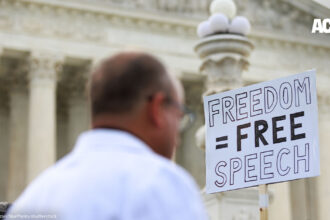
At the same time, privacy advocates and civil liberties organizations continue raising concerns about government surveillance powers and oversight mechanisms. These concerns have accompanied FISA debates for years and frequently resurface whenever renewal deadlines approach.
President Trump’s latest position has introduced a new element into the discussion. By linking the FISA extension to voting legislation, he has expanded the scope of negotiations and increased the political stakes surrounding the issue.
A congressional policy analyst said,
“The challenge facing lawmakers is finding a path that addresses security concerns while also navigating broader political demands tied to the legislation.”
The statement reflects the difficult environment lawmakers face as they attempt to reach a compromise. Some members of Congress support keeping surveillance legislation separate from election-related measures, arguing that national security issues require immediate attention. Others see the debate as an opportunity to advance additional legislative priorities.
The controversy arrives as election-related policies continue generating significant political attention in Washington. Voting procedures, election administration, and ballot security remain among the most discussed issues in national politics, making the connection to the FISA extension particularly significant.
Political analysts note that linking major legislative initiatives is a common strategy in Congress. However, doing so can sometimes slow negotiations because it requires lawmakers to resolve multiple disagreements simultaneously.
Supporters of renewing surveillance authorities argue that delays could create uncertainty for intelligence agencies responsible for monitoring foreign threats. Opponents counter that any renewal should include stronger oversight provisions and accountability measures to ensure appropriate use of government powers.
The debate also underscores broader tensions between national security priorities and civil liberties concerns. Policymakers have long struggled to balance the need for effective intelligence tools with protections designed to safeguard privacy and constitutional rights.
As negotiations continue, the future of the FISA extension remains uncertain. Congressional leaders are expected to hold additional discussions in the coming weeks as they evaluate potential legislative options and seek sufficient support for any final proposal.
For now, Trump’s comments have ensured that the issue remains at the center of Washington’s political agenda. Whether lawmakers choose to link voting legislation to surveillance authorities or pursue separate paths will likely determine how quickly the debate moves forward.
The outcome could influence not only national security policy but also the broader legislative landscape as Congress continues addressing some of the country’s most closely watched political issues.