WASHINGTON, D.C. – May 30 – Brussels Morning Newspaper — Washington political events are once again making national headlines after reports emerged that former President Donald Trump is considering dropping or significantly scaling back planned concert programming in the U.S. capital following the withdrawal of several artists.
- Artist Withdrawals Create Uncertainty for Organizers
- The Growing Role of Entertainment in Modern Politics
- Washington Remains the Center of National Political Attention
- Supporters Continue to Back Large Public Gatherings
- Entertainment Industry Faces Increasing Political Pressure
- Historical Perspective on Political Concerts
- Media Coverage Expected to Continue
- Potential Alternatives Under Consideration
- Broader Implications for Future Events
- Washington Political Events Continue to Evolve
The reported departures have raised questions about the future of entertainment-focused political gatherings and the increasingly complex relationship between public figures, performers, and political organizations. While organizers have not announced any final decisions, the situation has generated widespread discussion across political, media, and entertainment circles.
Political observers note that major public events often rely on musical performances to attract broader audiences, energize supporters, and create memorable experiences. However, securing talent for politically affiliated events has become more difficult in recent years as artists face growing scrutiny from both supporters and critics.
“Political events increasingly face challenges that go beyond logistics, with public perception becoming a major factor in participation decisions.”
Artist Withdrawals Create Uncertainty for Organizers
Reports indicate that multiple performers who were reportedly approached or considered for upcoming appearances ultimately chose not to participate. While specific reasons vary and some details remain unconfirmed, industry experts point to several common factors.
These can include concerns about audience reaction, scheduling conflicts, brand management considerations, and personal political preferences. In today’s highly connected media environment, entertainers often evaluate potential appearances through both business and reputational lenses.
For event planners, securing well-known performers can be an important strategy for generating excitement and media attention. When artists withdraw, organizers frequently must revisit programming schedules, promotional materials, and audience engagement strategies.
The latest developments have therefore placed additional focus on the future direction of these planned events.
The Growing Role of Entertainment in Modern Politics
Over the past several decades, entertainment has become a regular feature of political gatherings across the United States. Campaign rallies, inauguration celebrations, fundraising events, and political conventions frequently include performances by musicians, comedians, and public figures.
Supporters argue that entertainment helps make political events more accessible and engaging for broader audiences. Critics, however, often question whether celebrity involvement distracts from substantive policy discussions.
Regardless of perspective, political strategists generally agree that entertainment remains an influential component of modern campaign messaging.
As a result, artist participation often receives significant media attention long before an event takes place.
Washington Remains the Center of National Political Attention
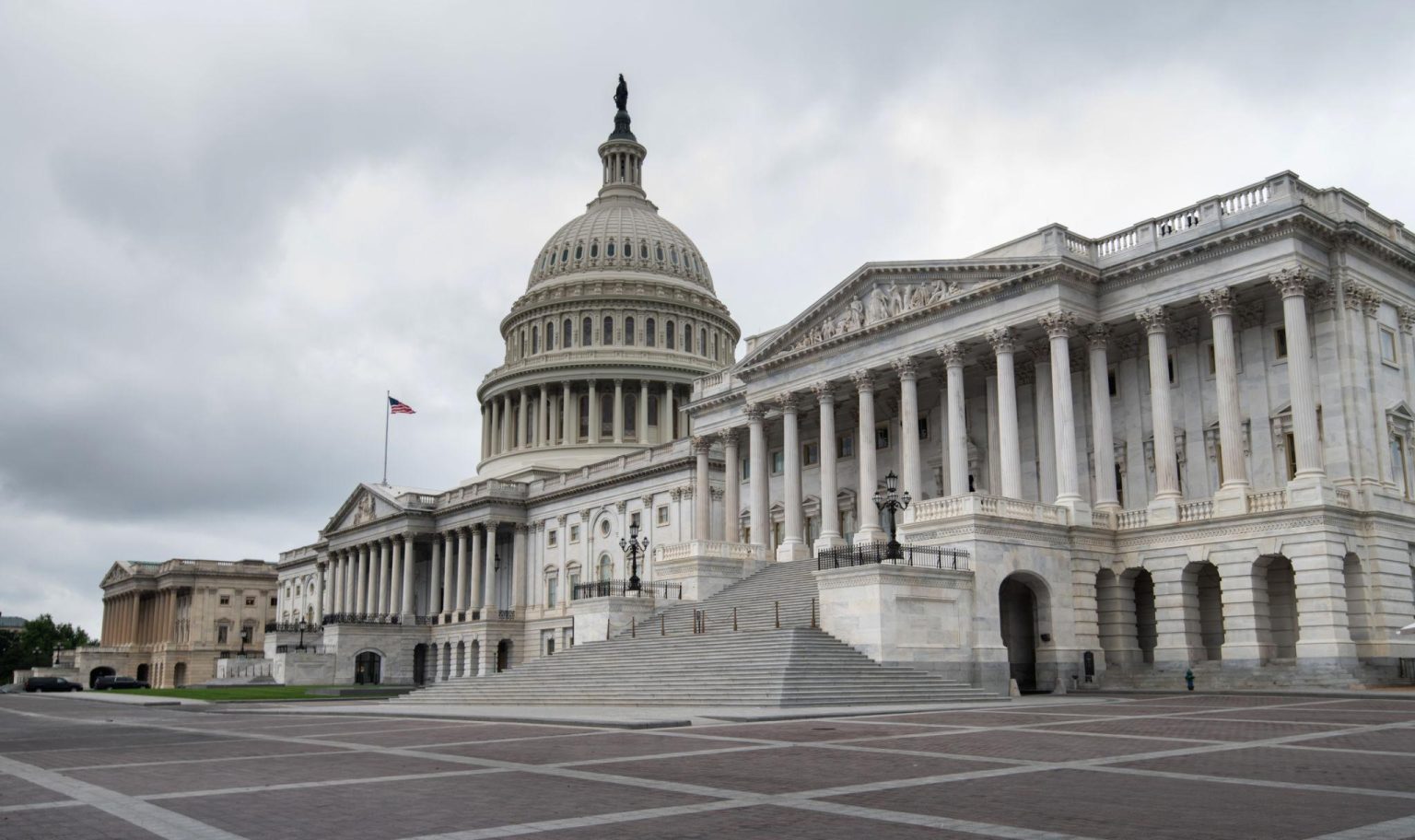
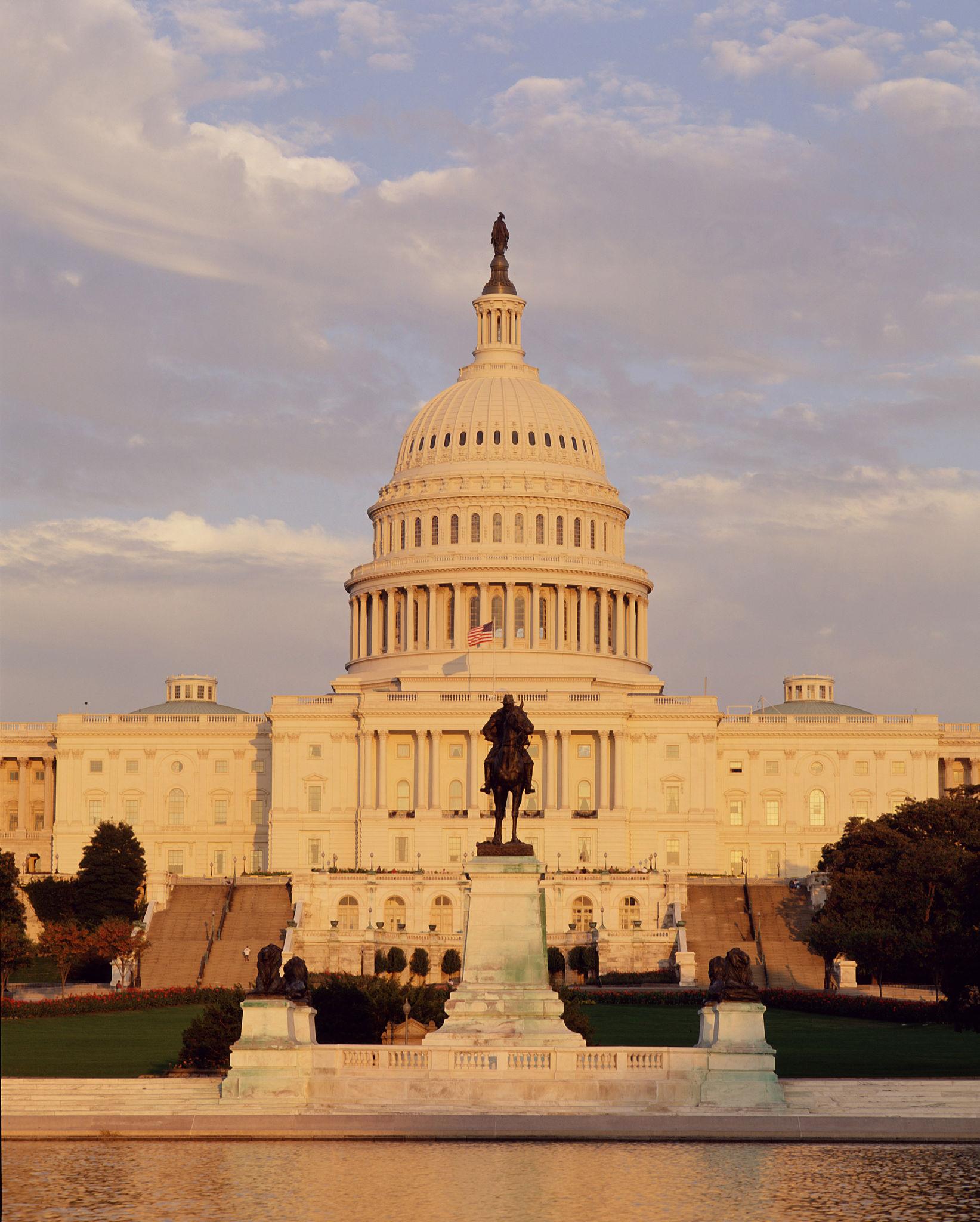
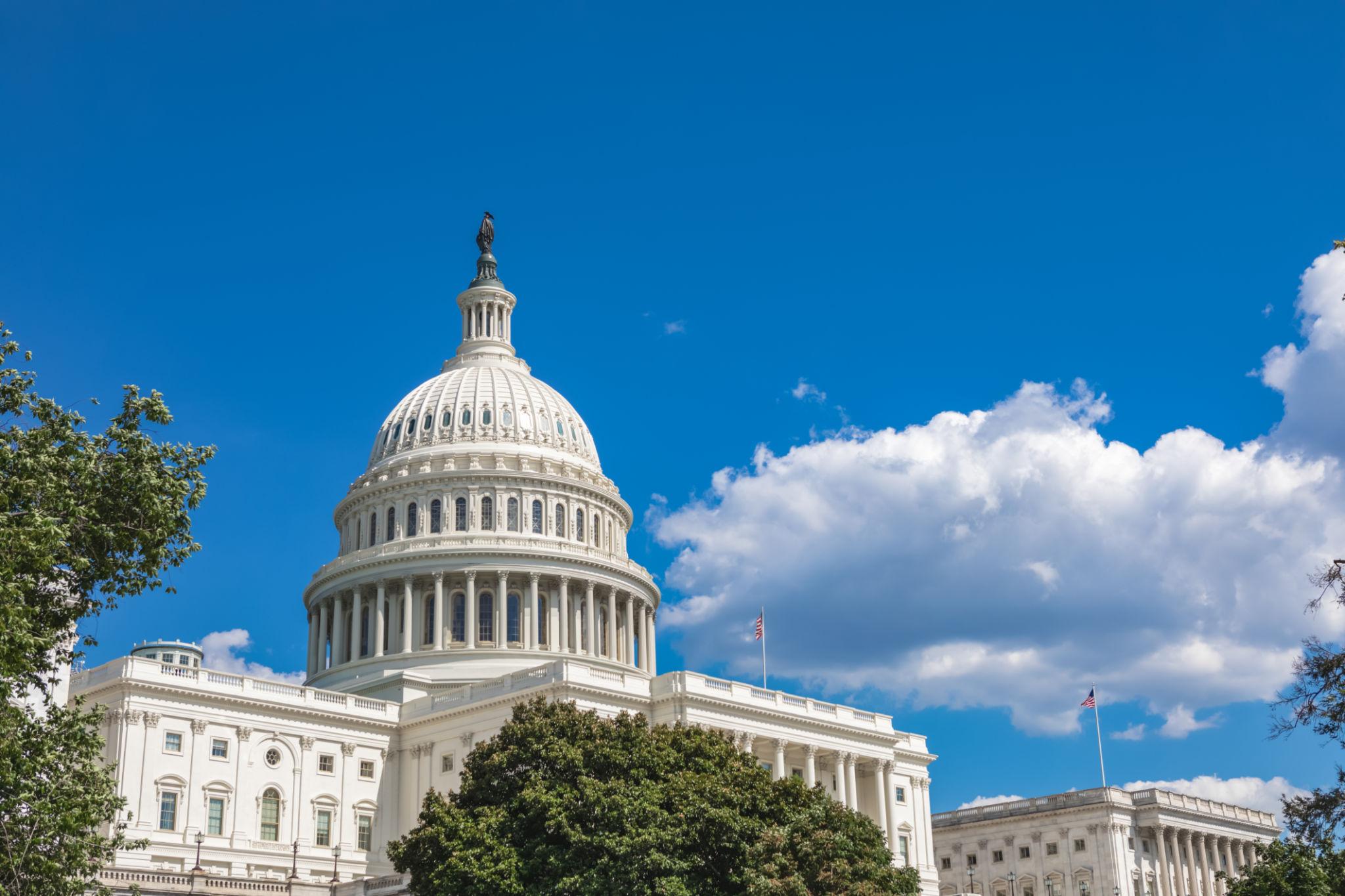
The nation’s capital continues to serve as the symbolic center of American politics. Any major gathering connected to prominent political figures is likely to receive extensive media coverage from domestic and international news organizations.
This visibility creates opportunities for organizers but also increases pressure on participants. Decisions regarding event appearances can quickly become national stories, particularly when high-profile performers are involved.
The current situation illustrates how Washington political events frequently extend beyond traditional political discussions and become broader cultural conversations.
Supporters Continue to Back Large Public Gatherings
Despite reports of artist withdrawals, supporters remain enthusiastic about attending large-scale public events associated with Trump and other national political figures.
Political rallies and public gatherings continue to play a central role in voter outreach efforts. Such events provide opportunities to communicate campaign messages directly to supporters while generating significant media coverage.
Organizers may ultimately decide to proceed with modified programming that places greater emphasis on speeches, policy discussions, and community engagement rather than entertainment performances.
Some analysts suggest that supporters often attend these gatherings primarily to hear political messages rather than musical performances.
“The success of a political event is often measured by audience engagement, not necessarily celebrity participation.”
Entertainment Industry Faces Increasing Political Pressure
The entertainment sector has become increasingly intertwined with political debates over the past decade. Social media platforms have amplified public reactions to celebrity decisions, creating both opportunities and risks for performers.
Artists frequently encounter strong reactions regardless of whether they choose to participate in political events or decline invitations. As a result, many entertainers carefully assess how appearances may affect relationships with fans, sponsors, and industry partners.
This dynamic has made event planning more complicated for political organizations seeking well-known performers.
Industry analysts believe this trend is likely to continue as political divisions remain a prominent feature of public discourse.
Historical Perspective on Political Concerts
Political leaders have long incorporated entertainment into public events. Throughout American history, musicians and celebrities have participated in campaign appearances, inaugural celebrations, and public ceremonies.
While the scale and media attention have evolved significantly, the connection between politics and entertainment is far from new.
The rise of digital media and social networking platforms has simply increased visibility around these decisions, allowing participation choices to become major news stories in their own right.
Media Coverage Expected to Continue
As organizers evaluate their options, media attention surrounding the issue is expected to remain intense. News outlets continue monitoring developments related to artist participation, event scheduling, and broader campaign activities.
Political strategists suggest that the way organizers respond could influence public perceptions regarding event management and future planning efforts.
The situation also reflects broader trends impacting political communication in the digital age, where every aspect of event planning can quickly become a national conversation.
Potential Alternatives Under Consideration
If concert plans are reduced or canceled, organizers may explore alternative approaches designed to maintain public interest.
Potential options could include:
- Expanded speaker programs
- Community-focused activities
- Local musical performances
- Veteran and civic organization participation
- Policy-centered presentations
Such alternatives would allow organizers to proceed with public events while adapting to changing circumstances.
These adjustments have become increasingly common as political organizations navigate evolving public expectations and logistical realities.
Broader Implications for Future Events
The developments surrounding these planned concerts may influence how future political events are organized nationwide.
Event planners across the political spectrum are paying close attention to changing attitudes among entertainers and audiences alike. The challenge of balancing political engagement with cultural considerations is likely to remain an important factor in event planning decisions.
Ultimately, the story highlights how modern political gatherings have become multifaceted productions involving media strategy, public relations, entertainment, and voter outreach.
Washington Political Events Continue to Evolve
The reported withdrawal of several performers has created uncertainty around planned Trump-related concerts in Washington, D.C., prompting organizers to reassess their strategy. While supporters remain interested in attending large public gatherings, the future of the entertainment component remains unclear.
The situation underscores the increasingly complex relationship between politics and entertainment in America. As organizers evaluate next steps, Washington political events will continue attracting significant public and media attention.
Whether concerts move forward, are modified, or are ultimately canceled, the developments serve as another example of how cultural and political forces increasingly shape one another in today’s rapidly changing media landscape.