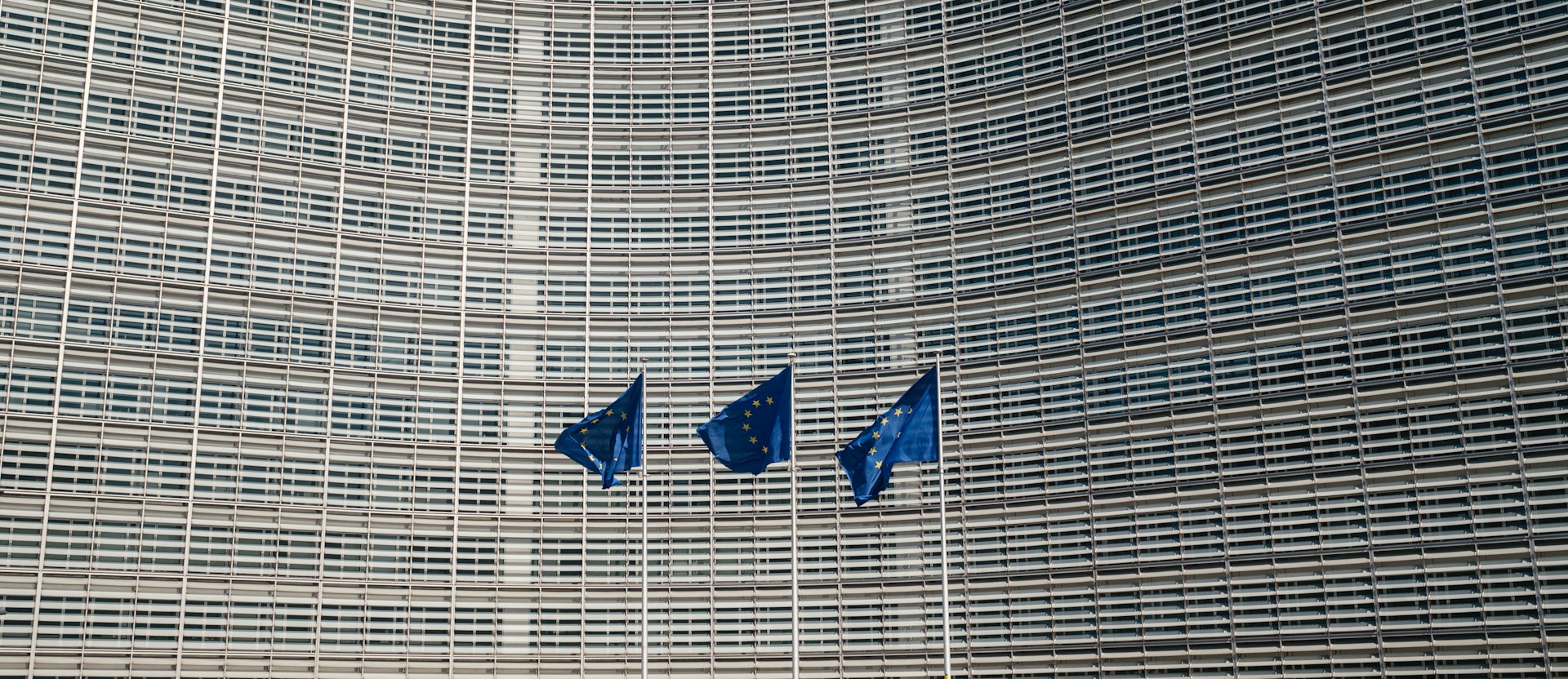
Brussels, 28 September, (Brussels Morning Newspaper) – The European Union has imposed restrictive measures on another 10 individuals and 17 entities over the unlawful deportation and forcible transfer of Ukrainian children to Russia and Russian-occupied Ukrainian territories. The latest EU sanctions Russia action also targets those the Council says are responsible for forced assimilation, indoctrination and militarised education.
EU targets 10 individuals and 17 entities
The Council of the EU announced the measures on 28 September. The sanctions include asset freezes, while EU citizens and companies are prohibited from making funds or economic resources available to those listed. Sanctioned individuals are also subject to travel bans preventing them from entering or transiting through EU territory.
The newly listed entities include the Moscow City Tourism Committee and two Russian companies involved in children’s recreation, tourism and entertainment.
The Council said children’s camps and sports centres in Russia and occupied Ukrainian territories were also listed for activities involving cultural reorientation, propaganda-based education and military-patriotic programmes.
Songdowon International Children’s Camp in North Korea was also sanctioned. According to the Council, the state-operated facility participates in programmes involving Ukrainian children transferred from occupied territories in coordination with Russia.
Tatarstan president added to sanctions list
Rustam Minnikhanov, president of Russia’s Republic of Tatarstan, is among the individuals sanctioned. The Council said he facilitated the illegal deportation of Ukrainian children to camps in the region.
Education officials in Russian-occupied Ukrainian territories and heads of children’s camps and schools were also listed over their alleged involvement in ideological indoctrination.
The Council estimates that more than 20,500 Ukrainian children have been unlawfully deported or forcibly transferred since Russia’s full-scale invasion began in 2022. The European Commission says just over 2,100 children have so far returned to Ukraine.
Kaja Kallas calls for every child to return
EU foreign policy chief Kaja Kallas addressed the issue at a high-level meeting in Brussels in May, describing the scale of the transfers and their consequences for Ukrainian families.
“Having one’s child forcibly taken is the worst nightmare of every parent.”
Kallas said Ukrainian children taken into Russian-controlled systems can face indoctrination and changes to their identities. She said the international objective must be to locate and return every child unlawfully deported or transferred.
Von der Leyen says EU will pursue accountability
European Commission President Ursula von der Leyen has also made the return of Ukrainian children an EU priority.
“These children are Ukraine’s future and we will not rest until every single child is returned.”
Von der Leyen made the statement ahead of the May meeting of the International Coalition for the Return of Ukrainian Children, pledging efforts to trace children, return them home and pursue accountability.
Sanctions increase pressure over child transfers
The latest EU sanctions Russia decision follows measures adopted in May against another 16 individuals and seven entities over deportation, forced transfer, assimilation and alleged unlawful adoption of Ukrainian minors.
The European Council has separately called on Russia and Belarus to ensure the “safe and unconditional return” of all unlawfully deported and transferred Ukrainian children.
What happens next?
The legal acts covering the 28 September sanctions have been published in the Official Journal of the European Union, putting the restrictions into effect across the bloc.
The decision adds another layer to the EU’s sanctions regime against Russia while keeping the return of Ukrainian children and accountability for those involved in their transfer among Brussels’ stated priorities.