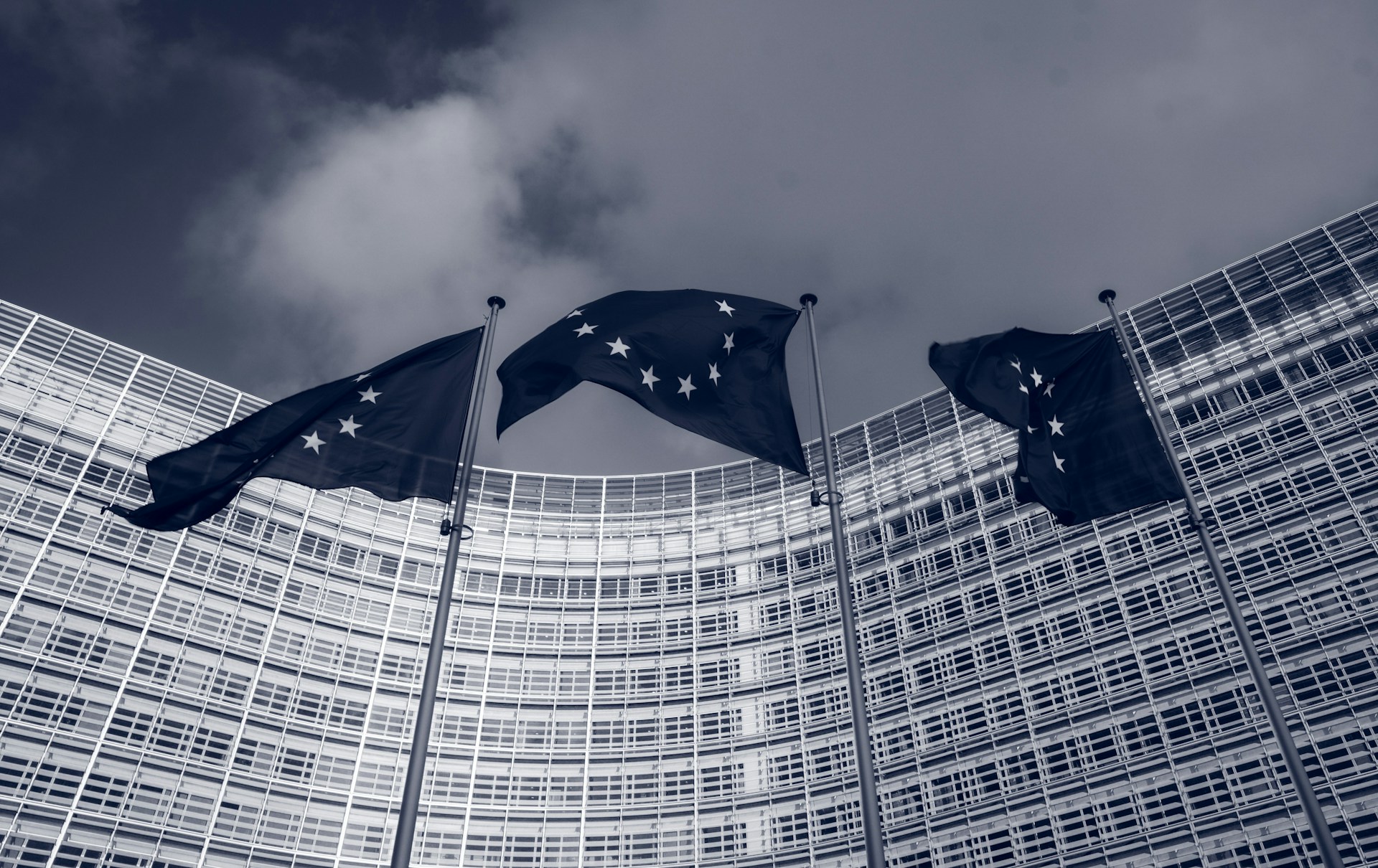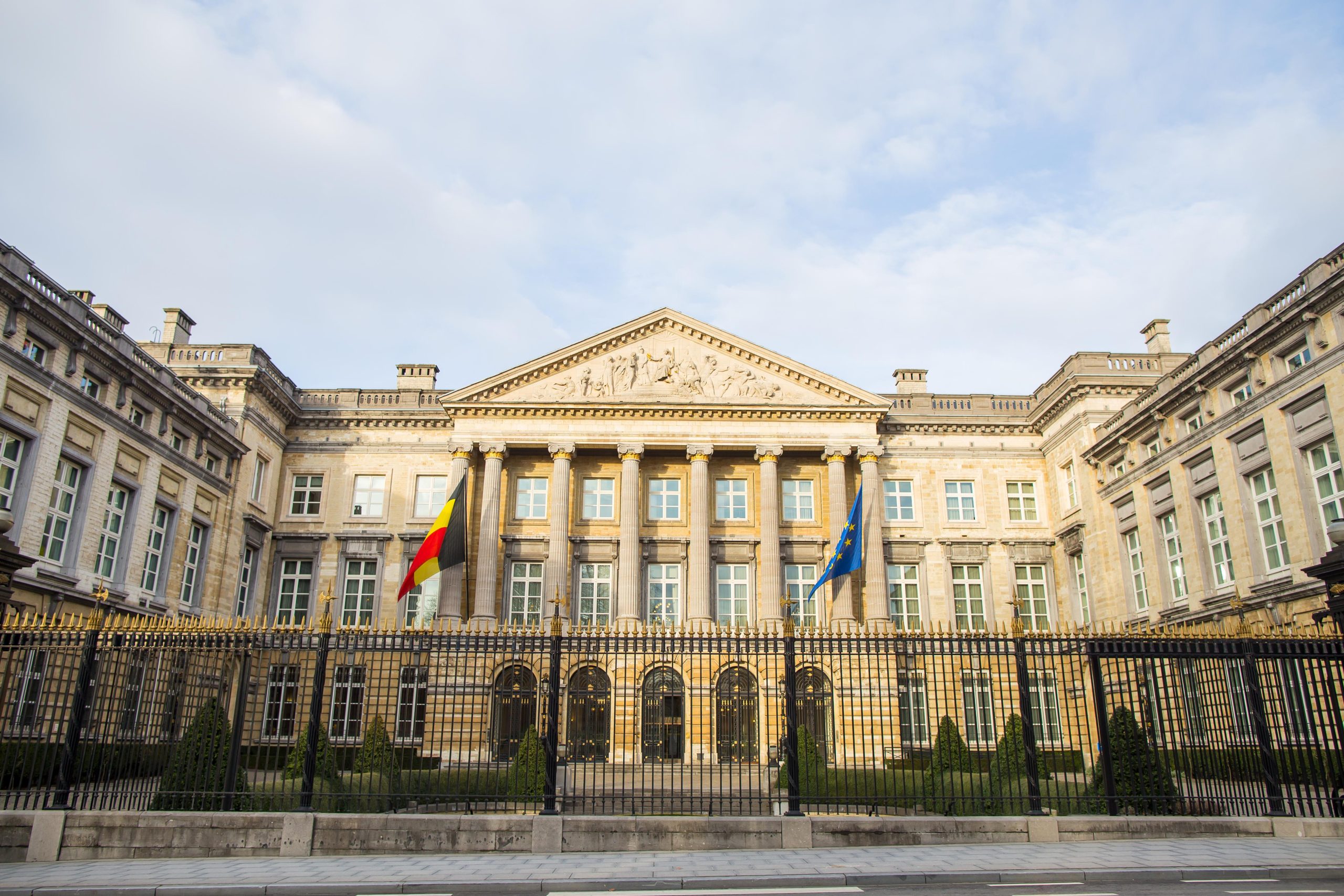
Brussels, 28 September, (Brussels Morning Newspaper) – EU defence ministers met in Brussels on Monday to discuss military support for Ukraine, shortages in European air-defence capabilities and the bloc’s response to hybrid threats. EU foreign policy chief Kaja Kallas chaired the Foreign Affairs Council meeting, which began at 10:00 local time.
Ukraine’s Defence Minister Evgeniy Khmara was scheduled to address ministers by video link. The official agenda included air defence, the EU Military Assistance Mission in support of Ukraine, defence-industrial cooperation and measures aimed at countering Russia’s shadow fleet.
Ukraine air defence leads ministers’ agenda
Ukraine’s need for additional air-defence equipment emerged as a central issue before the meeting.
Kallas said recent attacks on civilians had increased the urgency of strengthening Ukraine’s protection against aerial attacks.
“Ukraine urgently needs air defence,” Kallas told reporters before entering the meeting. She called on countries holding suitable equipment in their stockpiles to provide it to Ukraine while newly manufactured systems and missiles are used to replenish national supplies.
Kallas also said the European Peace Facility had been unblocked and highlighted €1 billion for joint procurement, arguing that EU governments need to work more closely together on defence purchases.
EU reviews gaps in European defence capabilities
Before the Foreign Affairs Council, Kallas chaired a European Defence Agency Steering Board meeting focused on the EU defence readiness report requested by European leaders.
The report comes as European governments increase military expenditure while seeking to address shortages in equipment and production capacity.
“We have big defence capability gaps, and now we should focus on how we actually fill those gaps,” Kallas said.
She added that EU member states collectively spend about 2.2% of GDP on defence, describing increased spending as part of Europe’s deterrence efforts.
Hybrid threats discussed at Brussels meeting
The EU defence ministers also discussed hybrid threats affecting the bloc. The Council’s official agenda included hybrid threats alongside the situation in the Middle East and public procurement in defence.
Kallas said the EU would propose an emergency security protocol addressing hostile activities below the threshold of armed aggression. The proposed framework would examine how member states, the European Commission and the European External Action Service can coordinate their responses.
She also said European intelligence indicated that Russia was planning further sabotage activities and attacks against European democratic societies.
Middle East naval operation also on agenda
Ministers were also due to consider security developments in the Middle East.
Kallas said the EU’s Operation ASPIDES needed additional naval assets to escort commercial vessels through the Bab-el-Mandeb area. She said the operation was intended to have at least ten ships but currently had fewer than that number.
What happens after the Brussels defence talks?
The Brussels meeting feeds into continuing EU work on military assistance for Ukraine, joint defence procurement and European defence readiness.
For the EU defence ministers, the immediate policy questions include securing additional air-defence equipment for Ukraine, addressing European capability shortages and improving coordination against hybrid security threats.