Kyiv, Ukraine – February 5, 2026: According to Brussels Morning Newspaper, the scale of Ukraine Russia war deaths has become a defining issue of the ongoing conflict as fighting persists across multiple fronts. Officials in Kyiv acknowledged that the war’s human cost continues to rise, shaping national policy and international diplomacy alike as Europe watches closely.
The update comes amid renewed clashes in eastern and southern Ukraine, where artillery fire and drone activity remain constant. While precise casualty figures remain classified, officials stress that the toll reflects nearly four years of sustained, high-intensity warfare.
Leadership Addresses the Nation Amid Ongoing Fighting
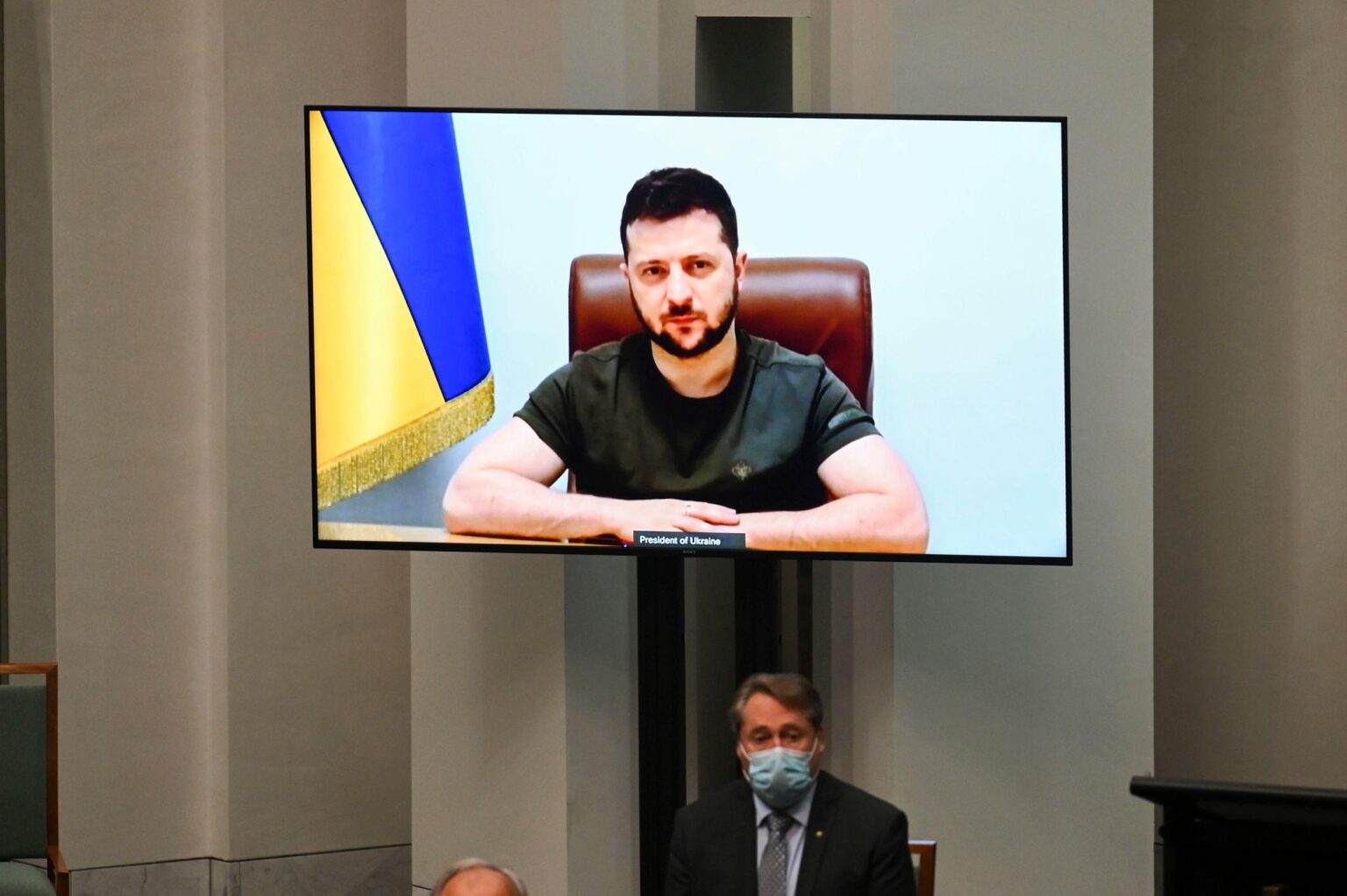
President Volodymyr Zelenskyy addressed citizens during a nationally broadcast statement, emphasizing resilience and unity as the country faces another year of conflict.
“Ukraine stands because its people refuse to surrender their future, no matter the cost,” Zelensky said.
His remarks highlighted the emotional weight behind Ukraine Russia war deaths, presenting the losses as part of a broader struggle for sovereignty rather than isolated battlefield statistics.

Frontlines Remain Active Across Eastern Regions
Military officials confirmed that combat operations remain intense in Donetsk, Luhansk, and Zaporizhzhia. Analysts say the sustained pace of fighting directly contributes to rising Ukraine Russia war deaths, as both sides deploy advanced weapons systems and surveillance technology.
Ukrainian forces continue to emphasize defensive operations designed to slow advances while minimizing exposure. However, constant missile strikes and artillery barrages have made conditions increasingly dangerous for troops stationed near contested areas.
Civilian Communities Feel the Ripple Effects
Beyond the frontlines, civilian populations face daily disruptions. Power outages, damaged transport routes, and limited access to medical care have become routine in several regions. Aid organizations note that indirect consequences of Ukraine Russia war deaths extend well beyond the battlefield, affecting families and local economies.
Hospitals across Ukraine report long-term strain as they treat wounded soldiers while maintaining essential civilian services. Volunteer networks continue to play a vital role in filling gaps left by overwhelmed institutions.
International Attention Focuses on Human Cost
European leaders meeting in Brussels referenced the growing number of Ukraine Russia war deaths during discussions on regional security and military assistance. Diplomats stressed that sustained losses underline the urgency of coordinated international responses.
A senior EU official noted that continued instability in Ukraine poses long-term risks for the entire continent, reinforcing the need for both defense support and diplomatic engagement.
Military Strategy Under Pressure
Defense analysts say the accumulation of Ukraine Russia war deaths has forced Kyiv to reassess troop rotations, recruitment strategies, and battlefield tactics. Expanded training programs and increased reliance on technology aim to reduce casualties, though results remain uneven.
Officials argue that improved air defense systems could significantly lower losses by intercepting incoming strikes before they reach populated or strategic areas.
Economic and Social Strain Grows
The war’s toll is visible in Ukraine’s labor market and public services. Economists warn that Ukraine Russia war deaths contribute to workforce shortages and rising healthcare costs, creating challenges that will persist long after hostilities end.
Despite these pressures, public opinion surveys suggest continued support for national defense efforts. Community resilience, fueled by volunteerism and local initiatives, remains a cornerstone of Ukrainian society.
Information Battles Accompany Fighting
Casualty figures remain a central element of information warfare. Kyiv officials accuse Russia of manipulating narratives, while emphasizing transparency to counter misinformation. Acknowledging Ukraine Russia war deaths publicly is seen as part of this effort.
Independent verification remains difficult due to restricted access to combat zones and competing claims from both sides.
Origins of a War That Refused to End
The roots of today’s Ukraine Russia war deaths trace back to escalating tensions in 2014, which intensified dramatically in 2022. Since then, the conflict has evolved into one of Europe’s most significant military confrontations since the mid-20th century.
Repeated attempts at ceasefires have failed, leading analysts to describe the war as entrenched, with long-term consequences for regional stability.
Global Security Implications
Security experts say the persistence of Ukraine Russia war deaths influences defense planning far beyond Eastern Europe. NATO countries have increased military spending, while energy markets remain sensitive to developments on the battlefield.
The conflict is increasingly viewed as a test case for international norms surrounding sovereignty and territorial integrity.
Voices From the International Community
A senior Western diplomat speaking on condition of anonymity said,
“The losses we are seeing should push all sides to reconsider the cost of prolonged confrontation.”
Meanwhile, humanitarian organizations continue urging protections for civilians and medical personnel, warning that unchecked escalation will only deepen suffering.
Life in Ukraine Under Prolonged Conflict
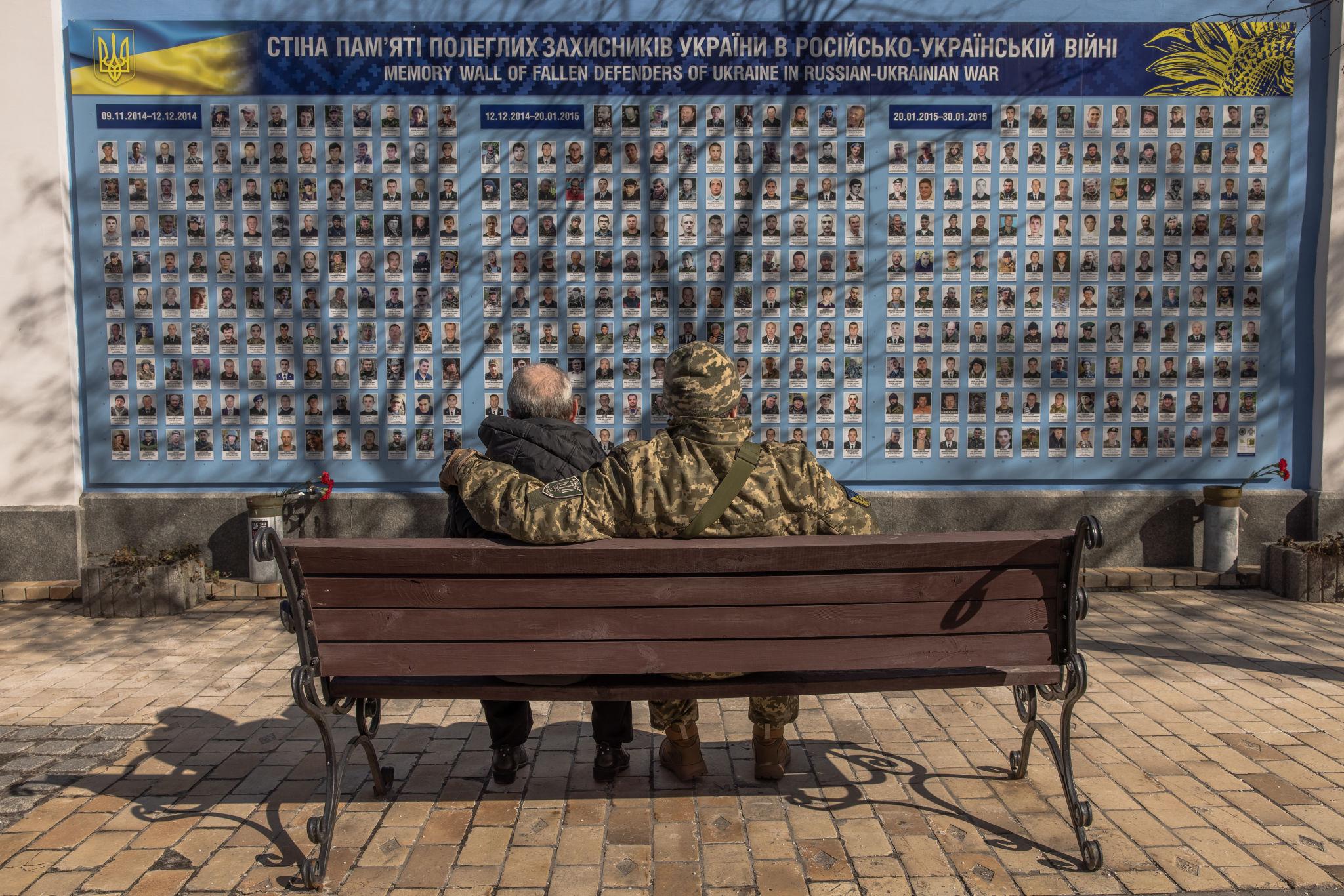
Daily life across Ukraine reflects adaptation under pressure. Schools operate with modified schedules, businesses adjust to disruptions, and memorials honoring fallen soldiers appear in towns and villages nationwide. The visibility of Ukraine Russia war deaths has reshaped public spaces and collective memory.
Psychologists working with affected families warn of long-term trauma, particularly among children growing up amid constant uncertainty.
Diplomatic Efforts Continue Behind the Scenes
While fighting dominates headlines, diplomatic channels remain active. Officials from Ukraine and its allies continue consultations aimed at reducing hostilities, though progress remains limited. Observers say meaningful negotiations may depend on shifts in battlefield dynamics tied to Ukraine Russia war deaths and military capacity.
Europe Watches Closely
In European capitals, policymakers monitor developments in Kyiv with growing concern. The scale of Ukraine Russia war deaths reinforces fears that prolonged instability could spill over borders, affecting trade, migration, and security alliances.
As a result, Ukraine’s conflict increasingly shapes the broader European agenda.
A Nation Balances Resolve and Loss
Public ceremonies honoring fallen soldiers underscore the emotional weight carried by communities nationwide. Religious leaders, local officials, and families gather regularly, reflecting on sacrifice while expressing determination to endure.
For many Ukrainians, Ukraine Russia war deaths are not abstract figures but personal losses that define daily reality.
Outlook for the Months Ahead
Military experts caution that without a significant shift in strategy or diplomacy, casualty trends may continue. The trajectory of Ukraine Russia war deaths will likely depend on external support levels, battlefield adaptations, and political will on both sides.
As 2026 unfolds, Ukraine faces the challenge of sustaining defense efforts while preserving its social fabric.
Beyond the Battlefield: Ukraine’s Unfinished Reckoning
From Kyiv to Brussels, the growing scale of Ukraine Russia war deaths remains central to discussions about Europe’s future security. While leaders emphasize resilience and unity, the human cost continues to mount, shaping decisions far beyond the frontlines.
For now, Ukraine’s path forward remains uncertain, defined by endurance, sacrifice, and the search for a lasting resolution.