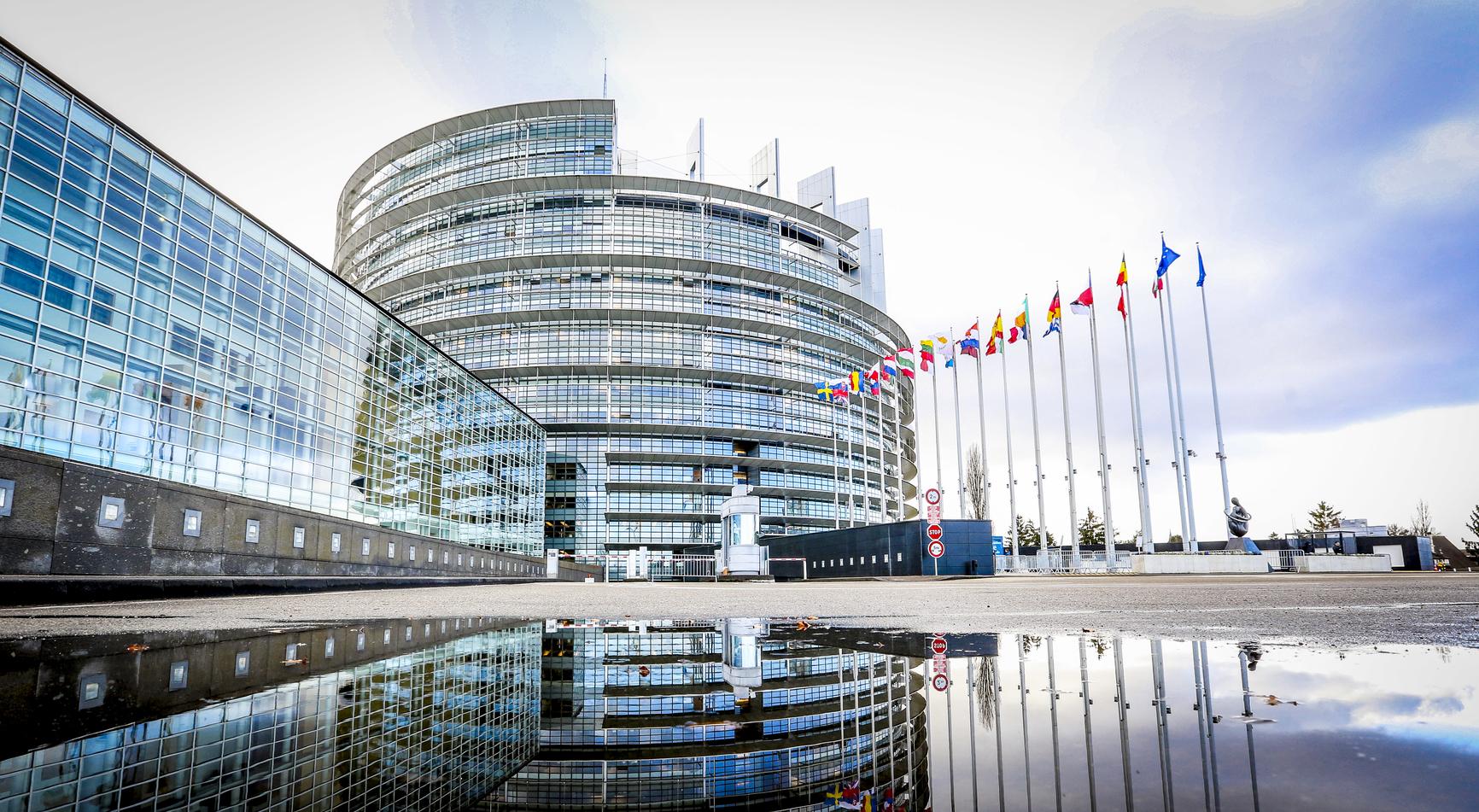
Brussels, Belgium, 22 October, (Brussels Morning Newspaper) – The European Parliament has backed a three-year postponement of key methane emissions requirements affecting fossil fuel imports, marking a significant development in the European Union’s energy and climate policy. The EU methane regulation delay would give importers additional time to demonstrate compliance with emissions monitoring and reporting standards, although the proposed changes still require completion of the EU legislative process.
The decision comes amid concerns about energy security, regulatory costs and the practical challenges facing international suppliers. European lawmakers have supported extending the implementation timetable while retaining the broader framework intended to reduce methane emissions across the energy sector.
European Parliament supports three-year extension
The parliamentary position would extend the deadline for certain methane monitoring, reporting and verification requirements affecting fossil fuel imports.
Under the proposal, importers would have until 31 May 2031 to demonstrate that relevant supply contracts meet monitoring, reporting and verification standards equivalent to those required by the European Union.
The existing timetable provides for the equivalence requirements to begin applying from 1 January 2027.
The extension would particularly affect businesses importing natural gas, crude oil and coal into the European market.
Supporters of additional implementation time have raised concerns about whether international suppliers can establish the necessary monitoring systems and documentation within the original deadlines.
However, the parliamentary decision does not immediately amend existing legislation. Further institutional approval is necessary before the revised timetable can take legal effect.
Why the EU methane regulation delay matters
The European Union introduced Regulation (EU) 2024/1787 in 2024 to address methane emissions from the energy sector.
Methane is a powerful greenhouse gas that contributes substantially to global warming. Reducing emissions from fossil fuel production, transportation and distribution is an important part of international climate policy.
The legislation establishes requirements covering emissions measurement, reporting, verification and the detection and repair of methane leaks.
It also seeks to improve transparency concerning emissions associated with fossil fuels imported from countries outside the European Union.
The proposed postponement focuses on particular importer obligations rather than cancelling the entire methane regulation.
Other requirements established under the existing legislation remain relevant unless separately amended.
Impact on Belgium and European energy markets
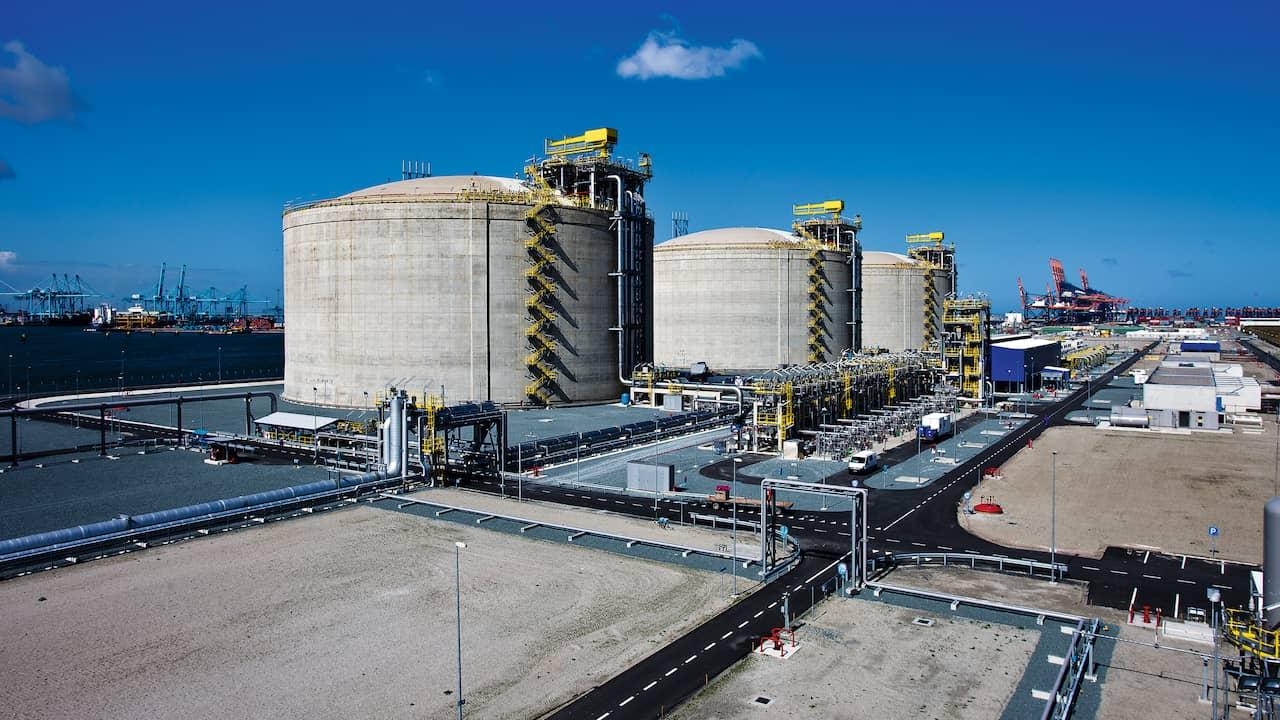
Belgium occupies an important position within Europe’s energy infrastructure, particularly through its natural gas import facilities and connections with neighbouring markets.
Changes to methane reporting requirements could therefore affect energy importers, suppliers and companies involved in international fuel contracts.
A longer implementation period may provide businesses with additional time to establish reliable emissions monitoring arrangements and obtain information from overseas producers.
For European policymakers, the challenge is maintaining climate objectives while addressing concerns about energy availability and the administrative burden associated with new regulations.
The postponement could also delay the application of requirements designed to improve accountability for methane emissions generated outside Europe.
Its practical effects will depend on the final legislative text and how importers respond to the revised obligations.
Official position on methane compliance deadlines
The European Parliament’s position supports extending the deadline for demonstrating equivalence with EU methane monitoring, reporting and verification requirements to 31 May 2031.
The original methane regulation was adopted as part of the EU’s wider efforts to reduce energy-sector emissions and improve environmental accountability.
The proposed changes would alter the implementation timetable without eliminating the legislation’s underlying emissions-reduction objectives.
What happens next for EU methane legislation?
The next stage involves completing the legislative process between the European Parliament and EU governments.
Any agreed amendments must be formally adopted before the revised deadlines become legally binding.
Until that process is completed, businesses must continue to assess their obligations under the existing legislation.
The outcome will determine the timetable for applying revised methane requirements to imported fossil fuels and influence how European energy companies prepare for future compliance.