Brussels, 17 October, (Brussels Morning Newspaper) – European Union leaders are intensifying efforts to strengthen Europe’s industrial competitiveness as EU trade defences against unfairly priced Chinese imports become an increasingly important part of the bloc’s economic strategy. The discussions follow the European Council summit held in Brussels on 15–16 October, where leaders called for faster progress on legislation aimed at supporting European industries, encouraging investment and improving the functioning of the single market.
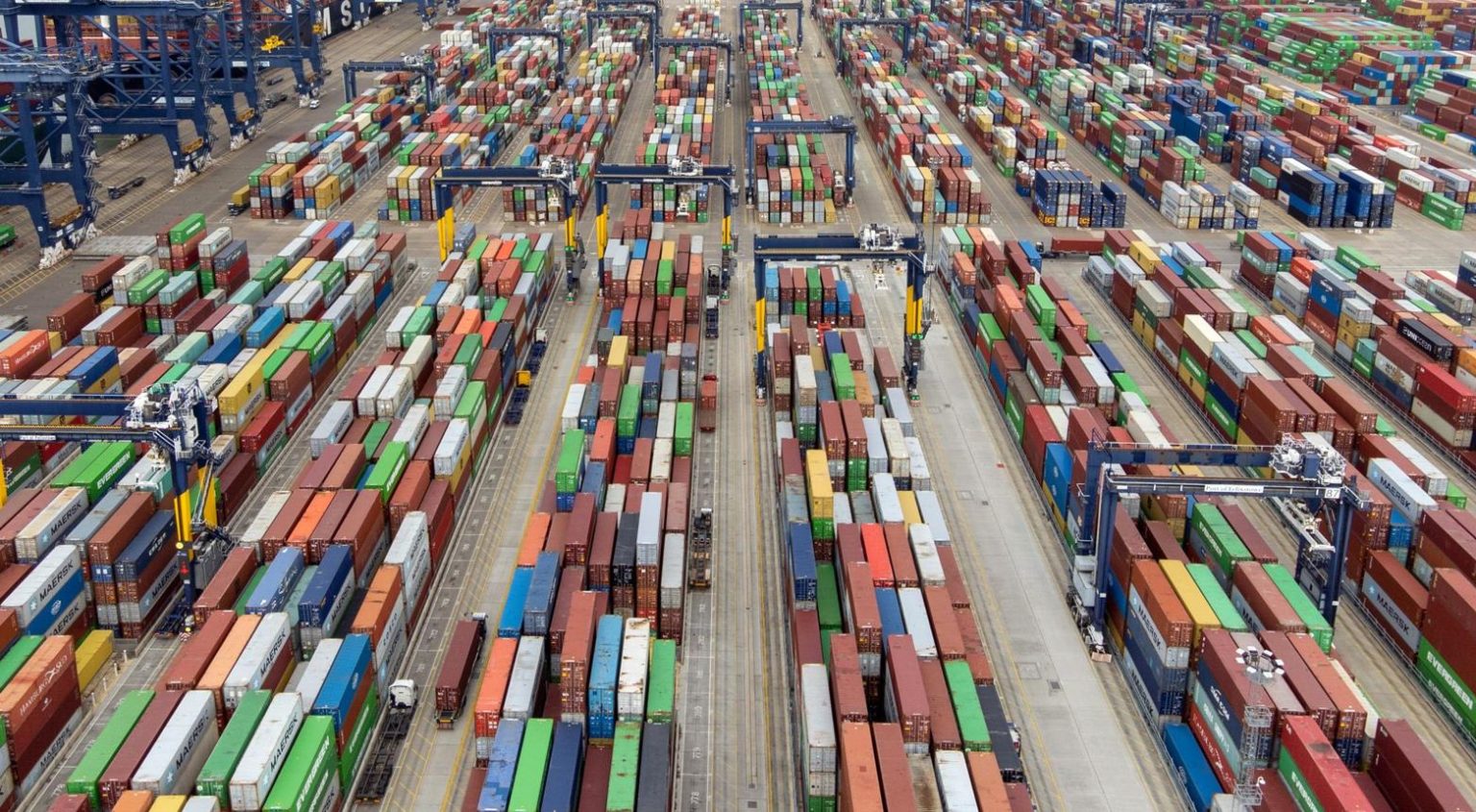
The developments come amid growing concerns about international competition, particularly from Chinese manufacturers offering lower-priced products. Although the summit did not announce new China-specific tariffs, existing European Commission measures demonstrate Brussels’ continued commitment to enforcing trade rules and protecting European producers from unfair competition.
Brussels Advances Stronger Industrial Competitiveness Plans
European leaders have called for accelerated progress on the One Europe, One Market agenda, which seeks to remove barriers within the single market and improve conditions for European businesses.
The European Council identified the Industrial Accelerator Act, electricity grid reforms and regulatory simplification among its legislative priorities. These initiatives are intended to strengthen European manufacturing, encourage investment and improve the bloc’s ability to compete internationally.
The policy agenda extends beyond import restrictions, combining industrial development with measures addressing energy costs, regulatory barriers and market integration.
European Commission Targets Unfair Chinese Imports
The European Commission has already introduced anti-dumping measures against several categories of Chinese products following investigations into unfair pricing practices.
In July 2026, Brussels imposed definitive anti-dumping duties ranging from 4.3% to 45.3% on passenger-car and light-lorry tyres imported from China. The Commission concluded that dumped imports were causing injury to European manufacturers.
In September, further duties ranging from 40.5% to 67.1% were imposed on Chinese pea protein imports following another investigation.
These decisions illustrate how EU trade defences are being applied to specific industries where investigations establish evidence of unfair pricing and injury to European producers.
EU Leaders Call for Stronger Trade Instruments
In conclusions published on 16 October, the European Council called for more effective action to address global economic imbalances.
Leaders urged the European Commission to make better use of existing trade instruments and develop additional measures where necessary.
The Council specifically called for the EU to “urgently enhance the EU toolbox with new instruments” to address international economic imbalances.
The statement reflects Brussels’ broader approach to economic security, combining trade enforcement with efforts to reduce industrial dependencies.
However, the conclusions did not establish new tariffs specifically targeting China.
Why China’s Trade Competition Matters for Europe
China remains a major source of manufactured goods and industrial inputs for European businesses.
Competition from Chinese producers has raised questions about pricing, manufacturing capacity and the ability of European companies to maintain production within the single market.
For European manufacturers, effective trade enforcement can help address proven unfair competition and protect industrial activity.
For importers and consumers, additional duties may increase purchasing costs, particularly where alternative suppliers are limited.
European policymakers must therefore balance industrial protection with the need to maintain competitive prices and stable international supply chains.
What Happens Next for EU-China Trade Relations?
European institutions will continue negotiations on the Industrial Accelerator Act and other competitiveness measures identified during the October summit.
The European Council has called for several legislative negotiations to conclude before the end of 2026, although final agreements will depend on the relevant EU institutions.
Meanwhile, the European Commission’s parallel anti-subsidy investigation into Chinese passenger-car and light-lorry tyres is expected to conclude in December 2026.
The outcome could determine whether further trade remedies are introduced in that sector.
As Brussels advances its industrial agenda, EU trade defences will remain an important instrument in addressing unfair import practices while maintaining the European Union’s wider commercial relationships.