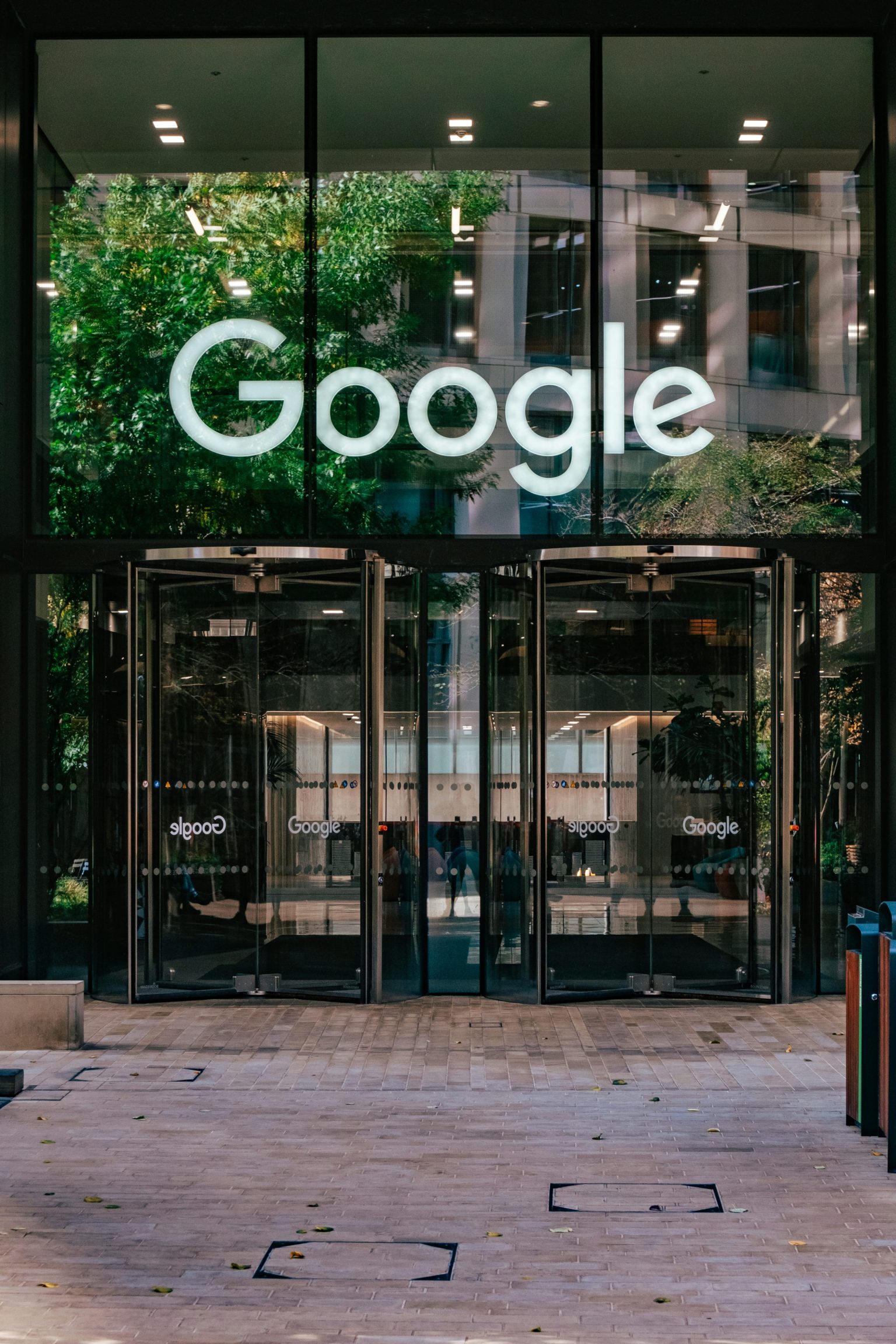
- Google has filed legal challenges against two binding European Commission measures adopted on 16 July 2026.
- One measure requires Android to provide rival AI assistants with greater access to features available to Google’s Gemini.
- The Google EU DMA challenge also contests an order requiring Google to share anonymised ranking, query, click and view data with eligible search competitors, including qualifying AI chatbots.
- Google says the requirements could expose European users to privacy and cybersecurity risks, while the Commission says safeguards are built into the measures.
Brussels, 29 September, (Brussels Morning Newspaper) – Google has challenged two European Union orders requiring it to open Android features to rival artificial intelligence services and share anonymised search data with competing search providers. The Google EU DMA challenge, filed at the EU General Court in Luxembourg, escalates a dispute over how far Brussels can require major technology platforms to open their services to competitors under the Digital Markets Act (DMA).
Google EU DMA challenge reaches EU court
Google’s legal action targets measures designed to make it easier for rival AI assistants and search engines to compete with its services.
On Android, the Commission wants third-party AI assistants to access functions that could allow users to activate their preferred assistant by voice and ask it to perform actions within other apps, including booking a taxi or suggesting replies to messages.
The Commission says about 60% of EU users have an Android device and argues that competing AI assistants currently have more restricted access to important Android functions than Google’s own services.
Google raises concerns over user privacy
Google argues that opening its systems in the way Brussels requires could weaken protections for European users.
Oliver Bethell, Google’s senior director for competition, told Reuters that search history is “deeply personal” as the company challenged the requirement to make data available to competitors. Google argues that inadequate protections could expose sensitive information.
The company has raised similar concerns over Android.
In August, Google’s Android security executives Dave Kleidermacher and Eugene Liderman said the Commission’s final measures “undermine Android’s foundational security model”, warning that deeper system-level access for third-party AI agents could create privacy and security risks.
EU says safeguards protect search data
The European Commission maintains that the requirements contain strong safeguards.
Its search-data measure uses a multi-layered anonymisation method developed with privacy experts. Google can also assess whether providing information to a particular third party presents serious cybersecurity or data-protection risks.
The Commission says Google Search has maintained a European market share above 90% for decades, giving it access to search data at a scale competitors cannot easily reproduce. The EU says sharing a restricted and anonymised dataset could help rival search services improve without requiring Google to disclose its algorithms or search technology.
Google faces key implementation deadlines
The legal dispute comes as the Commission’s implementation timetable advances.
Google is due to finalise the anonymised search dataset by November 2026. By January 2027, it must finalise its pricing offer and communicate it to the Commission and eligible third-party search engines.
The court proceedings now add another significant legal test for the DMA as Brussels attempts to apply its competition framework to AI assistants, mobile operating systems and online search.