Strasbourg, 2o October, (Brussels Morning Newspaper) – The European Union has announced a sweeping new Arctic security strategy designed to strengthen European defence preparedness, protect vital infrastructure and deepen cooperation with northern allies amid growing geopolitical tensions.
The European Commission and the EU’s High Representative for Foreign Affairs and Security Policy presented the framework on Tuesday, introducing a broader approach to security, climate resilience and economic development in the Arctic.
The EU Arctic security strategy reflects increasing concern over Russian military activity, vulnerable underwater communication networks and competition for emerging shipping routes and natural resources.
EU Strengthens Arctic Defence and Maritime Surveillance
The European Commission has identified security and resilience as central priorities in its updated Arctic policy.
Among the proposed measures is a Maritime Security Hub intended to improve information-sharing and strengthen the protection of critical maritime infrastructure.
An Arctic Cable Hub would support monitoring, protection and repair of submarine communication cables across the North Atlantic-Arctic region.
The Commission also plans to assess Europe’s icebreaker capabilities and support closer cooperation on specialised equipment required for Arctic operations.
A dedicated surveillance pilot is planned for 2027, using satellite monitoring and improved data-sharing to strengthen maritime awareness.
These initiatives are intended to complement NATO activities while improving the EU’s ability to respond to regional security risks.
Ursula von der Leyen Warns of Growing Arctic Threats
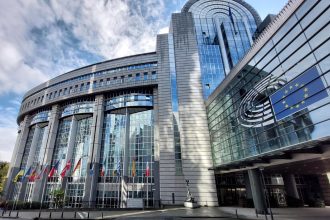
European Commission President Ursula von der Leyen outlined the strategic importance of the region during an official statement at the European Parliament in Strasbourg.
Referring to Russia’s expanding military presence and wider geopolitical instability, she declared:
“We have to act. And change our strategic posture.”
Von der Leyen emphasised that the Arctic is directly connected to Europe’s security and economic future.
She also highlighted the importance of protecting local communities and maintaining cooperation with partners including Canada.
The Commission’s approach recognises that Arctic security challenges extend beyond military preparedness to include digital connectivity, transport networks and environmental protection.
Arctic Climate Change Creates New European Challenges
The latest framework builds upon the EU’s 2021 Arctic policy while responding to significant changes in regional security and economic conditions.
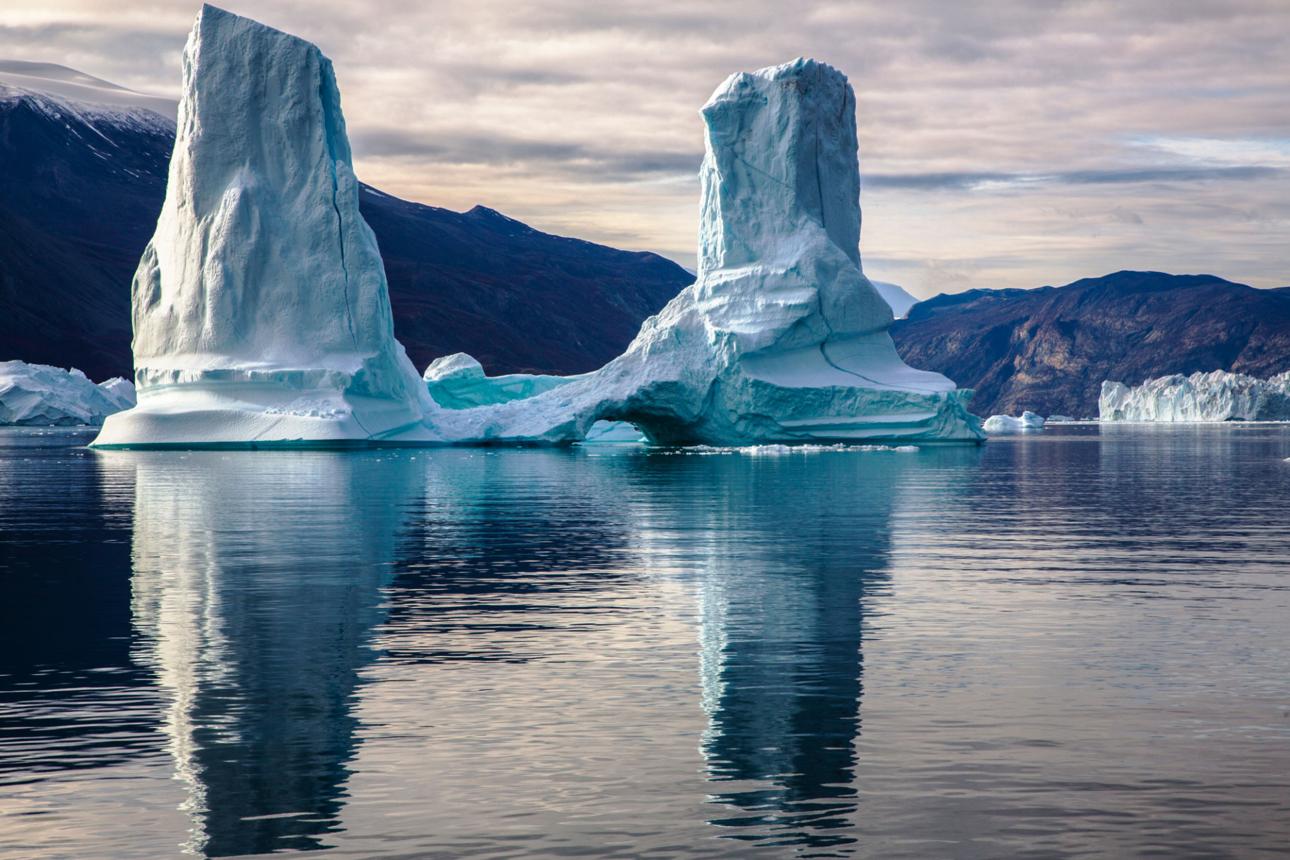
According to the European Commission, the Arctic is warming nearly four times faster than the global average.
Melting ice is transforming ecosystems and increasing accessibility to maritime routes, creating both commercial opportunities and additional security concerns.
Denmark, Finland and Sweden are EU member states with Arctic territory, while more than half a million EU citizens live in the region.
The new policy maintains environmental protection as a priority alongside stronger defence and economic cooperation.
European Businesses and Infrastructure Set to Benefit
The EU Arctic security strategy also outlines opportunities for investment in renewable energy, critical raw materials, sustainable maritime industries and digital infrastructure.
The Commission intends to support the Pan-Arctic Cable project, connecting Greenland directly with Europe, while developing secure satellite communications through IRIS² Arctic Connectivity.
Improved ports, railway connections and energy infrastructure could strengthen trade links between northern communities and European markets.
The strategy also places Indigenous Peoples and local Arctic communities at the centre of future development discussions.
What Happens Next for Europe’s Arctic Security Plans?
The European Commission will work with member states and international partners to advance the proposed security and infrastructure initiatives.
Preparations for the Arctic surveillance pilot are expected to form part of the next implementation phase in 2027.
Other projects will depend on further cooperation, investment arrangements and operational planning.
The updated framework signals a significant change in European Arctic policy, placing greater emphasis on strategic preparedness while retaining commitments to climate protection and sustainable regional development.