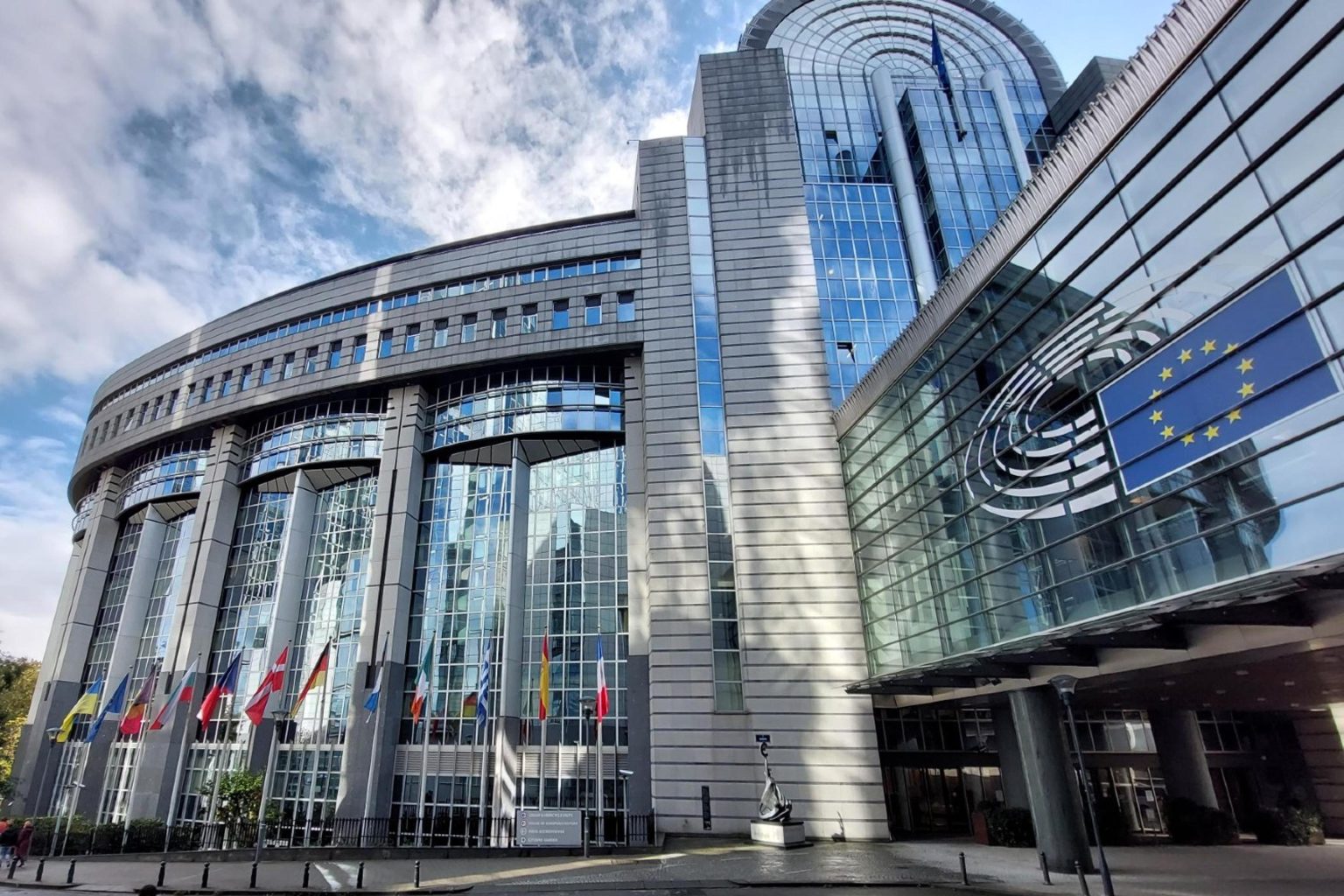
Brussels, 18 October, (Brussels Morning Newspaper) – The EU budget crisis has intensified after European Union leaders concluded a two-day summit in Brussels without reaching an agreement on the bloc’s proposed €1.62 trillion long-term spending framework. Disagreements over national contributions, agricultural subsidies and regional development funding have raised concerns about whether a political settlement can be reached before the end of 2026.
The European Council meeting on 15–16 October brought together leaders from all 27 member states to examine the EU’s financial priorities for 2028–2034.
Although leaders agreed to continue negotiations, substantial differences remain over the size of the budget and how funding should be distributed.
EU Budget Crisis Exposes Deep Divisions Over Spending
The latest negotiations focused on a revised financial proposal presented by Ireland, which currently holds the rotating presidency of the Council of the EU.
The proposed €1.62 trillion spending framework represents a reduction of approximately €141 billion from the European Commission’s earlier proposal, according to Associated Press reporting.
However, the revised figure has failed to resolve disagreements between member states.
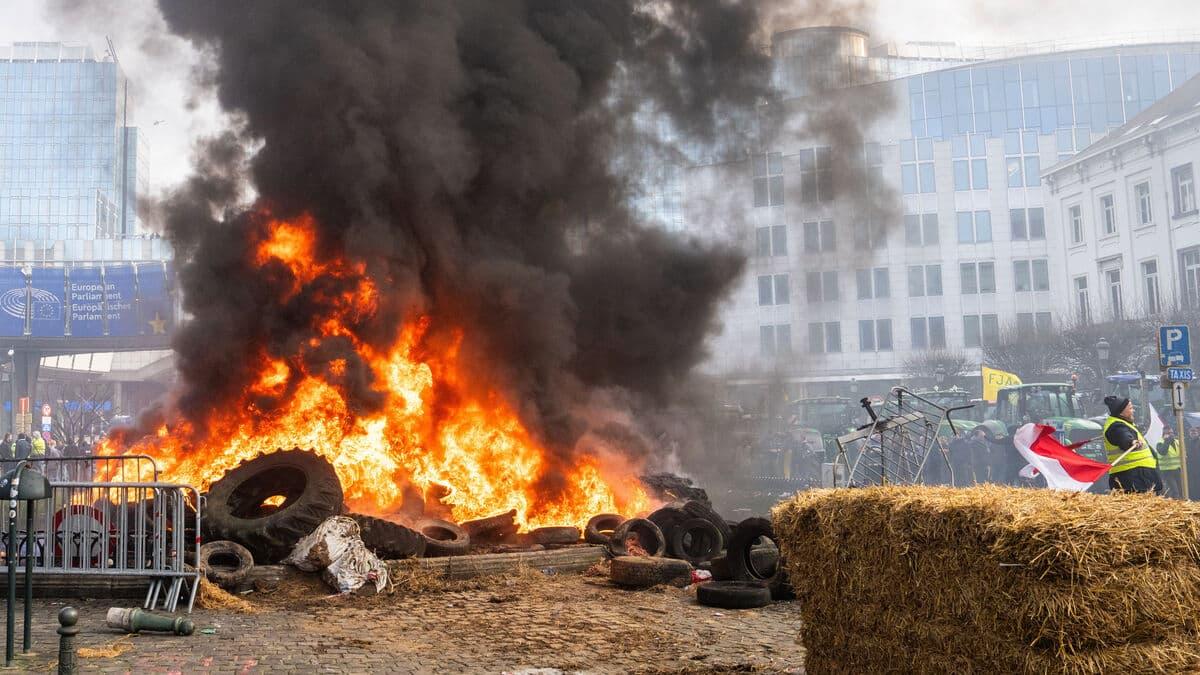
Germany and Sweden have expressed concerns about rising national contributions, while countries seeking to preserve agricultural and regional development programmes have opposed potential reductions.
These differences reflect competing national priorities as European governments face domestic financial pressures.
European Council Confirms Budget Negotiations Will Continue
In its official conclusions published on 16 October, the European Council acknowledged that leaders had discussed the updated negotiating framework without reaching a final agreement.
The Council called for further negotiations under European Council President António Costa.
Its conclusions stated that reaching an agreement before the end of 2026 would allow the necessary legislation to be adopted during 2027.
The Council stressed that this timetable is important to ensure funding reaches beneficiaries without interruption when the new financial framework begins in January 2028.
The statement underlines the urgency of resolving outstanding disagreements.
Agriculture, Regional Funding and Defence Remain Key Issues
The proposed financial framework will determine how the EU finances major programmes over the next seven years.
Agricultural subsidies and cohesion funding remain particularly sensitive because they support farmers, infrastructure and economically disadvantaged regions.
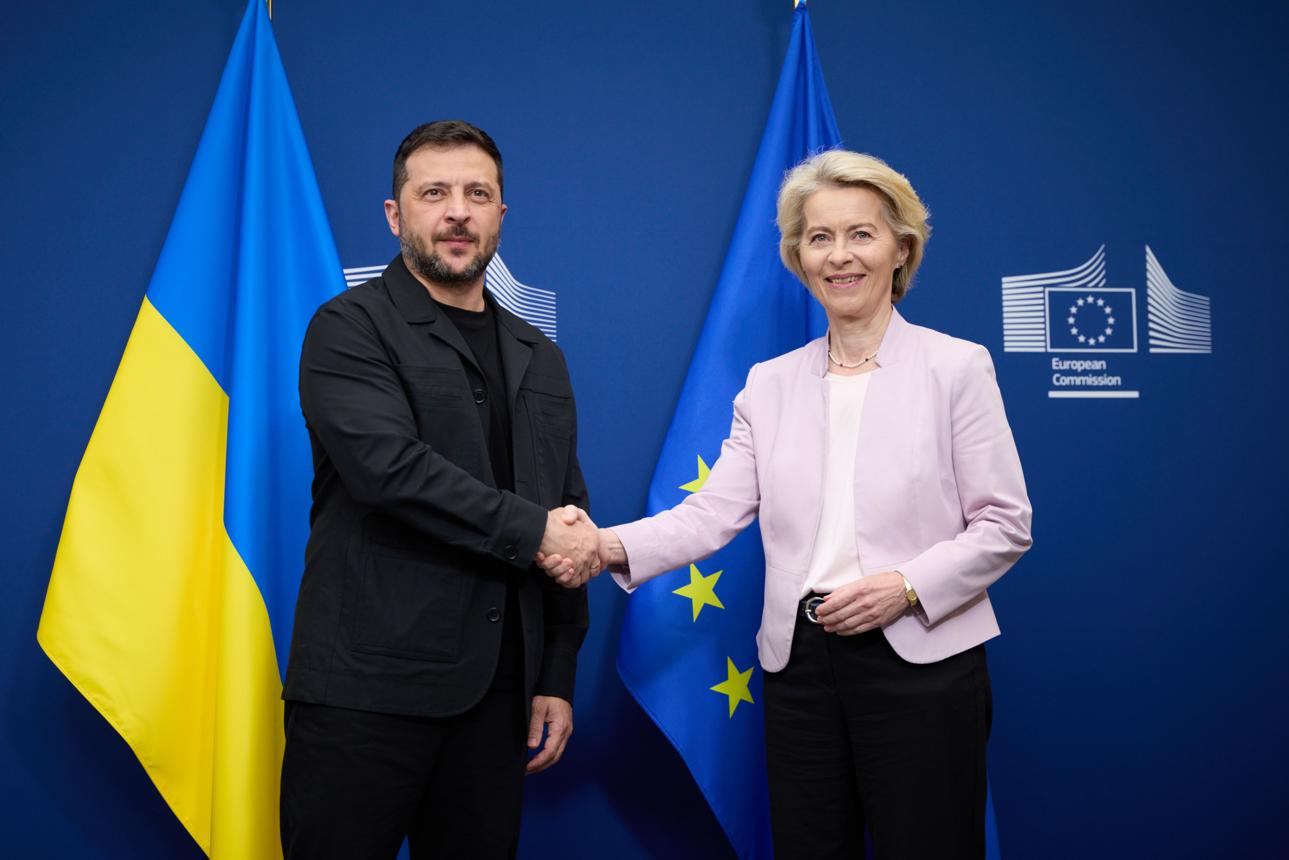
At the same time, European institutions are seeking additional resources for defence, industrial competitiveness, energy infrastructure and support for Ukraine.
Balancing these priorities has become increasingly difficult as member states assess their financial contributions.
The European Commission has argued that the next budget must provide sufficient flexibility to address emerging economic and security challenges.
Political Pressure Builds Ahead of Budget Deadline
The negotiations are also taking place ahead of national elections scheduled across several European countries in 2027.
French President Emmanuel Macron urged European leaders to reach an agreement before the end of 2026, according to Reuters, warning that future political developments could complicate negotiations.
The current EU financial framework expires at the end of 2027.
Failure to reach a timely political settlement could delay the legislative preparations required to implement new programmes from January 2028.
What Happens Next After the Brussels Summit?
European Council President António Costa will continue discussions with member states to seek a compromise on the proposed spending framework.
A special summit is scheduled for late November to advance negotiations, according to Reuters.
Leaders are working towards a political agreement before the end of the year, although the European Council has not announced a final settlement.
The outcome will influence funding for agriculture, regional development, research, infrastructure and European security.
With substantial disagreements unresolved, EU leaders face further negotiations over how to balance national budget constraints with the Union’s long-term financial commitments.