Washington, United States — February 4, 2026 (Brussels Morning Newspaper) — A new Epstein files update has revived international attention on the 2017 blockade of Qatar, adding further context to long-standing questions about regional coordination, lobbying efforts, and geopolitical maneuvering during one of the Gulf’s most serious diplomatic crises.
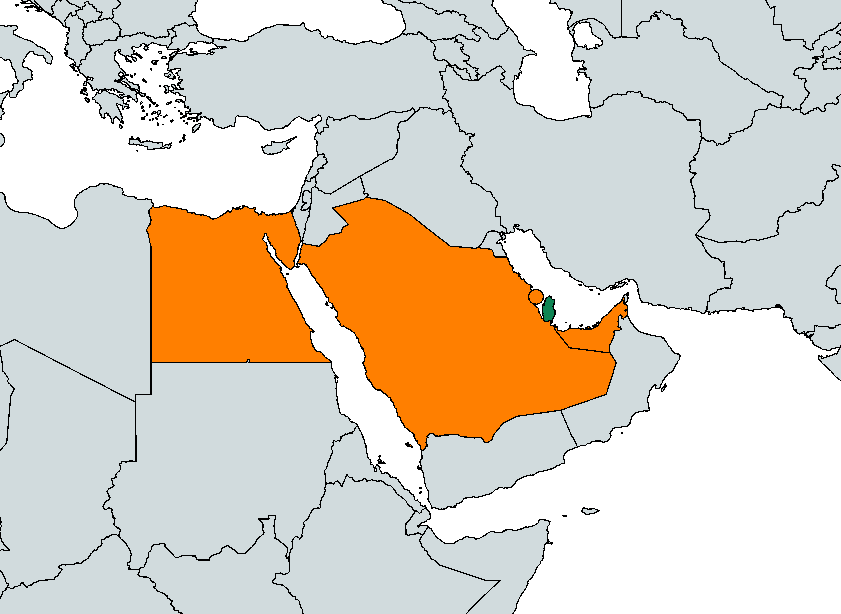
The blockade, imposed in June 2017 by Saudi Arabia, the United Arab Emirates, Bahrain, and Egypt, cut Qatar off from regional airspace, land routes, and trade. While the crisis formally ended in 2021, the latest Epstein file release has prompted analysts to reassess how the dispute unfolded behind closed doors and how global actors interpreted its objectives.
Revisiting a Defining Gulf Crisis
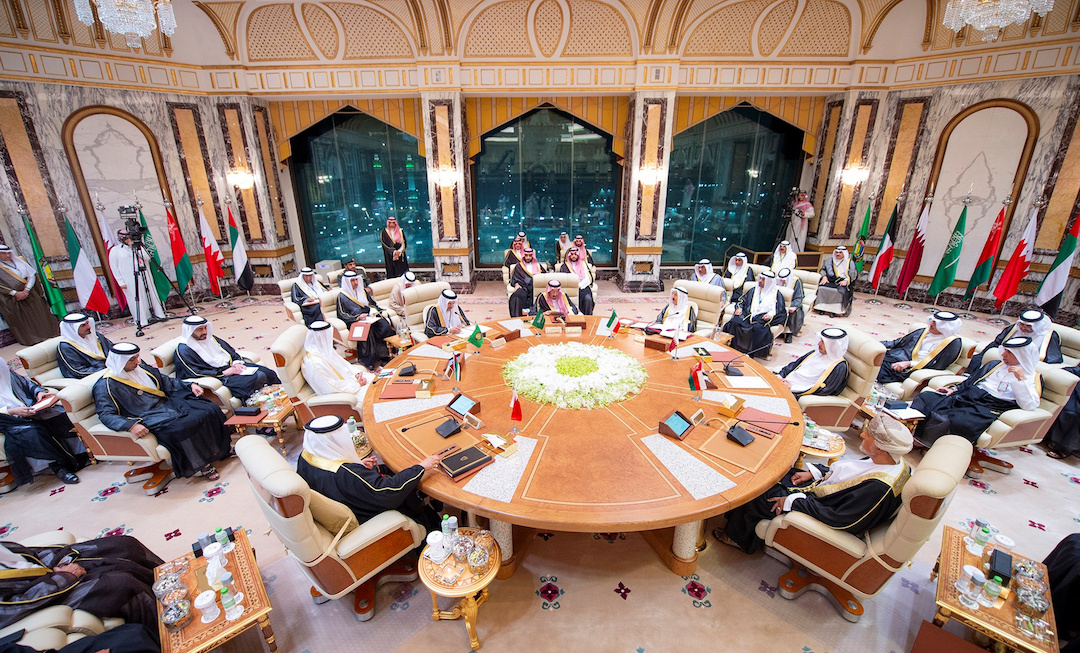
When the blockade began, it fractured the Gulf Cooperation Council and forced Qatar to rapidly adapt its economic and diplomatic strategies. The coalition accused Doha of supporting extremism and destabilizing the region, claims Qatar rejected as unfounded and politically motivated.
The current Epstein files update does not allege wrongdoing by governments. Instead, it underscores how the blockade was discussed far beyond the Gulf, reinforcing arguments that the crisis was part of a wider contest over influence, alignment, and regional leadership.
Lobbying and Narrative Building in Washington
Long before the blockade took effect, lobbying campaigns targeting U.S. policymakers were already shaping perceptions of Qatar. Leaked correspondence involving Yousef Al-Otaiba revealed extensive outreach to think tanks, media figures, and former officials.
These efforts portrayed Qatar as a destabilizing actor and advocated a tougher U.S. stance. Analysts say the Epstein file update has renewed attention on how informal influence campaigns complemented regional diplomatic pressure during the early stages of the crisis.
“What made the Qatar blockade unusual was not just the regional divide, but the scale of narrative competition in Washington,”
said a former U.S. official familiar with Gulf diplomacy.
“Policy debates were being shaped as much by private advocacy as by formal intelligence assessments.”
Regional Alignments Take Shape
The Qatar blockade coincided with a period of shifting alliances across the Middle East. The United Arab Emirates and Israel found increasing common ground on regional security issues, including opposition to Iran and skepticism toward political Islam.
Although Israel was not formally part of the blockade, Israeli officials publicly welcomed pressure on Qatar. References contained in the Epstein files update suggest that this emerging alignment was already being discussed among political and business elites well before it became official with later normalization agreements.
Epstein Correspondence and Gulf Diplomacy
The latest Epstein files update, stemming from disclosures by the U.S. Justice Department, includes correspondence in which Jeffrey Epstein commented on the Qatar blockade.
In mid-2017 exchanges, Epstein discussed Qatar’s isolation and speculated that improved relations with Israel could ease international pressure. He also described contacts with intermediaries and portrayed himself as someone familiar with regional diplomatic dynamics.
There is no evidence the correspondence influenced official policy. However, analysts say the Epstein files update highlights how the blockade was viewed as part of a broader geopolitical struggle.
Informal Networks and Elite Discussion
Experts note that major geopolitical crises are often debated well beyond official diplomatic channels. Business figures, lobbyists, and politically connected individuals routinely discuss unfolding events in ways that never appear in formal records.
The Epstein files update illustrates how the Qatar blockade became a subject of discussion within elite circles in Washington and Europe, reflecting its strategic importance.
One Middle East analyst said,
“The blockade was not only about Qatar. It was about reshaping alliances and influence across the region.”
U.S. Policy Divisions During the Blockade
The crisis exposed divisions within the United States government. Then-President Donald Trump initially appeared to endorse the blockade publicly, while other officials worked to contain its impact.
Former Secretary of State Rex Tillerson pursued de-escalation, citing concerns about regional stability and the presence of the largest U.S. military base in the Middle East at Al Udeid in Qatar.
The Epstein files update has renewed scrutiny of how mixed signals from Washington complicated early mediation efforts.
“The mixed messaging from Washington created uncertainty across the region,”
said a European diplomat involved in mediation efforts at the time.
“It delayed de-escalation and encouraged hardline positions on all sides.”
European Concerns and Mediation Efforts
European governments were also drawn into the crisis. Former German Foreign Minister Sigmar Gabriel later said European officials were warned of possible military escalation in 2017.
Those warnings triggered urgent diplomatic engagement. The Epstein file release places these concerns within a broader context of international anxiety about the blockade’s potential consequences.
Qatar’s Strategic Response
Despite the pressure, Qatar adapted quickly. Iran opened its airspace to Qatari aircraft, while Turkey expanded military cooperation and supply routes.
Doha also diversified trade, increased domestic production, and strengthened diplomatic ties. By the time the crisis ended in January 2021, Qatar had weathered the blockade without conceding to the coalition’s original demands.
History of Gulf Political Rivalries
Tensions between Qatar and its neighbors long predated 2017. Disagreements over media influence, regional movements, and foreign policy independence had surfaced repeatedly over decades.
Seen in this historical context, the Epstein files update contributes to a deeper understanding of how longstanding rivalries eventually culminated in the blockade.

A Crisis Revisited Through New Material
The Epstein files update does not rewrite the history of the Qatar blockade. Instead, it adds nuance to existing accounts by illustrating how widely the crisis was discussed and interpreted beyond official diplomacy.
Together with leaked emails and lobbying disclosures, the documents reinforce the view that the blockade was not merely a regional dispute, but part of a wider contest involving Middle East alignment, U.S. influence, and normalization dynamics.
Enduring Lessons From the Blockade
The renewed attention generated by the Epstein files update underscores how geopolitical crises continue to evolve long after they formally end. While the blockade itself is over, the questions it raised about power, influence, and informal diplomacy remain relevant.
For analysts, the Qatar blockade stands as a case study in modern geopolitics, where private correspondence, lobbying campaigns, and elite discussion intersect with state decision-making, leaving a trail that continues to surface years later.