
Damascus (Brussels Morning Newspaper) January 9, 2026 — Diplomatic talks in Damascus took place today as senior European officials met Syrian government representatives in the capital, marking a carefully managed return to direct political engagement. The meetings, held in Damascus at the start of 2026, come as European policymakers reassess their regional strategies amid shifting geopolitical realities and growing concern over prolonged instability in the Middle East.
The presence of European delegations in the Syrian capital underscored a shared recognition that years of limited contact have reduced opportunities for influence and dialogue, even as challenges linked to Syria continue to affect regional and European interests.
Years of Diplomatic Distance Shape the Current Moment
The background to Diplomatic talks in Damascus is rooted in more than a decade of strained relations between Syria and much of Europe. Following the outbreak of conflict, many European governments reduced diplomatic engagement, closed embassies, and restricted interaction to humanitarian or multilateral channels.
Over time, this approach hardened positions on both sides, limiting opportunities for communication while doing little to alter realities on the ground. Recent regional developments, however, have prompted a reassessment of whether continued disengagement best serves long term security, humanitarian, and political interests.
Strategic Aims Behind the Meetings
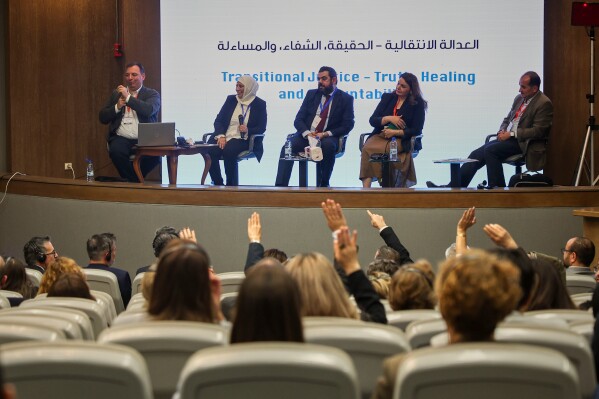
At the core of Diplomatic talks in Damascus was an effort to reestablish structured communication rather than announce immediate policy shifts. European officials focused on humanitarian access, regional security concerns, and migration pressures, while Syrian representatives emphasized sovereignty, economic hardship, and the importance of direct dialogue.
Diplomats described the exchanges as formal and measured, with each side testing the tone and scope of engagement while carefully managing expectations.
Humanitarian Conditions and Civilian Impact
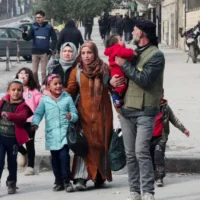
Humanitarian challenges featured prominently as Diplomatic talks in Damascus examined the daily realities facing civilians across Syria. European delegates raised questions about aid delivery, access routes, and monitoring mechanisms, stressing the need to ensure assistance reaches vulnerable populations.
Syrian officials highlighted the cumulative effects of economic strain, damaged infrastructure, and limited resources, arguing that humanitarian needs cannot be separated from broader economic conditions.
Economic Strain and Recovery Constraints
Economic realities framed much of the discussion as Diplomatic talks in Damascus unfolded amid inflation, currency volatility, and unemployment. Syrian representatives argued that social stability depends on gradual economic recovery, which remains constrained without broader international engagement.
European officials reiterated their existing policy positions while acknowledging that economic deterioration carries implications beyond Syria’s borders, influencing migration flows and regional security.
Security Concerns and Regional Stability
Security considerations were central as Diplomatic talks in Damascus addressed counter-terrorism, border management, and the risk of spillover from neighboring conflicts. European policymakers emphasized the importance of preventing renewed instability that could affect the wider Mediterranean region.
Syrian officials framed internal security as a foundation for regional calm, highlighting state capacity and coordination as essential to long term stability.
Europe’s Reassessment of Engagement Tools
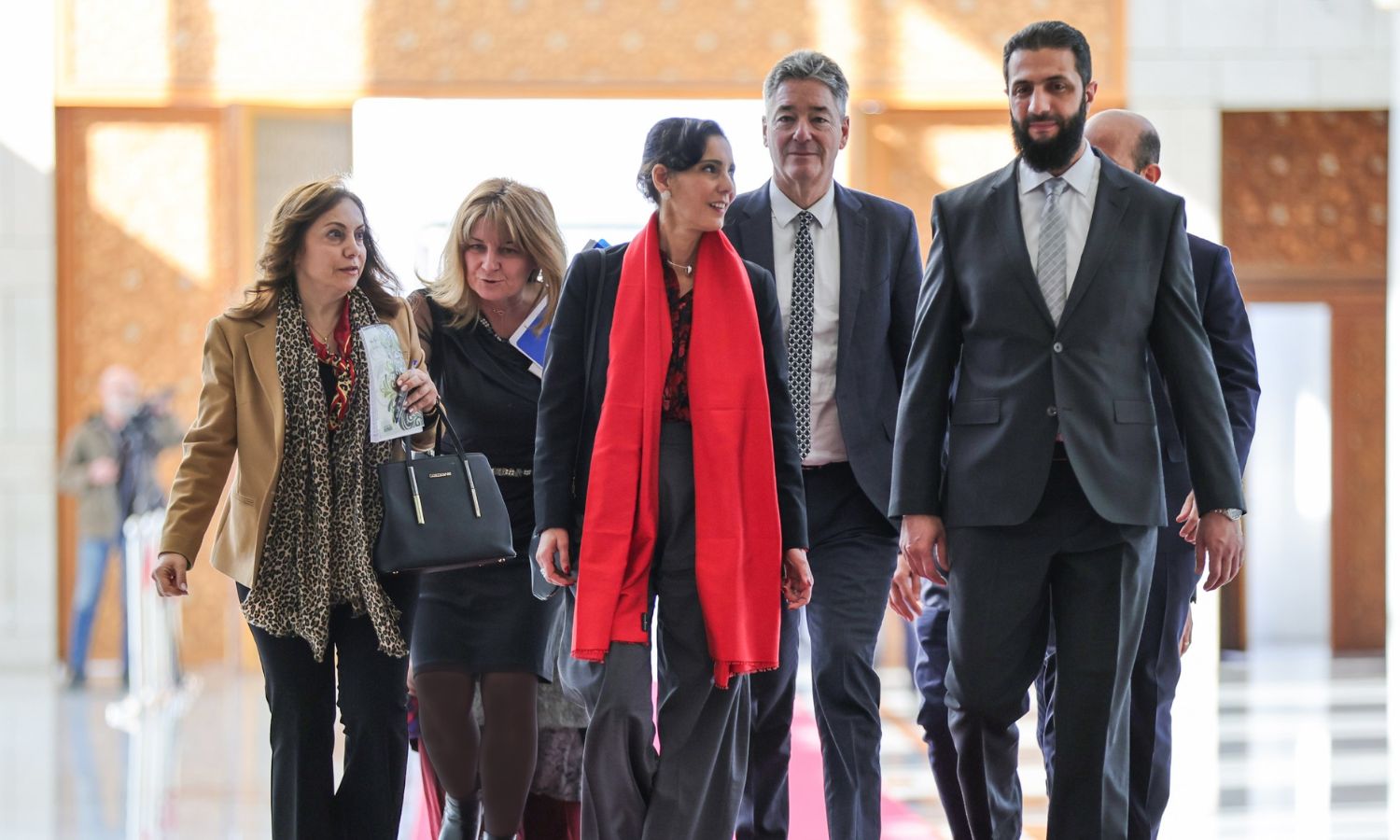
Participation in Diplomatic talks in Damascus reflects an ongoing debate within Europe about the effectiveness of long term isolation. Several European capitals are exploring whether controlled dialogue can provide greater situational awareness and risk management than continued diplomatic distance.
Officials stressed that engagement remains conditional and incremental, balancing political principles with practical considerations tied to security and humanitarian concerns.
Domestic Messaging and Political Signaling
Within Syria, Diplomatic talks in Damascus were presented as evidence of diplomatic resilience and international relevance. State aligned media emphasized sovereignty and endurance, framing the meetings as recognition that Syria remains a key actor in regional affairs.
This domestic narrative plays an important role in reinforcing public confidence while signaling openness to selective engagement with international partners.
International Reactions and Measured Responses
Global reactions to Diplomatic talks in Damascus ranged from cautious optimism to skepticism. Some analysts welcomed renewed dialogue as a pragmatic step toward managing long standing tensions, while others cautioned against interpreting symbolic engagement as a sign of imminent policy change.
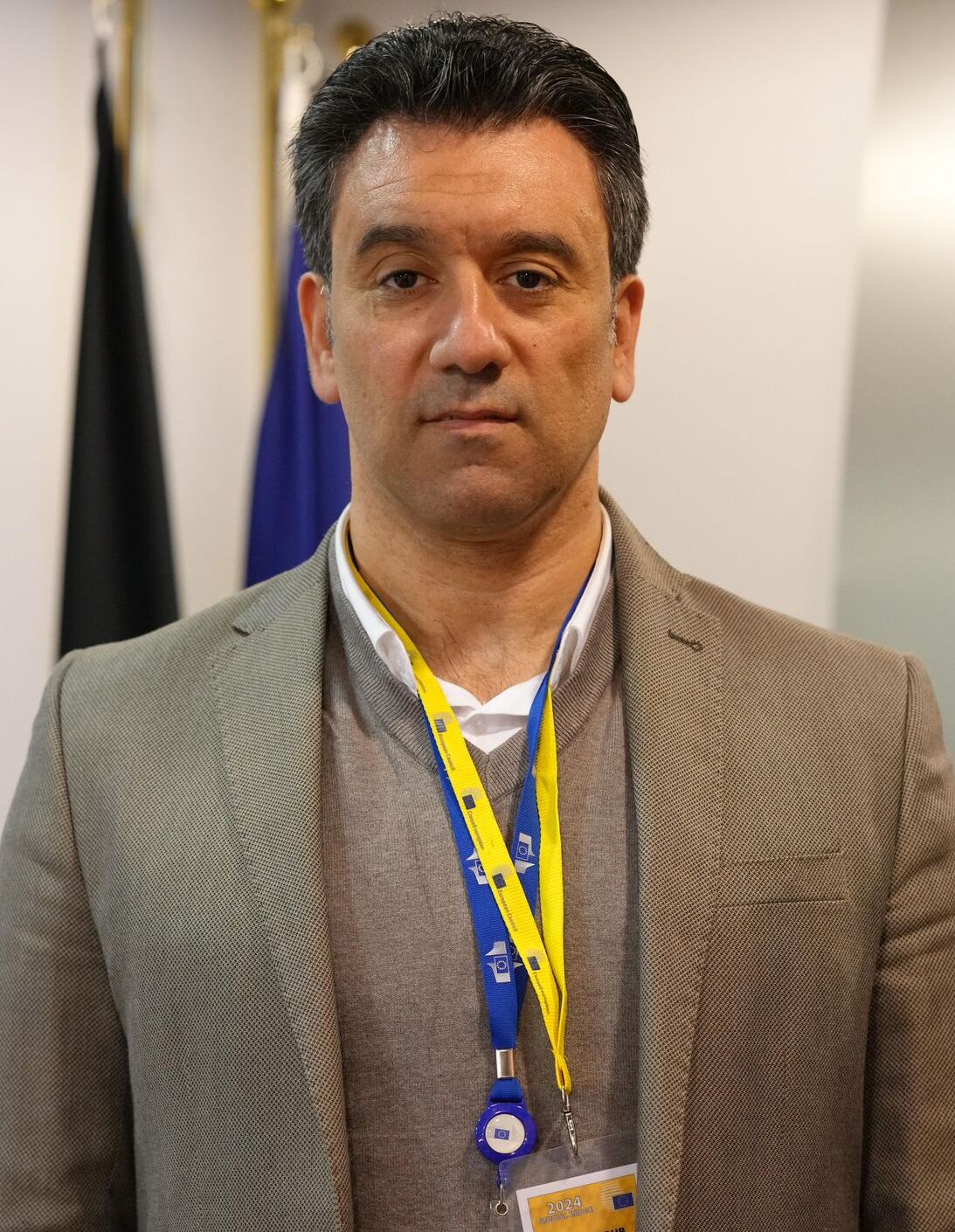
One European diplomat familiar with the discussions said,
“Dialogue is not a concession but a necessary tool to manage realities that will not disappear.”
The remark reflected the restrained tone adopted by participants.
Regional Diplomacy in a Changing Landscape
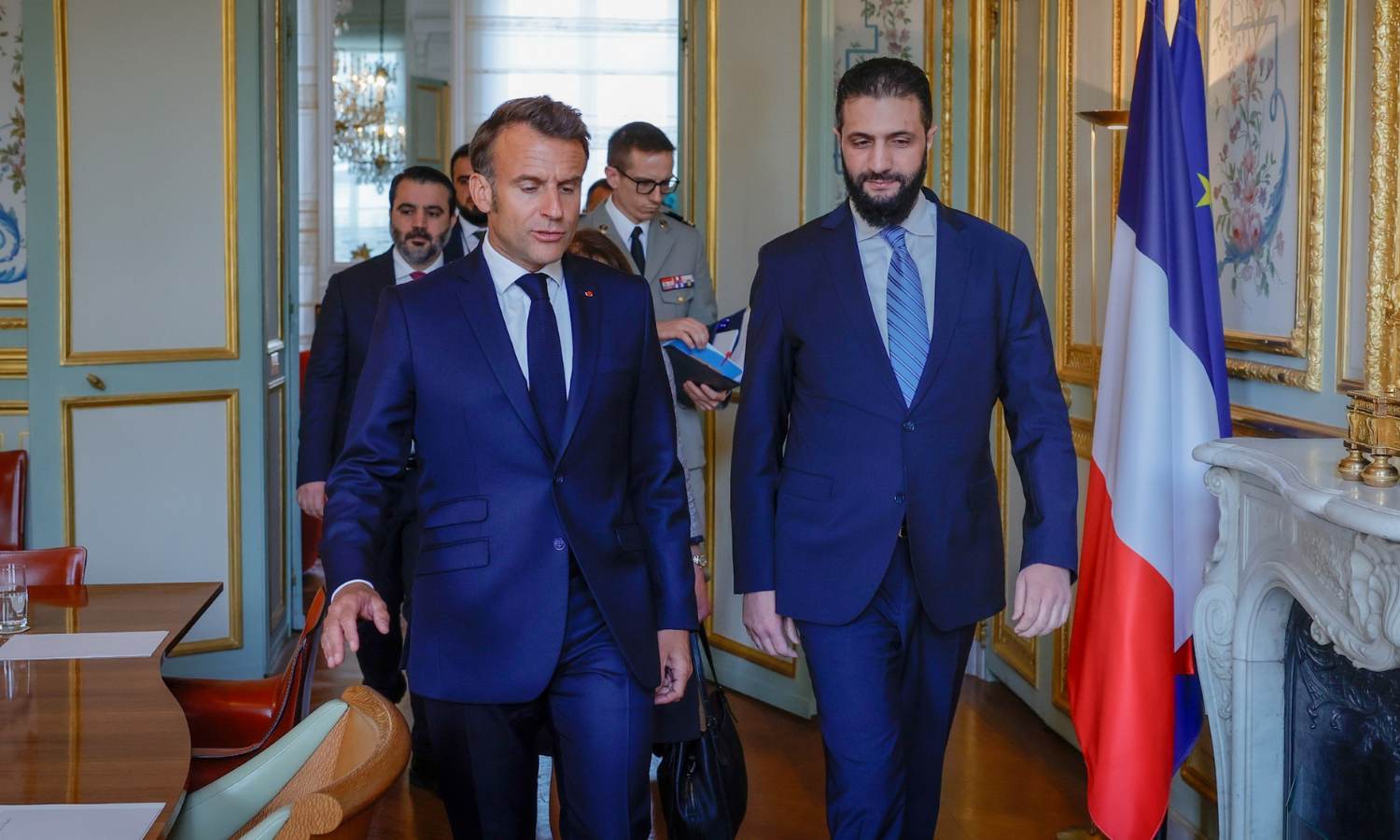
The broader environment surrounding Diplomatic talks in Damascus is shaped by shifting alliances and pragmatic recalculations across the Middle East. Several states have moved toward engagement after years of rigid positions, reflecting a preference for dialogue over prolonged stalemate.
Observers note that Syria’s reemergence in diplomatic discussions mirrors wider regional trends toward managed engagement rather than sweeping realignments.
Likely Next Steps After the Meetings
As attention turns beyond today’s discussions, Diplomatic talks in Damascus are widely viewed as an opening rather than a conclusion. Diplomats indicated that technical level contacts may follow, particularly on humanitarian coordination and confidence building measures.
Analysts caution that progress is likely to be incremental and vulnerable to external shocks, underscoring the fragile nature of renewed engagement.
Persistent Challenges to Deeper Engagement
Despite the symbolism of renewed dialogue, significant obstacles remain. Political disagreements, legal frameworks, and questions surrounding accountability continue to limit the scope of cooperation. Diplomatic talks in Damascus did not resolve these issues, but provided a forum for direct communication.
European officials emphasized continuity in policy, while Syrian representatives underscored the need for mutual respect and recognition as prerequisites for future steps.
Damascus Reenters International Diplomatic Calculations
Ultimately, Diplomatic talks in Damascus highlight how evolving geopolitical realities can reopen channels once thought closed. The January 2026 meetings place Damascus back into active diplomatic consideration, even as outcomes remain uncertain.
Rather than signaling a dramatic shift, the engagement reflects cautious pragmatism in a world defined by overlapping crises and strategic recalibration.
A Measured Step in an Ongoing Diplomatic Journey
As the immediate spotlight fades, Diplomatic talks in Damascus will be judged less by headlines than by what follows. In an era marked by uncertainty, the return of structured dialogue underscores the enduring relevance of diplomacy as a tool for managing complex international relationships.
For now, the January 9, 2026 meetings stand as a measured step forward, illustrating how diplomacy often advances through careful, incremental engagement rather than sweeping breakthroughs.