Brussels, 10 October, (Brussels Morning Newspaper) – European Union leaders are preparing for a crucial Brussels EU summit on 15–16 October, with rising energy costs, Ukraine, European defence and the bloc’s long-term budget dominating discussions. The two-day European Council meeting will bring together EU heads of state or government as Europe faces mounting economic pressures and international security challenges.
- Energy Prices and Economic Competitiveness Take Centre Stage
- António Costa Calls for Concrete European Action
- Ukraine and European Defence Remain Major Priorities
- EU Budget and Migration Policies Face Important Discussions
- Brussels Introduces Security Restrictions Around EU Institutions
- What Happens Next at the October European Council?
European Council President António Costa has identified competitiveness, migration, enlargement and developments in the Middle East among the meeting’s priorities. The gathering comes as EU governments seek coordinated responses to economic uncertainty while strengthening Europe’s strategic independence.
Energy Prices and Economic Competitiveness Take Centre Stage
Energy affordability will be a major focus of the summit, with leaders examining measures to protect European households and businesses from high energy costs.
According to the European Council’s official agenda, discussions will include targeted, temporary measures to address immediate price pressures and longer-term efforts to reduce dependence on fossil fuels.
Leaders will also review progress on the One Europe, One Market agenda, which aims to strengthen the EU’s internal market and improve economic competitiveness.
Global economic imbalances affecting European industries will feature in the discussions, particularly as businesses face international competition and uncertainty over future investment.
António Costa Calls for Concrete European Action
European Council President António Costa has emphasised the need to translate political commitments into measurable progress.
In remarks published by the European Council, Costa stated:
“We need to ensure that additional progress is made, so that the ambition at leaders’ level – and the expectations that have been raised – are matched by concrete outcomes.”
The statement reflects the emphasis on implementation ahead of the October gathering, where leaders will assess progress on existing economic commitments.
Costa has also highlighted the importance of securing agreement on the EU’s next long-term financial framework.
Ukraine and European Defence Remain Major Priorities
Ukraine will remain central to the Brussels EU summit as European leaders review continued assistance to Kyiv.
Discussions will address Ukraine’s critical infrastructure needs ahead of winter, alongside Russia-linked hybrid threats affecting European countries.
Leaders will also assess progress towards improving European defence readiness and closing important military capability gaps.
The meeting will examine Ukraine’s EU accession progress as part of wider enlargement discussions, including negotiations involving Montenegro.
EU Budget and Migration Policies Face Important Discussions
The proposed EU budget for 2028–2034 will be another major agenda item.
Known as the Multiannual Financial Framework, the budget determines the Union’s long-term spending priorities and influences funding for agriculture, research, regional development and strategic investment.
Leaders are expected to discuss the elements needed to reach an agreement by the end of 2026.
Migration policy will also receive attention, including border management, cooperation between member states and preparations for potential migration emergencies.
The Middle East will feature in discussions concerning maritime security and the protection of international supply chains.
Brussels Introduces Security Restrictions Around EU Institutions
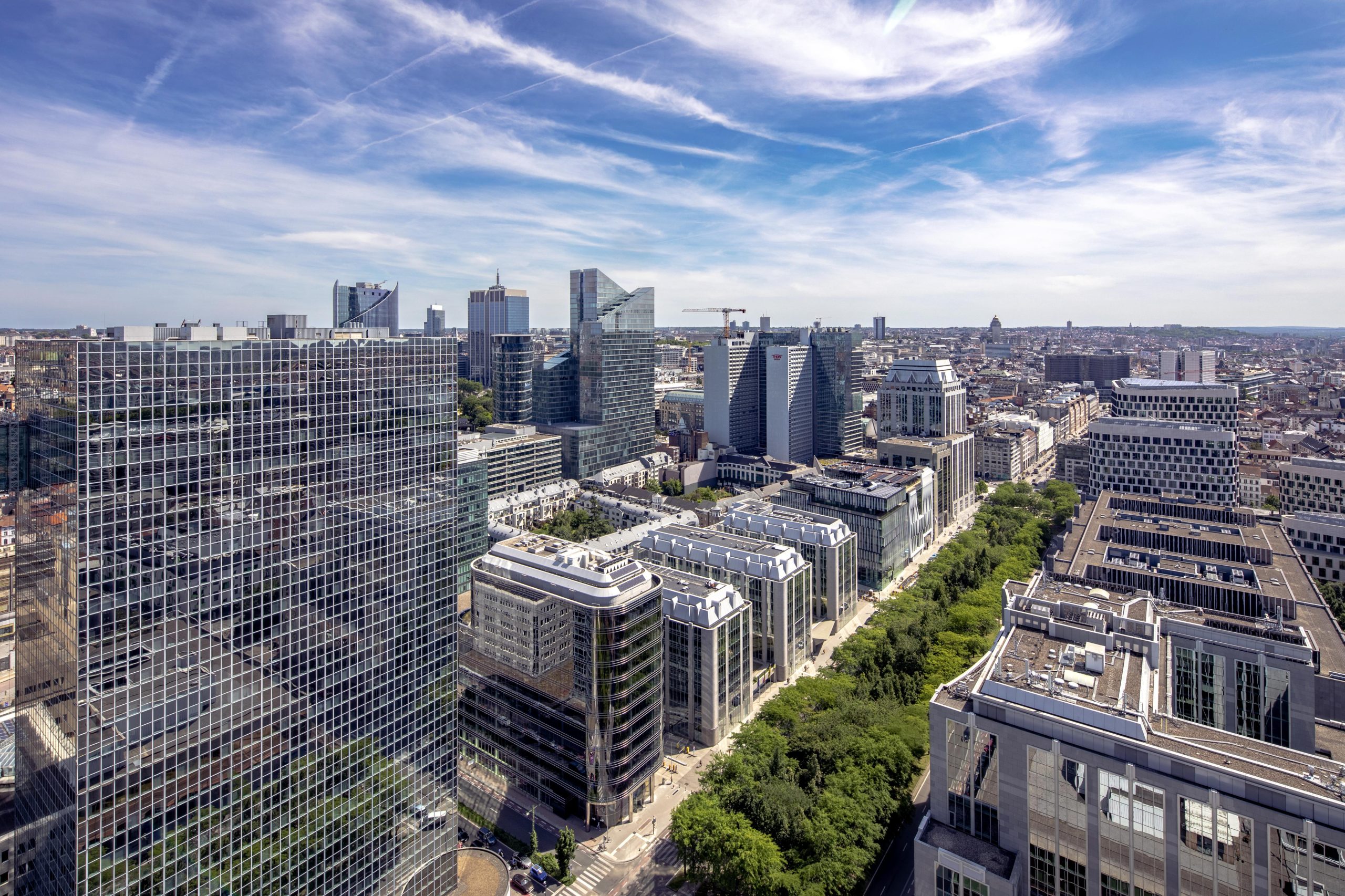
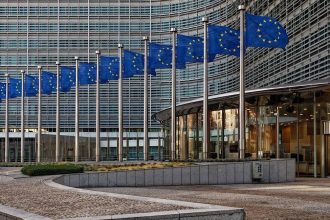
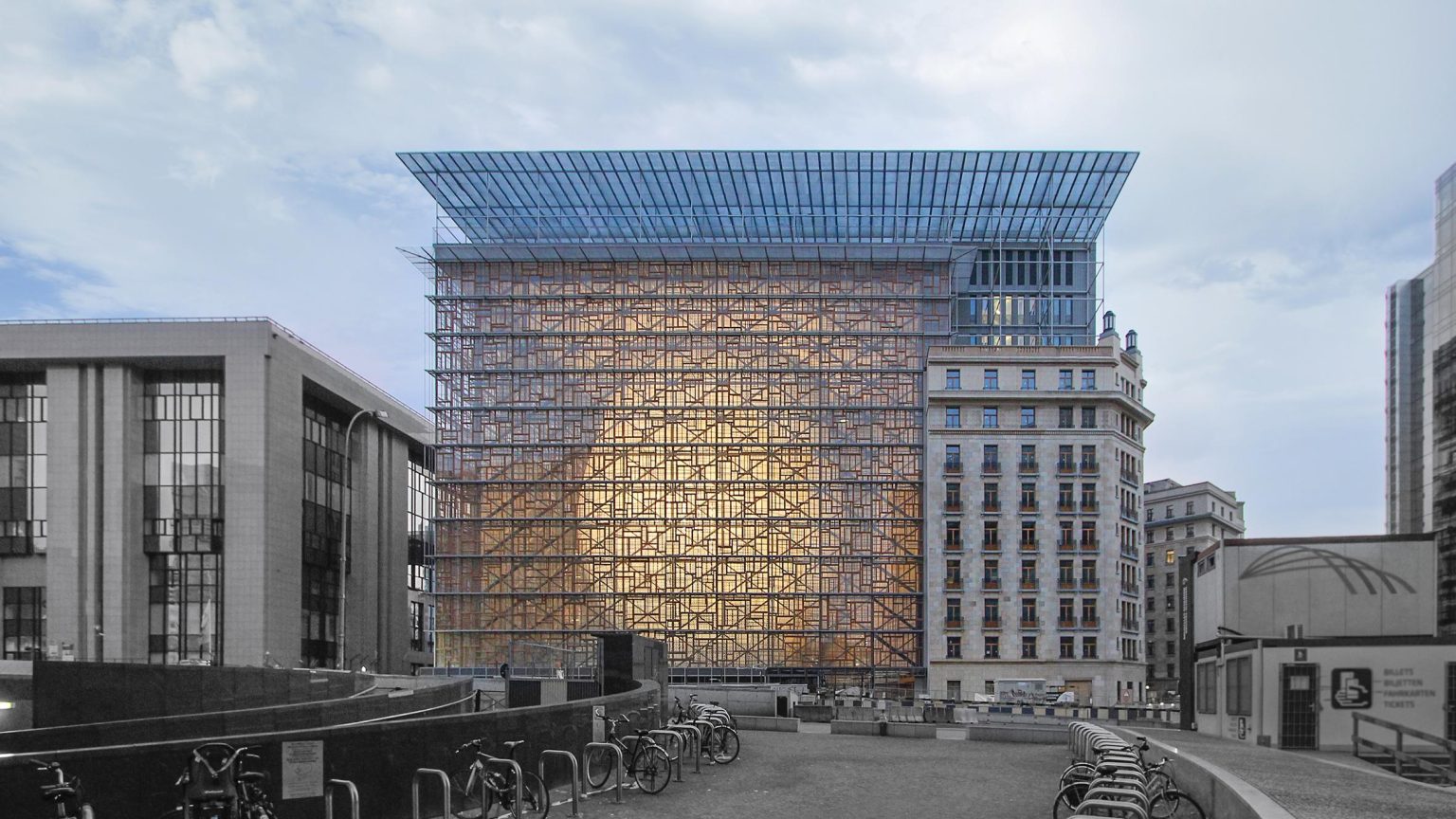
The City of Brussels has confirmed security arrangements around the Council buildings on Rue de la Loi for 15 and 16 October.
Restrictions will affect areas around Schuman roundabout and nearby streets. Only authorised individuals with the required identification and passes will be permitted to enter the designated security perimeter.
Deliveries and certain other activities will be prohibited within the restricted zone during the summit.
Residents, employees and businesses in the European Quarter may face temporary access restrictions.
What Happens Next at the October European Council?
Preparations will continue ahead of the summit, including a General Affairs Council meeting scheduled for 13 October to discuss draft European Council conclusions.
EU leaders will then meet on 15–16 October to consider the political direction of the bloc’s economic, security and budgetary priorities.
Any agreements reached could influence subsequent European Commission proposals, Council negotiations and legislative discussions involving the European Parliament.
The meeting’s final conclusions will establish which priorities receive collective political backing and which issues require further negotiations.