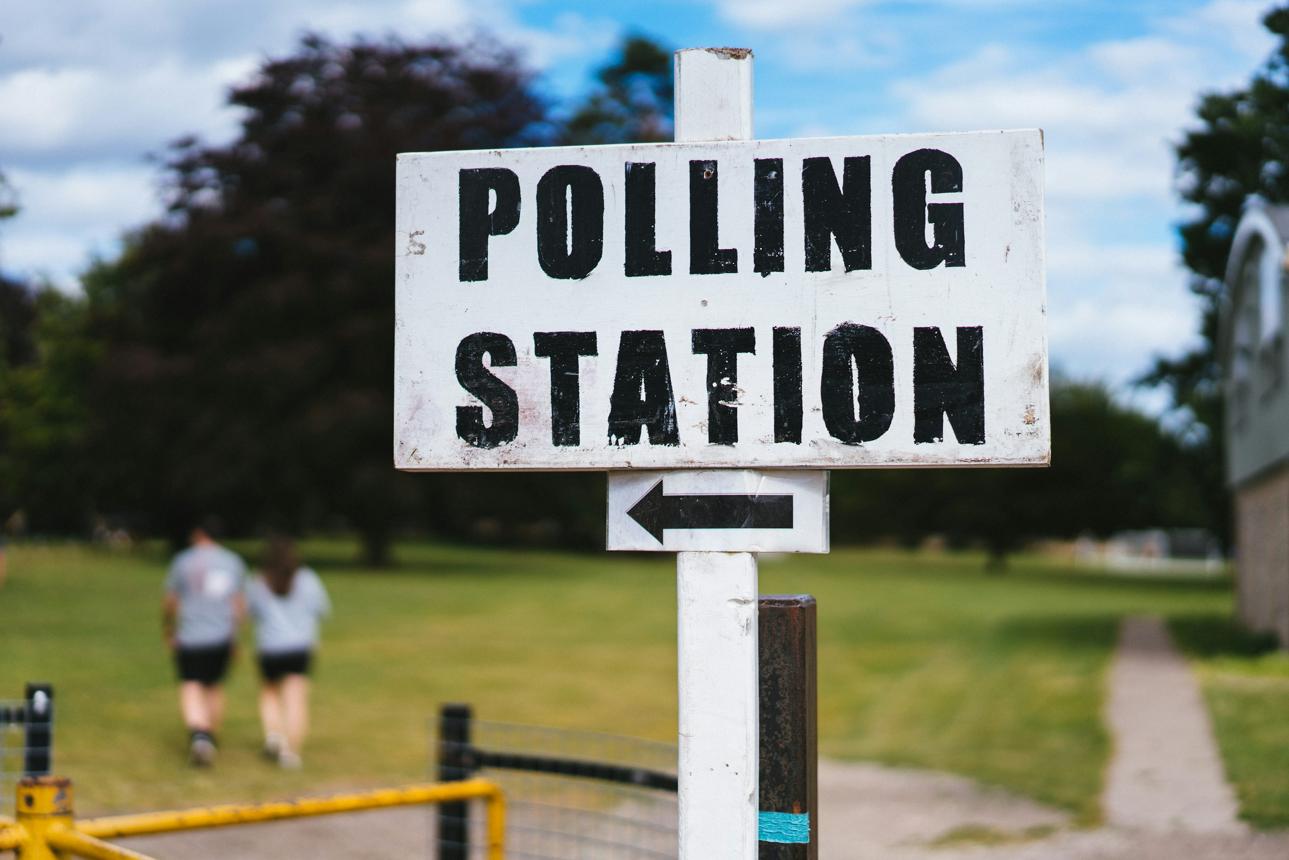
Brazil’s electoral prosecutor has told the country’s top election court that Meta, the American owner of Facebook, Instagram and WhatsApp, has not fully obeyed orders to treat Luiz Inácio Lula da Silva and Flávio Bolsonaro equally, and wants the company fined. Brazilians choose their president on Sunday.
The order is a week old. Justice Marco Aurélio Bellizze of the Superior Electoral Court barred Meta from cutting either candidate’s reach, restricting searches or removing posts in ways that tilt the runoff. The penalty is 500,000 reais, about $98,000, a day. When Meta could not show compliance, he gave it 24 hours and threatened to double the fine.
The stakes are concrete. Flávio Bolsonaro led the first round 47.08 percent to 45.11, and runoff polls sit near 51 to 49. Almost 34 million Brazilians skipped the first vote, and Lula is chasing them online. On October 9, his official Instagram account could not boost feed posts for nearly 24 hours, a restriction Meta staff acknowledged internally. In a race this tight, a day without reach is a day of campaign lost.
Meta calls these technical glitches that hit accounts worldwide. Perhaps they were. Brazil did not take the company’s word for it.
Washington should study that. The Trump administration has cast Brazil’s judiciary as the world’s leading censor, and in July 2025 the Treasury sanctioned Justice Alexandre de Moraes, accusing him of suppressing free expression. The Meta case turns that story around. Brasília is asking an American platform to apply the same rules to both candidates, and to prove it. That is a neutrality demand. Twelve days before the midterms, the United States has no institution that could make it of its own platforms.
Three gaps separate the two democracies this month.
First, a referee. Brazil’s electoral court runs the vote and rules on disputes within hours. America’s nearest equivalent, the Federal Election Commission, lost its quorum in April 2025 and was still telling federal judges this spring that it could not act. Even at full strength, it has no power over how a platform ranks a candidate’s post. Brazil has a referee with a whistle. America has an empty chair.
Second, evidence. Brazil’s court demanded detailed reports on what Meta changed, and the justice ministry has asked prosecutors for a civil action and an independent algorithm audit. An American campaign that suspects throttling has a screenshot and a hunch.
Third, who writes the rules. Under court pressure, Meta temporarily stopped recommending candidates in Brazil and barred its AI from generating their images. Whatever it applies to American candidates before November 3 will be decided at company headquarters. In Brazil the platform answers to a judge. In America it answers to itself.
The Brazilian model carries a real danger. A court that can order reach restored can also order it cut. This complaint came from the sitting president’s campaign, which has since taken its grievance to the UN and federal police. An incumbent using courts to police how far his rival’s posts travel would alarm any American, left or right, and it should.