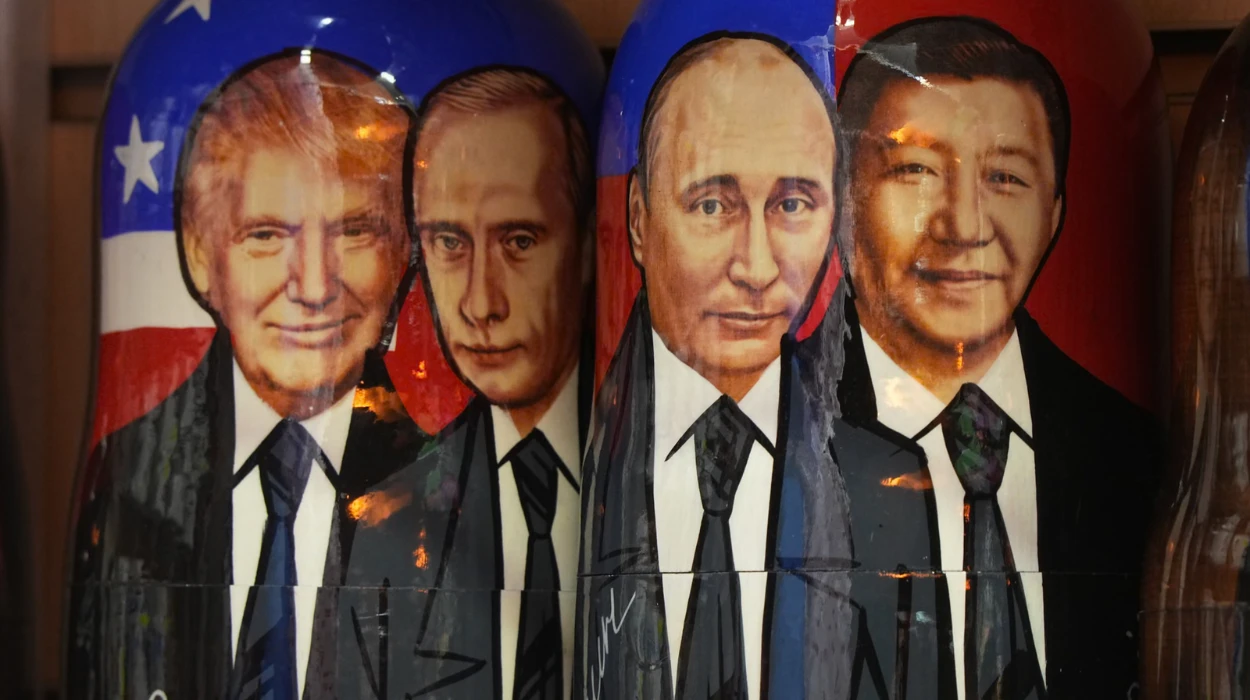
Washington (Brussels Morning Newspaper) October 24, 2026 – US diplomatic engagements in Saint Petersburg, combined with policy discussions surrounding a proposed tripartite summit involving Washington, Moscow, and Beijing, have signaled a potential realignment of global security frameworks. Recent high-level discussions regarding European security, Middle Eastern military exercises, and bilateral economic agreements have drawn varied responses from international allies and lawmakers. The White House continues to emphasize national interest and diplomatic resolution, while international observers evaluate the implications for regional security alliances.
Escalating Diplomatic Activity and High-Level Engagements
High-level diplomatic contacts between the United States and foreign capitals have intensified in recent weeks, marked by significant bilateral exchanges and proposed multilateral discussions. US Special Envoy Steve Witkoff met with Russian President Vladimir Putin in Saint Petersburg to discuss humanitarian matters and broader peace frameworks regarding the ongoing conflict in Ukraine. The meeting resulted in the release of Stephen Hubbard, a 74-year-old American citizen who had been detained in Russia. During the exchange, public statements regarding diplomatic efforts and humanitarian cooperation drew widespread coverage across international news outlets.
Concurrently, reports have emerged regarding a proposal for a unprecedented tripartite summit involving the leadership of the United States, Russia, and China. Kremlin officials indicated an openness to resumed negotiations and high-level dialogue subject to discussions on security guarantees. While formal confirmations and dates remain unfinalized, the prospect of a direct conference between the three powers has initiated global discussion concerning international governance and regional spheres of influence.
Evolving Foreign Policy Frameworks and Allied Reactions
The recent diplomatic developments reflect themes outlined in updated White House strategic frameworks, which place primary emphasis on direct national interest and economic considerations. In key national strategy documentation, foreign interventions are evaluated through the lens of direct threats to domestic security, with an explicit focus on economic dominance and bilateral negotiation.
The strategic posture has drawn diverse reactions from traditional foreign allies across Europe and East Asia. European leaders have expressed concerns over security guarantees along NATO’s eastern flank and the ongoing conflict in Ukraine. In East Asia, officials in Taiwan, South Korea, Japan, and Australia continue to monitor developments regarding maritime control, trade stability, and regional security arrangements amidst shifting power dynamics involving Beijing.
Security Adjustments and Regional Defense Dynamics
Beyond diplomatic talks, military and logistical postures in key international theaters have seen strategic adjustments. In the Middle East, joint military exercises with regional partners have been accompanied by shifts in diplomatic staffing, prompting ongoing assessments regarding security operations in the area.
In Eastern Europe, civilian infrastructure across Ukrainian cities continues to face severe operational pressures from ongoing missile and drone strikes targeting energy networks. European Union members have convened extraordinary sessions to discuss defense funding mechanisms, energy grid support, and aid packages intended to maintain stability in regional energy markets.
Economic Alliances, Supply Chains, and Global Trade
The shifting geopolitical alignment carries major implications for international commerce, critical supply chains, and technology platforms. Bilateral economic discussions have increasingly focused on fossil fuel trade, critical mineral access, and the governance of emerging technological infrastructure. Commercial partnerships involving energy commodities—such as refined fuel shipments and maritime trade routes—continue to be negotiated under updated bilateral agreements.
As discussions around a potential three-way dialogue progress, global financial institutions and international coalitions are assessing potential changes to supply chain security, space commercialization, and multilateral economic alliances. Government officials, lawmakers, and international diplomats continue to closely monitor these developments to determine the future trajectory of international relations and global stability.