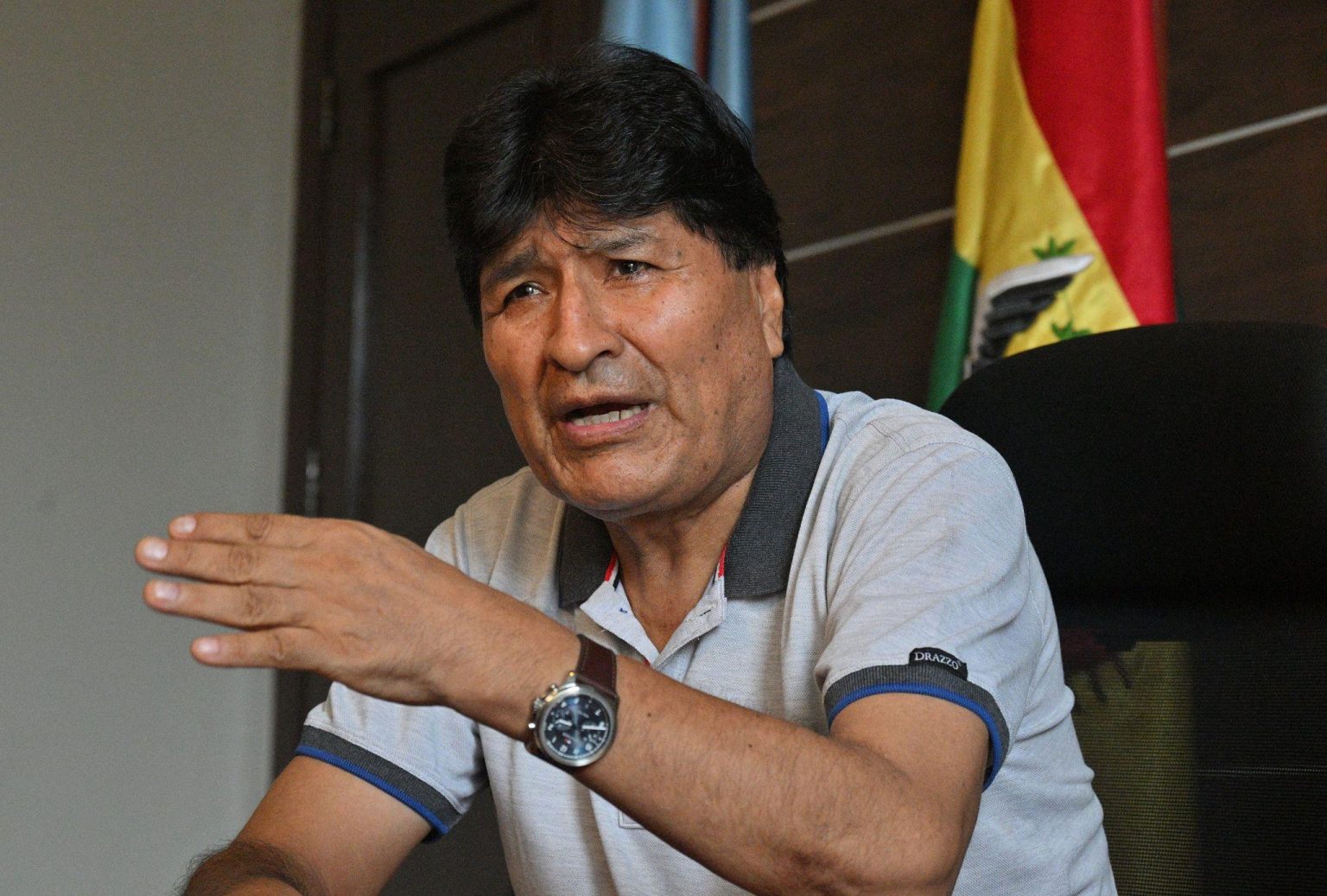
LA PAZ, Bolivia – May 11, 2026 – Brussels Morning Newspaper — Bolivia justice systems are facing renewed international scrutiny after former President Evo Morales failed to appear for a scheduled court hearing tied to an ongoing trafficking-related investigation.
- Evo Morales Remains a Divisive Political Figure
- Bolivia Justice Systems Face International Attention
- Supporters Claim Political Motivation Behind Case
- Opposition Leaders Defend Court Actions
- Political Instability Concerns Continue Growing
- Public Reaction Dominates Social Media
- Bolivia Faces Another Political Test
Judicial authorities formally declared Morales in contempt following his absence, escalating political tensions across Bolivia and reigniting debates over the independence and credibility of the country’s legal institutions.
The courtroom development quickly became one of the most discussed political stories in South America, with supporters of Morales accusing the government of political persecution while opposition figures argued the courts are simply enforcing the rule of law.
The case has placed Bolivia’s judiciary at the center of a growing national confrontation involving politics, public trust, and institutional accountability.
Evo Morales Remains a Divisive Political Figure
Morales continues to be one of Bolivia’s most influential and controversial political figures years after leaving office. His supporters view him as a defender of indigenous rights and economic nationalism, while critics accuse him of damaging democratic institutions during his presidency.
The latest courtroom controversy has deepened those divisions.
Authorities stated that Morales had been legally ordered to attend the hearing and failed to comply with the court directive. Judges then moved forward with contempt proceedings, increasing pressure surrounding the broader investigation.
One political analyst described the situation as
“a dangerous moment for Bolivia’s already polarized political climate.”
That statement spread rapidly across media outlets and social platforms as public debate intensified nationwide.
Bolivia Justice Systems Face International Attention
The Bolivia justice systems discussion has expanded beyond domestic politics and is now attracting attention from international observers monitoring democratic stability across Latin America.
Legal experts say politically sensitive cases involving former national leaders often test the credibility of judicial institutions. In Bolivia’s case, critics on both sides are questioning whether the legal process is fully independent or politically influenced.
Supporters of the court action insist Bolivia’s judiciary must prove that no political figure stands above the law. Morales allies, however, argue the timing and intensity of the proceedings raise concerns about selective enforcement.
International organizations are expected to continue monitoring developments closely as the case progresses through Bolivia’s courts.
Supporters Claim Political Motivation Behind Case
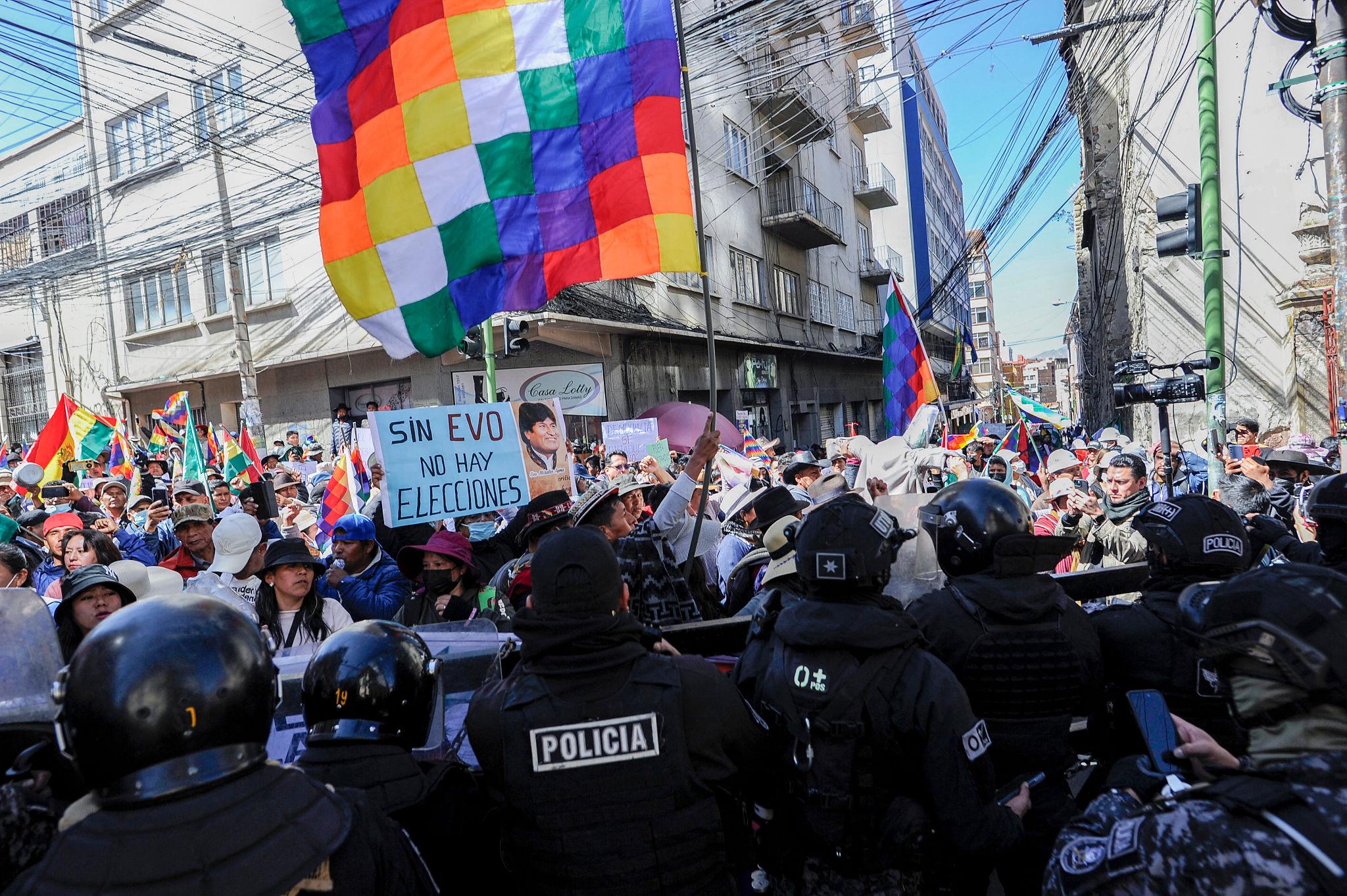
Morales supporters strongly rejected the contempt ruling and accused political opponents of using the judiciary to weaken his influence ahead of future political battles.
Demonstrations supporting the former president emerged in several regions, with activists criticizing what they called judicial overreach and political targeting.
Many supporters argue Morales remains a symbol of resistance for rural and indigenous communities that benefited from his years in power.
The legal controversy has therefore evolved into more than a courtroom dispute. It now represents a broader struggle over political power and the future direction of Bolivia.
Opposition Leaders Defend Court Actions
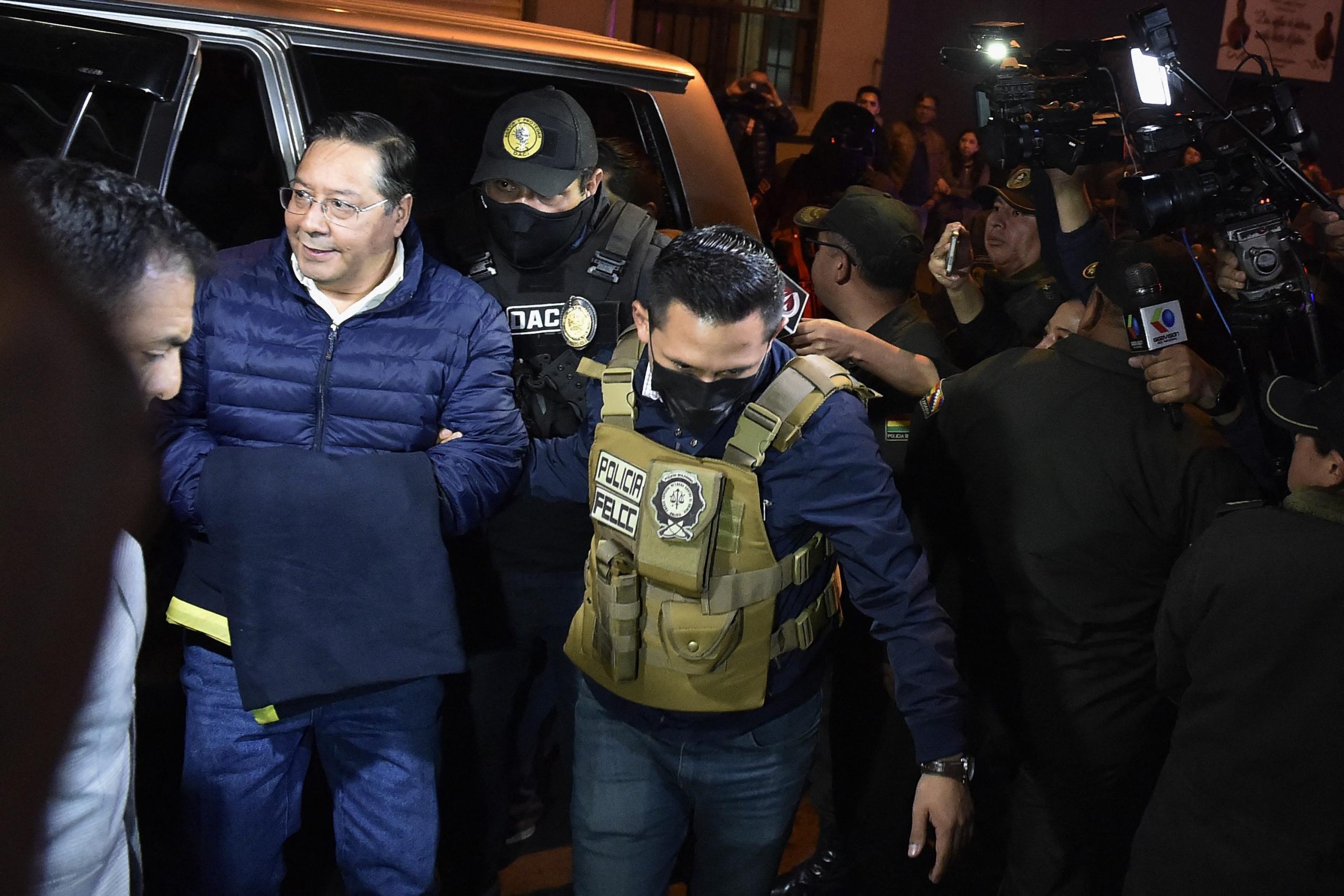
Opposition leaders defended the judiciary’s response and argued that Bolivia’s institutions must remain firm regardless of the defendant’s political background.
Several lawmakers stated that allowing high-profile political figures to ignore court orders would weaken public confidence in national institutions.
Critics of Morales also argued that transparency and cooperation with investigators are essential for preserving democratic credibility.
The confrontation has intensified public debate over whether Bolivia’s courts can operate independently during politically explosive cases involving former presidents and influential national figures.
Political Instability Concerns Continue Growing
The latest controversy arrives during a period of ongoing political and economic uncertainty in Bolivia.
Business groups and international observers are watching carefully for signs that escalating tensions could trigger protests, institutional instability, or economic disruption.
Analysts warn that prolonged conflict surrounding the Morales case may deepen divisions within Bolivia’s political system and reduce public confidence in government institutions.
The Bolivia justice systems debate has therefore become part of a larger national conversation about governance, accountability, and democratic stability.
Public Reaction Dominates Social Media
Social media platforms across Bolivia were flooded with reactions after news of the contempt ruling became public.
Supporters portrayed Morales as the victim of political persecution, while critics argued the judiciary must enforce the law equally against all citizens.
Trending discussions focused heavily on trust in Bolivia’s courts, political polarization, and the future of Morales’ influence within the country.
The controversy also sparked broader conversations throughout Latin America regarding judicial independence and political accountability in democratic societies.
Bolivia Faces Another Political Test
The contempt ruling against Evo Morales has intensified scrutiny of Bolivia’s legal institutions at a time when political tensions remain high throughout the country.
For supporters of Morales, the case represents political retaliation against a former leader who still commands strong national support. For critics, it is a test of whether Bolivia’s courts are willing to enforce accountability without political favoritism.
Regardless of the final outcome, the controversy has already placed Bolivia justice systems under a powerful international spotlight in 2026.
As legal proceedings continue, Bolivia now faces another critical moment that could shape public trust, political stability, and the future direction of the nation’s democratic institutions.