
Brussels Morning Newspaper reports that the Aleppo crisis has re emerged as a central issue on the global diplomatic agenda, with renewed international efforts aimed at reducing tensions and preventing further humanitarian decline in northern Syria. In 2026, shifting regional dynamics and growing fatigue with prolonged instability have created conditions in which two major foreign powers may be positioned to mediate or help bring an end to the long running Aleppo crisis, a conflict that has shaped the fate of Aleppo for more than a decade.
The renewed focus reflects a broader recognition that unresolved conflict in Aleppo continues to undermine prospects for national recovery in Syria, while also threatening regional stability. As diplomatic channels quietly reopen, policymakers and analysts alike are assessing whether this moment represents a genuine opportunity for de escalation or merely another pause in a deeply entrenched struggle.
Aleppo’s Historical and Strategic Significance
Aleppo has long been one of the Middle East’s most important commercial and cultural centers. Before the war, it served as an industrial powerhouse and a gateway linking Syria to regional trade routes. The outbreak of conflict transformed the city into a symbol of devastation, resilience, and geopolitical rivalry.
The Aleppo crisis is deeply tied to the city’s strategic location. Situated near key transport corridors and borders, Aleppo has been fought over by a range of local and external actors. Control of the city has carried military, economic, and symbolic weight, making it a focal point throughout the conflict.
Even today, the legacy of these battles continues to shape daily life. Neighborhoods remain scarred by destruction, infrastructure repair is uneven, and economic recovery has been slow. These realities underscore why Aleppo remains central to any broader attempt to stabilize Syria.
The Evolution of the Aleppo Crisis
The Aleppo crisis did not emerge overnight. It evolved through multiple phases, from intense urban warfare to fragile ceasefires and shifting front lines. Each phase left lasting consequences for the population, including mass displacement, loss of livelihoods, and psychological trauma.
Over time, external involvement deepened. Foreign powers pursued competing interests, often using Aleppo as leverage in wider regional calculations. While periods of calm emerged, they were frequently disrupted by renewed clashes or political deadlock.
By 2026, however, the situation has entered a different phase. Large scale fighting has subsided compared to earlier years, but the absence of a comprehensive political settlement has left the city in a state of prolonged uncertainty. This fragile equilibrium is now prompting renewed diplomatic engagement.
Two Foreign Powers and Their Potential Role
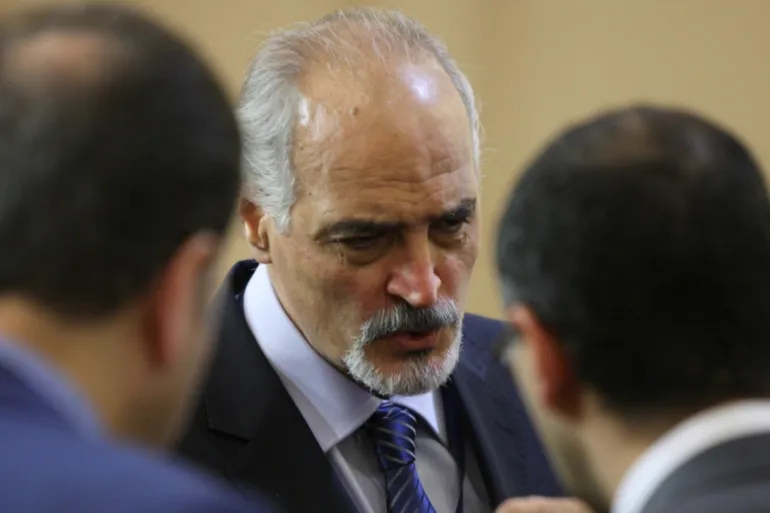
Diplomatic sources suggest that two influential foreign powers with longstanding involvement in Syria are now reassessing their approach to the Aleppo crisis. Both possess significant leverage through military presence, political relationships, and economic influence.
Their potential mediation is driven less by idealism than by pragmatism. Prolonged instability has proven costly, limiting economic opportunities and increasing the risk of unintended escalation. Coordinated engagement offers a way to protect strategic interests while reducing the likelihood of renewed conflict.
while skepticism remains about whether these powers can align their objectives, recent signals indicate a willingness to explore confidence building measures. These may include localized ceasefires, security guarantees, and support for humanitarian access.
Humanitarian Conditions on the Ground
Despite reduced fighting, the humanitarian situation remains one of the most pressing dimensions of the Aleppo crisis. Millions of residents continue to face shortages of basic services, including electricity, clean water, and healthcare.
Hospitals operate under strain, schools struggle with limited resources, and many families rely on humanitarian aid to meet daily needs. Reconstruction has been uneven, with some districts showing signs of recovery while others remain largely abandoned.
One humanitarian worker described the situation succinctly, saying that
“stability without recovery leaves people surviving, not living,”
a sentiment that captures the gap between security improvements and meaningful quality of life gains.
Economic Struggles and Social Impact
Economic hardship is a defining feature of the Aleppo crisis in 2026. Years of conflict, sanctions, and disrupted trade have left businesses struggling to reopen and unemployment stubbornly high.
Small manufacturers and traders, once the backbone of Aleppo’s economy, face rising costs and limited access to capital. Inflation has eroded purchasing power, making basic goods increasingly unaffordable for many households.
These pressures have social consequences. Young people face limited prospects, fueling frustration and migration. Families rely heavily on remittances, while informal economies fill gaps left by weakened state institutions.
Regional Implications of the Aleppo Crisis
The Aleppo crisis extends far beyond Syria’s borders. Neighboring countries remain concerned about the potential for renewed displacement, cross border insecurity, and the spread of illicit trade.
European policymakers also monitor developments closely, mindful of past refugee flows that reshaped domestic politics across the continent. Stability in Aleppo is increasingly viewed as a prerequisite for reducing long term migration pressures.
This regional dimension adds urgency to mediation efforts. Diplomatic engagement is no longer framed solely as a Syrian issue, but as a broader test of conflict management in a volatile region.
Military Realities and Security Challenges
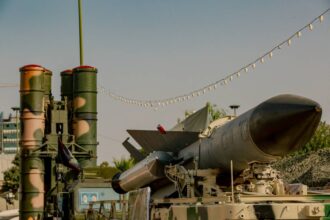
While diplomacy gains momentum, military realities continue to shape the boundaries of what is possible. Various armed groups remain active in and around Aleppo, and foreign forces maintain a presence that reflects unresolved strategic competition.
The challenge for mediators lies in translating political agreements into enforceable security arrangements. Without credible monitoring and enforcement mechanisms, ceasefires risk collapse.
Security experts argue that incremental steps, rather than sweeping agreements, may offer the most realistic path forward. These could include demilitarized zones, joint patrols, or third party observation missions.
International Diplomacy and Quiet Negotiations
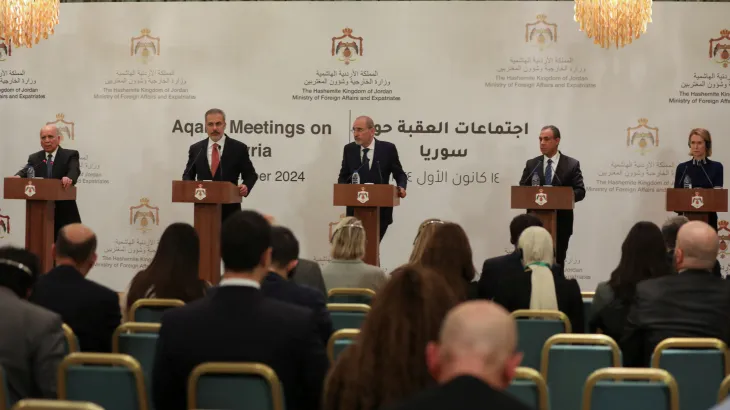
Much of the current diplomatic activity surrounding the Aleppo crisis is taking place behind closed doors. Quiet negotiations allow parties to explore compromises without the pressure of public scrutiny.
International organizations have played a supporting role, facilitating dialogue and coordinating humanitarian access. While their influence is limited, they provide neutral platforms for engagement.
This low profile approach reflects lessons learned from earlier efforts, where high profile initiatives often collapsed under the weight of competing narratives and unrealistic expectations.
The Role of Humanitarian Access
Humanitarian access remains both a priority and a bargaining point in discussions over the Aleppo crisis. Aid organizations emphasize the need for predictable corridors and reduced bureaucratic barriers.
Improved access could build trust among parties while delivering tangible benefits to civilians. It may also serve as an entry point for broader confidence building measures.
However, aid delivery remains vulnerable to political shifts and security incidents, underscoring the need for durable arrangements rather than ad hoc solutions.
Public Sentiment Inside Aleppo
For residents of Aleppo, diplomatic developments are often met with cautious skepticism. Years of broken promises have eroded trust in political processes.
Many prioritize practical improvements over abstract negotiations. Reliable electricity, affordable food, and access to healthcare matter more than declarations of progress.
At the same time, there is quiet hope that sustained mediation could prevent a return to large scale violence. This fragile optimism reflects a population exhausted by conflict but wary of disappointment.
Media Coverage and Information Gaps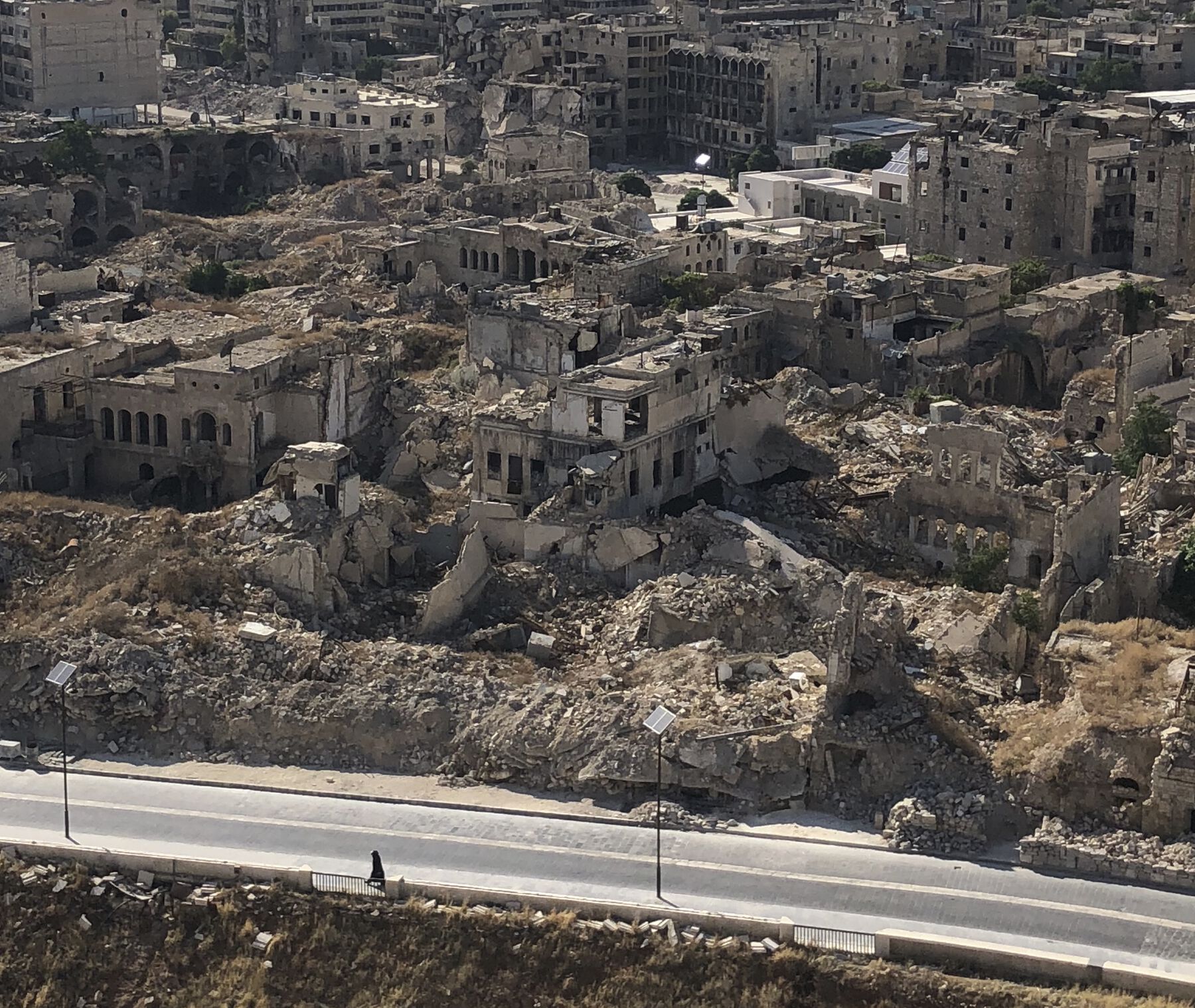
Coverage of the Aleppo crisis has fluctuated over time, often intensifying during periods of violence and fading during lulls. This pattern has contributed to information gaps and public fatigue.
Renewed diplomatic efforts risk receiving limited attention unless they produce visible results. Analysts warn that sustained international engagement requires consistent coverage that highlights both challenges and incremental progress.
Balanced reporting can help counter misinformation and ensure that civilian perspectives remain central to the narrative.
Prospects for De Escalation in 2026
Looking ahead, 2026 may represent a critical juncture for the Aleppo crisis. The convergence of diplomatic interest, humanitarian urgency, and regional pragmatism creates a narrow but meaningful window for progress.
Success will depend on sustained commitment from foreign powers, realistic expectations, and inclusion of local voices. Short term fixes are unlikely to address deep rooted grievances.
Incremental DE escalation, coupled with economic and humanitarian support, offers the most plausible path toward stability.
Risks and Obstacles Ahead
Despite cautious optimism, significant risks remain. Shifting alliances, domestic political pressures, and external shocks could derail negotiations.
Economic constraints may limit reconstruction efforts, while unresolved political questions continue to cast a shadow over long term peace.
Managing these risks requires patience, coordination, and a willingness to accept imperfect outcomes in pursuit of gradual improvement.
The Broader Meaning of Aleppo’s Future
The outcome of the Aleppo crisis carries symbolic weight beyond the city itself. Aleppo has come to represent both the devastation of modern warfare and the resilience of civilian populations.
A credible path toward stability would signal that even deeply entrenched conflicts can move toward DE escalation through pragmatic diplomacy.
Failure, by contrast, would reinforce cynicism and prolong suffering for millions.
A Fragile but Meaningful Opportunity
The possibility that two foreign powers could mediate or help resolve the Aleppo crisis represents a fragile but meaningful opportunity. It reflects a growing recognition that continued instability serves no one’s long term interests.
For Aleppo’s residents, success would mean more than the absence of fighting. It would open the door to recovery, dignity, and a future shaped by opportunity rather than survival.
Whether this moment leads to lasting change remains uncertain. What is clear is that Aleppo’s fate continues to matter deeply, not only for Syria but for a region still searching for stability after years of upheaval.