Gaza Strip, June 13 – Brussels Morning Newspaper — Middle East conflict impact remains a major concern as ongoing instability continues affecting families, communities, and economies throughout the region. Humanitarian organizations, governments, and international institutions are closely monitoring developments as the Middle East conflict impact extends beyond immediate security concerns and influences daily life for millions of people.
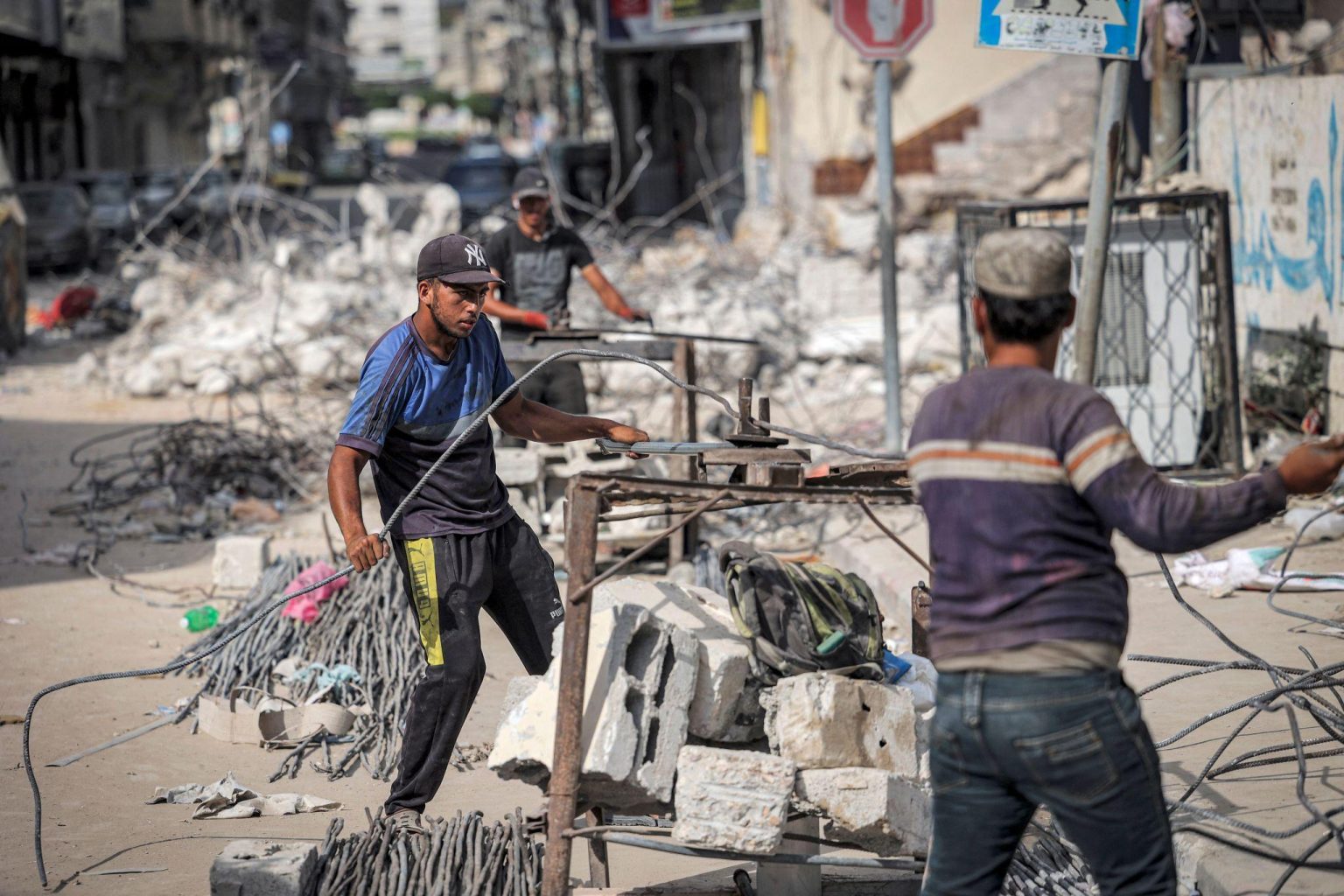
The humanitarian consequences of the Middle East conflict impact remain among the most visible challenges. Displacement, infrastructure damage, and disruptions to essential services have created difficulties for families seeking stability and access to basic necessities. Aid groups continue working to provide assistance while emphasizing the need for long-term solutions that support recovery and resilience.
Economic conditions have also been influenced by the Middle East conflict impact. Businesses operating in affected areas often face uncertainty related to transportation, investment, and supply chains. Analysts note that prolonged instability can affect employment opportunities and economic growth, creating additional challenges for communities already coping with difficult circumstances.
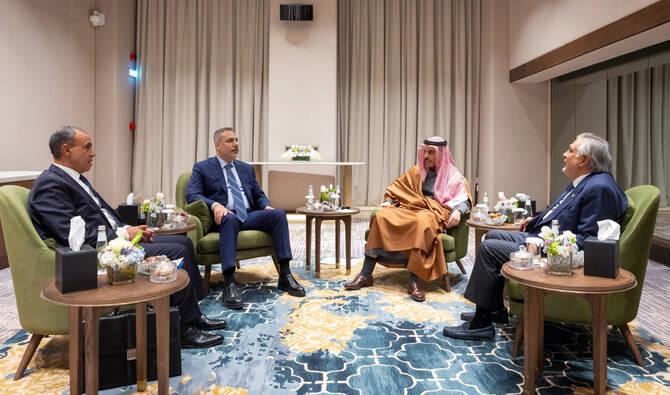
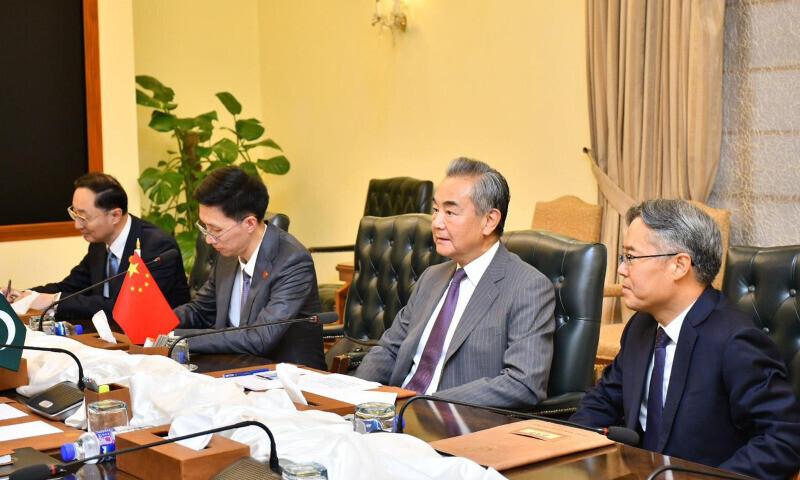
The Middle East conflict impact is also evident in regional diplomacy. Governments continue engaging in discussions aimed at reducing tensions, encouraging dialogue, and promoting stability. Diplomatic initiatives remain a central part of efforts to address ongoing challenges and prevent further escalation.
Education and healthcare systems have faced pressures associated with the Middle East conflict impact. Schools, hospitals, and public services in some areas have experienced disruptions that affect both short-term operations and long-term development goals. Humanitarian agencies continue highlighting the importance of maintaining access to these essential services.
One regional affairs expert recently stated:
“The true cost of conflict is often measured in its long-term effects on ordinary families and communities.”
The observation reflects the broader reality of the Middle East conflict impact, which frequently extends far beyond political and military developments. Families separated by displacement, children experiencing interrupted education, and communities facing economic hardship represent some of the most significant consequences.
International organizations continue evaluating ways to reduce the Middle East conflict impact through humanitarian assistance, reconstruction support, and diplomatic engagement. Many policymakers argue that coordinated international efforts can help address immediate needs while supporting long-term recovery initiatives.
Energy markets and global trade networks also monitor the Middle East conflict impact closely due to the region’s strategic importance. Geopolitical developments can influence market sentiment, transportation routes, and broader economic conditions, attracting attention from investors and policymakers worldwide.
Looking ahead, experts expect the Middle East conflict impact to remain an important topic in international discussions. Efforts to improve humanitarian conditions, strengthen regional stability, and encourage economic recovery are likely to continue shaping policy decisions and diplomatic initiatives.
As governments and organizations work toward solutions, the Middle East conflict impact remains a reminder of the far-reaching consequences of prolonged instability. While challenges persist, ongoing humanitarian and diplomatic efforts continue seeking opportunities to improve conditions for affected populations.
The continuing Middle East conflict impact highlights the importance of balancing immediate relief efforts with long-term strategies designed to promote stability, recovery, and sustainable development throughout the region. Communities affected by conflict continue demonstrating resilience while international stakeholders remain focused on supporting pathways toward a more stable future.