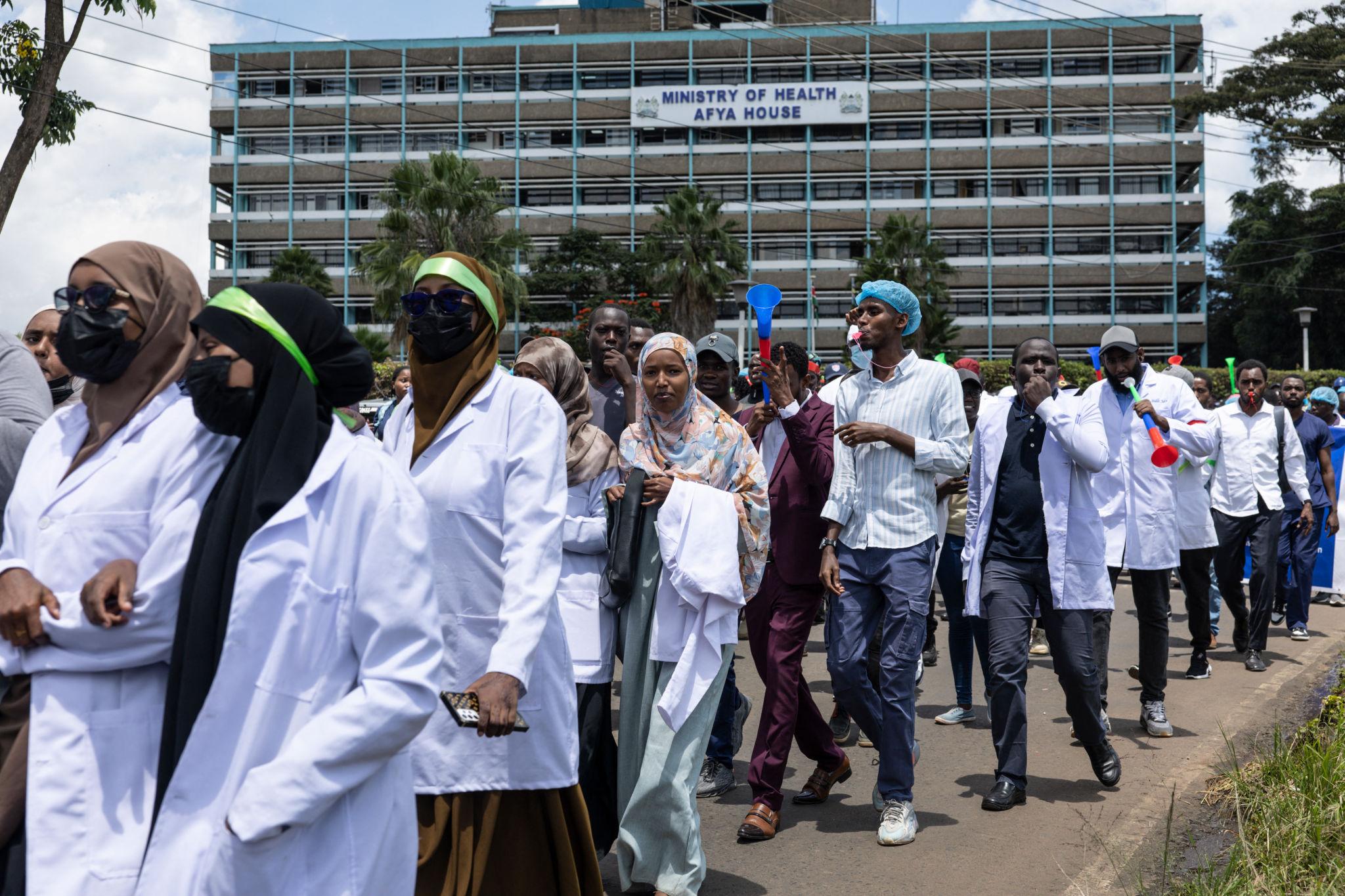
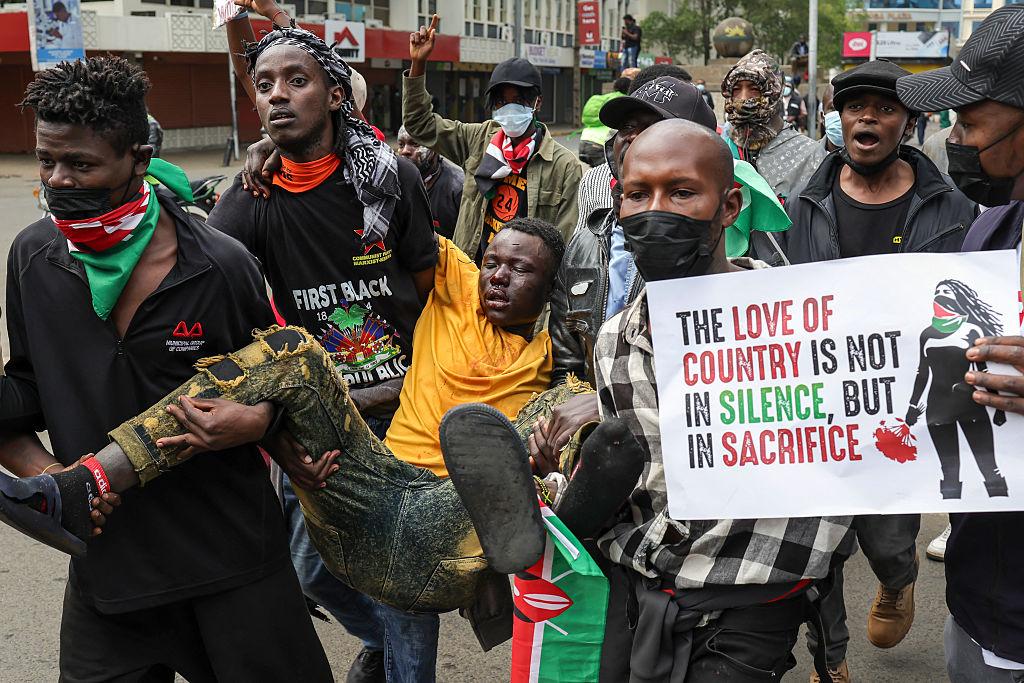
NAIROBI, Kenya, June 9 – Brussels Morning Newspaper — Disease outbreak preparedness became the focus of public debate after Kenyan police used tear gas to disperse demonstrators protesting a proposed United States-supported Ebola quarantine facility. The incident has sparked national discussion about public health planning, government transparency, and community involvement in major healthcare projects.
Authorities said the facility is intended to strengthen emergency response capabilities and improve readiness for future infectious disease threats. Protesters, however, argued that residents deserve more information about the project’s purpose, safety measures, and long-term impact on surrounding communities.
The demonstrations attracted attention across Kenya as health officials and community leaders offered differing perspectives on the proposed development.
Public Concerns Emerge Over Proposed Facility
The proposed quarantine center is part of broader efforts to improve regional health security and emergency response capabilities. Officials have emphasized that the project is designed to support disease monitoring, isolation procedures, and outbreak management should future health emergencies occur.
Despite those assurances, many residents expressed concerns about the location of the facility and the level of consultation that occurred before plans became public.
Community representatives called for greater transparency and requested detailed information regarding safety protocols, environmental protections, and operational oversight.
The controversy highlights the growing importance of public engagement when governments introduce large-scale healthcare infrastructure projects.
Authorities Defend Health Security Measures
Government officials continue to support the project, arguing that investments in disease outbreak preparedness are necessary in an increasingly interconnected world where infectious diseases can spread rapidly across borders.
Health experts note that preparedness facilities play an important role in containing potential outbreaks before they affect larger populations. Similar facilities exist in numerous countries and are considered a standard component of emergency public health planning.
Officials stressed that the proposed center would operate under strict safety standards and international health guidelines designed to protect both workers and surrounding communities.
Supporters argue that strengthening health infrastructure today can reduce risks and improve response times during future emergencies.
Police Intervention Draws Attention
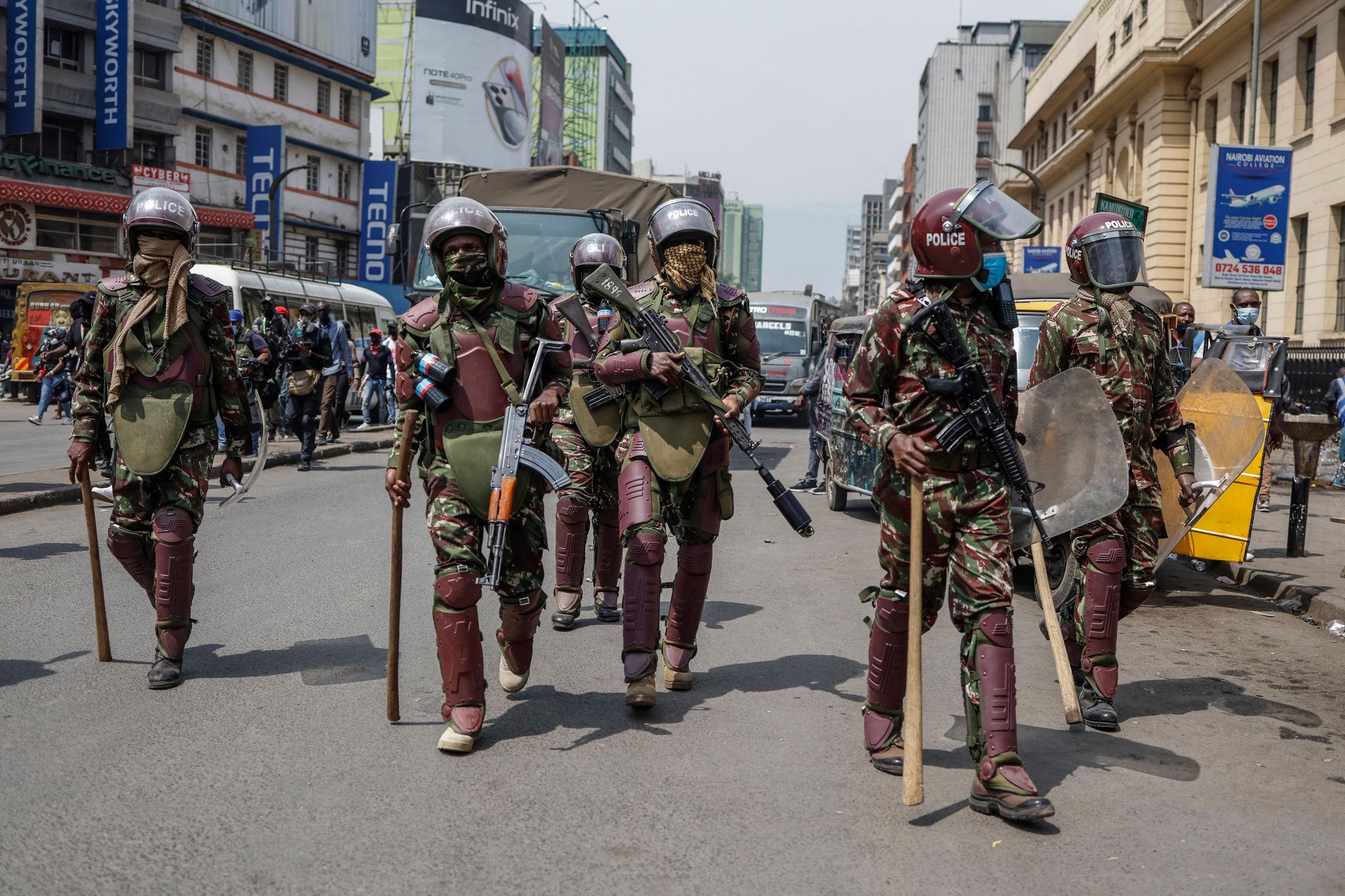
As crowds grew during the demonstrations, police moved to clear protest areas and restore traffic flow. Security forces eventually deployed tear gas after protesters reportedly refused orders to disperse.
The police response quickly became a major focus of public discussion, with some community groups criticizing the use of force while authorities defended their actions as necessary to maintain public order.
Observers noted that the protest reflected broader concerns about how major policy decisions are communicated to the public.
One resident participating in the demonstration said,
“People want clear answers about projects that may affect their communities and their future.”
The statement captured the concerns of many protesters seeking greater involvement in the decision-making process.
Disease Preparedness Remains a Global Priority
Public health specialists continue to stress that disease outbreak preparedness remains a critical priority for governments worldwide. Recent global health emergencies have demonstrated the importance of rapid detection systems, isolation facilities, and coordinated response strategies.
Kenya’s position as a major transportation and economic hub in East Africa makes preparedness planning especially significant. Health officials argue that strengthening infrastructure can help protect both national and regional populations from future outbreaks.
International organizations have repeatedly encouraged countries to invest in prevention and preparedness rather than waiting until crises emerge.
As a result, governments across Africa and beyond are evaluating ways to improve healthcare resilience and emergency response capabilities.
Debate Expected to Continue
The discussion surrounding the proposed quarantine facility is likely to continue in the coming months as officials engage with community leaders and residents. Analysts believe public trust will depend largely on transparency, communication, and opportunities for meaningful public participation.
While supporters view the project as a necessary investment in public health security, critics continue to seek additional information and assurances regarding its implementation.
The debate reflects a broader challenge facing governments worldwide: balancing public health preparedness with community concerns and public confidence.