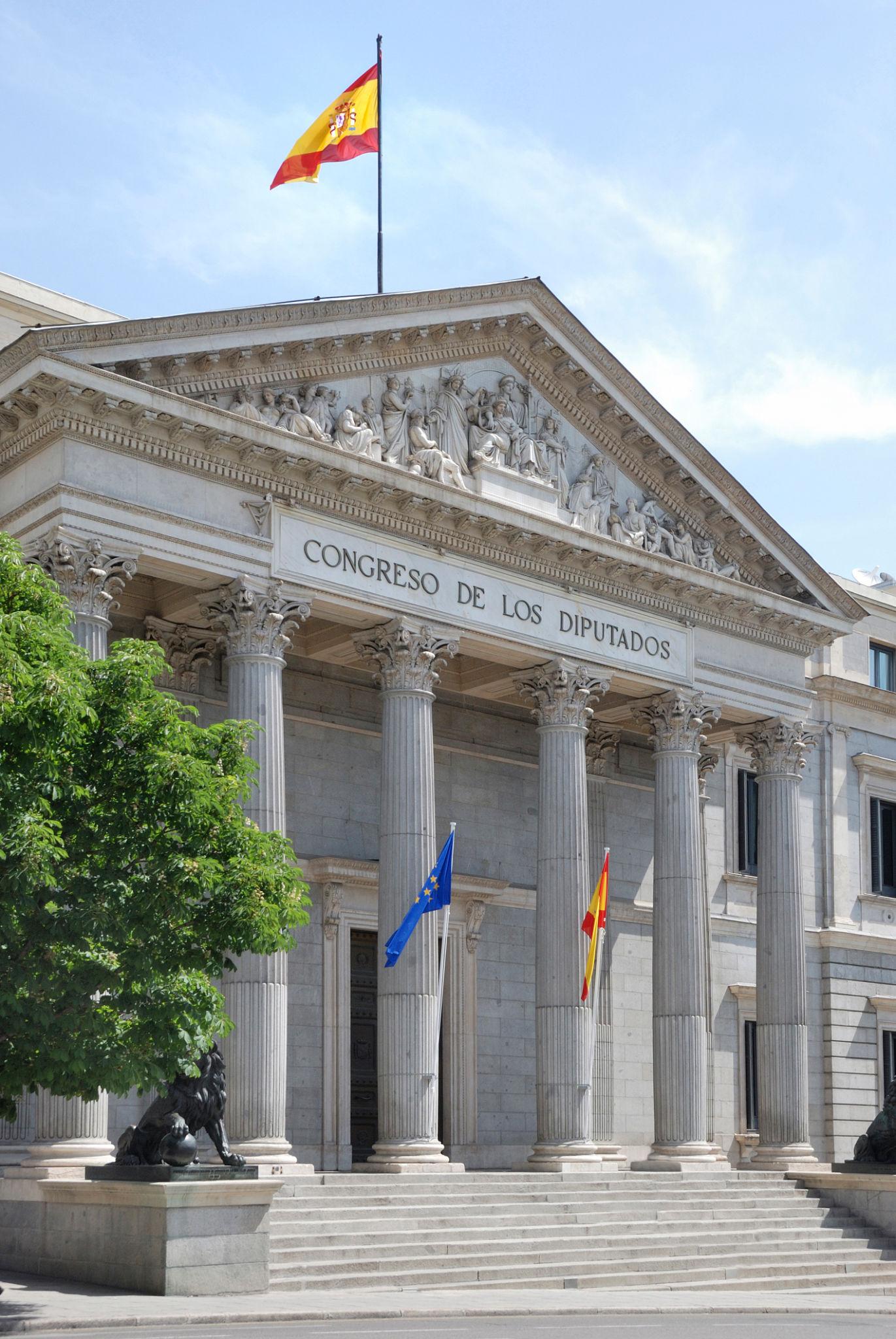
Madrid, Spain – May 20, 2026 – Brussels Morning Newspaper — European political tensions intensified in Madrid, Spain, during 2026 after Prime Minister Pedro Sánchez publicly defended former Spanish Prime Minister José Luis Rodríguez Zapatero amid a growing corruption-related investigation that has become one of the most closely watched political controversies in Europe.
- Sanchez Publicly Backs Zapatero During Investigation
- Opposition Parties Intensify Criticism
- Spain’s Political Environment Remains Deeply Divided
- European Governments Closely Watching Developments
- Historical Context Shapes Public Reaction
- Government Defends Democratic Institutions
- Financial Markets Monitor Political Stability
- Media and Social Platforms Amplify Debate
- Spain Political Controversy 2026
- Analysts Warn of Long-Term Political Effects
- International Attention Focuses on Democratic Stability
The statement from Sanchez immediately sparked sharp reactions from opposition parties, political commentators, and international observers. Critics accused the government of attempting to politically shield a former leader, while supporters argued Sanchez was defending institutional fairness and legal due process.
The controversy surrounding the investigation has rapidly evolved into a broader debate over political accountability, democratic transparency, and leadership credibility during a period of rising uncertainty across several European governments.
Sanchez Publicly Backs Zapatero During Investigation
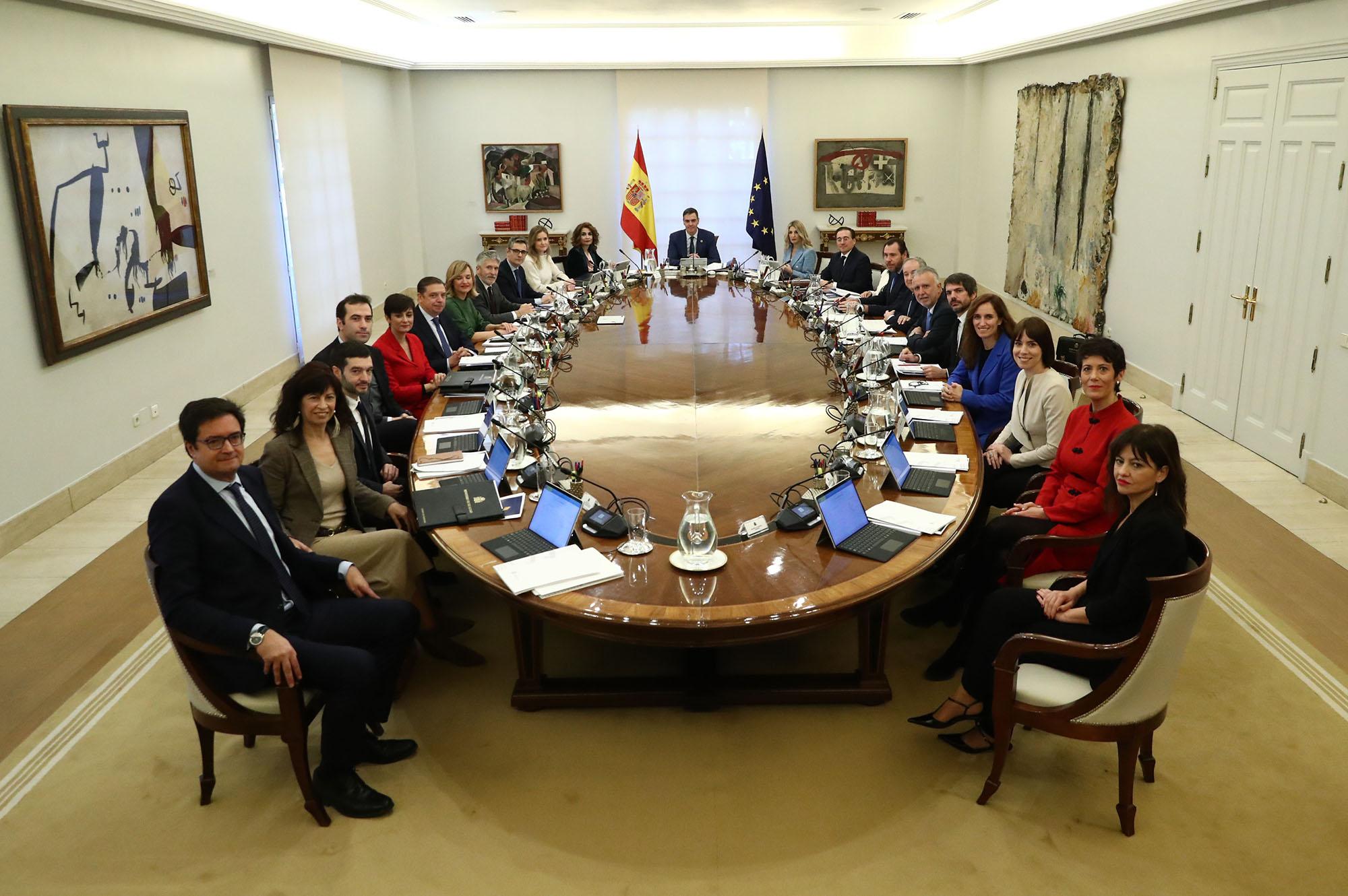
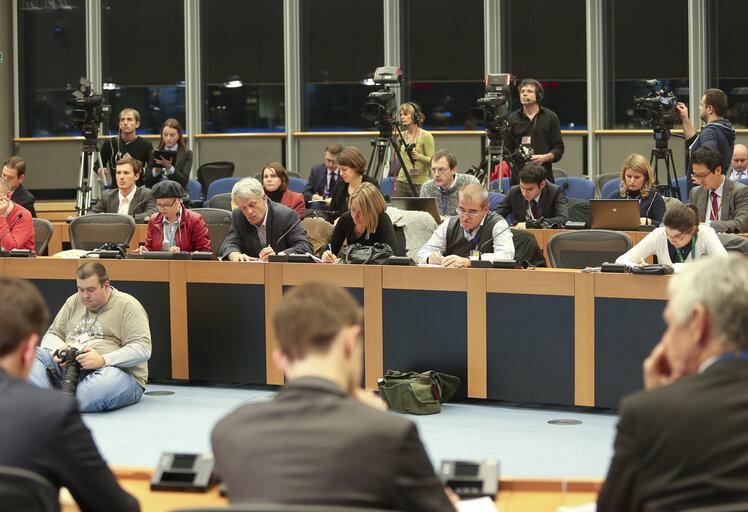
Prime Minister Pedro Sánchez addressed reporters in Madrid after renewed media scrutiny focused on the ongoing investigation linked to former government activities.
Sanchez stated he maintained complete confidence in Zapatero and stressed the importance of allowing judicial institutions to operate independently without political pressure.
The remarks immediately intensified European political tensions, particularly as opposition figures demanded greater transparency surrounding the investigation.
Sanchez said:
“Institutions must work freely and fairly, and every individual deserves respect for due process.”
The comments quickly became a dominant topic across Spanish political news coverage and European media discussions.
Opposition Parties Intensify Criticism
Opposition leaders reacted strongly to Sanchez’s statements, arguing that public support for a former prime minister during an active investigation could damage public trust in government institutions.
Several political rivals accused the administration of creating perceptions of political favoritism during a sensitive legal process.
The issue has now become central to broader national debates involving:
- Government accountability
- Judicial independence
- Political transparency
- Public trust in leadership
- Institutional credibility
Political analysts say corruption investigations involving senior officials frequently become major political flashpoints because they directly affect voter confidence.
The growing controversy has further fueled European political tensions surrounding governance standards and democratic accountability.
Spain’s Political Environment Remains Deeply Divided
Spain has experienced increasing political polarization in recent years due to economic concerns, coalition disputes, regional tensions, and debates over institutional reform.
Analysts believe the latest controversy could deepen those divisions ahead of future parliamentary negotiations and election campaigns.
Several experts warn that prolonged political conflict surrounding the investigation may affect legislative cooperation and public confidence in government stability.
A Madrid-based political strategist explained:
“Public trust becomes fragile whenever political investigations involve high-profile national leaders.”
That concern continues shaping political debate throughout Spain during 2026.
European Governments Closely Watching Developments
The controversy surrounding the investigation has attracted attention beyond Spain because corruption-related political crises continue influencing governments across Europe.
Experts say European political tensions have increased in several countries where investigations, leadership disputes, and public distrust have intensified pressure on ruling administrations.
International observers note that political scandals often create ripple effects across European institutions because they influence public perceptions of democratic governance and leadership integrity.
Several European concerns remain central to political debate in 2026:
- Anti-corruption enforcement
- Institutional transparency
- Coalition government stability
- Public dissatisfaction with political elites
- Economic pressure on governments
The Spanish investigation therefore fits into broader European discussions surrounding political reform and accountability.
Historical Context Shapes Public Reaction
Historical Cycles of Political Tensions in Europe
| Year | Political Event | Public Impact |
|---|---|---|
| 1992 | European corruption scandals | Increased anti-establishment sentiment |
| 2008 | Financial crisis political fallout | Public distrust in governments |
| 2016 | Brexit political divisions | Heightened European polarization |
| 2022 | Economic and energy tensions | Rising political instability |
| 2026 | Spain corruption controversy | Renewed European political tensions |
Political historians note that corruption-related controversies often reshape political landscapes by influencing voter trust and institutional credibility.
Public perception frequently becomes just as important as legal outcomes during high-profile investigations.
Government Defends Democratic Institutions
Officials aligned with the administration of Pedro Sánchez emphasized that Spain’s legal institutions operate independently and remain fully capable of conducting investigations fairly.
Government representatives argued that public expressions of support do not interfere with judicial proceedings and insisted that democratic systems require respect for due process.
Legal analysts say maintaining confidence in institutional independence is essential during politically sensitive investigations.
The administration also warned against allowing political narratives to undermine judicial credibility before investigations conclude.
Financial Markets Monitor Political Stability
Although the immediate market reaction remained relatively limited, investors continue monitoring political developments in Spain because prolonged instability can influence economic confidence.
Political uncertainty sometimes affects:
- Foreign investment decisions
- Stock market performance
- Economic reform progress
- Business confidence
- International financial perceptions
Analysts say European investors remain cautious regarding political developments that could disrupt economic policymaking or coalition stability.
The growing European political tensions surrounding governance issues are therefore being closely followed by financial institutions across the region.
Media and Social Platforms Amplify Debate
The controversy received widespread attention across television networks, newspapers, and social media platforms throughout Europe.
Supporters of the government defended Sanchez’s statements as reasonable support for due process, while critics argued they risked politicizing the investigation.
Political communication experts say online platforms now play a major role in shaping public narratives during major investigations involving senior officials.
Analysts also warned that misinformation and politically motivated online campaigns can complicate public understanding of legal proceedings.
Spain Political Controversy 2026
Key Details
- Location: Madrid, Spain
- Main Figures: Pedro Sánchez and José Luis Rodríguez Zapatero
- Main Issue: Corruption-related investigation
- Political Impact: Intensified national and European debate
- Opposition Position: Calls for transparency and accountability
- Public Focus: Institutional trust and leadership credibility
This political controversy reflects broader concerns surrounding governance, democratic accountability, and rising European political tensions during 2026.
Analysts Warn of Long-Term Political Effects
Political experts believe the investigation could continue influencing Spain’s political environment for months depending on future developments.
Some analysts argue the controversy may strengthen opposition efforts demanding institutional reforms and greater anti-corruption oversight.
Others believe the government’s handling of the investigation could significantly shape public perceptions ahead of future elections.
A European political analyst stated:
“How leaders respond during investigations often matters as much politically as the investigation itself.”
That observation reflects growing public focus on transparency and political accountability throughout Europe.
International Attention Focuses on Democratic Stability
European institutions and international observers continue monitoring how democratic governments manage politically sensitive investigations involving high-profile officials.
Transparency advocates argue strong legal systems and independent institutions remain essential to maintaining democratic stability during periods of political controversy.
The ongoing debate surrounding European political tensions therefore extends beyond Spain, influencing broader discussions about governance standards throughout the European Union.