Russia – May 31 – Brussels Morning Newspaper — Russia drone attack reports have emerged from several regions after authorities stated that multiple unmanned aerial vehicles targeted locations across parts of the country overnight. Officials said air defense systems were activated to intercept incoming drones while emergency responders and local governments assessed potential impacts on infrastructure and public safety.
- Multiple Russian Regions Report Drone Activity
- Air Defense Systems Activated During Overnight Operations
- Drone Warfare Continues to Shape Modern Conflict
- Infrastructure Protection Remains a Priority
- Long-Range Drone Capabilities Expand Operational Reach
- International Community Watches Closely
- Economic and Strategic Implications
- Historical Growth of Drone Technology
The latest developments highlight the growing role of drone warfare in modern military conflicts. As unmanned systems become increasingly sophisticated and capable of operating over long distances, governments around the world are adapting defense strategies to address evolving security challenges. The newest Russia drone attack reports have once again placed drone warfare at the center of international attention.
Multiple Russian Regions Report Drone Activity
Authorities in several Russian regions reported drone-related incidents during the latest wave of operations. Regional officials issued public statements indicating that air defense units responded to aerial threats and that assessments were underway to determine the extent of any damage.
The broad geographic scope of the reported operation has attracted attention from military analysts because it involved multiple regions rather than a single isolated location. Experts say such developments demonstrate how drone technology continues to influence military planning and operational strategy.
The latest Russia drone attack reports suggest that security agencies are reviewing data collected during the incidents while investigators examine affected areas.
“The expanding use of drones is changing how military operations are conducted across modern conflict zones,”
a regional security analyst said.
Air Defense Systems Activated During Overnight Operations
Russian defense authorities stated that air defense systems were deployed to intercept incoming aerial targets. Officials reported that multiple drones were detected and engaged during the operation.
Military experts note that defending against unmanned aerial systems presents unique challenges. Unlike traditional aircraft, drones can vary significantly in size, speed, altitude, and flight profiles, requiring advanced detection and interception capabilities.
The recent Russia drone attack developments have renewed discussions regarding the effectiveness of integrated air defense networks and the importance of maintaining readiness against evolving aerial threats.
Governments worldwide continue investing heavily in technologies designed to detect, track, and neutralize drone activity.
Drone Warfare Continues to Shape Modern Conflict
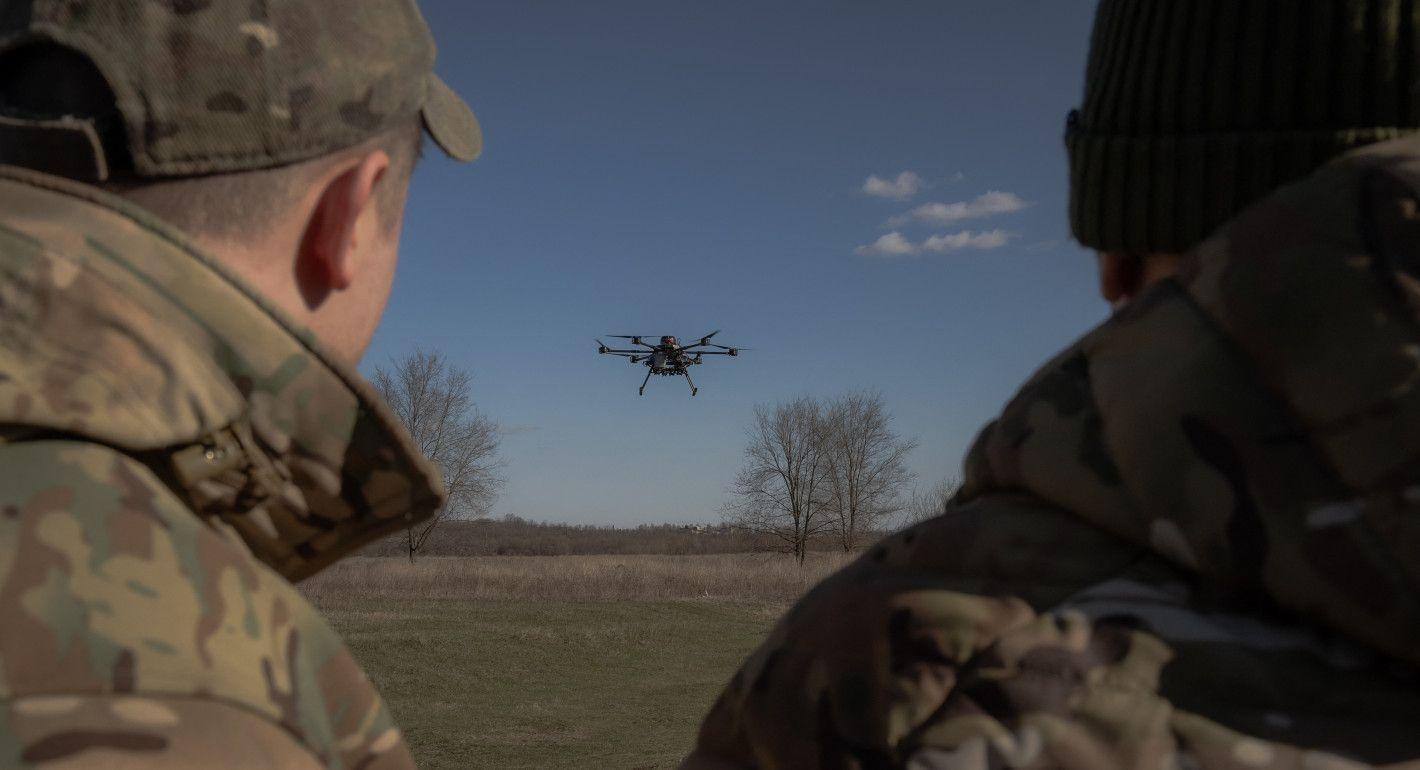
Over the past decade, drones have transformed military operations across the globe. Initially used primarily for surveillance and reconnaissance, unmanned systems now perform a wide range of missions including intelligence gathering, logistics support, and precision strikes.
The newest Russia drone attack reports underscore how drone warfare has become a central feature of modern conflict environments. Military planners increasingly rely on unmanned systems because they can operate in high-risk areas while reducing exposure for personnel.
Analysts say drone technology continues to evolve rapidly, creating both opportunities and challenges for military organizations worldwide.
The ongoing conflict has become one of the most closely studied examples of large-scale drone utilization in contemporary warfare.
Infrastructure Protection Remains a Priority
Following reports of drone activity, local authorities focused on evaluating potential impacts on infrastructure and public services. Emergency personnel were dispatched to assess affected locations and ensure that essential systems remained operational.
Critical infrastructure has become an increasingly important focus of security planning. Transportation networks, communications systems, energy facilities, and industrial sites often receive special protection because of their strategic importance.
The latest Russia drone attack reports have highlighted concerns regarding infrastructure resilience in the face of evolving technological threats.
Officials continue to emphasize preparedness and rapid response capabilities as key components of national security.
“Infrastructure protection remains a critical element of modern defense planning,”
a defense policy specialist noted.
Long-Range Drone Capabilities Expand Operational Reach
Advancements in drone technology have significantly increased operational range and effectiveness. Modern unmanned systems can travel long distances, collect intelligence, and conduct missions far beyond traditional front-line areas.
The recent Russia drone attack developments illustrate how long-range capabilities are influencing strategic calculations. Security experts note that expanded operational reach can complicate defense planning by increasing the number of areas requiring protection.
Military organizations around the world are responding by enhancing surveillance networks, improving detection technologies, and developing new counter-drone systems.
The growing sophistication of unmanned systems is expected to remain a major factor in future military planning.
International Community Watches Closely
The reported incidents have attracted attention from governments and security organizations around the world. International observers continue monitoring developments for signs of broader escalation and potential implications for regional stability.
Many policymakers have emphasized the importance of maintaining open communication channels and reducing the risk of unintended escalation. Security experts argue that technological advancements in warfare require new approaches to crisis management and conflict prevention.
The latest Russia drone attack reports have contributed to broader discussions regarding military innovation, security preparedness, and international stability.
Foreign policy analysts continue evaluating how drone warfare may shape future geopolitical dynamics.
Economic and Strategic Implications
Military developments often generate consequences beyond immediate security concerns. Transportation systems, commercial operations, investment decisions, and economic confidence can all be influenced by evolving security conditions.
The recent Russia drone attack reports have drawn attention to the relationship between national security and economic resilience. Governments increasingly recognize that maintaining stable infrastructure and reliable public services is essential for long-term growth and stability.
Analysts note that security challenges can influence both domestic policy decisions and international economic relationships.
The ability to adapt to emerging threats has become an important measure of national resilience.
Historical Growth of Drone Technology
The evolution of drone technology has accelerated dramatically over the past twenty years. Improvements in navigation systems, communications capabilities, and precision targeting have expanded the role of unmanned systems in military operations.
The latest Russia drone attack developments reflect broader trends that are reshaping defense strategies worldwide. Many countries now view drone capabilities as essential components of modern military forces.
Defense research organizations continue studying operational lessons from current conflicts to better understand how emerging technologies may influence future warfare.
As innovation continues, experts expect unmanned systems to become even more capable and versatile.
“Drone technology is evolving faster than many traditional defense models anticipated,”
an international defense researcher explained.