
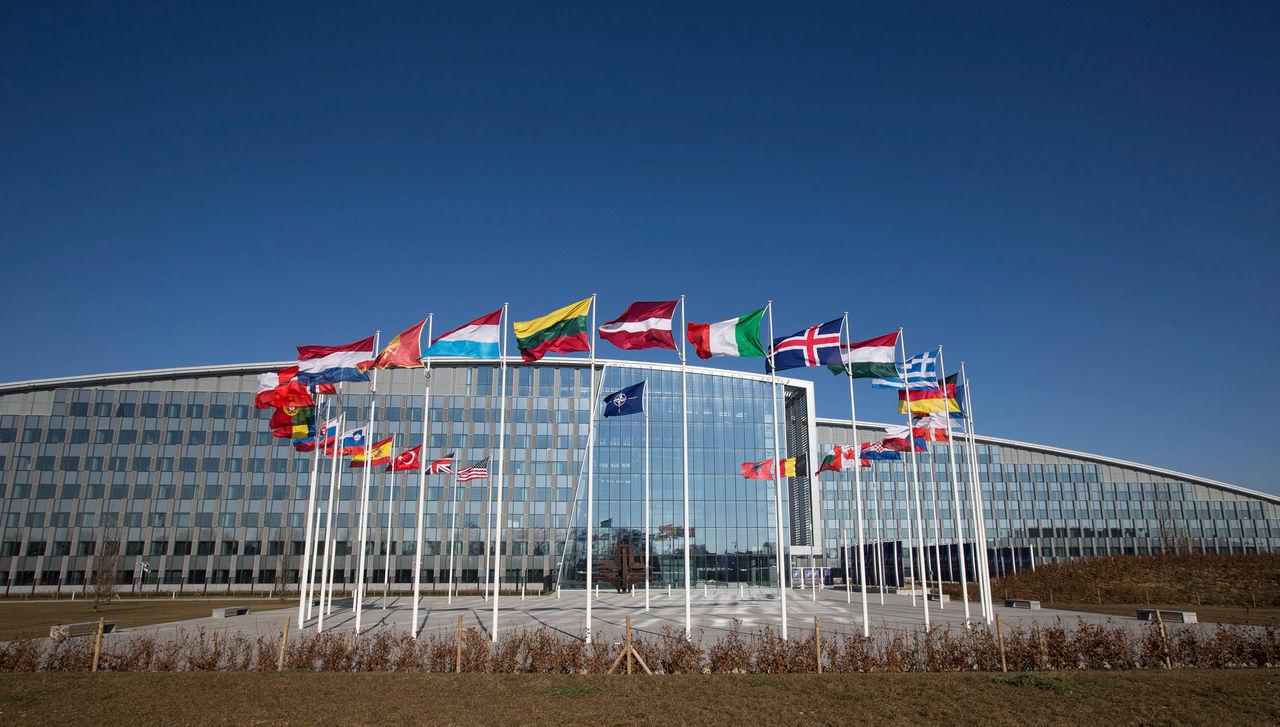
BRUSSELS, Belgium – May 30 – Brussels Morning Newspaper — Europe military security has become the focus of renewed international attention following reports that the United States is considering accelerating troop withdrawals from several European locations. The reported review of force deployments has generated discussion among NATO allies, defense officials, and policymakers about the future balance of security responsibilities across the continent.
- Reports Suggest Strategic Review Is Underway
- NATO Allies Continue Expanding Defense Spending
- Strategic Importance of US Forces in Europe
- Historical Role of American Forces in Europe
- European Leaders Evaluate Future Security Needs
- Defense Industry Could Benefit From Increased Investment
- Global Security Experts Monitor Developments
- Potential Impact on NATO Strategy
- Europe Military Security Remains a Strategic Priority
Although no official withdrawal timetable has been announced, the newspaper report has intensified debate over how Europe would adapt if American troop levels decline more quickly than previously expected. Analysts note that the issue extends beyond military numbers and touches on broader questions regarding alliance coordination, defense spending, and long-term strategic planning.
The United States has maintained a significant military presence throughout Europe for decades, helping support NATO’s collective defense mission and regional stability. Any changes to that posture would likely attract close attention from governments and military planners across the alliance.
“Security partnerships are measured not only by troop levels but by the strength of shared commitments.”
Reports Suggest Strategic Review Is Underway
The latest report indicates that American defense planners may be examining options to accelerate portions of an existing force posture review. Such evaluations are common within military planning processes and are often designed to ensure resources align with evolving security priorities.
Defense experts caution that troop reductions do not automatically signal reduced commitments to European allies. Instead, they may reflect changing strategic calculations as military leaders balance challenges across multiple regions.
Officials have repeatedly emphasized that modern military effectiveness depends on readiness, mobility, intelligence capabilities, and technological advantages in addition to permanent troop deployments.
The reported discussions therefore represent part of a broader conversation about how alliances adapt to changing geopolitical realities.
NATO Allies Continue Expanding Defense Spending
One of the most significant developments affecting Europe military security is the increase in defense spending among NATO member states.
Over the past several years, European governments have committed billions of dollars toward military modernization programs, advanced weapons systems, cybersecurity initiatives, and defense infrastructure improvements.
Many NATO countries have reached or exceeded alliance spending targets, a goal that remained elusive for years. These investments have strengthened arguments that Europe is becoming more capable of assuming a greater share of regional defense responsibilities.
Supporters of increased military spending argue that stronger European capabilities enhance overall alliance resilience and reduce dependence on any single partner.
Strategic Importance of US Forces in Europe
American military personnel stationed across Europe serve multiple functions beyond traditional defense roles.
Troops support joint training exercises, intelligence cooperation, rapid response operations, logistics networks, and deterrence efforts. Military bases located throughout Germany, Italy, Belgium, Poland, and other NATO countries have long formed a critical component of alliance operations.
Even if troop numbers are reduced, experts suggest that military cooperation between the United States and Europe is expected to remain extensive.
Many analysts believe future security models could emphasize flexibility and rapid deployment capabilities rather than relying solely on large permanent deployments.
Historical Role of American Forces in Europe
The U.S. military presence in Europe dates back to the aftermath of World War II and expanded dramatically during the Cold War period.
American troops became a central pillar of NATO strategy, helping deter potential threats while supporting political and economic stability throughout Western Europe.
Historical Cycles of Europe Military Security
| Period | Major Security Development |
|---|---|
| 1945–1950 | Post-war military deployments established |
| 1950s–1980s | Cold War force expansion |
| 1990s | Military reductions after Soviet collapse |
| 2000s | Focus shifts toward global counterterrorism |
| 2020s | Renewed emphasis on collective European defense |
Throughout these periods, troop levels have fluctuated based on evolving strategic conditions and geopolitical developments.
European Leaders Evaluate Future Security Needs
The prospect of accelerated troop withdrawals has prompted governments across Europe to assess future defense requirements.
Some policymakers argue that stronger European military capabilities would increase strategic independence and improve long-term resilience. Others emphasize that American military presence remains an essential element of deterrence and alliance unity.
The debate reflects broader questions regarding how NATO should adapt to future threats while maintaining strong transatlantic relationships.
Officials generally agree that regardless of troop levels, close cooperation between European allies and the United States will remain critical to regional stability.
“Modern defense relies on coordination, technology, and preparedness as much as physical deployments.”
Defense Industry Could Benefit From Increased Investment
A greater emphasis on European defense responsibilities could result in additional investment throughout the defense sector.
Governments may continue prioritizing:
- Air defense systems
- Cybersecurity infrastructure
- Advanced surveillance technologies
- Military communications networks
- Naval modernization programs
- Missile defense capabilities
Defense manufacturers and technology firms are already benefiting from increased military spending across much of Europe.
Analysts suggest further investments could accelerate if policymakers determine additional capabilities are necessary to address evolving security requirements.
Global Security Experts Monitor Developments
Security experts worldwide continue monitoring reports regarding potential changes to American force posture in Europe.
Any significant deployment adjustments would likely be implemented gradually and coordinated through extensive consultation among alliance members.
Military strategists note that NATO’s overall strength is derived from collective capabilities rather than the troop contributions of any single nation.
As a result, future discussions are expected to focus on maintaining alliance effectiveness while adapting to new geopolitical realities.
Potential Impact on NATO Strategy
The conversation surrounding Europe military security may ultimately influence future NATO planning and operational priorities.
Alliance leaders continue emphasizing collective defense, burden-sharing, and modernization efforts designed to strengthen readiness.
Future strategies could place greater emphasis on rapid deployment forces, advanced technologies, integrated command systems, and enhanced coordination among member states.
These adjustments would reflect broader efforts to prepare for increasingly complex security challenges in the decades ahead.
Europe Military Security Remains a Strategic Priority
Reports suggesting the United States may accelerate troop withdrawals from Europe have renewed discussions about the future of regional defense and alliance cooperation. While no official decisions have been announced, the debate highlights the evolving nature of modern security planning.
European nations continue increasing defense investments while maintaining close partnerships with Washington. At the same time, military planners are adapting to new strategic realities that require flexibility, technological innovation, and stronger cooperation among allies.
As policymakers evaluate future options, Europe military security will remain a central issue shaping NATO strategy, defense spending decisions, and international security discussions throughout 2026 and beyond.