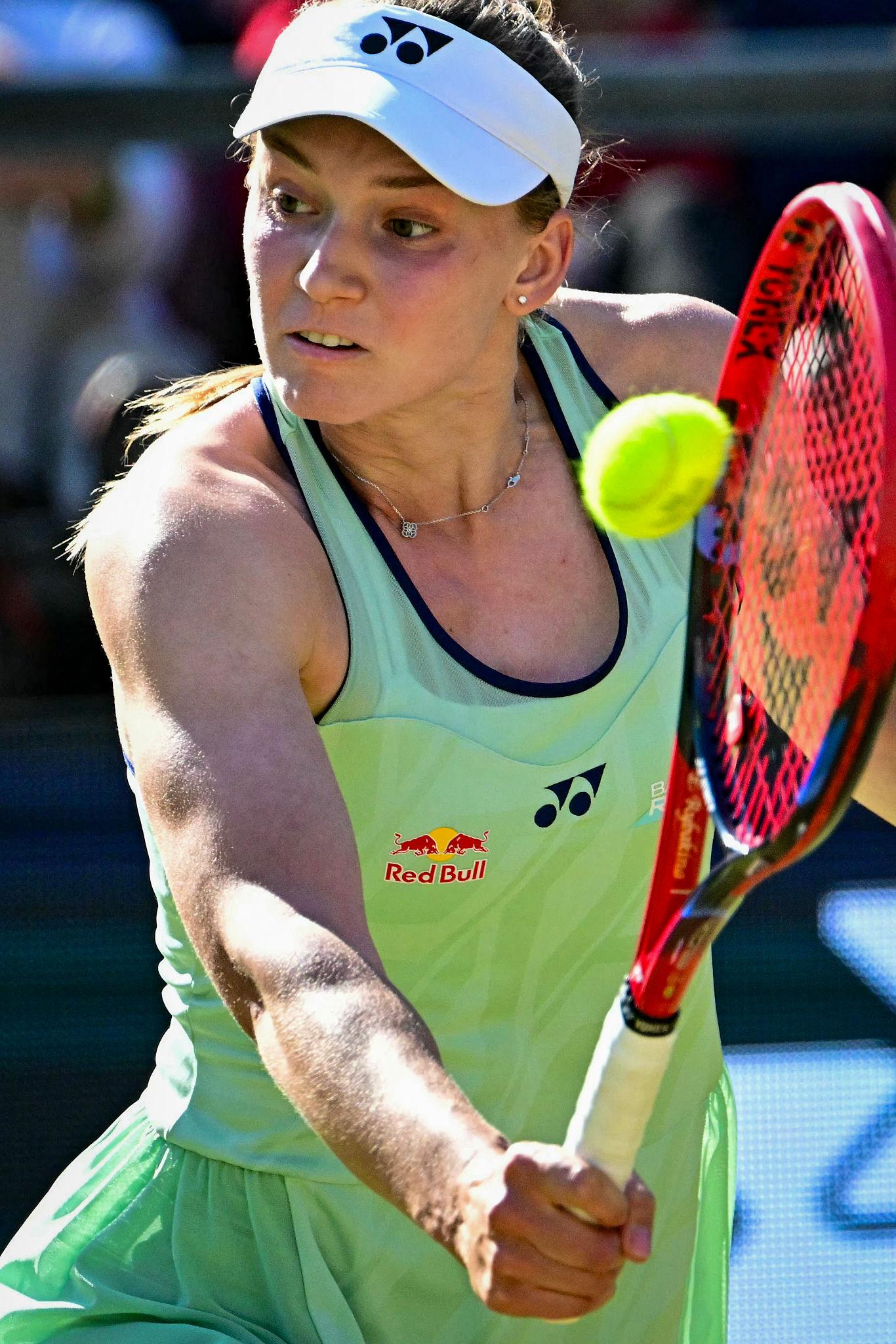
PARIS, France – May 30 – Brussels Morning Newspaper — Russian players controversy continues to dominate discussions within professional tennis after Ukrainian player Oleksandra Oliynykova publicly challenged Russian competitors over issues connected to the ongoing war in Ukraine. Her remarks have once again placed international sports at the center of a wider geopolitical conversation, highlighting the challenges faced by athletes competing during periods of international conflict.
- Oliynykova’s Remarks Spark New Debate
- Tennis Governing Bodies Face Ongoing Challenges
- The Human Impact on Ukrainian Athletes
- Neutral Status Remains a Divisive Solution
- Historical Examples of Sports and Geopolitics
- Reactions Across the Tennis Community
- Athlete Activism Continues Growing
- International Sports Face a Changing Landscape
- What the Controversy Means Going Forward
- Russian Players Controversy Remains a Defining Issue
The issue has remained a major talking point across tennis tournaments since Russia’s invasion of Ukraine. While governing bodies have allowed Russian and Belarusian athletes to compete under neutral status in many events, Ukrainian players have frequently expressed concerns regarding participation policies and the broader message they send.
Oliynykova’s latest comments have generated significant attention throughout the tennis world and renewed discussions about how sports organizations should respond to ongoing geopolitical tensions.
“For many athletes, the realities of global conflict do not disappear when they step onto the court.”
Oliynykova’s Remarks Spark New Debate
The latest chapter in the Russian players controversy began when Oliynykova voiced concerns regarding Russian players participating on the international tour while the conflict in Ukraine continues.
Although the comments were directed toward broader issues rather than specific match results, they quickly attracted international media attention. Supporters of Oliynykova argue that Ukrainian athletes have every right to speak openly about a conflict that directly affects their country, families, and communities.
Others believe professional athletes should be evaluated based solely on their actions as competitors and not held responsible for decisions made by governments.
The differing perspectives reflect the complexity of balancing sport and geopolitics in today’s interconnected world.
Tennis Governing Bodies Face Ongoing Challenges
The debate surrounding Russian participation has created difficult challenges for tennis officials.
International governing bodies have attempted to balance multiple priorities, including athlete rights, tournament integrity, competitive fairness, and international regulations. The solution adopted by many organizations has been to allow Russian and Belarusian athletes to compete as neutral participants without national symbols or official representation.
Even with those restrictions, criticism has continued from various sides.
Some argue the measures are insufficient, while others believe any restrictions based on nationality are inappropriate within international sports.
As a result, governing bodies continue facing scrutiny regardless of the policies they implement.
The Human Impact on Ukrainian Athletes
For Ukrainian players, the war remains far more than a political topic discussed in news headlines.
Many athletes have spoken publicly about concerns for family members, friends, and communities affected by the conflict. The emotional burden of competing while their country faces ongoing challenges has become a recurring theme in interviews and public statements.
Sports psychologists note that athletes performing under such circumstances often face unique pressures that can affect preparation, focus, and emotional well-being.
These realities help explain why the Russian players controversy remains deeply personal for many Ukrainian competitors.
Neutral Status Remains a Divisive Solution
Since the escalation of the conflict, numerous Russian athletes have competed under neutral status across various international sporting events.
The policy was designed to allow participation without displaying national symbols, flags, or official affiliations. However, opinions remain divided regarding its effectiveness.
Supporters believe neutral status strikes a reasonable balance between fairness and accountability.
Critics argue the approach fails to address broader concerns surrounding the ongoing conflict and its impact on affected athletes.
The debate has become one of the most controversial topics in modern international sports governance.
“The challenge for sports organizations is finding solutions that protect competition while recognizing real-world events.”
Historical Examples of Sports and Geopolitics
The intersection of sports and international conflict has occurred repeatedly throughout modern history.
Political disputes, wars, and diplomatic tensions have influenced major sporting events for decades. From Olympic boycotts during the Cold War to international sanctions affecting athletes and teams, sports have often reflected broader geopolitical realities.
Historical Cycles of Sports and International Conflict
| Period | Major Development |
|---|---|
| 1930s–1940s | Global conflicts disrupt sporting competitions |
| 1980s | Olympic boycotts reshape international events |
| 1990s | Increased global sporting integration |
| 2000s | Athlete diplomacy gains prominence |
| 2020s | Geopolitical conflicts increasingly influence sports governance |
These historical examples demonstrate that sports rarely exist entirely separate from world events.
Reactions Across the Tennis Community
The Russian players controversy has generated mixed reactions among players, coaches, and fans.
Some athletes have expressed solidarity with Ukrainian competitors and support their right to speak openly about the conflict. Others have called for maintaining a clearer separation between politics and sports.
Social media platforms have amplified these discussions, allowing fans worldwide to engage with the issue and express strong opinions.
Analysts suggest the debate is likely to continue as long as the conflict remains unresolved and Russian athletes remain active participants in international competitions.
Athlete Activism Continues Growing
Modern athletes possess significant platforms that extend well beyond competition.
Social media, digital media coverage, and global fan bases have increased the visibility of athlete opinions on political and social issues. As a result, athletes increasingly influence public conversations on topics that reach far beyond sports.
The comments made by Oliynykova fit within a broader trend of athletes using their public profiles to address issues they consider important.
Whether supported or criticized, such statements often become major news stories in their own right.
International Sports Face a Changing Landscape
The ongoing Russian players controversy illustrates the growing challenges facing international sports organizations in a rapidly changing world.
Global conflicts, political tensions, and social issues are increasingly intersecting with competition, creating situations that governing bodies must navigate carefully.
Future policies regarding athlete participation may be influenced by how organizations respond to current controversies.
Many experts believe sports administrators will continue searching for solutions that balance fairness, inclusivity, and sensitivity to international events.
“Global sports now operate in an environment where world events can instantly influence competition.”
What the Controversy Means Going Forward
The debate sparked by Oliynykova’s comments is unlikely to disappear soon.
As tournaments continue and geopolitical tensions remain unresolved, discussions regarding athlete participation, neutrality, and responsibility are expected to remain central topics within professional tennis.
Officials, players, and fans will continue evaluating how international sports can uphold competitive principles while responding to significant global developments.
The outcome of those discussions could shape policies affecting future generations of athletes.
Russian Players Controversy Remains a Defining Issue
Oleksandra Oliynykova’s criticism of Russian competitors has once again brought the Russian players controversy into the global spotlight. The issue reflects broader questions regarding sports governance, athlete expression, and the impact of international conflict on professional competition.
While opinions remain sharply divided, the debate underscores the reality that global events increasingly influence even traditionally neutral sporting environments. As the tennis season continues, the controversy is expected to remain a major topic of discussion across the international sports community.