
MADRID, Spain – May 29 – Brussels Morning Newspaper — Spain government controversy has become one of the most closely watched political developments in Europe as Prime Minister Pedro Sánchez faces growing pressure from ongoing corruption-related investigations involving individuals connected to his political circle. The expanding scrutiny has fueled opposition criticism, dominated national headlines, and increased questions about the long-term stability of Spain’s governing coalition.
- Investigations Continue to Generate Public Attention
- Sanchez Administration Defends Its Record
- Opposition Parties Increase Pressure
- Public Confidence Remains a Key Political Factor
- Economic Strength Provides Some Political Protection
- European Observers Monitor Developments
- Media Coverage Intensifies Scrutiny
- What Happens Next?
Although Sánchez has consistently denied wrongdoing and emphasized respect for judicial independence, the continuing investigations have created a challenging political environment. Analysts say the situation is evolving into a major test of public confidence in the government and its ability to maintain focus on economic and legislative priorities.
“Political credibility can become as important as legal outcomes when investigations dominate public debate.”
Investigations Continue to Generate Public Attention
The latest developments have kept the spotlight firmly on Madrid, where lawmakers, journalists, and political observers continue to assess the potential implications of ongoing inquiries.
The growing Spain government controversy extends beyond individual allegations. It has sparked broader discussions about transparency, accountability, and ethical standards in public office. Opposition parties argue that voters deserve greater clarity regarding individuals under investigation and their connections to government institutions.
Government officials, meanwhile, maintain that Spain’s legal system is functioning independently and that judicial authorities should be allowed to complete their work without political interference.
Sanchez Administration Defends Its Record
Despite increasing scrutiny, government leaders continue highlighting achievements in economic growth, employment, renewable energy investment, and social policy reforms.
Supporters of the administration argue that the Spain government controversy is overshadowing policy accomplishments that have helped strengthen Spain’s economic position within Europe. They point to strong tourism performance, labor market improvements, and infrastructure investment as evidence that the government remains focused on governing.
Officials have repeatedly stressed that allegations and investigations should not be confused with proven misconduct, emphasizing the importance of due process.
Opposition Parties Increase Pressure
Spain’s opposition parties have seized on the controversy as an opportunity to challenge the government’s leadership and decision-making.
Critics argue that the continuing investigations raise legitimate questions about oversight and accountability. Parliamentary debates have become increasingly confrontational as opposition lawmakers demand explanations and additional transparency measures.
The Spain government controversy has therefore become a central theme in political messaging, with opponents seeking to frame the investigations as evidence of broader governance concerns.
“Transparency is essential for maintaining public trust in democratic institutions,” opposition leaders have stated.

Public Confidence Remains a Key Political Factor
Political analysts note that public perception often plays a decisive role during periods of political controversy. Even before legal proceedings conclude, voter attitudes can shift based on media coverage, political responses, and overall confidence in leadership.
Recent polling suggests that issues involving ethics and accountability remain important concerns for many Spanish voters. The ongoing Spain government controversy has therefore become a significant challenge for a government attempting to maintain public support while advancing legislative priorities.
For many citizens, the issue is not only about legal outcomes but also about confidence in public institutions.
Economic Strength Provides Some Political Protection
Spain’s economy has shown resilience in recent years, supported by tourism, consumer spending, and investment in renewable energy projects. These positive economic indicators have provided the government with some political support despite growing scrutiny.
However, analysts warn that prolonged uncertainty linked to the Spain government controversy could eventually affect investor sentiment and business confidence if political tensions continue to escalate.
While economic performance remains relatively strong, political stability is often viewed as an important factor in maintaining long-term growth and attracting investment.
European Observers Monitor Developments
As one of the European Union’s largest economies, Spain plays a significant role in regional policymaking. European leaders generally avoid commenting directly on domestic investigations, but developments in Madrid are being closely monitored across the continent.
The Spain government controversy has attracted international attention because political instability in major EU member states can influence discussions on economic policy, energy security, migration, and defense cooperation.
European institutions continue to view Spain as a key partner, but political developments remain under close observation.
Media Coverage Intensifies Scrutiny
Spanish media outlets have devoted extensive coverage to the investigations, ensuring that new developments receive immediate national attention. News organizations, political commentators, and analysts continue examining the legal and political consequences of the controversy.
The intense focus surrounding the Spain government controversy has amplified public awareness and increased pressure on political leaders to address voter concerns.
In today’s digital news environment, stories can spread rapidly across social media platforms, extending their influence beyond traditional news audiences.
“The speed of modern news cycles can significantly shape public perceptions during political crises.”
What Happens Next?
The coming months are expected to be critical as investigations continue and political debate intensifies. Observers are closely watching for new judicial developments, shifts in public opinion, and potential changes in government strategy.
Several factors will likely determine how the situation evolves:
- Progress of ongoing investigations
- Public reaction to new developments
- Parliamentary support for the government
- Economic performance trends
- Opposition political strategy
- Media coverage intensity
The direction of the Spain government controversy could ultimately influence Spain’s broader political landscape ahead of future elections.
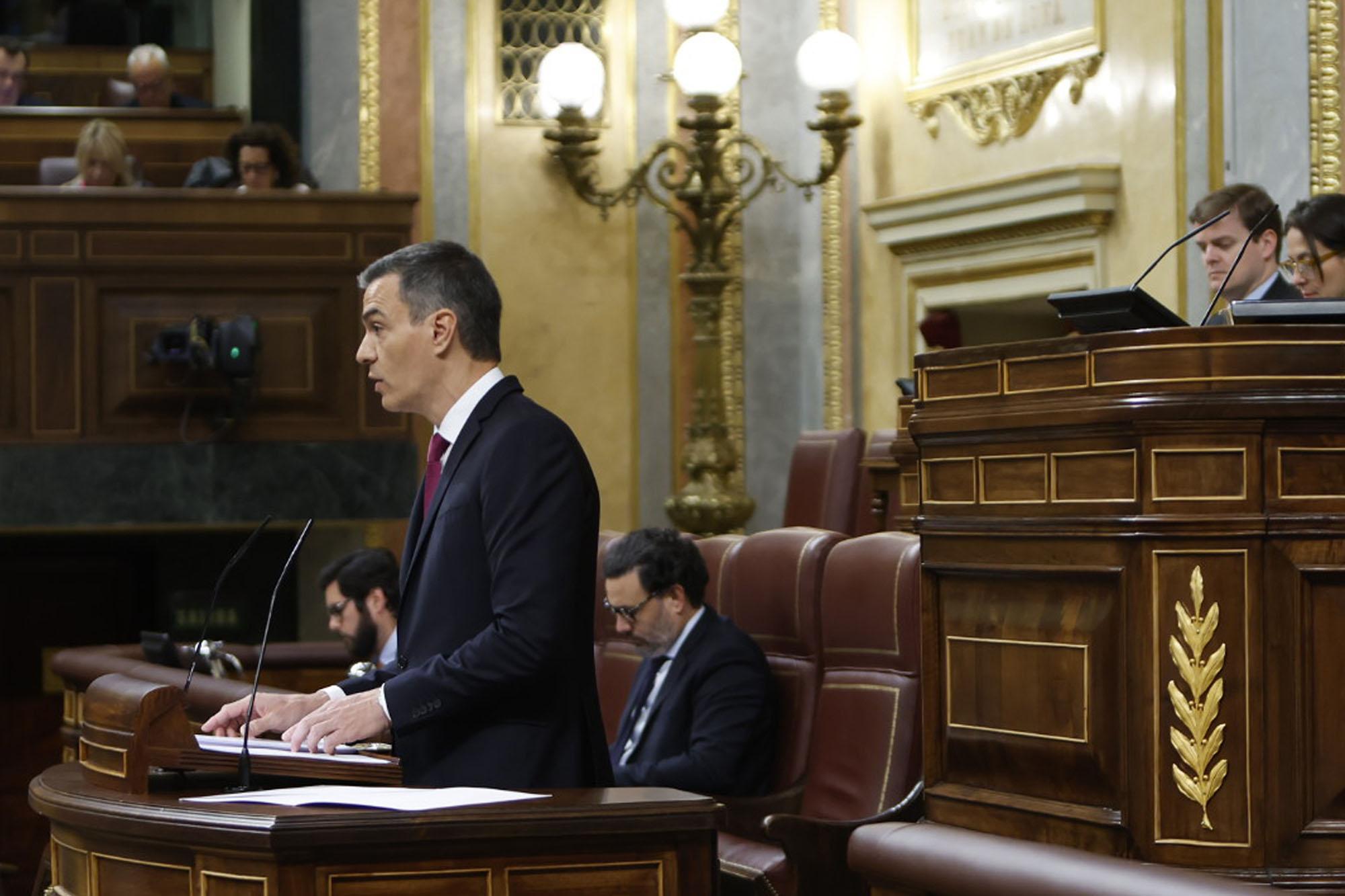
Spain Government Controversy Continues to Challenge Political Stability
The Spain government controversy remains one of the most significant political stories in Europe during 2026. As investigations continue and public scrutiny intensifies, Prime Minister Pedro Sánchez faces growing pressure to maintain confidence in his administration while continuing to advance policy objectives.
Although the final outcomes of the investigations remain uncertain, the political consequences are already evident. Public trust, coalition unity, economic performance, and media attention will all play important roles in determining how this chapter of Spanish politics unfolds. For now, the controversy remains a defining issue that is likely to shape national debate throughout the remainder of the year.