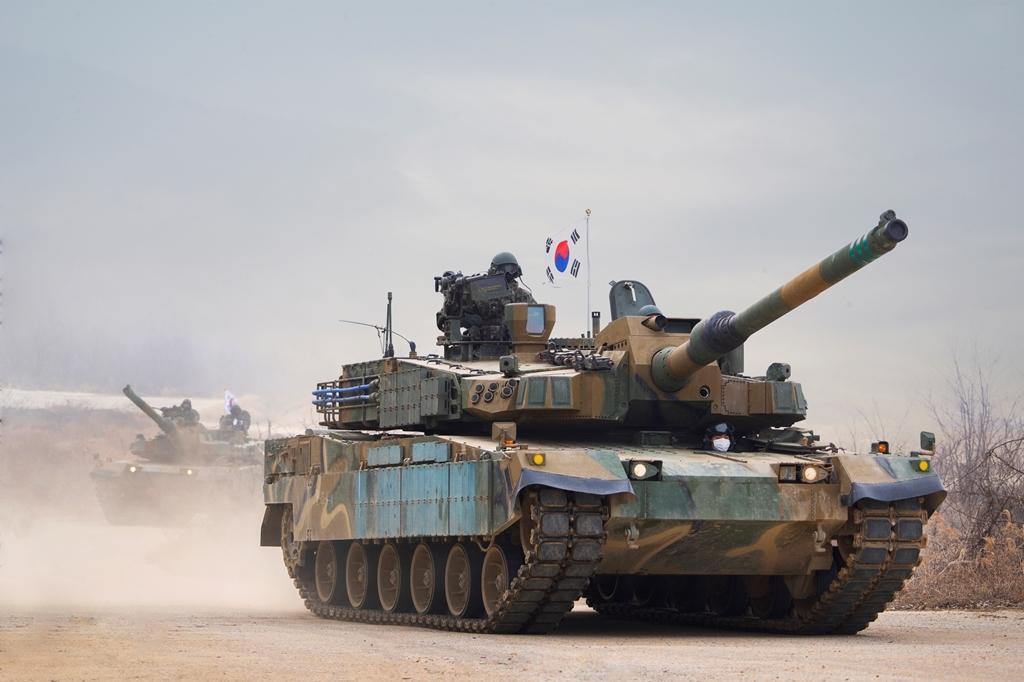
SEOUL, South Korea – May 22 – Brussels Morning Newspaper — South Korea controversy surrounding a government-linked “Tank Day” awareness campaign is intensifying after public backlash erupted over the reported use of Starbucks vouchers tied to military promotional activities. The issue quickly gained traction online, drawing criticism from political opponents, social media users, and public policy analysts across the country.
- Why the Campaign Triggered a Strong Public Reaction
- Ministries Attempt Damage Control
- South Korea Controversy in 2026
- Starbucks Brand Drawn Into National Debate
- Social Media Accelerated the Controversy
- Political Sensitivity Around Military Messaging
- Experts Warn Governments About Viral Backlash Risks
- Economic and Corporate Impact Appears Limited
The controversy began after reports indicated organizers connected to the campaign planned to distribute Starbucks gift vouchers during activities designed to raise awareness about military readiness and national defense. Critics argued the campaign appeared insensitive and overly commercialized, especially given the political and social sensitivity surrounding military issues in South Korea.
Government ministries have since attempted to distance themselves from the campaign as online criticism continued spreading rapidly through Korean social media platforms.
“Public reaction in South Korea can escalate extremely fast when government messaging appears disconnected from public sentiment,”
one Seoul-based political analyst said.
Why the Campaign Triggered a Strong Public Reaction
The backlash intensified because many South Koreans viewed the use of Starbucks vouchers in a military-themed campaign as inappropriate. Critics argued national defense awareness should not be linked to consumer-style incentives or promotional marketing tactics.
Mandatory military service remains a deeply personal issue in South Korea, particularly among younger citizens. As a result, campaigns connected to defense policy often receive heightened public scrutiny.
Several online users accused officials of attempting to turn military awareness into a marketing campaign rather than focusing on meaningful civic engagement. Others questioned whether public resources should be connected to branded giveaways during a period of economic pressure and rising living costs.
The South Korea controversy spread quickly after screenshots and campaign references circulated widely online, generating thousands of comments and reactions within hours.
Ministries Attempt Damage Control
As criticism intensified, multiple ministries reportedly reviewed their involvement in the campaign and clarified that the initiative’s purpose was intended to increase public awareness rather than promote commercial products.
Officials also emphasized that the campaign was not designed to create political controversy. However, critics argued the issue reflected broader communication failures involving modern government outreach strategies.
Public relations teams moved rapidly to contain the fallout as opposition politicians used the controversy to criticize leadership judgment and administrative planning.
The South Korea controversy has now expanded beyond the original campaign and evolved into a larger debate about public trust, political messaging, and the role of branding in government communication.
South Korea Controversy in 2026
| Topic | Current Status |
|---|---|
| Main Issue | Starbucks voucher backlash |
| Campaign Type | Tank Day military awareness |
| Country | South Korea |
| Public Reaction | Strong online criticism |
| Government Response | Distancing from campaign |
| Political Debate | Intensifying |
| Social Media Impact | Viral nationwide discussion |
Starbucks Brand Drawn Into National Debate
Although Starbucks Korea was not directly responsible for organizing the campaign, the company’s name became heavily associated with the controversy because of the voucher connection.
Social media users repeatedly referenced Starbucks while criticizing the campaign, pushing the global coffee brand into the center of political discussion. Analysts say highly recognizable international brands often become symbolic targets during online controversies, even when they play only a limited role.
Some critics argued government agencies should avoid using private consumer brands in official awareness campaigns altogether. Others defended the use of incentives as part of efforts to engage younger audiences more effectively.
So far, Starbucks Korea has not been accused of participating in the campaign’s messaging decisions.
“Global brands can become part of political narratives very quickly in today’s digital environment,”
one communications strategist explained.
Social Media Accelerated the Controversy
Online platforms played a major role in transforming the issue into a nationwide political discussion. Korean social media communities rapidly amplified criticism, memes, and political commentary connected to the campaign.
Hashtags related to the South Korea controversy trended across multiple platforms as users debated whether government officials showed poor judgment.
The speed of the online reaction reflected South Korea’s highly connected digital culture, where political issues can gain national attention within hours. Analysts say government agencies increasingly face pressure to respond immediately once criticism begins spreading online.
Several users also connected the controversy to broader frustrations involving economic uncertainty, rising housing costs, and concerns about government priorities.
Political Sensitivity Around Military Messaging
Defense-related campaigns remain highly sensitive in South Korea because military service directly affects much of the population. Public expectations surrounding national security communication are often shaped by political tensions with North Korea and regional security concerns involving China and the United States.
Critics argued military awareness campaigns require professionalism and seriousness rather than promotional marketing strategies involving gift incentives.
Others defended the campaign, saying younger audiences often engage more actively through modern digital outreach methods and promotional events.
Still, the South Korea controversy revealed how difficult it can be for governments to balance modern communication strategies with public expectations.
Experts Warn Governments About Viral Backlash Risks
Public relations experts say the controversy offers an important lesson for governments attempting to modernize outreach campaigns. Viral backlash can develop rapidly when campaigns appear politically insensitive or disconnected from public concerns.
Analysts noted that even relatively minor public relations mistakes can evolve into larger national controversies in highly digital societies like South Korea.
Government institutions across Asia increasingly rely on social media engagement strategies, but experts warn that campaigns tied to politics, defense, or national identity require particularly careful planning.
“Digital communication gives governments faster public access, but it also creates immediate political risk,”
one media professor said.
Economic and Corporate Impact Appears Limited
Despite intense public debate, analysts currently do not expect major financial consequences for Starbucks Korea or broader economic fallout from the controversy.
However, branding specialists believe the incident demonstrates how quickly corporations can become connected to political debates without direct involvement.
Government agencies may now adopt stricter oversight involving promotional campaigns and corporate-linked incentives to avoid future controversies.
The South Korea controversy also highlighted the growing influence of online public opinion in shaping political responses and communication strategies.