
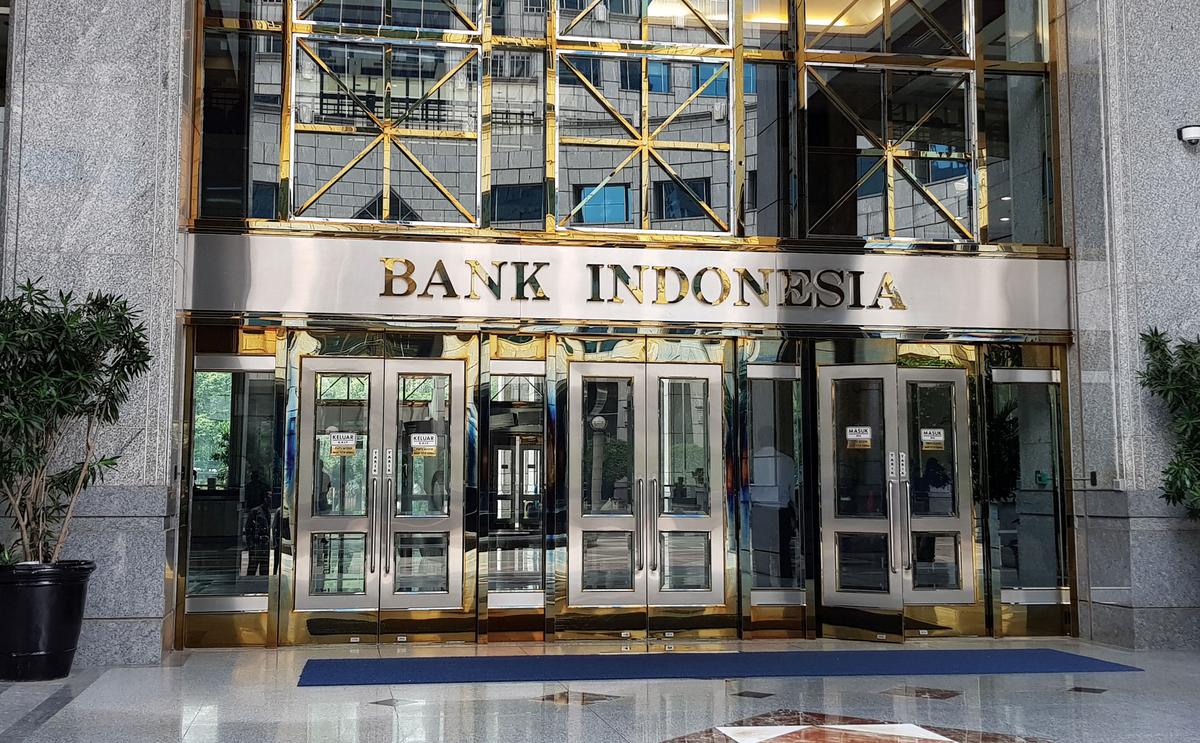
Jakarta, Indonesia – May 20, 2026 – Brussels Morning Newspaper — Asian interest rate crisis concerns intensified in Jakarta, Indonesia, during 2026 after Bank Indonesia unexpectedly raised benchmark interest rates by more than financial markets anticipated. The aggressive policy decision immediately triggered reactions across Asian financial markets as investors reassessed inflation risks, currency pressures, and economic stability throughout the region.
- Indonesia Delivers Stronger-Than-Expected Rate Increase
- Asian Markets React to Indonesia Decision
- Inflation Pressures Continue Challenging Policymakers
- Businesses and Consumers Brace for Higher Costs
- Investors Monitor Broader Asian Economic Risks
- Historical Trends Highlight Regional Vulnerabilities
- Global Markets Watch Emerging Economies Closely
- Asian Interest Rate Crisis 2026
- Analysts Debate Long-Term Economic Impact
- Governments Seek Balance Between Growth and Stability
The move highlighted growing anxiety among central banks across Asia as policymakers continue struggling to control inflation while attempting to protect economic growth. Currency traders, banking institutions, and global investors quickly shifted attention toward Southeast Asian markets following the announcement.
Economic analysts described the decision as a strong warning signal that inflation pressures and financial instability risks remain major concerns despite signs of slowing global economic momentum.
Indonesia Delivers Stronger-Than-Expected Rate Increase
The latest Asian interest rate crisis fears accelerated after Bank Indonesia surprised investors with a larger-than-expected increase in borrowing costs.
Central bank officials said the decision aimed to stabilize the Indonesian rupiah, control inflation pressures, and strengthen investor confidence amid rising uncertainty in global financial markets.
Interest rates remain one of the most powerful tools central banks use to manage economic conditions. Higher rates can reduce inflation by slowing borrowing and consumer spending, though they also risk weakening economic growth.
The Indonesian policy shift reflected concerns involving:
- Inflation volatility
- Currency market instability
- Capital outflow risks
- External economic shocks
- Financial market uncertainty
A regional economist stated:
“Central banks across Asia are under growing pressure to defend currencies while preventing inflation from becoming unmanageable.”
That warning reinforced broader concerns surrounding a potential Asian interest rate crisis.
Asian Markets React to Indonesia Decision
Financial markets across Asia responded cautiously after the announcement as investors evaluated whether other central banks may adopt similarly aggressive policies.
The Indonesian rupiah initially gained support following the rate increase, though analysts warned tighter monetary conditions could slow economic activity if borrowing costs remain elevated for an extended period.
Banking stocks, bond markets, and regional currencies all experienced increased volatility after the central bank’s decision became public.
Several emerging Asian economies continue facing pressure from:
- Rising import costs
- Energy price fluctuations
- Weak global demand
- Slower trade activity
- Currency depreciation risks
The latest policy move intensified debate over whether Asia could face broader monetary tightening challenges throughout 2026.
Inflation Pressures Continue Challenging Policymakers
Central banks across the world remain focused on controlling inflation following years of economic disruptions linked to supply chain instability, geopolitical conflicts, and energy market volatility.
The growing Asian interest rate crisis concerns reflect fears that aggressive rate increases could eventually weaken economic growth across multiple regional economies.
Several governments now face difficult policy decisions balancing inflation control against economic expansion.
A financial strategist explained:
“The challenge for Asian economies is fighting inflation without damaging long-term growth prospects.”
That balancing act continues shaping monetary policy decisions across emerging markets.

Businesses and Consumers Brace for Higher Costs
Higher interest rates are expected to increase borrowing expenses for both businesses and households throughout Indonesia and potentially other Asian economies.
Industries sensitive to financing costs may face additional pressure, including:
- Real estate development
- Manufacturing investment
- Consumer lending
- Small business expansion
- Infrastructure projects
Households could also experience increased mortgage payments, loan costs, and reduced purchasing power if borrowing rates continue rising.
Despite those concerns, policymakers argue inflation control remains critical for maintaining long-term economic confidence and financial stability.
Investors Monitor Broader Asian Economic Risks
The Asian interest rate crisis discussion is expanding because investors fear synchronized rate increases across several economies could slow regional growth.
International financial institutions continue monitoring:
- Chinese economic slowdown risks
- US Federal Reserve policy decisions
- Commodity market volatility
- Currency fluctuations
- Global recession concerns
Asian economies remain deeply interconnected through trade and investment flows, meaning monetary policy shifts in one country can influence financial conditions throughout the region.
Several analysts warned that tighter financial conditions could place additional strain on export-driven economies already facing weaker global demand.
Historical Trends Highlight Regional Vulnerabilities
Historical Cycles of Asian Interest Rate and Currency Crises
| Year | Major Economic Event | Regional Impact |
|---|---|---|
| 1997 | Asian Financial Crisis | Currency collapses and recession |
| 2008 | Global Financial Crisis | Export market slowdown |
| 2013 | Emerging market currency pressure | Capital outflow fears |
| 2020 | Pandemic economic disruption | Emergency monetary easing |
| 2026 | Inflation and tightening cycle | Renewed Asian interest rate crisis concerns |
Economic historians note that Asia has experienced multiple periods where aggressive monetary tightening and currency instability created broader regional financial pressure.
The latest developments have therefore revived memories of earlier financial crises among investors and policymakers.
Global Markets Watch Emerging Economies Closely
International investors reacted carefully following Indonesia’s decision because emerging markets often provide important signals regarding broader economic conditions.
Financial analysts said the Asian interest rate crisis fears could influence investment flows, stock markets, and bond yields throughout the developing world.
Major concerns include:
- Slower economic growth
- Increased debt servicing costs
- Banking sector stress
- Reduced consumer spending
- Investor confidence declines
Global financial institutions continue watching whether additional Asian central banks may implement similar aggressive rate increases in coming months.
Asian Interest Rate Crisis 2026
Key Financial Indicators
- Location: Jakarta, Indonesia
- Main Event: Larger-than-expected interest rate increase
- Regional Concern: Inflation and currency instability
- Market Reaction: Increased volatility across Asian markets
- Investor Focus: Central bank policy tightening
- Economic Risk: Slower regional growth
This economic snapshot reflects growing concern that inflation-fighting policies may increase financial pressure throughout Asia during 2026.
Analysts Debate Long-Term Economic Impact
Economists remain divided regarding whether aggressive monetary tightening will stabilize regional economies or create broader growth challenges.
Some analysts believe decisive action will strengthen investor confidence and improve inflation control. Others fear prolonged higher borrowing costs could weaken domestic demand and business investment.
The future direction of the Asian interest rate crisis will likely depend on inflation trends, commodity prices, global trade conditions, and central bank coordination across the region.
Currency traders and financial institutions are expected to remain highly sensitive to upcoming economic data releases.

Governments Seek Balance Between Growth and Stability
Asian governments now face increasing pressure to maintain economic stability while avoiding prolonged financial strain on businesses and households.
Several policymakers emphasized that controlling inflation remains necessary to preserve long-term economic credibility and financial system stability.
However, economists continue warning that excessive tightening could eventually increase unemployment risks and reduce consumer confidence throughout regional economies.