Moscow, Russia – May 20, 2026 – Brussels Morning Newspaper — Russia military drill operations intensified global attention in Moscow, Russia, during 2026 after military footage appeared to show troops transporting equipment linked to strategic nuclear readiness exercises. The large-scale operation immediately sparked international security concerns as defense analysts and Western governments closely monitored developments surrounding the exercise.
- Russian Forces Conduct Large Strategic Exercise
- NATO and Western Defense Agencies Respond Carefully
- Strategic Exercises Often Serve Political Purposes
- Global Security Concerns Continue Growing
- Historical Context Shapes Modern Military Planning
- Russia Continues Expanding Defense Modernization
- Financial Markets React to Geopolitical Tension
- Russia Military Drill 2026
- Public Attention Expands Across Europe and North America
- Diplomacy Remains Critical Amid Military Activity
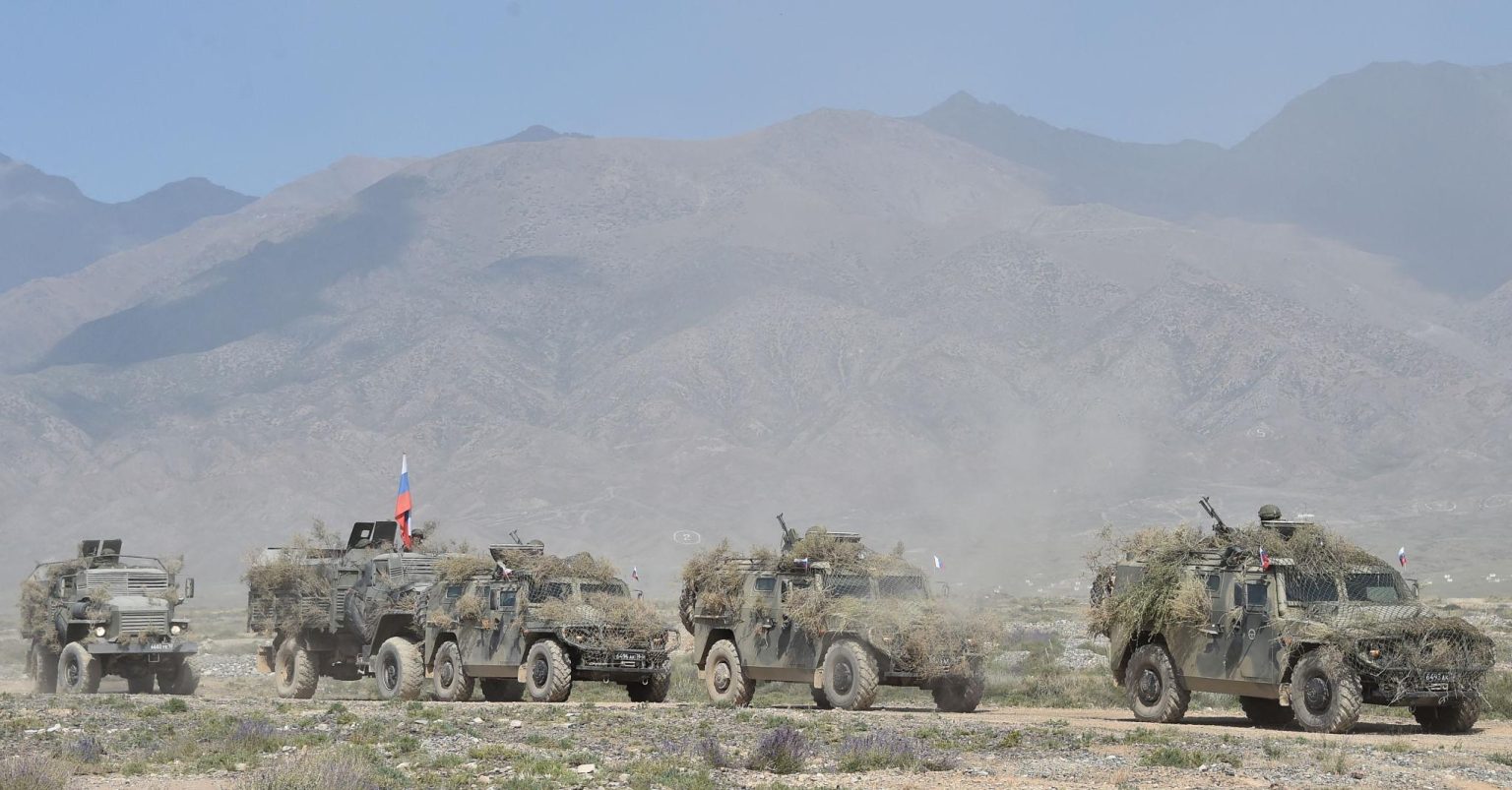
Russian officials described the operation as a scheduled strategic preparedness drill intended to evaluate coordination among specialized military units responsible for national defense systems. The exercise reportedly included troop deployments, logistical movement operations, command coordination testing, and simulated transportation procedures involving nuclear-capable military assets.
The drill occurred during a period of heightened geopolitical instability, with growing tensions between major global powers continuing to influence international security discussions.
Russian Forces Conduct Large Strategic Exercise
The latest Russia military drill involved several military branches, including strategic missile forces and logistical support units trained to manage high-security operations.
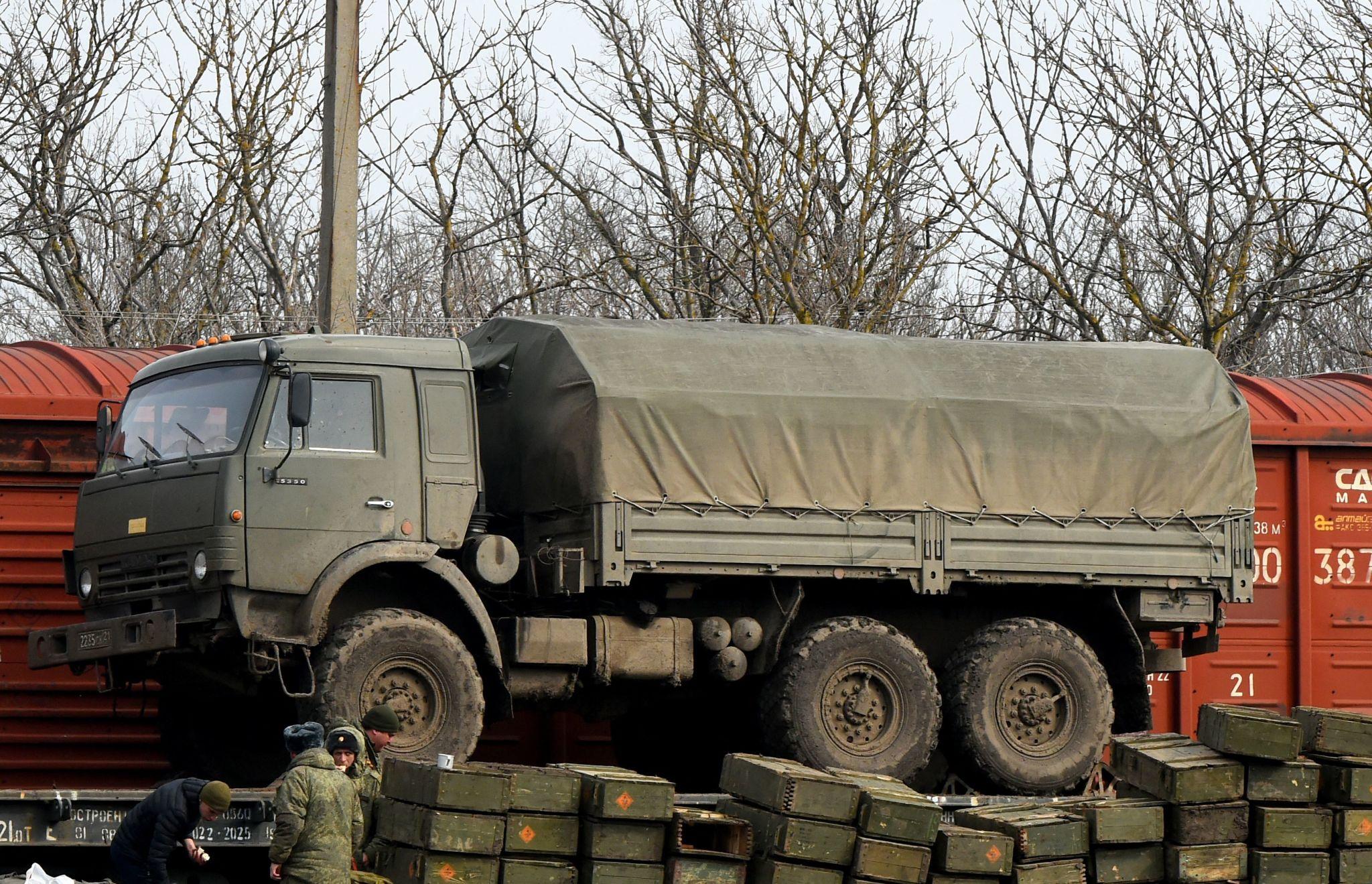
Footage released through Russian media outlets appeared to show military vehicles moving specialized equipment under armed escort during portions of the exercise. Defense analysts noted that such drills are commonly designed to test rapid deployment capabilities and command response systems.
Military preparedness exercises typically focus on:
- Strategic communication systems
- Operational readiness testing
- Equipment transportation procedures
- Coordination between military units
- Emergency deployment capabilities
Russian defense authorities emphasized that the operation followed routine military training schedules and national defense protocols.
NATO and Western Defense Agencies Respond Carefully
The exercise quickly drew attention from NATO governments and international defense agencies, which continue closely monitoring military activity involving strategic weapons systems.
Security analysts across Europe said the geopolitical climate surrounding the drill amplified international concern. Although nuclear readiness exercises are not unusual among military powers, experts noted that timing and regional tensions significantly increased public attention.
A European defense specialist stated:
“Strategic military exercises involving nuclear-capable systems always carry geopolitical significance.”
That observation reflects broader concerns surrounding international military competition and escalating defense preparedness activities during 2026.
Strategic Exercises Often Serve Political Purposes
Military analysts believe large-scale exercises involving strategic systems are often intended not only for operational training but also for geopolitical signaling.
The Russia military drill may therefore serve multiple objectives, including demonstrating military capability, reinforcing deterrence strategy, and sending political messages to rival nations.
Experts say military powers frequently use highly visible exercises to showcase preparedness during periods of international uncertainty.
Several ongoing global issues continue shaping military strategy discussions worldwide, including:
- Regional security disputes
- Expanding defense alliances
- Missile modernization programs
- Cybersecurity threats
- Military spending increases
The latest Russian operation immediately became part of that broader geopolitical conversation.
Global Security Concerns Continue Growing
The movement of military equipment associated with nuclear readiness operations often raises concern because of the catastrophic risks tied to strategic conflict.
International defense organizations continue closely monitoring military developments across Eastern Europe and other sensitive geopolitical regions during 2026.
Security experts warn that heightened military activity can increase diplomatic tensions if communication between nations weakens during periods of strategic competition.
A former military adviser explained:
“Transparency and communication remain essential whenever nuclear-capable forces conduct major exercises.”
That perspective continues shaping international diplomatic efforts aimed at reducing risks of misunderstanding or escalation.
Historical Context Shapes Modern Military Planning
Historical Cycles of Strategic Military Drills
| Year | Major Event | Global Impact |
|---|---|---|
| 1962 | Cuban Missile Crisis | Heightened nuclear fears |
| 1983 | Cold War NATO Exercises | Increased East-West tensions |
| 1991 | Soviet Union Collapse | Military restructuring |
| 2022 | European Security Crisis | Expanded military readiness |
| 2026 | Russia Military Drill | Renewed strategic concerns |
Defense historians note that nuclear-related military drills have long influenced international relations and strategic doctrine.
Such exercises are often intended to maintain deterrence while reinforcing operational preparedness.
Russia Continues Expanding Defense Modernization
The latest Russia military drill also renewed global focus on Russia’s ongoing military modernization efforts.
Over recent years, the country has invested heavily in advanced missile systems, strategic communications infrastructure, and rapid-response military capabilities.
Analysts say modern military doctrine increasingly emphasizes mobility, operational flexibility, and rapid deployment systems capable of responding quickly during emergencies.
The exercise reportedly included logistical coordination operations designed to evaluate deployment readiness under simulated crisis conditions.
Observers say these operations are closely watched internationally because they provide insight into military priorities and strategic capabilities.
Financial Markets React to Geopolitical Tension
Global markets often react cautiously whenever geopolitical tensions involving military powers intensify.
Following reports surrounding the exercise, analysts observed increased attention across energy markets, defense-sector investments, and international financial trading.
Geopolitical uncertainty can influence:
- Oil and gas prices
- Currency market volatility
- Investor confidence
- Global trade stability
- International shipping routes
Economic experts say prolonged strategic tensions can create broader financial uncertainty even without direct military conflict.
Russia Military Drill 2026
Key Details
- Location: Moscow, Russia
- Event Type: Strategic military readiness exercise
- Activity: Troop movement and simulated warhead transport
- International Response: NATO and global defense monitoring
- Main Concern: Strategic escalation risks
- Military Goal: Readiness and deterrence testing
This structured military exercise reflects the increasing emphasis governments continue placing on strategic preparedness and defense coordination.
Public Attention Expands Across Europe and North America
The exercise generated widespread media coverage across Europe, North America, and Asia as public concern surrounding nuclear security intensified online.
Social media discussions surrounding the Russia military drill focused heavily on global security, military readiness, and international stability.
Security experts encouraged calm analysis while emphasizing that military exercises alone do not necessarily indicate imminent conflict.
However, analysts also warned that repeated strategic signaling between rival powers can contribute to long-term geopolitical instability if diplomatic communication weakens.
Diplomacy Remains Critical Amid Military Activity
International relations experts continue emphasizing the importance of maintaining diplomatic communication channels during periods of heightened military operations.
Historically, arms control discussions and military transparency agreements helped reduce risks tied to strategic misunderstandings between nuclear powers.
Several analysts stressed that clear communication surrounding exercises like the Russia military drill remains essential for global stability.
Governments worldwide now face increasing pressure to balance national defense priorities with long-term international security concerns.