Riyadh, — March 7, 2026 — Brussels Morning NewsPaper — A growing Middle East conflict warning is drawing global attention as governments across the region raise military readiness and diplomats attempt to prevent the escalation of tensions. Security officials say the situation has become increasingly fragile following a series of confrontational statements, military alerts, and intelligence assessments suggesting that rival powers may be preparing for potential retaliation.
Regional governments are now carefully balancing deterrence with diplomacy. Military units have been placed on heightened alert while diplomatic channels remain active as international leaders attempt to stabilize the situation before it develops into a wider confrontation.
The current Middle East conflict warning has therefore become one of the most closely watched geopolitical developments of the year, with global markets, defense analysts, and policymakers monitoring the situation closely.
Regional Military Forces Increase Readiness
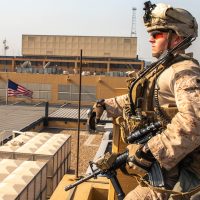
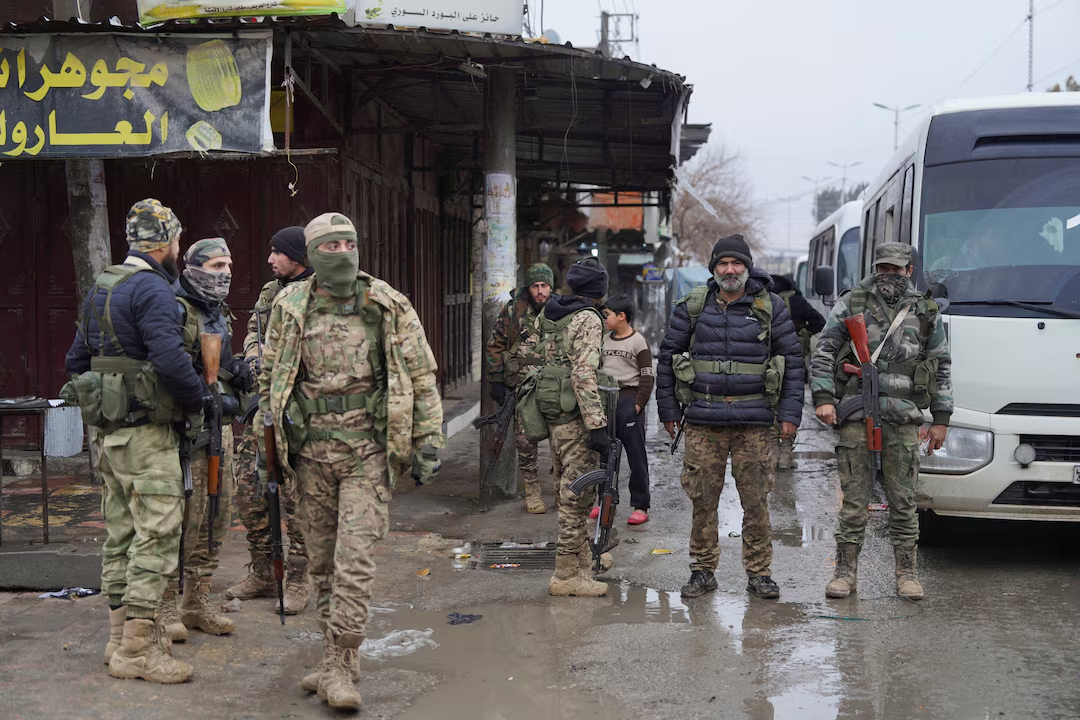
As the Middle East conflict warning intensified, defense officials across several countries confirmed that additional security measures had been implemented to protect strategic locations and civilian populations.
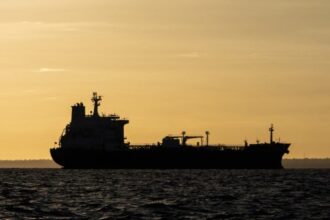
Military commanders increased surveillance operations while air defense systems were placed on heightened readiness. Naval patrols were also expanded in key maritime corridors to monitor potential threats and ensure the safety of shipping routes.
These precautionary steps are intended to demonstrate preparedness while discouraging any actions that could escalate tensions further. Analysts say the show of readiness is designed primarily as a deterrent rather than preparation for immediate combat operations.
Diplomatic Engagement Continues
Despite the rising tensions surrounding the Middle East conflict warning, diplomatic channels remain active. International mediators have reportedly begun discussions aimed at encouraging restraint among regional actors.
Diplomats understand that communication is critical during moments of uncertainty. Misinterpretations or miscalculations could quickly transform limited incidents into a broader crisis involving multiple nations.
For this reason, diplomatic efforts are now focused on maintaining dialogue and reducing the likelihood that political tensions will translate into military confrontation.
Strategic Importance of Energy Infrastructure
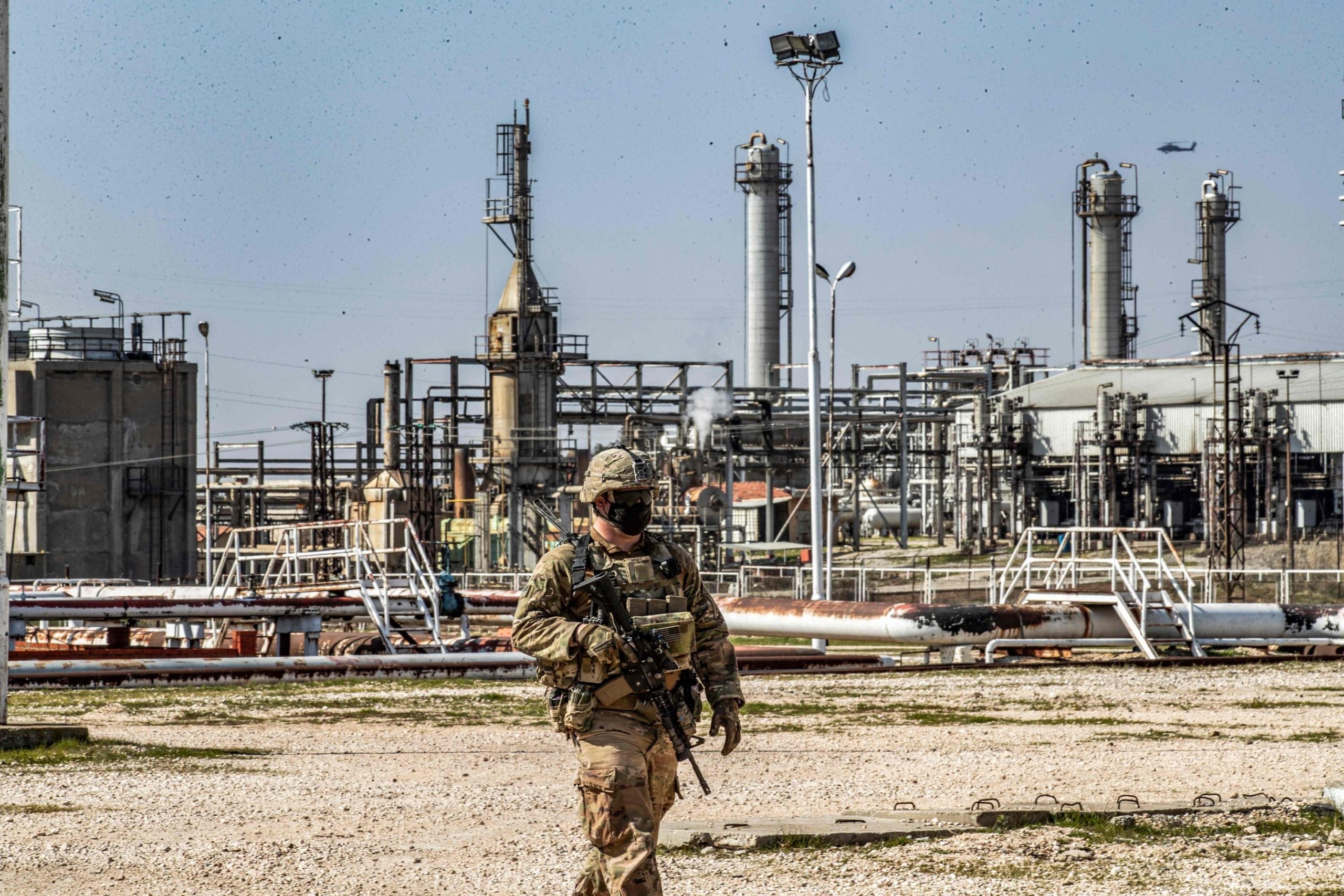
Energy infrastructure has become a central concern during the Middle East conflict warning because the region plays a crucial role in global oil production and transportation.
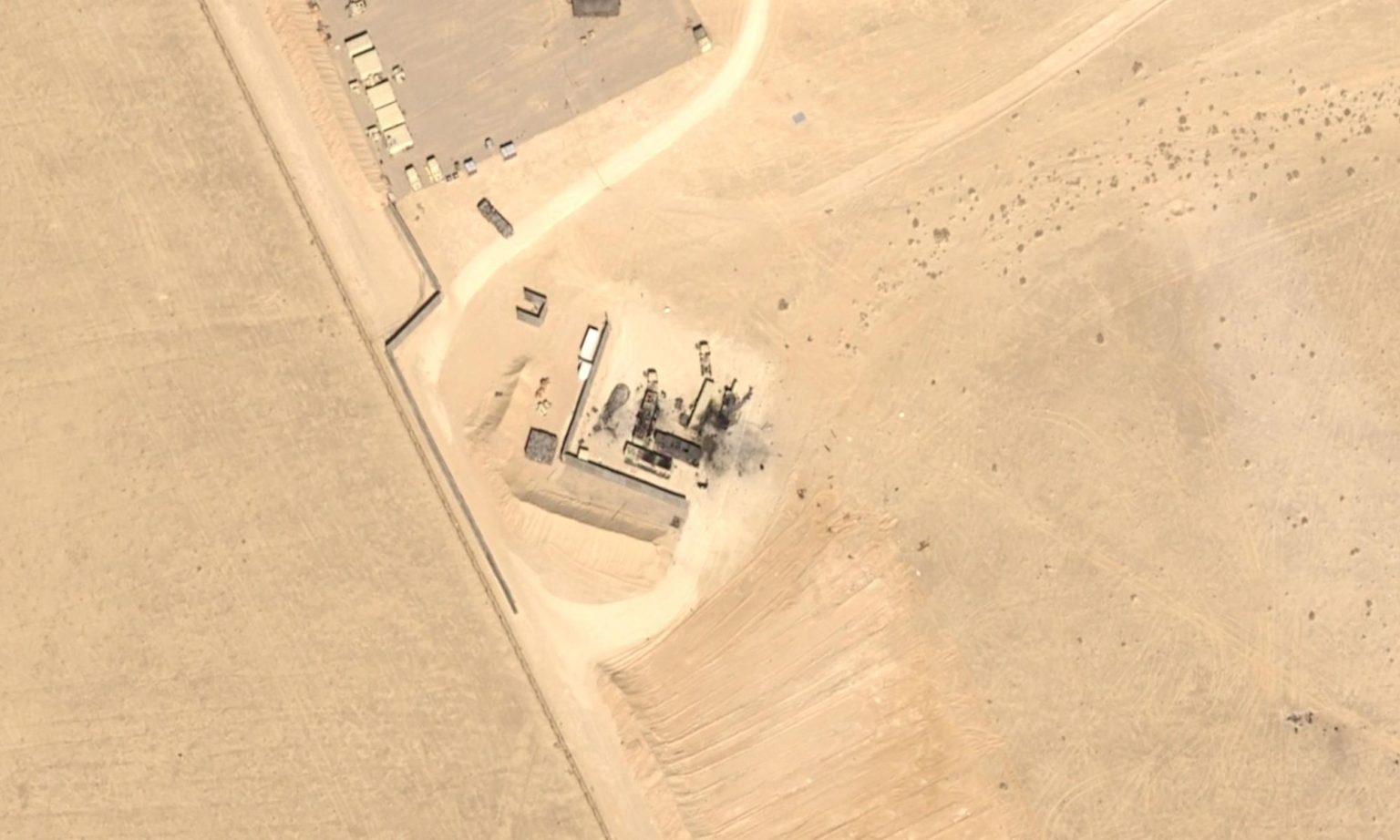
Oil fields, export terminals, and shipping routes passing through strategic waterways are receiving additional security protection. Governments are particularly focused on protecting facilities that could become targets during periods of heightened geopolitical tension.
Energy analysts note that even the perception of risk can cause global oil prices to fluctuate. Because the Middle East remains one of the world’s most important energy hubs, developments linked to the Middle East conflict warning can quickly influence international markets.
Military Analysts Evaluate Possible Scenarios
Defense experts are examining several possible outcomes as the Middle East conflict warning continues to evolve. Some analysts believe the most likely scenario involves continued diplomatic pressure combined with limited military deterrence.
Others warn that localized confrontations or proxy conflicts could occur if tensions are not successfully reduced through diplomacy.
Military planners are therefore preparing contingency strategies that focus on protecting civilian populations, securing strategic infrastructure, and preventing a wider conflict from developing.
These preparations highlight the seriousness with which governments are treating the Middle East conflict warning.
Historical Comparison With Earlier Regional Crises
The Middle East conflict warning resembles several earlier periods of geopolitical tension that shaped the region’s modern history. Rivalries between regional powers have often produced moments when military readiness and diplomatic messaging occurred simultaneously.
During the Gulf War era and other regional crises, governments issued strong warnings while quietly pursuing diplomatic channels to avoid full scale confrontation. Those events demonstrated how fragile the balance between deterrence and diplomacy can become during moments of heightened tension.
Historical experience suggests that early diplomatic engagement is often critical in preventing regional disputes from escalating into larger conflicts.
Quote From a Security Expert
A regional security analyst explained that the situation requires careful monitoring and measured responses from all sides.
the analyst said.
“Diplomacy remains the most effective tool to prevent a situation like this from turning into a broader conflict.”
The comment reflects the cautious approach being taken by many governments as they attempt to stabilize the situation.
Global Markets Watch Closely
Financial markets and international institutions are following the Middle East conflict warning with growing concern. Investors understand that geopolitical instability in the region can influence energy prices, shipping routes, and international trade.
Even minor disruptions in oil production or transport infrastructure could affect supply chains around the world. Because of this, global economic leaders are monitoring developments closely while encouraging diplomatic solutions.
Market volatility often increases during periods of geopolitical uncertainty, making the current situation particularly sensitive for investors and policymakers alike.
Regional Alliances Play a Crucial Role
Another key factor shaping the Middle East conflict warning is the network of alliances that connects many countries in the region. Military partnerships and security agreements mean that tensions involving one country can quickly draw others into the situation.
For this reason, regional leaders are carefully coordinating their responses while attempting to maintain stability. International cooperation is considered essential for preventing misunderstandings that could escalate into broader confrontations.
Diplomatic engagement between allied nations also helps ensure that any response to rising tensions remains measured and coordinated.
The Delicate Balance Between Strength and Restraint
At the center of the Middle East conflict warning is a difficult balancing act between demonstrating strength and exercising restraint. Governments must reassure their citizens and allies that they are prepared to defend national interests while avoiding actions that could provoke escalation.
Military readiness serves as a deterrent, but diplomacy remains the most powerful tool for resolving disputes without violence. Leaders across the region understand that a large scale conflict would carry severe political, economic, and humanitarian consequences.
This awareness is driving ongoing efforts to maintain dialogue even as tensions remain high.
A Defining Moment for Regional Stability
The current Middle East conflict warning may prove to be a defining moment for the region’s political future. Decisions made in the coming weeks will likely determine whether tensions ease through negotiation or intensify into confrontation.
Governments are therefore proceeding with caution while continuing diplomatic discussions aimed at reducing hostility and rebuilding trust between rival powers.
Ultimately, the outcome of the Middle East conflict warning will depend on whether regional leaders prioritize dialogue and cooperation over confrontation.
For now, the world watches closely as policymakers navigate one of the most sensitive geopolitical challenges facing the Middle East in 2026.