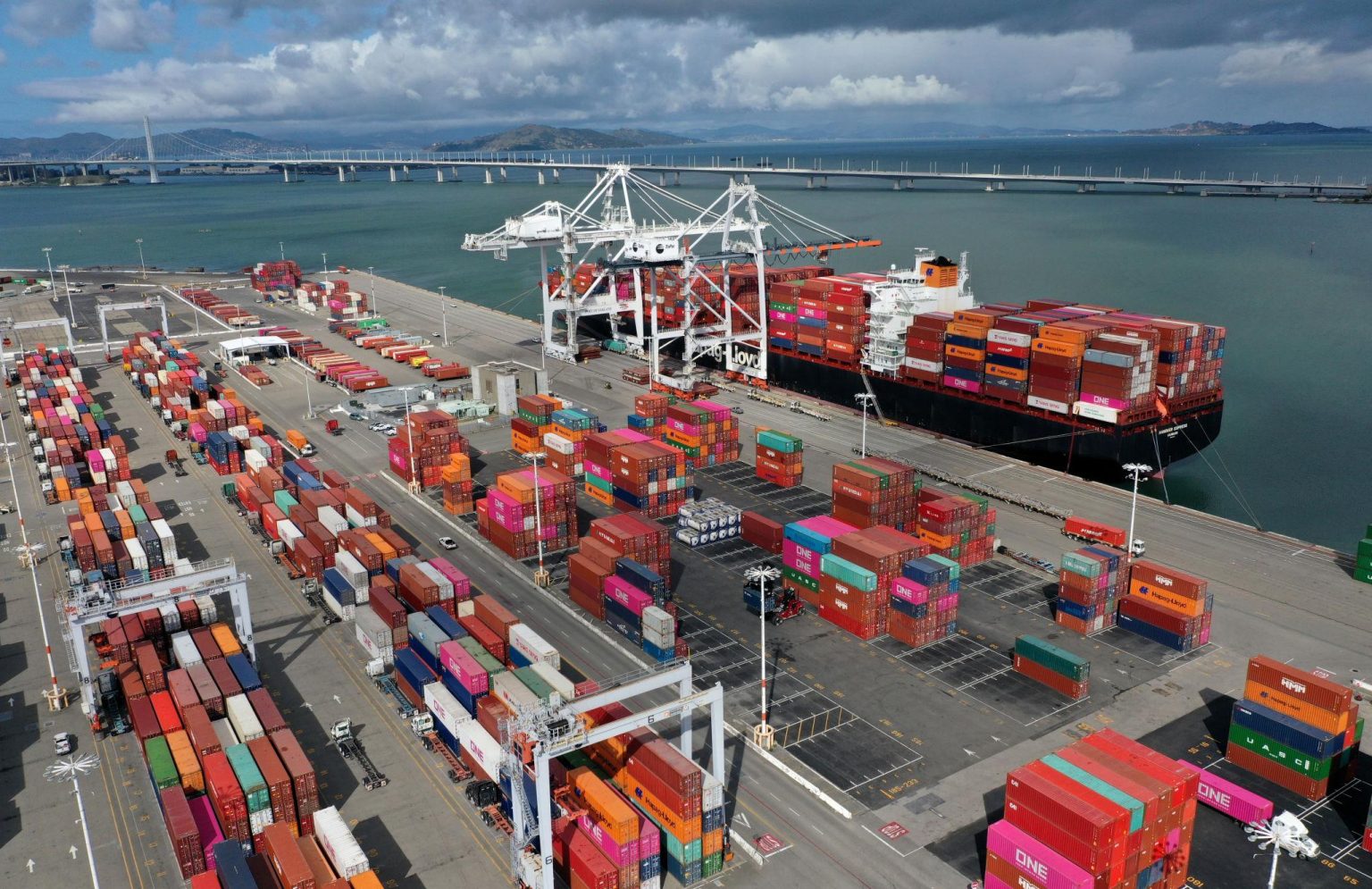
WASHINGTON, United States – May 8, 2026 – Brussels Morning Newspaper — US trade crisis concerns intensified after newly released shipping data showed that container imports into the United States declined by 5.5% during April 2026. Analysts say growing geopolitical instability, shifting tariff policies, and weakening business confidence are beginning to reshape global trade patterns and supply chain strategies.
- Global Shipping Industry Faces New Pressure
- Retailers Reduce Inventory Purchases
- Geopolitical Risks Impact International Commerce
- Port Activity Slows Across Key Regions
- The History of Shipping Declines and Economic Slowdowns
- Energy Costs Continue to Pressure Trade
- Supply Chains Enter a New Strategic Era
- Financial Markets Watch Trade Data Closely
- Businesses Prepare for Continued Volatility
- Consumer Spending Trends Remain Critical
- Outlook for the Second Half of 2026
- Economic Summary and Market Outlook
The decline reflects mounting uncertainty across international commerce as companies respond to rising operational costs, global political risks, and changing consumer demand. Economists warn that weaker shipping activity may become an early indicator of broader economic slowdown if the trend continues through the remainder of the year.
Several major American ports reportedly experienced softer cargo traffic during April, while retailers and manufacturers reduced inventory orders in response to unpredictable market conditions.
“Shipping activity often provides one of the earliest signs of changing economic momentum,”
one logistics analyst stated.
“Businesses are becoming increasingly cautious about future demand.”
Global Shipping Industry Faces New Pressure
The international shipping industry has spent the last several years recovering from pandemic-era disruptions, inflationary pressures, and labor shortages. However, the latest decline in container imports suggests a new phase of instability could be emerging.
Industry experts believe several factors contributed to the April slowdown:
- Rising geopolitical tensions in the Middle East
- Ongoing tariff and trade policy uncertainty
- Higher transportation and fuel costs
- Weakening retail inventory demand
- Slower manufacturing activity in some sectors
The growing US trade crisis narrative has become increasingly connected to fears surrounding global supply chain vulnerability and international political instability.
Shipping companies are now attempting to balance fluctuating demand with rising operating costs and uncertain trade conditions.
Retailers Reduce Inventory Purchases
American retailers appear to be slowing inventory replenishment as consumer spending patterns become less predictable. Businesses that previously increased imports to avoid supply shortages are now taking a more conservative approach.
Several major retail sectors reportedly reduced shipment activity during April, including:
- Consumer electronics
- Home furnishings
- Seasonal merchandise
- Apparel and accessories
- Non-essential household goods
Retail executives remain concerned about inflationary pressure on consumers and the possibility of reduced discretionary spending later in 2026.
Some companies are also attempting to avoid excess inventory accumulation after previous periods of over-ordering created financial strain.
Geopolitical Risks Impact International Commerce
Geopolitical instability continues to influence global trade decisions and shipping strategies. Tensions involving Iran, energy markets, and international military activity have increased concerns about the security of major shipping routes.
Many businesses fear that further escalation could disrupt critical maritime corridors used for transporting goods and energy supplies around the world.
Financial markets have also reacted nervously to rising geopolitical tensions, contributing to volatility across multiple industries.
The growing US trade crisis discussion reflects wider concerns about how global instability could affect economic growth, supply chains, and international business confidence.
“Trade systems depend heavily on predictability and stability,”
an international economist explained.
“When geopolitical uncertainty rises, businesses become more defensive.”
Port Activity Slows Across Key Regions
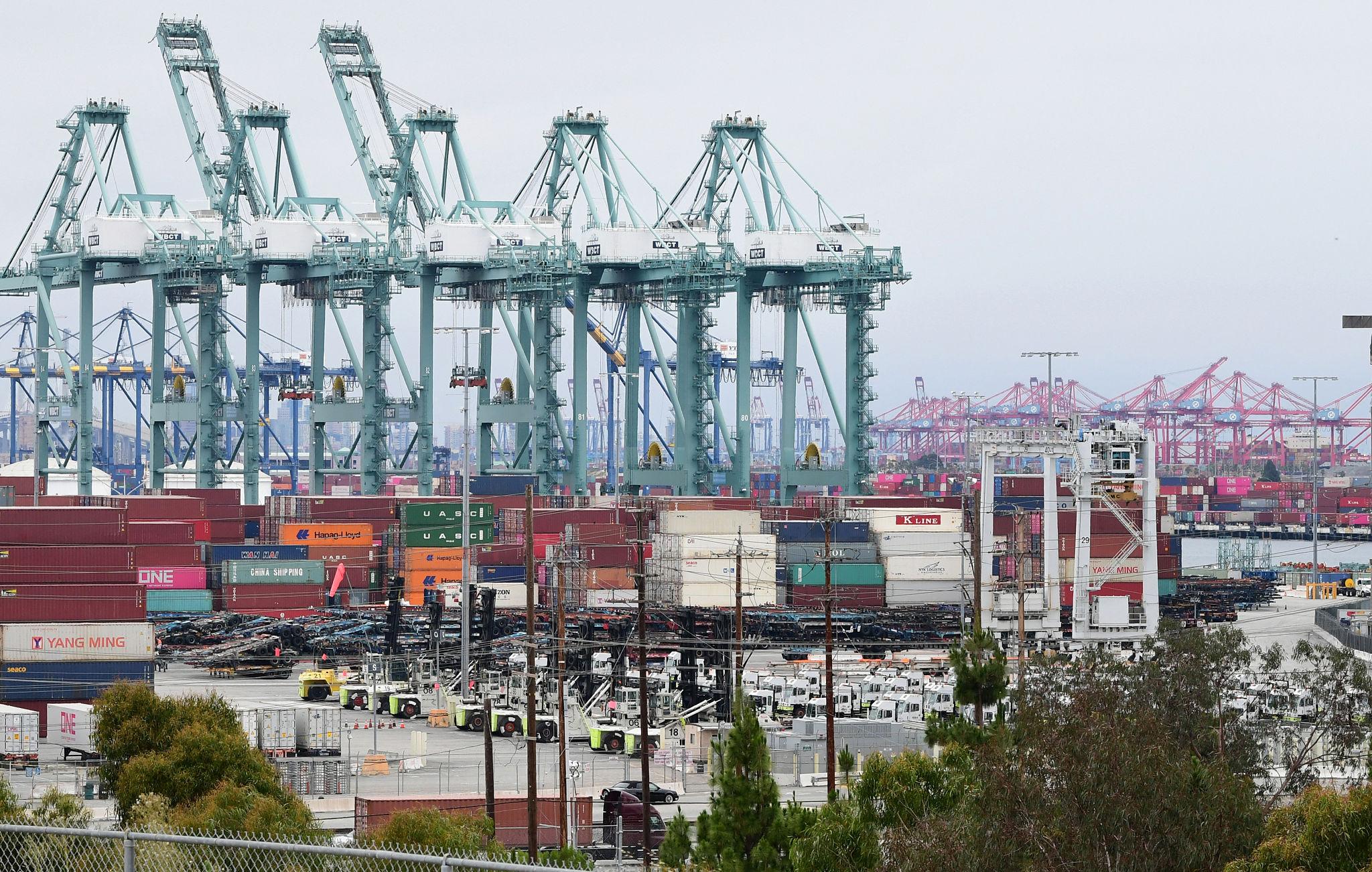
Several American ports experienced reduced container traffic during April compared to earlier months in 2026. Industry analysts say the slowdown is noticeable on both East Coast and West Coast shipping routes.
Port operators are closely monitoring:
- Reduced inbound cargo volumes
- Slower trucking demand
- Lower warehouse utilization rates
- Softer intermodal rail traffic
Although current shipping activity remains above severe recession levels, economists say continued weakness could place additional strain on logistics providers and transportation companies.
Shipping executives are already preparing for possible market volatility during the second half of the year.
Energy Costs Continue to Pressure Trade
Fuel prices remain a major challenge for shipping companies and transportation providers worldwide. Rising energy costs directly affect cargo ships, trucking fleets, rail transportation, and manufacturing operations.
Middle East instability has added additional uncertainty to global energy markets, raising fears about possible supply disruptions and transportation bottlenecks.
Higher fuel expenses increase shipping costs throughout the supply chain, often leading businesses to reduce shipment frequency or delay purchasing decisions.
“Energy volatility affects every level of global commerce,”
a shipping consultant said.
“Transportation costs quickly become inflationary pressure across entire industries.”
These conditions have complicated forecasting efforts for businesses attempting to plan inventory and logistics operations for the remainder of 2026.
Supply Chains Enter a New Strategic Era
The modern global supply chain environment is undergoing significant transformation. Companies are increasingly redesigning operations to reduce dependence on single regions or vulnerable shipping routes.
Businesses are now focusing more heavily on:
- Supplier diversification
- Regional manufacturing expansion
- Domestic production investment
- Inventory flexibility
- Advanced logistics monitoring systems
Some manufacturers have already begun shifting portions of production closer to North America to reduce exposure to future geopolitical risks.
The evolving US trade crisis environment is accelerating long-term structural changes in how companies manage international commerce.
Financial Markets Watch Trade Data Closely
Investors and economists often monitor shipping activity as an early warning indicator for broader economic conditions. Declining import volumes can sometimes signal weakening consumer demand or slowing industrial production.
Market analysts say the April decline in imports does not necessarily confirm a major economic downturn, but it does reflect growing caution among businesses.
Stock markets have already shown increased sensitivity to geopolitical developments, trade policy discussions, and inflationary pressures throughout 2026.
Several sectors closely tied to global commerce, including transportation, logistics, and manufacturing, remain particularly vulnerable to further trade disruptions.
Businesses Prepare for Continued Volatility
Many international companies are now developing contingency plans designed to address potential supply chain disruptions and shifting economic conditions.
Corporate risk management strategies increasingly include:
- Alternative sourcing arrangements
- Expanded inventory reserves
- Flexible transportation contracts
- Geographic production diversification
- Enhanced cybersecurity protections
Shipping firms are also investing more heavily in predictive analytics and artificial intelligence systems to better respond to sudden disruptions in global trade activity.
Industry experts say flexibility and adaptability will likely define successful supply chain management during the coming years.
Consumer Spending Trends Remain Critical
Consumer demand will likely determine whether shipping activity stabilizes later in 2026 or weakens further. Retailers remain cautious as inflation and economic uncertainty continue influencing purchasing behavior.
Essential goods categories have remained relatively stable, helping prevent a sharper decline in shipping activity. However, discretionary spending sectors appear more vulnerable to slowing demand.
Economists believe continued labor market stability could help support consumer confidence, although geopolitical developments remain difficult to predict.
The broader US trade crisis narrative will likely continue evolving alongside changes in consumer behavior, energy markets, and international diplomacy.
Outlook for the Second Half of 2026
Trade analysts remain divided on whether the April slowdown represents a temporary adjustment or the beginning of a more prolonged decline in global shipping activity.
If geopolitical tensions ease and consumer demand improves, shipping volumes could recover later in the year. However, continued instability may create additional pressure across supply chains and international commerce.
Businesses, investors, and policymakers are expected to monitor upcoming shipping data closely for signs of future economic direction.
For now, the decline in container imports serves as another reminder that global trade remains highly sensitive to political uncertainty and economic volatility.
Economic Summary and Market Outlook
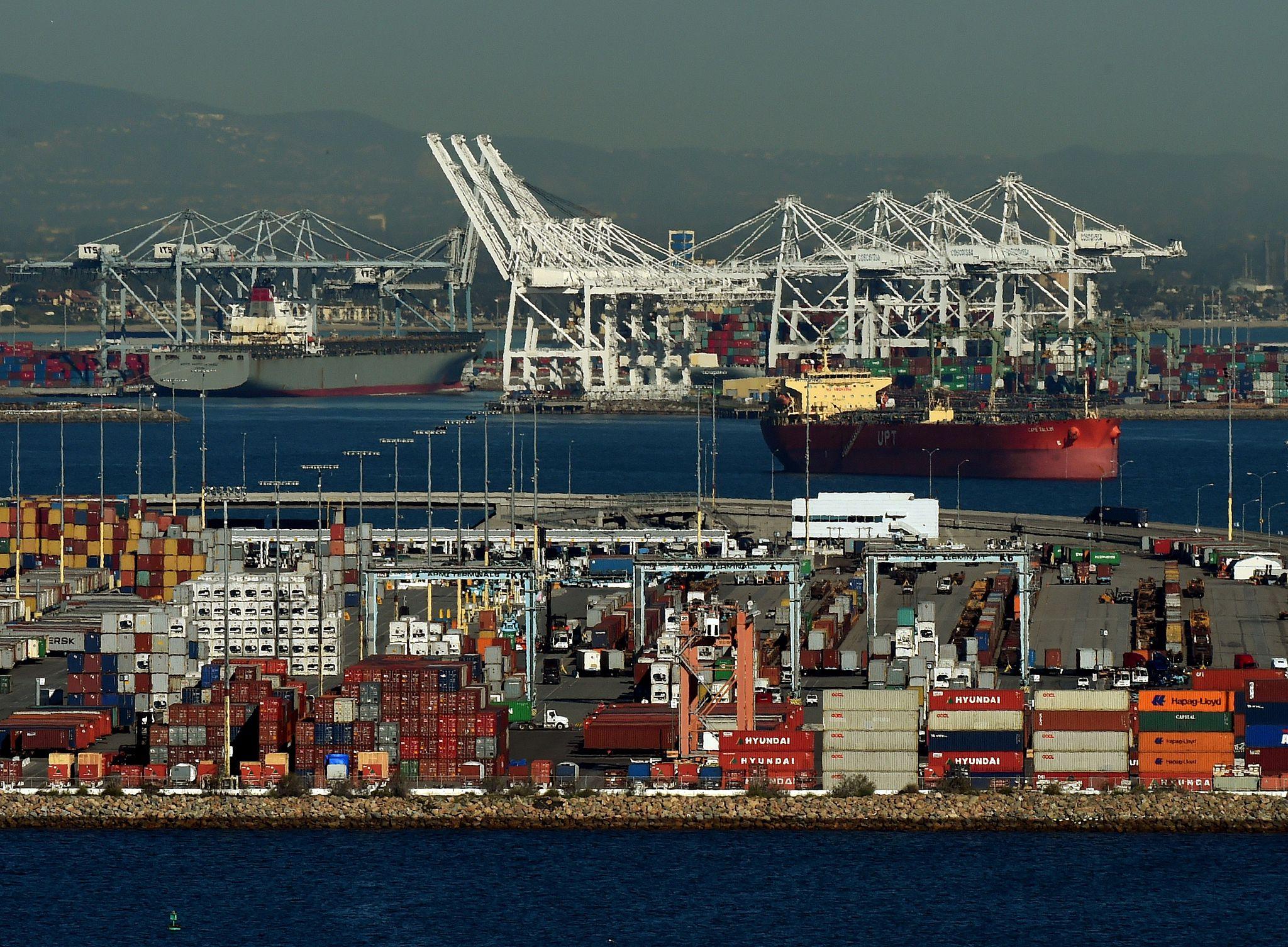
The 5.5% decline in United States container imports during April 2026 has intensified concerns surrounding global trade stability and economic momentum. Rising geopolitical tensions, higher energy prices, tariff uncertainty, and cautious consumer spending are all contributing to a more fragile shipping environment.
Businesses are responding by restructuring supply chains, reducing inventory exposure, and diversifying sourcing strategies to prepare for continued uncertainty. Economists say future shipping trends will provide important insight into whether global commerce stabilizes or faces additional slowdown during the remainder of 2026.
The ongoing US trade crisis discussion is likely to remain central to international economic conversations as governments and corporations navigate an increasingly unpredictable global marketplace.