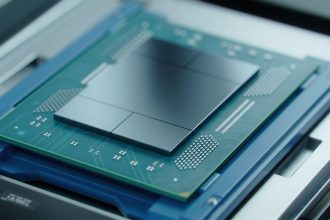
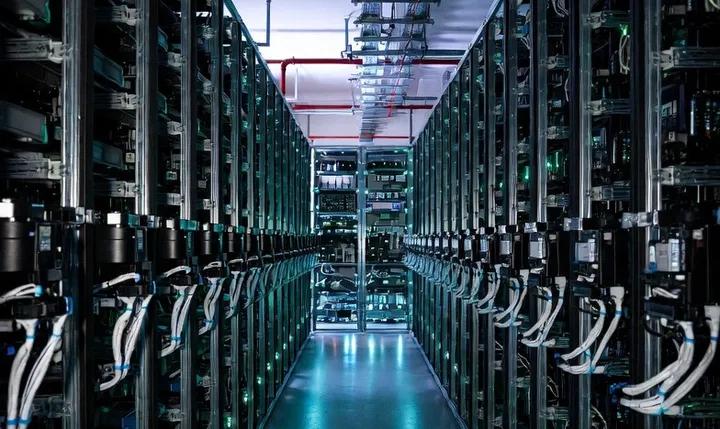
Singapore, Asia – May 7, 2026 – Brussels Morning Newspaper — AI chip manufacturing is becoming one of the most strategically important industries in the global economy as governments and technology companies accelerate investments in semiconductor production, artificial intelligence infrastructure, and advanced computing systems. The rapid expansion of AI applications has dramatically increased worldwide demand for high-performance chips capable of supporting machine learning, cloud computing, robotics, and generative AI technologies.
- Semiconductor Demand Continues Accelerating Worldwide
- Asia Strengthens Its Semiconductor Leadership
- United States Expands Domestic Chip Production
- Europe Seeks Greater Semiconductor Independence
- AI Data Centers Increase Energy Consumption
- Geopolitical Tensions Influence Chip Supply Chains
- Investors Continue Backing AI Expansion
- Workforce and Talent Competition Intensifies
- The Future of the Global AI Economy
- Key Takeaways From the Global AI Chip Manufacturing Race in 2026
Industry analysts say the global semiconductor race is no longer only about commercial technology leadership. It is increasingly tied to economic security, geopolitical influence, defense modernization, and long-term digital competitiveness.
Major economies across Asia, North America, and Europe are now investing billions of dollars into semiconductor production facilities and AI infrastructure projects designed to reduce supply chain risks and secure future computing capacity.
“The countries controlling advanced chip production may ultimately shape the future direction of the global AI economy,”
one semiconductor strategist said during a regional technology conference.
Semiconductor Demand Continues Accelerating Worldwide
The rapid expansion of artificial intelligence systems has created unprecedented demand for advanced processors and computing hardware. Data centers supporting AI models require enormous processing power, significantly increasing demand for graphics processing units, memory chips, and specialized AI accelerators.
Technology firms worldwide are competing aggressively to secure access to semiconductor supply chains capable of supporting long-term AI growth.
Cloud computing companies, enterprise software providers, automotive manufacturers, defense contractors, and consumer electronics firms are all increasing orders for AI-focused chips throughout 2026.
Analysts believe the global semiconductor industry is entering one of the largest investment cycles in its history as artificial intelligence transforms business operations across nearly every sector of the economy.
The rapid growth of AI chip manufacturing is also contributing to rising construction activity linked to fabrication plants, data centers, and advanced research facilities.
Asia Strengthens Its Semiconductor Leadership
Asian economies continue playing a dominant role in global semiconductor production. Taiwan, South Korea, Japan, and China remain deeply integrated into international chip supply chains and advanced manufacturing operations.
Taiwan continues holding a critical position in high-end semiconductor fabrication, while South Korean firms remain major producers of memory chips essential for AI processing systems.
Japan is increasing investments in semiconductor materials, manufacturing equipment, and next-generation chip technologies designed to strengthen domestic production capabilities.
China, meanwhile, continues prioritizing semiconductor independence as part of broader efforts to reduce reliance on Western technology exports and restrictions.
Several Asian governments are offering tax incentives, subsidies, and infrastructure support to encourage semiconductor investment and technological innovation.
The expansion of AI chip manufacturing across Asia has also intensified global competition for engineering talent, research partnerships, and advanced production equipment.
United States Expands Domestic Chip Production
The United States has accelerated efforts to strengthen domestic semiconductor manufacturing in response to growing geopolitical tensions and supply chain concerns.
Federal initiatives supporting chip production have encouraged major technology companies and semiconductor firms to announce new fabrication plants and research investments throughout the country.
Officials argue that increasing domestic production capacity is necessary to maintain technological leadership and reduce dependence on foreign suppliers for advanced semiconductors.
American technology firms remain major consumers of AI chips as demand for generative AI platforms, cloud services, and enterprise automation tools continues expanding rapidly.
Industry experts say the United States still maintains strong advantages in semiconductor design, AI software development, and advanced computing research despite increasing international competition.
However, supply chain vulnerabilities exposed during recent global disruptions have intensified pressure to diversify production capabilities and strengthen long-term semiconductor resilience.
“Semiconductors are no longer viewed as just commercial products. They are becoming essential strategic assets,”
one technology policy adviser stated.
Europe Seeks Greater Semiconductor Independence
European governments are also increasing investments aimed at strengthening regional semiconductor production and reducing reliance on external suppliers.
Several European countries have introduced funding programs supporting semiconductor research, manufacturing, and workforce development.
The European Union continues emphasizing technological sovereignty as part of broader digital transformation and economic security strategies.
Automotive manufacturing remains one of Europe’s largest drivers of semiconductor demand, particularly as electric vehicles and autonomous driving technologies become more advanced.
European technology firms are also increasing investments in industrial automation, cloud infrastructure, and AI-powered manufacturing systems.
While Europe still trails Asia and the United States in overall semiconductor production capacity, policymakers hope new investments can improve long-term competitiveness within the global AI economy.
AI Data Centers Increase Energy Consumption
The rapid expansion of AI chip manufacturing is closely tied to rising demand for massive data centers capable of supporting artificial intelligence operations.
Modern AI systems require substantial computing power and electricity consumption, increasing pressure on global energy infrastructure.
Technology companies continue building large-scale AI facilities throughout Asia, North America, and Europe to support growing enterprise demand for machine learning and cloud computing services.
Environmental organizations have raised concerns about the long-term sustainability of rapidly expanding AI infrastructure.
Several governments are encouraging renewable energy development and energy-efficient chip technologies to reduce the environmental impact of future AI growth.
Some semiconductor manufacturers are also investing in new cooling systems and energy-efficient production methods designed to lower operational costs and emissions.
Analysts believe future competition within the AI industry may increasingly focus on which companies can scale computing infrastructure while maintaining energy efficiency.
Geopolitical Tensions Influence Chip Supply Chains
Geopolitical competition continues shaping global semiconductor strategies throughout 2026.
Export controls, trade restrictions, and technology sanctions have increased pressure on governments and corporations to secure independent semiconductor supply chains.
Several countries now consider semiconductor production critical to national security and economic stability.
The growing strategic importance of AI chip manufacturing has also intensified concerns regarding potential supply disruptions tied to regional conflicts or political tensions.
Industry leaders continue warning that excessive fragmentation of global semiconductor markets could increase costs, reduce efficiency, and slow technological innovation.
At the same time, many governments argue that strengthening domestic production capabilities is necessary to protect long-term economic interests.
The balance between global cooperation and national self-sufficiency remains one of the defining challenges facing the semiconductor industry.
Investors Continue Backing AI Expansion
Investor enthusiasm surrounding artificial intelligence and semiconductor technologies remains strong despite concerns about market volatility and global economic uncertainty.
Technology stocks tied to AI infrastructure, advanced chip production, robotics, and cloud computing continue attracting significant capital inflows.
Several semiconductor companies have reported strong earnings growth driven by rising enterprise demand for AI computing systems.
Analysts believe artificial intelligence may remain one of the fastest-growing segments of the global technology sector throughout the remainder of the decade.
However, some economists warn that excessive optimism surrounding AI-related investments could create financial risks if commercialization expectations fail to match current market valuations.
Even so, most industry observers agree that artificial intelligence is likely to remain a major driver of global semiconductor demand for years to come.
“AI is fundamentally reshaping the economics of computing infrastructure worldwide,”
one investment analyst said.
Workforce and Talent Competition Intensifies
The rapid expansion of AI chip manufacturing has created growing competition for highly skilled engineers, software developers, semiconductor researchers, and manufacturing specialists.
Technology companies are increasing salaries and recruitment efforts to attract workers with expertise in chip design, machine learning systems, and advanced manufacturing technologies.
Universities across Asia, Europe, and North America are also expanding semiconductor engineering and AI research programs to address future labor shortages.
Several governments have identified workforce development as essential to maintaining competitiveness within the global technology sector.
Industry experts warn that talent shortages could become one of the biggest long-term challenges facing semiconductor production expansion worldwide.
The race to secure technological leadership increasingly depends not only on financial investment but also on access to highly trained scientific and engineering talent.
The Future of the Global AI Economy
The rapid growth of AI chip manufacturing is reshaping global technology markets, supply chains, and geopolitical strategies at an unprecedented pace.
Semiconductors now sit at the center of artificial intelligence development, cloud computing expansion, advanced robotics, defense modernization, and digital transformation initiatives worldwide.
Asia remains a dominant force in semiconductor production, while the United States and Europe continue expanding efforts to strengthen domestic manufacturing capabilities.
As artificial intelligence adoption accelerates across industries, competition surrounding semiconductor leadership is expected to intensify even further during the coming years.
Industry analysts believe the countries and corporations capable of securing reliable semiconductor supply chains may ultimately hold significant influence over the future structure of the global digital economy.
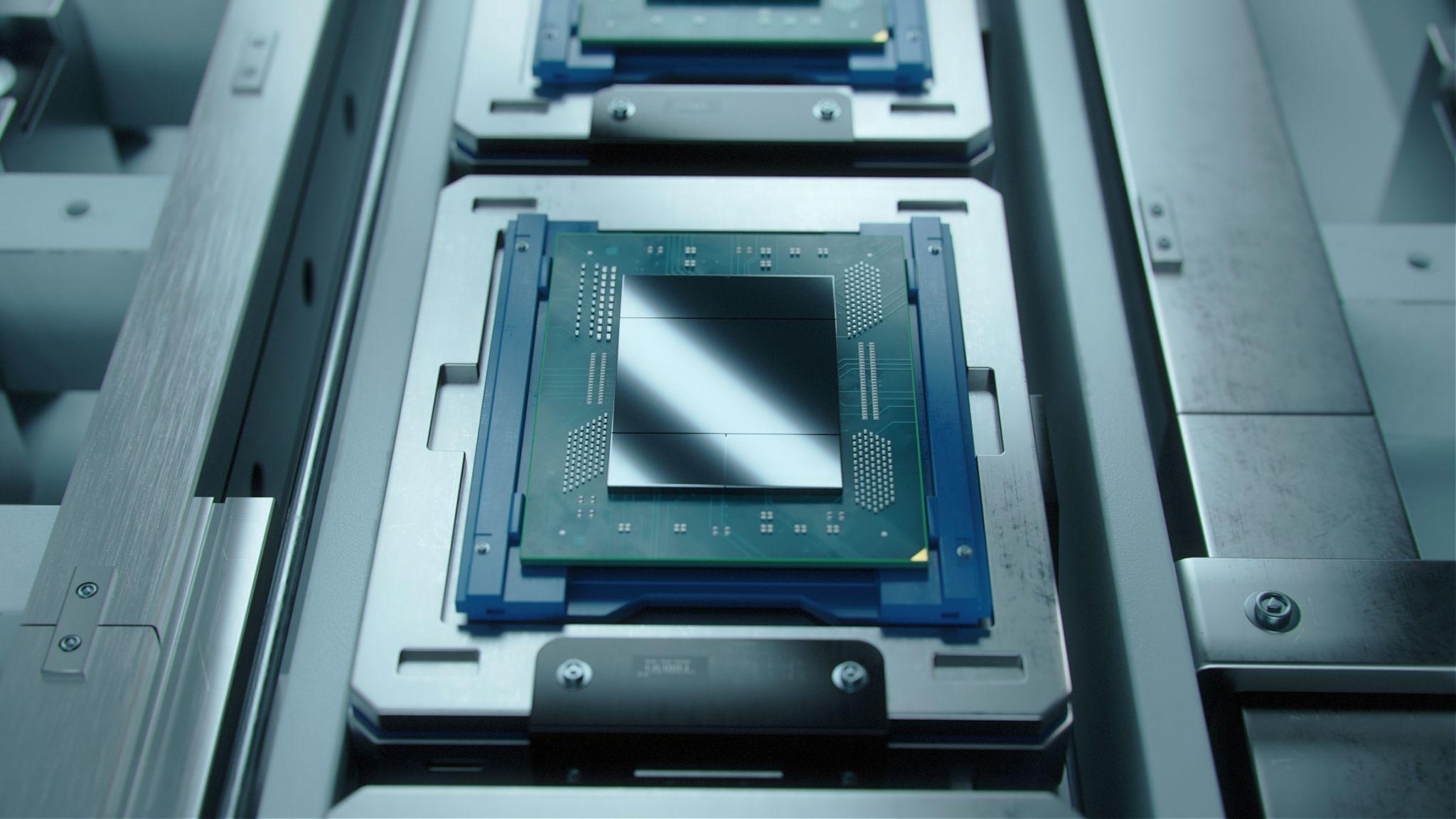
AI chip manufacturing is rapidly becoming one of the world’s most strategically important industries as artificial intelligence adoption accelerates across global markets. Governments and technology companies throughout Asia, the United States, and Europe are investing heavily in semiconductor production, AI infrastructure, and supply chain security. Rising demand for advanced chips, cloud computing systems, and enterprise AI applications continues driving growth despite concerns surrounding energy consumption, geopolitical tensions, and workforce shortages. Analysts increasingly believe semiconductor leadership could determine the future balance of power within the global technology economy.