
Madrid, Spain – April 20, 2026 — Brussels Morning Newspaper – EU energy cooperation strategy is gaining momentum after Spain confirmed it would actively participate in a potential European Union jet fuel sharing initiative. The development, reported just 17 minutes ago, signals a broader push toward coordinated energy management across Europe.
- Spain Signals Support for Shared Fuel Framework
- What the EU Fuel Sharing Proposal Involves
- Why Energy Cooperation Is Becoming Critical
- Impact on Aviation Sector
- Strengthening EU Coordination
- Economic and Strategic Implications
- Challenges Facing Implementation
- What Happens Next?
- A Turning Point for Energy Policy
Officials say the move is aimed at strengthening resilience in the face of supply disruptions and growing demand across key sectors, including aviation.
Spain Signals Support for Shared Fuel Framework
EU energy cooperation strategy is at the center of Spain’s announcement, with government officials emphasizing the importance of collaboration among EU member states. The proposed system would allow countries to share jet fuel supplies during shortages.
A senior official stated:
“Working together ensures that no member state faces critical shortages alone.”
Spain’s position reflects increasing recognition that energy challenges require collective solutions.
What the EU Fuel Sharing Proposal Involves
The EU energy cooperation strategy includes plans for a coordinated mechanism to manage jet fuel supplies across member states. The goal is to reduce the risk of disruptions caused by geopolitical tensions or supply chain issues.
Key components of the proposal include:
- Shared fuel reserves across EU countries
- Rapid redistribution systems
- Centralized monitoring of supply levels
This framework aims to create a more stable and responsive energy network.
Why Energy Cooperation Is Becoming Critical
EU energy cooperation strategy is gaining urgency as Europe faces ongoing challenges related to energy security. Recent global developments have exposed vulnerabilities in supply chains, prompting governments to act.
Driving factors include:
- Dependence on external energy sources
- Market volatility in fuel pricing
- Increasing demand across industries
These pressures are accelerating the shift toward collaborative energy solutions.

Impact on Aviation Sector
EU energy cooperation strategy has significant implications for the aviation industry. Reliable access to jet fuel is essential for maintaining flight schedules and economic activity.
Potential benefits include:
- Reduced risk of flight cancellations
- Greater stability in fuel supply
- Improved operational planning for airlines
Industry stakeholders are closely monitoring developments as discussions progress.
Strengthening EU Coordination
The success of the EU energy cooperation strategy will depend on effective coordination among member states. Clear policies and transparent communication will be essential.
Key considerations include:
- Establishing fair distribution rules
- Ensuring accurate data sharing
- Balancing national and regional interests
Achieving consensus will be critical for implementation.
Economic and Strategic Implications
EU energy cooperation strategy reflects a broader shift toward collective resource management within Europe. By pooling resources, countries can reduce risks and enhance economic stability.
Potential impacts include:
- Stabilized energy markets
- Increased investor confidence
- Stronger resilience during crises
These benefits highlight the strategic importance of cooperation.
Challenges Facing Implementation
Despite its potential, the EU energy cooperation strategy faces several challenges. Differences in national priorities and logistical complexities could slow progress.
Key challenges include:
- Coordination across multiple governments
- Infrastructure limitations
- Regulatory and legal hurdles
Addressing these issues will require careful planning and negotiation.
What Happens Next?
EU energy cooperation strategy discussions are expected to continue within EU institutions. Spain’s support may encourage other countries to join the initiative, increasing momentum.
Upcoming developments to watch:
- Formal policy proposals
- Responses from other EU members
- Industry feedback from aviation and energy sectors
The coming weeks will be crucial in shaping the proposal’s future.
A Turning Point for Energy Policy
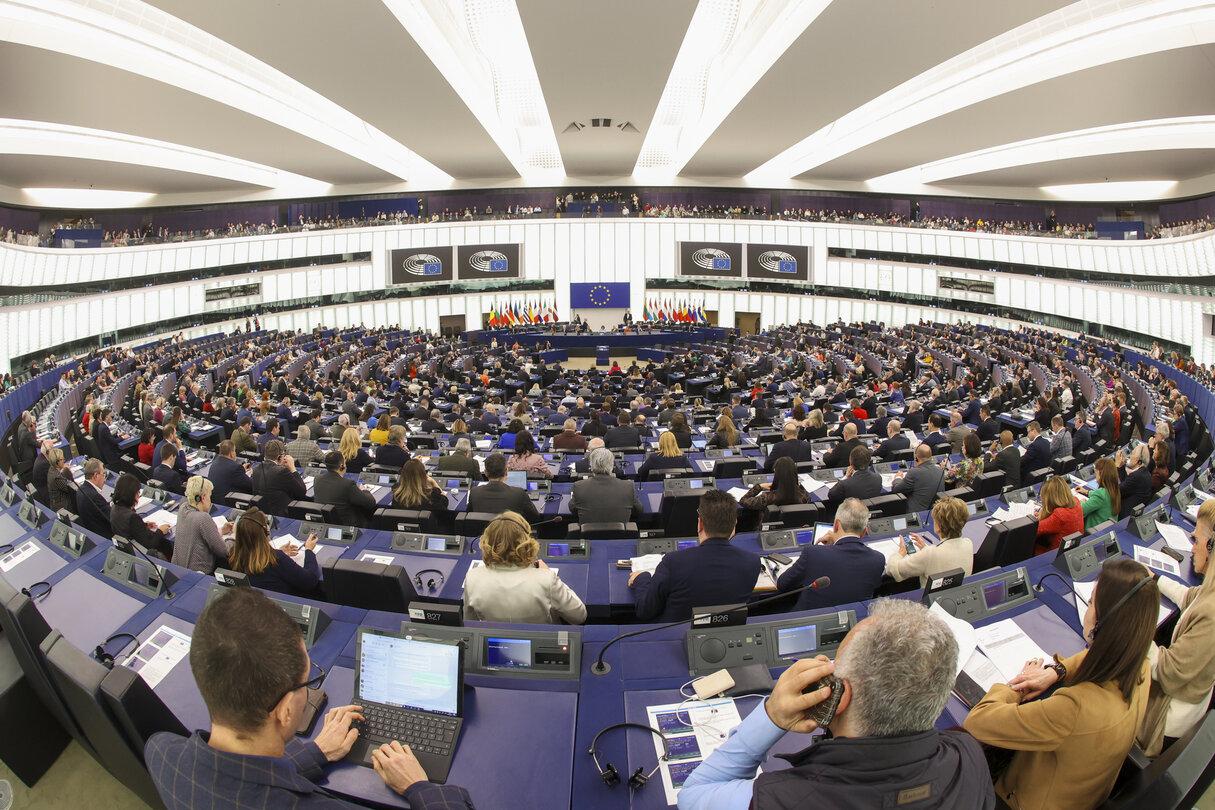
EU energy cooperation strategy highlights a significant shift in how Europe manages its energy resources. Spain’s willingness to participate in fuel sharing reflects growing momentum toward collaborative solutions.
In summary:
- EU energy cooperation strategy is gaining traction across Europe
- Spain supports a coordinated jet fuel sharing system
- The plan could enhance energy security and stability
- Challenges remain, but cooperation is increasing
As Europe continues to navigate complex energy challenges, initiatives like this could play a key role in ensuring long-term resilience.