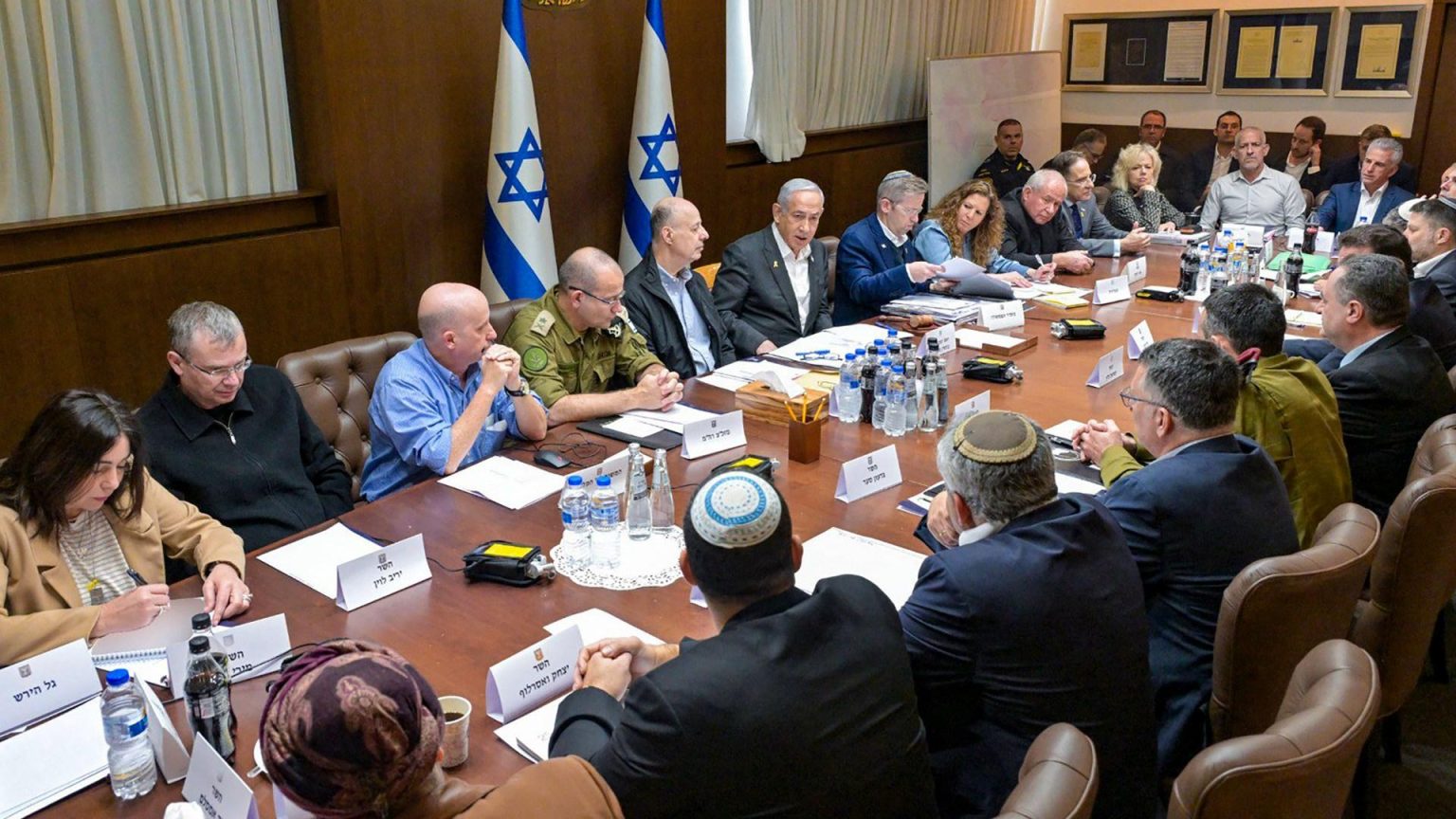
Jerusalem, Israel – April 18, 2026 — Brussels Morning Newspaper – Trump ceasefire backlash has emerged as a major geopolitical development in April 2026, with Israeli government officials expressing strong concern over the former U.S. president’s announcement of a ceasefire initiative. The reaction highlights growing friction between political messaging and strategic priorities in an already volatile Middle East landscape.
Israeli leadership has described the move as unexpected and counterproductive, signaling frustration over what they perceive as a lack of coordination on critical security matters.
Israeli leadership voices concern
The Trump ceasefire backlash became evident shortly after the announcement, with senior officials publicly criticizing the initiative. According to government insiders, the ceasefire proposal was seen as undermining ongoing strategic efforts and potentially weakening leverage in the region.
Officials emphasized that any ceasefire agreement must align with security objectives and reflect conditions on the ground. The perception that the announcement was premature has fueled concerns about its broader implications.
A senior Israeli official remarked:
“Decisions of this magnitude must reflect realities on the ground, not just political messaging.”
Strategic disagreements come to light
The Trump ceasefire backlash has brought underlying strategic disagreements into focus. While ceasefire initiatives are generally aimed at reducing hostilities, their timing and structure can significantly influence outcomes.
Analysts note that differences in approach between political figures and regional governments are not uncommon, particularly in complex conflict scenarios. However, public reactions of this intensity underscore the sensitivity of the situation.
Regional tensions remain high
Despite the ceasefire announcement, tensions across the Middle East remain elevated. Reports of continued military activity and heightened alert levels indicate that the situation is far from stable.
The Trump ceasefire backlash reflects broader concerns that diplomatic initiatives may not fully account for evolving conditions on the ground. This disconnect can complicate efforts to achieve lasting stability.
Diplomatic implications and global reaction
The Trump ceasefire backlash has drawn attention from international observers, many of whom are closely monitoring developments. Diplomatic responses have varied, with some calling for restraint and others emphasizing the importance of coordinated action.
The situation highlights the complexity of managing international relations in a region where multiple stakeholders have competing interests. Each development has the potential to influence broader diplomatic dynamics.
Political impact within Israel
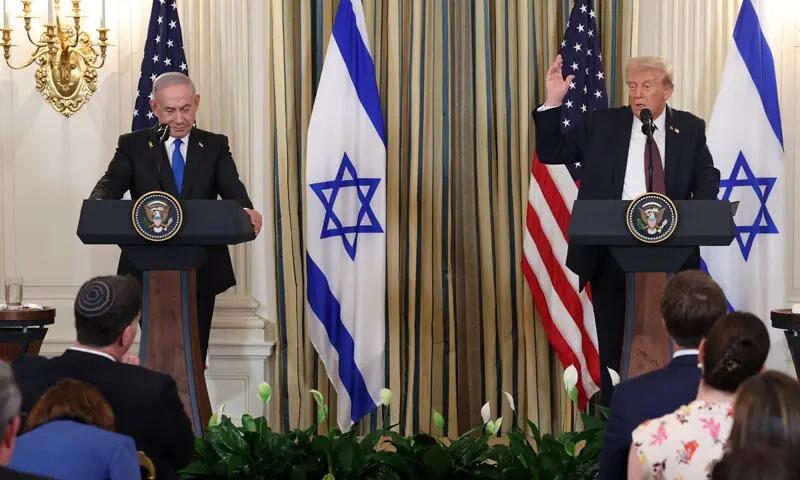
Domestically, the Trump ceasefire backlash has also sparked political debate within Israel. Leaders are navigating both external pressures and internal expectations, balancing the need for security with the realities of international diplomacy.
Public sentiment appears divided, with some supporting a firm stance against the ceasefire proposal and others advocating for diplomatic engagement.
Trump ceasefire backlash reaches a critical point
“In conflicts like these, timing and coordination are everything—missteps can shift the balance in unpredictable ways.”
Broader geopolitical context
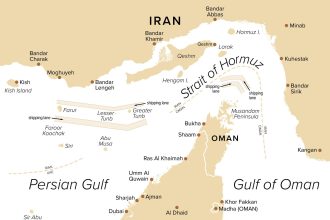
The Trump ceasefire backlash cannot be viewed in isolation. It is part of a larger geopolitical landscape shaped by ongoing tensions involving Iran, regional alliances, and shifting global power dynamics.
Experts suggest that ceasefire initiatives, while important, must be carefully structured to ensure they contribute to long-term stability rather than short-term political gains.
What happens next?
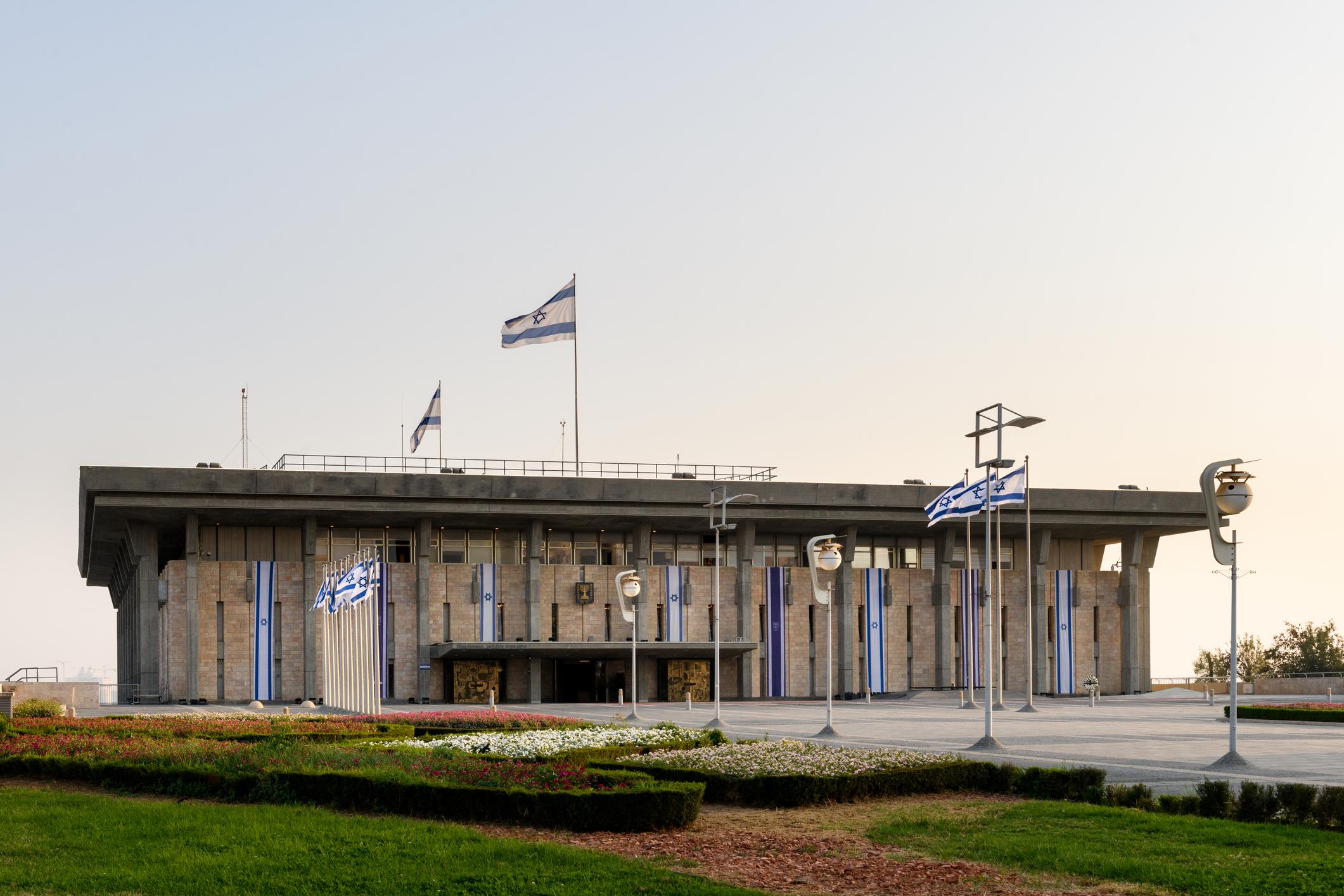
The coming days are expected to be critical as diplomatic discussions continue. The Trump ceasefire backlash is likely to influence both regional strategies and international engagement efforts.
Observers anticipate further statements from key stakeholders as they assess the implications of the ceasefire announcement and its reception.
A fragile diplomatic moment
The Trump ceasefire backlash highlights the challenges of navigating complex geopolitical conflicts. While ceasefire proposals are intended to reduce tensions, their effectiveness depends on alignment with on-the-ground realities and coordination among stakeholders.
Israel’s strong reaction underscores the importance of strategic clarity and communication in high-stakes situations. As developments continue, the focus will remain on whether diplomatic efforts can bridge existing gaps and contribute to a more stable regional environment.