Beijing, April 16, 2026 — Brussels Morning Newspaper — global travel advisory update has drawn international attention after China issued a warning to its citizens regarding what it described as “malicious questioning” by U.S. border officers. The advisory signals growing concerns about traveler experiences, border security practices, and rising geopolitical tensions between the two nations.
The notice urges Chinese travelers to remain cautious when entering the United States, citing reports of extended questioning and heightened scrutiny at ports of entry. Officials say these incidents reflect broader concerns about treatment and safety during international travel.
What Prompted the Global Travel Advisory Update?
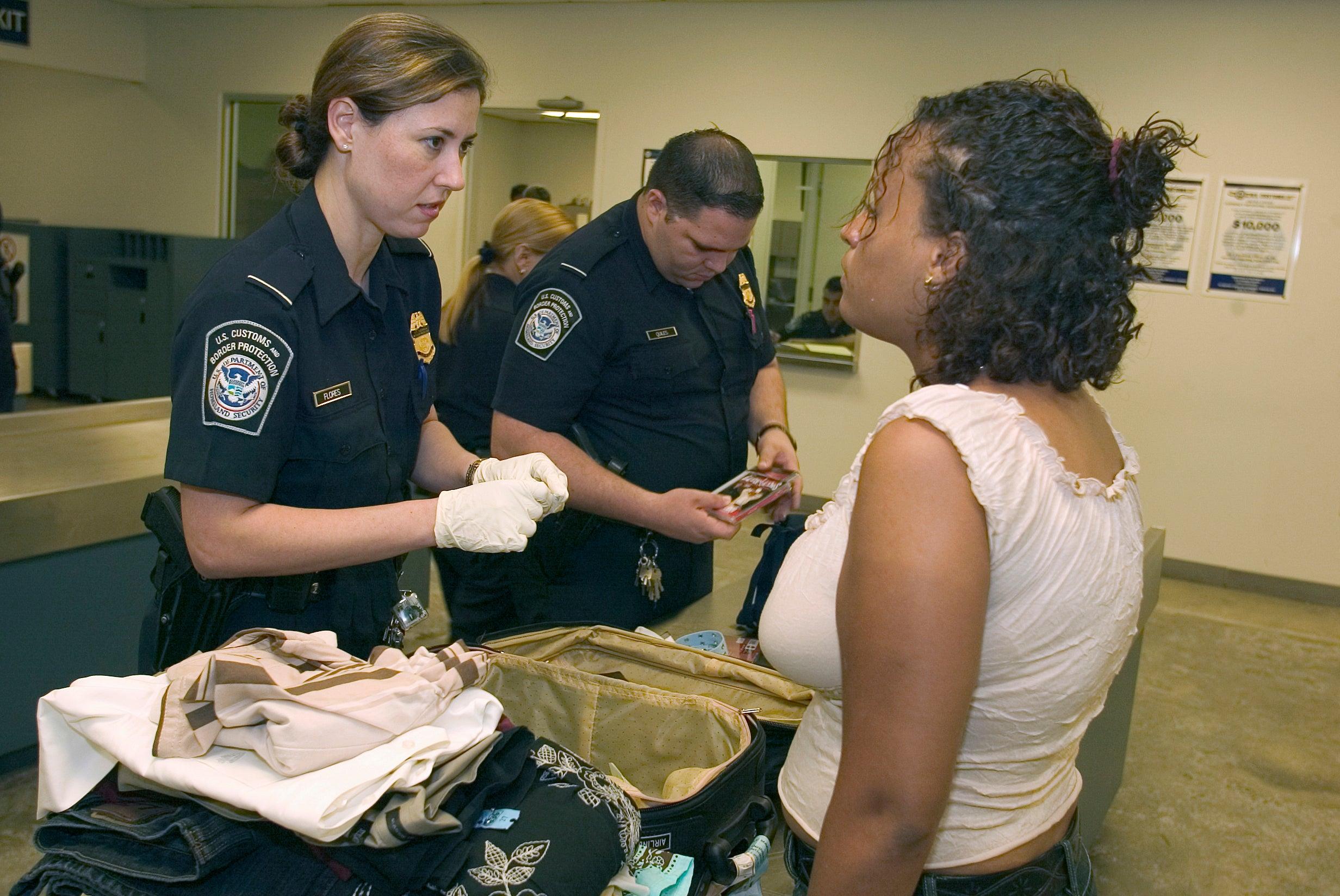
The global travel advisory update follows a series of reported encounters involving Chinese nationals who faced detailed questioning by U.S. border officials. These interactions reportedly included inquiries into academic backgrounds, employment history, and travel intent.
Chinese authorities characterized such questioning as excessive, raising concerns about fairness and consistency in border enforcement.
A government spokesperson stated:
“Travelers should remain alert and fully informed when entering foreign countries, especially in situations involving extended questioning.”
This statement has intensified global attention on cross-border travel conditions.
Growing US-China Tensions Behind the Advisory
The global travel advisory update comes amid ongoing tensions between Washington and Beijing. Trade disputes, technological competition, and national security concerns have contributed to an increasingly complex relationship.
Border security measures are often influenced by these broader dynamics, particularly as both nations prioritize protecting sensitive industries and intellectual property.
Experts note that such advisories are often tied to geopolitical developments rather than isolated incidents.
Impact on Travel, Business, and Education
The global travel advisory update could significantly affect international mobility. Travel between China and the United States plays a crucial role in business, education, and tourism.
Potential impacts include:
- Decline in travel between the two countries
- Increased caution among international students
- Delays and complications at border checkpoints
- Reduced business travel and collaboration
These effects may extend to multiple sectors, influencing global economic activity.

Understanding Border Questioning Practices
The global travel advisory update has raised questions about what constitutes standard border procedures. U.S. authorities maintain that questioning is a routine part of ensuring compliance with immigration laws and national security protocols.
However, the perception of such practices can vary depending on individual experiences and political context.
A policy expert explained:
“Border questioning is a necessary tool, but it must be applied consistently to avoid misunderstandings and diplomatic friction.”
Security Measures vs. Traveler Perception
The global travel advisory update highlights the delicate balance between enforcing security and maintaining positive international relations. Governments must protect their borders while ensuring that travelers feel safe and respected.
Factors influencing increased scrutiny include:
- National security concerns
- Protection of sensitive technologies
- Immigration enforcement priorities
- Risk assessment protocols
At the same time, these measures can lead to perceptions of bias or unfair treatment.
International Reactions and Concerns
The global travel advisory update has prompted responses from travel experts and international observers. Many emphasize the importance of transparency and clear communication in border procedures.
Some analysts believe the advisory could encourage discussions on improving travel policies and strengthening cooperation between countries.
Practical Advice for Travelers
In light of the global travel advisory update, travelers are being advised to take proactive steps when entering the United States.
Key recommendations include:
- Carrying complete and accurate travel documentation
- Being prepared for detailed questioning
- Remaining calm and cooperative during interactions
- Staying updated on official travel advisories
These measures can help minimize potential challenges at border crossings.
Broader Implications for Global Travel
The global travel advisory update reflects a broader trend of increased scrutiny in international travel. As geopolitical tensions rise, border procedures are becoming more complex and security-focused.
This shift may lead to:
- Stricter travel regulations
- Increased documentation requirements
- Longer processing times at borders
- Greater emphasis on traveler screening
These changes could reshape global travel patterns in the coming years.
Diplomatic Outlook and Future Developments
It remains uncertain how the issues highlighted in the global travel advisory update will evolve. Diplomatic discussions may address concerns, but underlying tensions could continue to influence travel policies.
Experts suggest that ongoing dialogue and cooperation will be essential to maintaining stability and ensuring fair treatment for travelers.
What Travelers Must Know Before Entering the US
Global travel advisory update has raised concerns after China warned its citizens about “malicious questioning” by U.S. border officers. The advisory reflects rising tensions between the two countries and could impact travel, education, and business exchanges. As scrutiny at borders increases, the situation highlights broader challenges facing international travel in 2026.