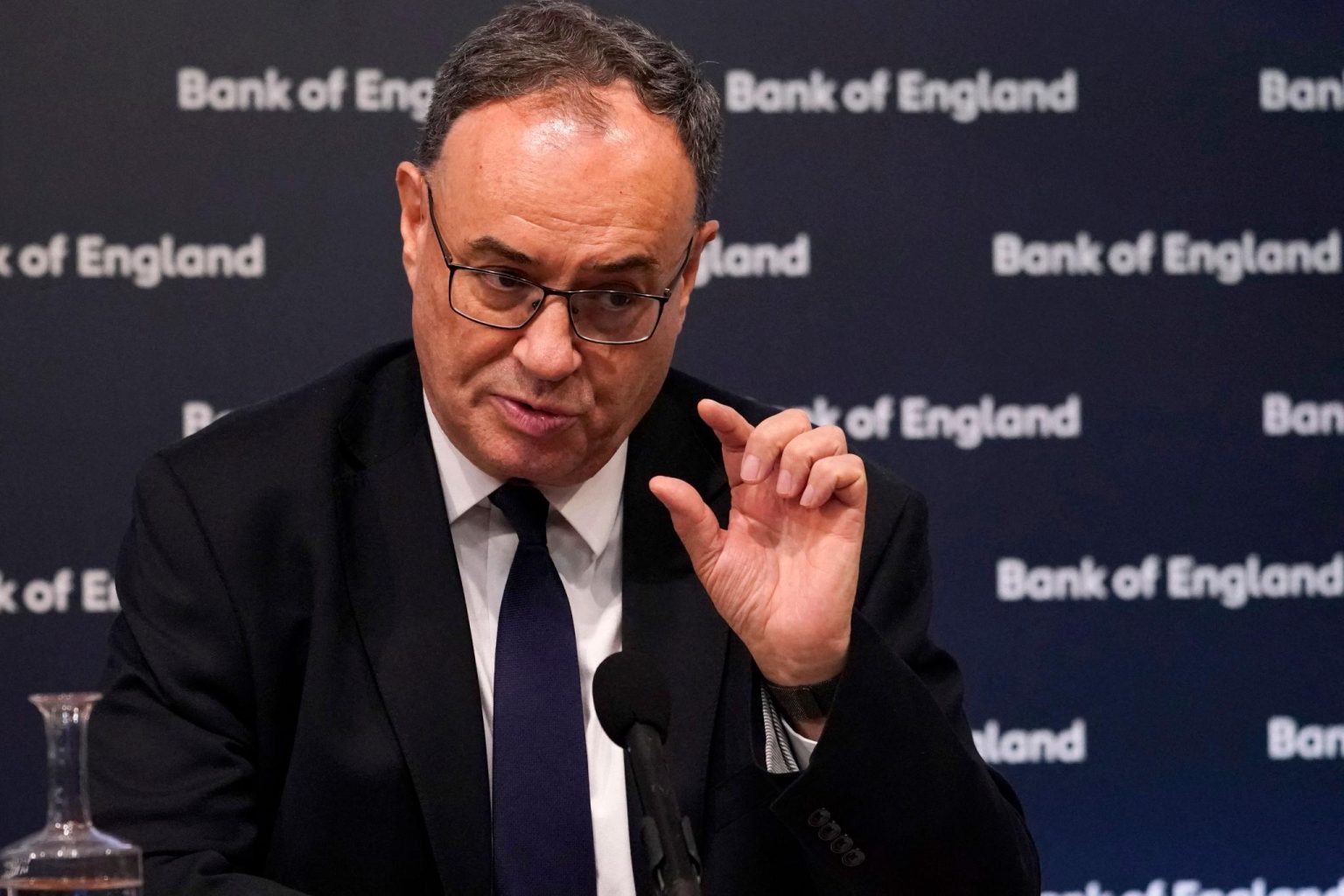
London, April 16, 2026 — Brussels Morning Newspaper — UK economy interest rates are under intense scrutiny after Bank of England Governor Andrew Bailey signaled that policymakers are “not going to rush” decisions on further rate increases. The remarks come as the UK faces persistent inflation pressures alongside signs of slowing economic growth.
The cautious tone suggests the central bank is reassessing its approach, balancing the need to control inflation with the risk of weakening the broader economy. Markets are now closely watching for signals on how interest rate policy may evolve in the coming months.
Bailey’s Cautious Approach Sends a Clear Signal
The outlook for UK economy interest rates shifted following Bailey’s comments, which emphasized patience and careful evaluation. Rather than committing to aggressive rate hikes, the Bank of England appears focused on monitoring economic data before taking further action.
In a recent interview, Bailey stated:
“We are not going to rush these decisions—we need to ensure we get this right for the economy.”
This measured stance reflects the complexity of the current economic environment and the risks associated with premature policy moves.
Inflation Pressures Continue to Challenge Policymakers
A key factor shaping UK economy interest rates is the ongoing challenge of inflation. While price growth has shown signs of easing, it remains above the Bank of England’s target level.
Persistent inflation creates pressure for higher interest rates, but policymakers must also consider the broader economic impact of tightening monetary policy.
Key inflation drivers include:
- Elevated energy and food costs
- Supply chain disruptions
- Wage growth pressures
- Global economic uncertainty
These factors complicate efforts to bring inflation under control without harming economic activity.
Economic Growth Slows as Rates Rise
The trajectory of UK economy interest rates is closely tied to economic growth. Higher borrowing costs have begun to weigh on consumer spending and business investment.
Indicators suggest that:
- Household budgets are under strain
- Retail activity is softening
- Business confidence remains uncertain
- Investment decisions are being delayed
This slowdown reinforces the need for a balanced approach to rate policy.
Market Reaction to Interest Rate Signals
Financial markets responded quickly to the latest UK economy interest rates outlook. Investors interpreted Bailey’s remarks as a sign that the pace of rate increases may slow.
Market reactions included:
- Movement in bond yields
- Fluctuations in the British pound
- Adjustments in interest rate expectations
Analysts suggest that while the cautious approach may reduce immediate volatility, uncertainty about future policy remains.
Impact on Borrowers and Households
Changes in UK economy interest rates have direct consequences for households across the country. Mortgage holders and borrowers are particularly sensitive to rate fluctuations.
A slower pace of rate increases could:
- Ease pressure on mortgage repayments
- Provide stability for household finances
- Support consumer confidence
However, if inflation remains high, the cost of living could continue to offset these benefits.
Businesses Adjust to a Changing Rate Environment
The direction of UK economy interest rates also affects businesses, particularly those reliant on borrowing for growth and expansion.
Higher rates can:
- Increase financing costs
- Reduce profit margins
- Delay investment plans
- Impact hiring decisions
Bailey’s cautious stance may offer some relief, but uncertainty continues to weigh on business planning.
Global Context: Central Banks Taking a Similar Path
The shift in UK economy interest rates strategy reflects a broader global trend. Many central banks are moving away from aggressive rate hikes and adopting a more cautious approach.
This change is driven by concerns about:
- Slowing global economic growth
- Financial market stability
- The delayed impact of previous rate increases
The Bank of England’s position aligns with these international developments.
Risks of Policy Missteps
The future of UK economy interest rates carries significant risks. Acting too quickly could harm economic growth, while delaying action could allow inflation to persist.
A financial analyst noted:
“The challenge is finding the right balance—move too fast, and you risk recession; move too slow, and inflation becomes entrenched.”
This highlights the delicate nature of monetary policy decisions.
What to Watch in the Coming Months
The outlook for UK economy interest rates will depend heavily on upcoming economic data. Key indicators include:
- Inflation trends
- Employment figures
- Consumer spending patterns
- Global economic developments
These factors will shape the Bank of England’s next moves and influence market expectations.
Broader Implications for the UK Economy
The path of UK economy interest rates will have far-reaching implications for the UK’s economic future. Decisions made now will impact growth, inflation, and financial stability for years to come.
A cautious approach may help avoid sharp economic downturns, but it also requires careful monitoring to ensure inflation is effectively managed.
What This Means for Your Money Right Now
UK economy interest rates are at a critical turning point as Bank of England Governor Andrew Bailey signals a cautious approach to future rate rises. Policymakers are balancing persistent inflation with slowing economic growth, leaving markets uncertain about what comes next. The outcome will shape borrowing costs, consumer spending, and the broader economic outlook in 2026.