Beirut, April 1, 2026 — Brussels Morning Newspaper — Christians in Lebanon living in southern towns including Rmeich, Debel, and Ain Ebel are facing heightened fear as an Israeli military advance has prompted the Lebanese army to withdraw troops from the area, leaving residents exposed. These historic Christian communities had remained despite mass evacuation orders, hoping to protect their homes and churches. With limited access to food, fuel, and medical supplies, Christians in Lebanon are preparing for the possibility of severe shortages while bracing for further escalation. U.S. diplomatic efforts have sought assurances from Israel to spare Christian villages, but anxiety continues to mount as Easter approaches.
Christians in Lebanon Confront Growing Threat
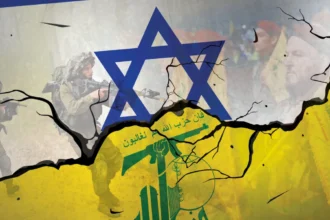
Rmeich, Ain Ebel, and Debel, towns along southern Lebanon, are home to thousands of Christians in Lebanon who now face mounting fear as the conflict between Israel and Hezbollah escalates nearby. Residents initially stayed despite Israeli evacuation orders, believing their communities would remain untouched. However, a recent withdrawal of Lebanese army troops has left townspeople anxious and exposed to potential violence. The situation highlights the precarious position of Christians in Lebanon as the war edges closer to their historic communities.
Historically, the Lebanese army provided protection and facilitated access to food, medicine, and other essentials. With the latest redeployments, this safety net has largely disappeared. Residents are now forced to prepare for shortages of vital supplies, including water, electricity, and medical care, as tensions rise in southern Lebanon.
Army Withdrawal Sparks Panic
“The Lebanese army was our guarantee and gave us strength,”
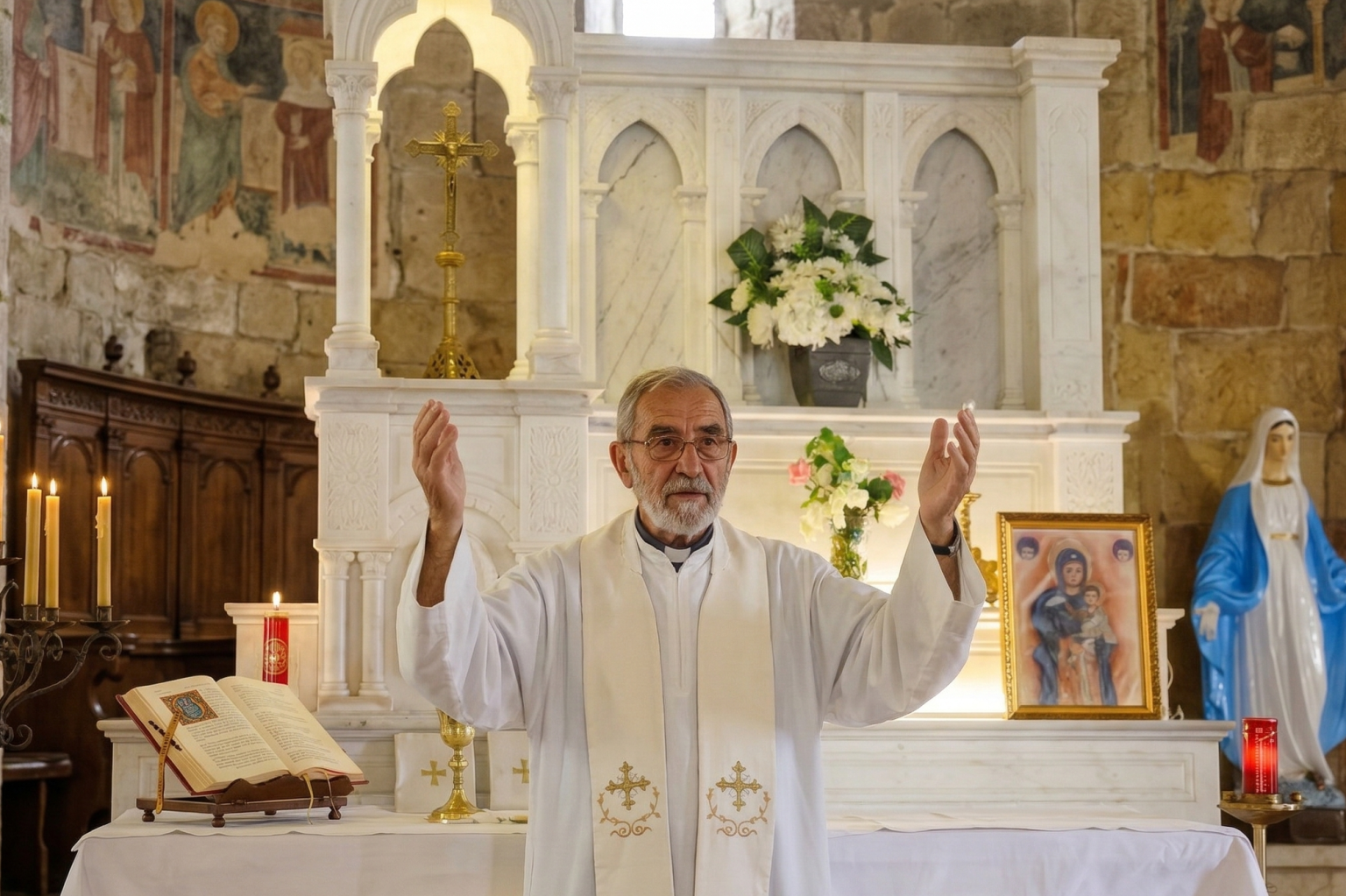
said Fadi Falfil, a priest in Debel, describing the sense of security that dissipated with the troop withdrawal. The timing is especially concerning as Easter approaches, the most significant week in the Christian calendar. Christians in Lebanon now confront the reality of preparing for a major religious celebration amid the threat of conflict.
The withdrawal has left townspeople feeling trapped between the frontlines of the Israel-Hezbollah confrontation. Limited access to essential goods and ongoing missile and rocket fire compound the fear of escalating hostilities. Communities that once relied on army protection now face the uncertainty of defending themselves and maintaining basic survival supplies.
International Efforts to Protect Christian Villages
The United States has intervened diplomatically, urging Israel to spare Christian villages in southern Lebanon. U.S. envoy Michel Issa said Washington received assurances that Israel would avoid targeting Christian towns as long as Hezbollah members did not infiltrate these communities. While these assurances provide some relief, Christians in Lebanon remain vigilant, uncertain if the guarantees will hold under the pressures of ongoing military operations.
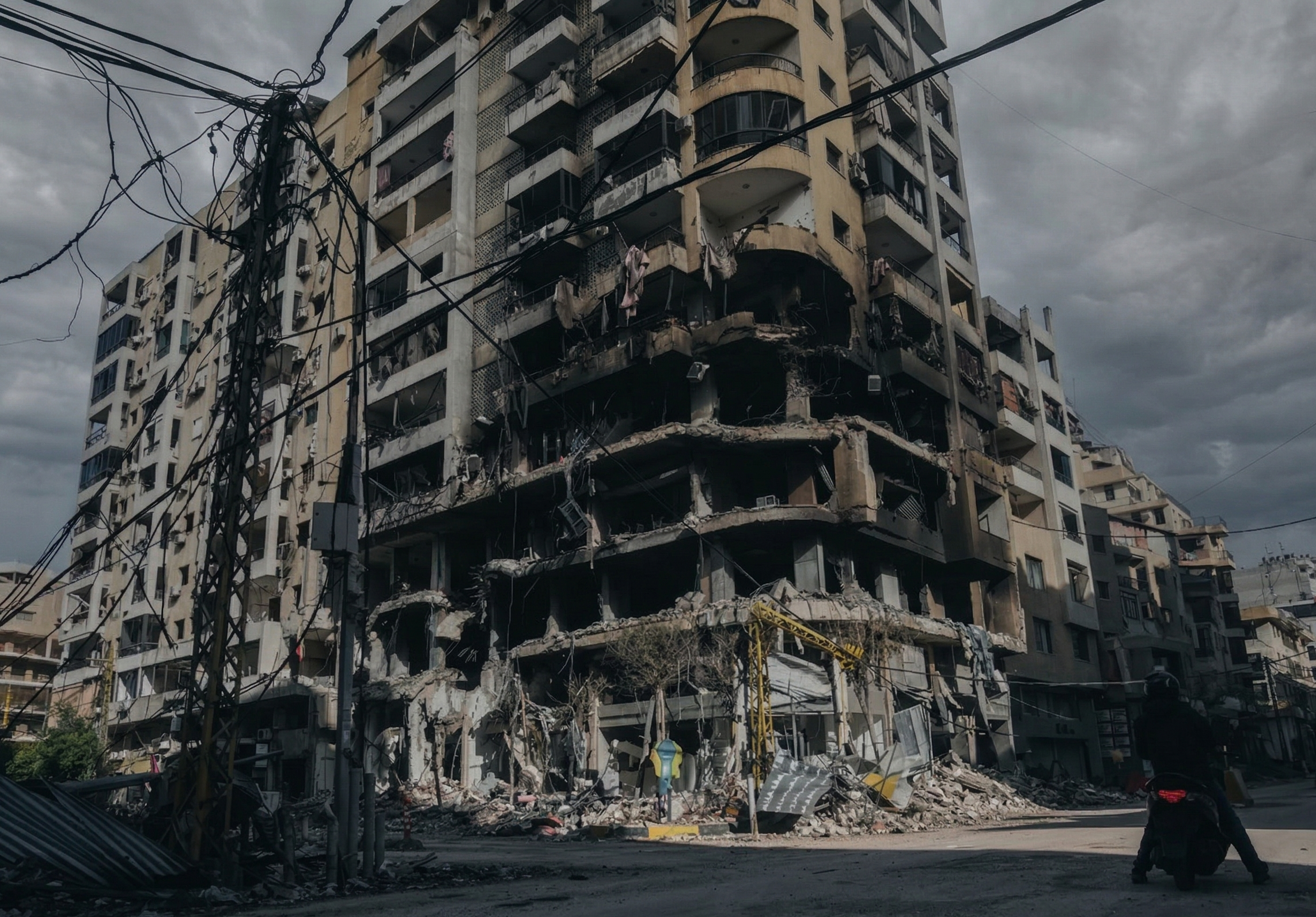
Despite international intervention, the threat to towns like Rmeich, Debel, and Ain Ebel remains significant. Israeli strikes have already destroyed some homes near the border, and intercepted drones have caused damage to residential areas. Residents are bracing for further escalation as the military conflict continues.
Regional implications of the southern Lebanon conflict
The precarious situation of Christians in Lebanon’s southern towns is also a stark reminder of the broader regional ripple effects for Europe and the United States. Any escalation along the Israel-Lebanon border risks drawing in external powers, complicating already strained relations between Washington and Tehran. European nations, many hosting large Lebanese diaspora communities, could face heightened refugee flows and increased political pressure to mediate. The instability could disrupt trade routes and energy supplies in the Eastern Mediterranean, while intensifying sectarian tensions across Lebanon may embolden militias and non-state actors. For policymakers, the situation underscores the urgent need for diplomatic engagement to prevent a localized conflict from spiraling into a wider regional crisis.
Communities Prepare for Emergencies
Local residents and leaders are taking proactive measures to prepare for potential conflict. Villagers in Rmeich and Ain Ebel have stocked up on supplies sufficient to last several months, including food, fuel, and medicine. Daily routines have been adjusted to minimize risk, such as holding Easter masses during daylight hours to avoid traveling in the dark. These precautions reflect the ongoing vigilance of Christians in Lebanon who remain determined to stay in their historic towns despite the risks.
Priests and mayors have coordinated strategies to maintain community cohesion and safety. In Debel, residents continue to monitor Israeli military movements while managing limited resources. The combination of faith and practical planning underlines the resilience of Christians in Lebanon, who strive to preserve their traditions and communities amid increasing uncertainty.
Rising Tensions at the Border
Israeli military operations have caused direct damage in towns close to the border. Drones intercepted over Rmeich shattered windows, and shrapnel has landed in populated areas. Some homes near the frontier have been demolished as part of the Israeli Defense Ministry’s ongoing operations. Residents are acutely aware that the conflict could escalate further, putting their lives and livelihoods at risk.
Ayoub Khreish, mayor of Ain Ebel, said the community had prepared for up to two months of isolation, with provisions and fuel in place. He emphasized the townspeople’s commitment to their land, stating that Christians in Lebanon feel deeply connected to their homes and churches, which motivates them to remain even under threat.
Religious Hope Amid Conflict
Faith remains central for Christians in Lebanon as they face these challenges. Local religious leaders have expressed hope that the conflict may subside by Easter, framing the holiday as a symbol of potential renewal and peace. While the situation remains tense, these communities cling to spiritual guidance and communal solidarity as a source of strength.
The resilience of Christians in Lebanon highlights the broader challenge faced by minority communities in conflict zones. Their determination to remain in historic towns despite the dangers reflects a deep cultural and religious attachment that transcends immediate survival concerns.
Communities Stay Despite Uncertainty
Despite the threat of war, residents in Rmeich, Debel, and Ain Ebel have vowed not to leave. They are determined to protect their homes, churches, and land. Christians in Lebanon understand the personal risk but remain committed to preserving their heritage and way of life. Their actions demonstrate a combination of courage, planning, and faith that enables them to endure the stress of living in a conflict-prone area.
The situation in southern Lebanon continues to evolve, with Christians in Lebanon remaining alert and prepared for potential escalation. The community’s steadfastness underscores both the vulnerability and resilience of minority populations in regions affected by prolonged conflict. As the war approaches these historic towns, Christians in Lebanon stand at a delicate crossroads, balancing survival, faith, and tradition.