

Global — March 27, 2026 — Brussels Morning Newspaper — The global aviation sector is facing escalating disruption as Airlines cancel flights across major international routes, driven by rising geopolitical tensions and growing safety concerns. Airports worldwide are reporting delays and cancellations, leaving passengers stranded and forcing airlines to rapidly adjust operations.
- Safety Concerns Dominate Aviation Decisions
- Airspace Restrictions Force Rapid Operational Changes
- Passengers Face Widespread Disruption
- Economic Consequences for the Aviation Industry
- Government and Regulatory Responses
- Global Connectivity Under Strain
- Traveler Uncertainty and Changing Plans
- Expert Perspectives on Aviation Disruption
- Historical Context of Aviation Disruptions
- Potential for Continued Disruption
- Impact on Business and Global Economy
- Regional Differences in Impact
- A Critical Moment for Aviation Resilience
- When the Sky Reflects Global Uncertainty
The increase in disruptions reflects a broader shift in how aviation responds to instability. As Airlines cancel flights, the ripple effects are being felt across continents, impacting both travel plans and global connectivity.
Safety Concerns Dominate Aviation Decisions
The primary factor behind why Airlines cancel flights is the need to ensure passenger and crew safety. Conflict zones, restricted airspace, and unpredictable conditions have made certain routes too risky for operation.
Aviation authorities have issued advisories urging caution, prompting airlines to suspend flights in affected areas. These decisions are not taken lightly, as they carry operational and financial consequences.
Safety remains the overriding priority, even as disruption spreads.
Airspace Restrictions Force Rapid Operational Changes
Airspace closures are a critical reason why Airlines cancel flights. When regions become inaccessible, airlines must quickly adapt by rerouting or suspending services.
Rerouted flights often require longer travel times and increased fuel consumption. In many cases, airlines determine that cancellations are the safest and most practical option.
This dynamic demonstrates how quickly aviation networks can be reshaped by external events.
Passengers Face Widespread Disruption
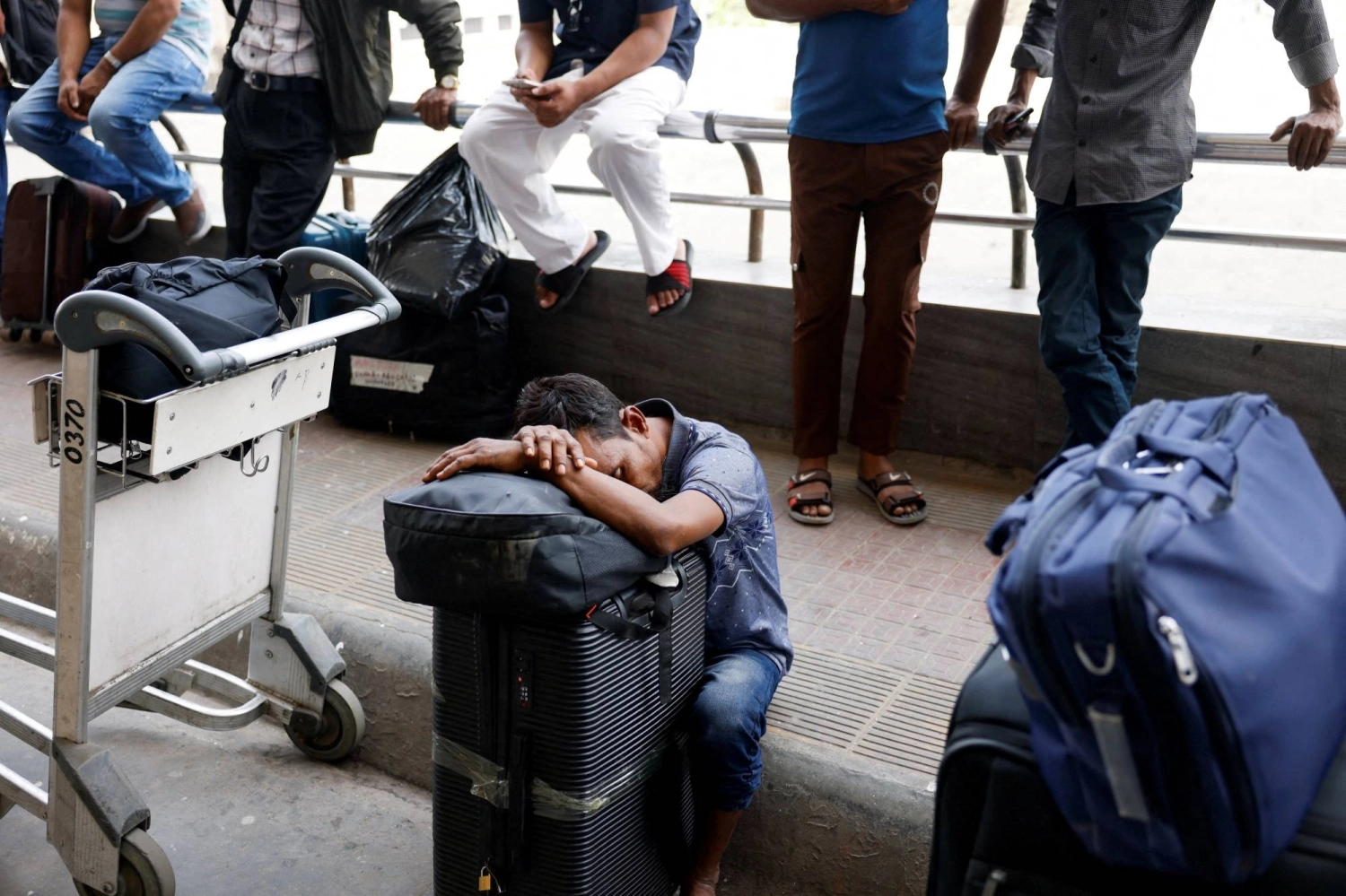
Travelers are experiencing the immediate effects as Airlines cancel flights, with airports becoming crowded as passengers seek alternative arrangements. Long queues and delayed departures are becoming increasingly common.
Many passengers are struggling to rebook flights, while others face extended wait times. The disruption is affecting both short and long haul travel, highlighting the global scale of the situation.
For many, uncertainty has become the defining feature of travel.
Economic Consequences for the Aviation Industry
The decision as Airlines cancel flights has significant economic implications. Airlines are facing revenue losses due to canceled tickets, while operational costs increase from rerouting and adjustments.
Airports and related businesses are also affected, with reduced passenger numbers impacting revenue streams. The tourism sector may experience declines as travel plans are disrupted.
These economic ripple effects extend far beyond the aviation industry.
Government and Regulatory Responses
Authorities are actively responding as Airlines cancel flights, working to manage the situation and ensure safety. Regulatory bodies are coordinating with airlines to provide guidance and support.
Measures include monitoring airspace conditions, issuing travel advisories, and assisting stranded passengers. Governments are also evaluating strategies to maintain stability in the aviation sector.
These coordinated efforts aim to minimize disruption while prioritizing safety.
Global Connectivity Under Strain
The widespread cancellations highlight how Airlines cancel flights can impact global connectivity. Major travel hubs are experiencing increased pressure as they handle rerouted flights and displaced passengers.
The interconnected nature of aviation means that disruptions in one region can quickly spread, affecting routes worldwide. This creates a complex web of challenges for airlines and travelers alike.
Traveler Uncertainty and Changing Plans
For passengers, the reality that Airlines cancel flights has created significant uncertainty. Travel plans are being altered or canceled entirely, forcing individuals to adapt quickly.
Airlines are working to provide support through rebooking and refunds, but the scale of disruption has made it difficult to address all concerns promptly.
Travelers are advised to stay informed and remain flexible as the situation evolves.
Expert Perspectives on Aviation Disruption
Experts analyzing the situation where Airlines cancel flights emphasize the importance of adaptability in the aviation industry.
One aviation analyst stated:
“Safety must remain the priority, even when it results in widespread disruption across global travel networks.”
Another expert noted:
“The interconnected nature of aviation means that even localized instability can have global consequences.”
These insights highlight the complexity of managing such disruptions.
Historical Context of Aviation Disruptions
The current situation where Airlines cancel flights can be better understood within the broader history of aviation disruptions. Past events, including geopolitical conflicts and security concerns, have led to similar patterns.
While each situation has unique elements, common themes include rapid operational changes, economic impact, and the need for coordinated responses.
Understanding this context provides insight into how the current disruption may unfold.
Potential for Continued Disruption
The likelihood that Airlines cancel flights will continue depends on how geopolitical conditions evolve. Ongoing tensions may lead to further cancellations and route adjustments.
Airlines are preparing contingency plans to manage uncertainty, including flexible scheduling and enhanced communication with passengers.
The coming days will be critical in determining the extent of disruption.
Impact on Business and Global Economy
The decision as Airlines cancel flights extends beyond travel inconvenience, affecting business operations and economic activity. Companies relying on international travel may face delays, while supply chains could be impacted.
Reduced cargo capacity may also influence global trade, demonstrating how aviation disruptions can have far reaching consequences.
Regional Differences in Impact
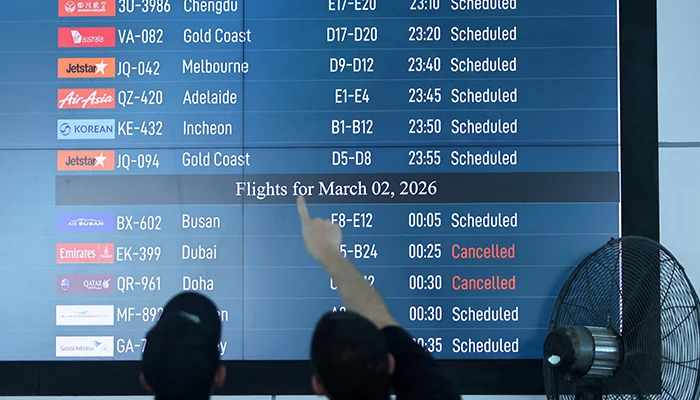
The effects of Airlines cancel flights vary by region, with some areas experiencing greater disruption due to proximity to affected zones. Travel hubs are adapting to new patterns, managing increased demand in some areas while facing reduced activity in others.
This variation highlights the complexity of global aviation networks.
A Critical Moment for Aviation Resilience
The ongoing situation where Airlines cancel flights represents a test of resilience for the aviation industry. Airlines, airports, and regulators must adapt quickly to changing conditions.
The ability to respond effectively will influence how the industry manages future disruptions and maintains stability.
When the Sky Reflects Global Uncertainty
The reality that Airlines cancel flights shows how closely aviation is tied to global events. As tensions rise, the skies become a reflection of broader uncertainty.
The situation underscores the importance of stability in maintaining global connectivity and highlights the challenges faced by the aviation industry during periods of crisis.