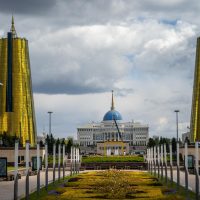
Tehran, March 11, 2026 — Brussels Morning Newspaper — Iran civilian infrastructure attacks have become one of the most debated geopolitical issues in the Middle East as tensions involving Iran, the United States, and Israel continue to dominate international headlines. Iranian officials say that thousands of civilian locations across the country have been damaged during recent military actions, raising concerns about the safety of urban populations and the stability of essential infrastructure systems.
Authorities in Tehran state that residential areas, transportation systems, energy facilities, and government service buildings have experienced disruption during the escalating confrontation. The claims have triggered strong reactions from international leaders and humanitarian organizations that are increasingly concerned about the impact of modern warfare on civilian populations.
While the full scale of the alleged destruction remains difficult to verify independently, the allegations surrounding Iran civilian infrastructure attacks are now shaping diplomatic conversations across the world.
Global Attention Focuses on Civilian Safety
The issue has drawn significant global attention because infrastructure plays a critical role in supporting civilian life. Urban centers rely on complex systems that include electricity networks, water supply lines, hospitals, transportation routes, and communications systems.
When these systems are disrupted, communities may struggle to maintain access to basic services. Experts say that damage to infrastructure can sometimes create humanitarian challenges that last far longer than the conflict itself.
Several international organizations have urged caution and transparency as the situation unfolds. They emphasize the importance of protecting civilian infrastructure under international humanitarian law.
One European security analyst explained the seriousness of the situation.
“Modern conflicts increasingly affect civilian systems that millions of people rely on every day,”
the analyst said.
“Protecting those systems must remain a priority.”
These concerns are now closely linked to the debate surrounding Iran civilian infrastructure attacks.
Tehran Describes Widespread Disruption
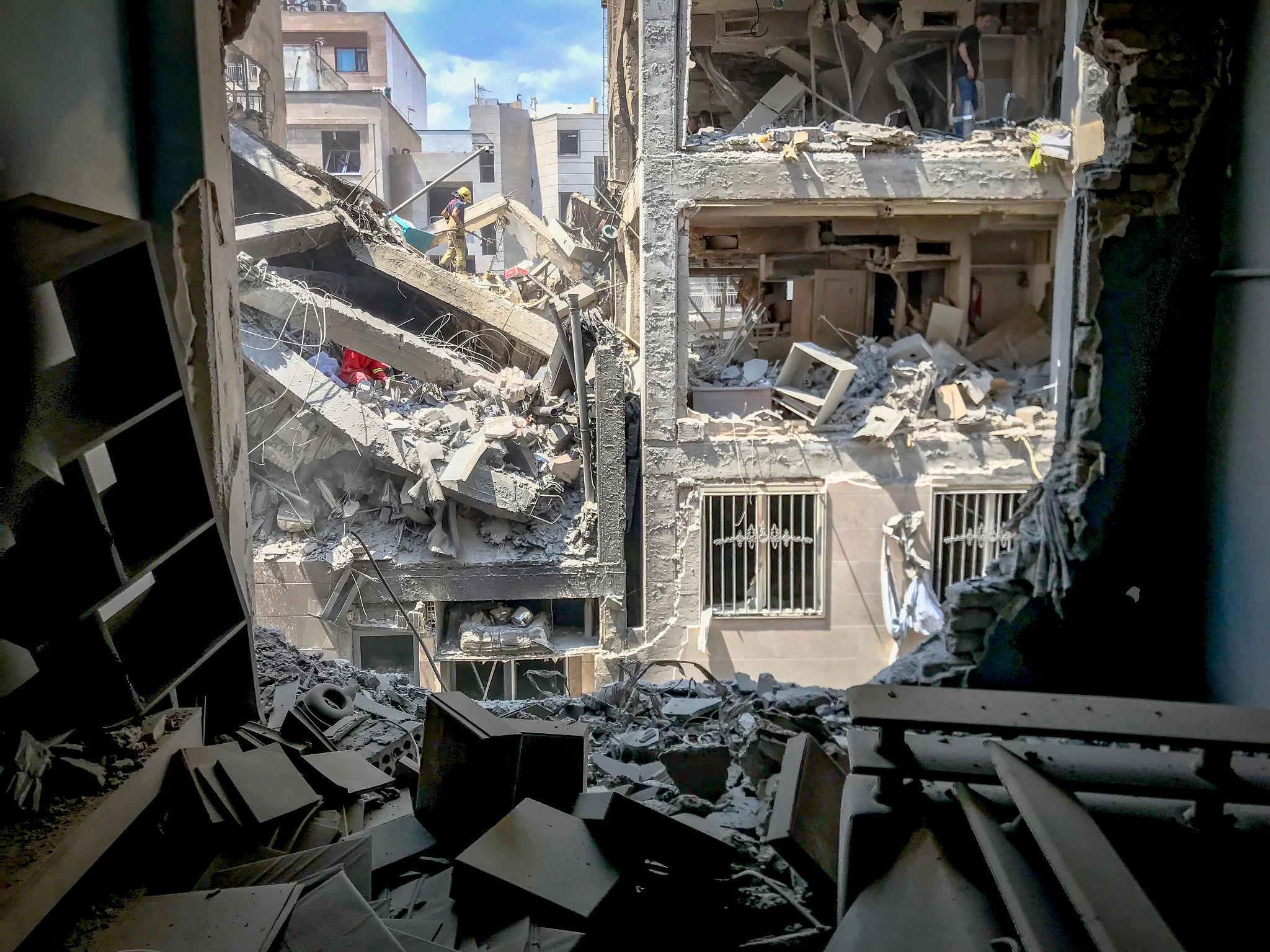
Iranian officials say the alleged Iran civilian infrastructure attacks affected numerous locations across multiple provinces.
Government representatives claim that some cities experienced temporary power outages and interruptions in transportation services. Municipal authorities are reportedly working with national emergency teams to assess damage and restore operations.
Engineers have been dispatched to inspect buildings and infrastructure networks to determine which facilities require urgent repair.
Authorities say their primary objective is to stabilize essential services and ensure that civilians have access to electricity, water, and transportation.
In densely populated urban areas, even small disruptions can affect millions of people.
Urban Systems Under Pressure
Large cities depend on interconnected infrastructure networks that support everyday life. Electricity systems power hospitals, schools, and communication networks. Transportation systems allow goods and services to move across cities and regions.
When infrastructure systems experience disruption, economic activity may slow and public services may become difficult to maintain.
Urban planners note that infrastructure resilience has become a major topic of discussion in global security circles.
The alleged Iran civilian infrastructure attacks have renewed discussions about how cities can protect critical systems during periods of political or military tension.
Transportation and Supply Networks
Transportation networks are among the most important systems in any modern economy.
Roads, bridges, railways, and airports ensure that food, medical supplies, and commercial goods can move efficiently between cities.
Officials say the alleged Iran civilian infrastructure attacks have affected several transportation routes in different regions.
Even temporary disruptions to transportation systems can affect supply chains and commercial activity.
Economic analysts say transportation networks are often one of the first systems governments attempt to restore during reconstruction efforts.
Humanitarian Impact on Local Communities
Humanitarian organizations emphasize that infrastructure damage can have long term consequences for civilians.
Communities depend on stable water systems, power networks, healthcare facilities, and transportation routes.
When these services are disrupted, families may face challenges accessing healthcare, education, and employment opportunities.
A humanitarian aid coordinator highlighted the importance of protecting these systems.
“When infrastructure stops functioning, the effects spread through every part of society,”
the coordinator said.
“Protecting these systems protects civilians.”
The humanitarian implications of Iran civilian infrastructure attacks are therefore a major concern for international organizations.
Economic Consequences of Infrastructure Damage
Infrastructure damage can also affect national economies.
Power outages may slow industrial production. Transportation disruptions can interrupt trade routes and delivery networks.
Major cities serve as economic hubs where businesses rely heavily on stable infrastructure systems.
If infrastructure repairs take time, economic recovery may also slow.
Analysts say the alleged Iran civilian infrastructure attacks could influence economic stability depending on how quickly repairs are completed.
Governments often invest significant financial resources into rebuilding infrastructure after conflicts.
Diplomatic Reactions Across the World
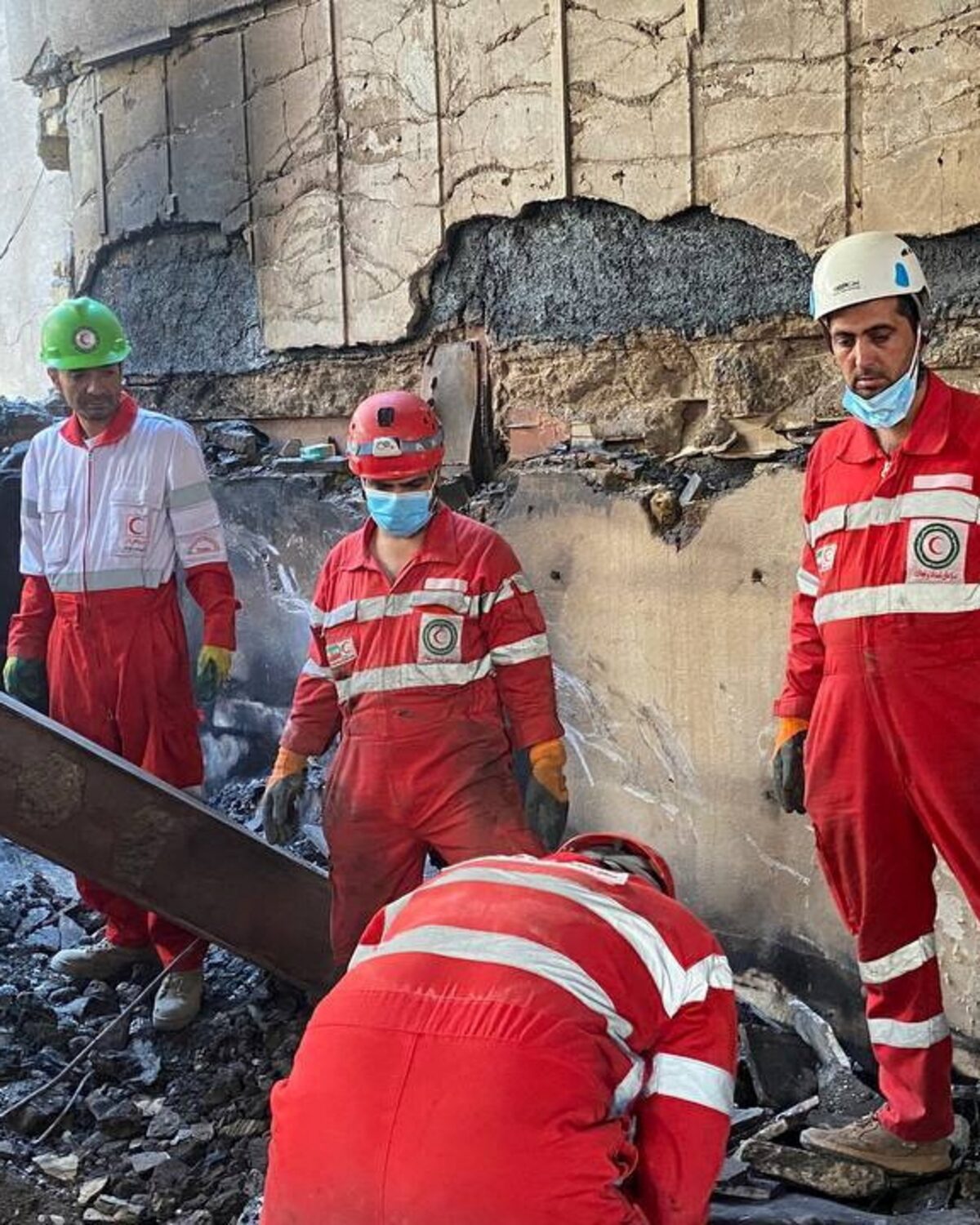
The allegations have prompted reactions from political leaders and diplomats in several countries.
Some governments have called for calm and diplomatic dialogue to prevent further escalation. Others have emphasized the importance of independent verification to understand the full scope of the situation.
One regional diplomat summarized the broader concern facing international policymakers.
“Civilian infrastructure is the foundation of modern society,”
the diplomat said.
“Protecting it should be a universal priority.”
Diplomatic conversations now focus on reducing tensions and preventing further damage to civilian systems.
Historical Context of Infrastructure Damage in Regional Conflicts
Infrastructure damage has been a recurring issue in many modern conflicts.
During wars in Iraq, Syria, and Lebanon, international organizations documented damage to roads, bridges, utilities, and residential areas.
These conflicts often produced competing narratives from different governments about the causes of infrastructure damage.
Investigations by international agencies typically involved satellite imagery, engineering inspections, and field observations.
The debate surrounding Iran civilian infrastructure attacks reflects this long history of disputes over civilian infrastructure damage during warfare.
Understanding the historical context helps explain why independent verification is often considered essential.
The Role of Information in Modern Conflicts
Modern conflicts are shaped not only by military activity but also by the flow of information through international media.
Governments release statements that influence global perception and diplomatic responses.
News organizations, analysts, and humanitarian groups attempt to verify facts and provide accurate reporting.
Information plays a major role in shaping how conflicts are understood by the global public.
The discussion surrounding Iran civilian infrastructure attacks demonstrates how competing narratives can emerge during periods of tension.
Calls for Independent Investigation
Several international organizations have suggested that independent investigators should examine the alleged infrastructure damage.
Such investigations often include engineers, humanitarian specialists, and satellite imagery analysts.
Their assessments can help determine the scale of damage and identify the types of infrastructure affected.
Transparent investigations can also help reduce political tensions by providing verified information.
Many governments believe independent evaluations will play a key role in understanding the true extent of Iran civilian infrastructure attacks.
Regional Security Concerns
The Middle East remains one of the most strategically sensitive regions in the world.
Conflicts in the region can affect energy markets, international shipping routes, and diplomatic relations.
Security experts say that rising tensions could increase the risk of broader instability if diplomatic solutions are not pursued.
Governments are therefore closely monitoring developments related to Iran civilian infrastructure attacks.
Regional stability remains a priority for many countries seeking to prevent further escalation.
Reconstruction Challenges If Damage Is Confirmed
Rebuilding damaged infrastructure can be a complex and expensive process.
Engineers must evaluate structural integrity, repair utility systems, and restore transportation networks.
Reconstruction efforts often require cooperation between local governments, national authorities, and international organizations.
Urban reconstruction projects can take years depending on the scale of damage and available resources.
If infrastructure damage proves extensive, recovery programs may require long term planning and investment.
Protecting Civilian Systems in Future Conflicts
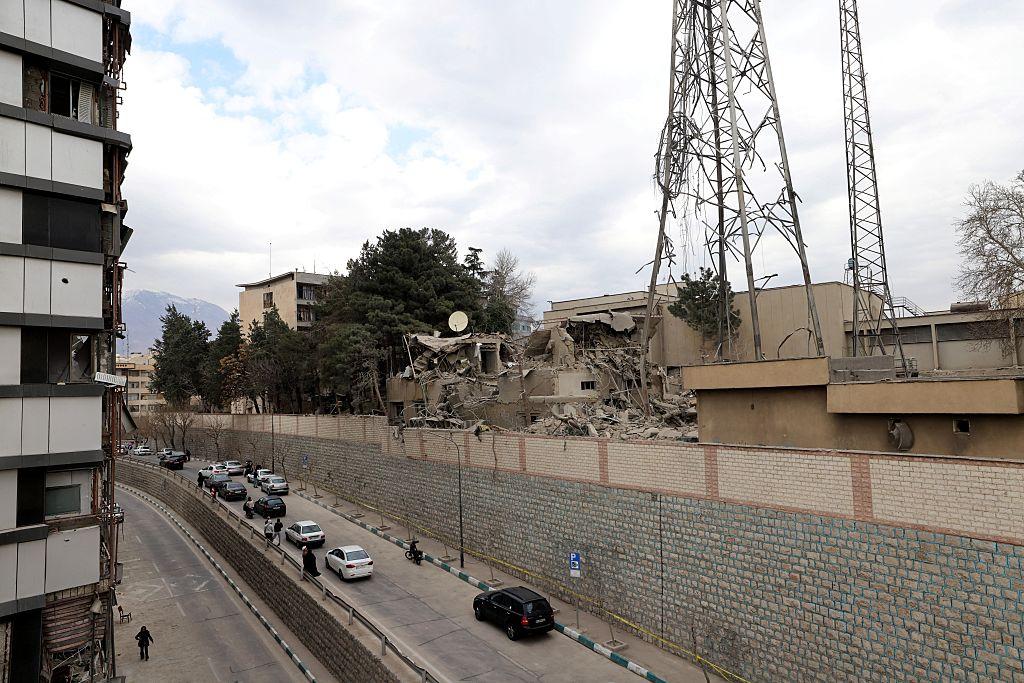
The debate surrounding Iran civilian infrastructure attacks highlights a broader challenge facing modern societies.
Infrastructure systems support nearly every aspect of daily life including healthcare, education, communication, and transportation.
Protecting these systems during periods of conflict has become an increasingly important goal for international policymakers.
Security experts say future strategies will likely focus on strengthening infrastructure resilience and improving emergency response systems.
Such measures may help cities maintain essential services even during periods of political tension.
Beyond Headlines The Human Cost of Infrastructure Damage
Civilian infrastructure often receives attention only after it is damaged, yet it remains one of the most important components of modern society.
Electricity powers hospitals and schools. Roads connect families and businesses. Water systems sustain entire communities.
When these systems fail, the consequences extend far beyond physical structures.
The global discussion surrounding Iran civilian infrastructure attacks reflects the growing recognition that protecting infrastructure is essential for protecting civilians.
As diplomatic efforts continue and investigations move forward, the international community will closely watch developments in Tehran and across the region.
For millions of people who rely on these systems every day, the future of infrastructure stability remains a critical concern.