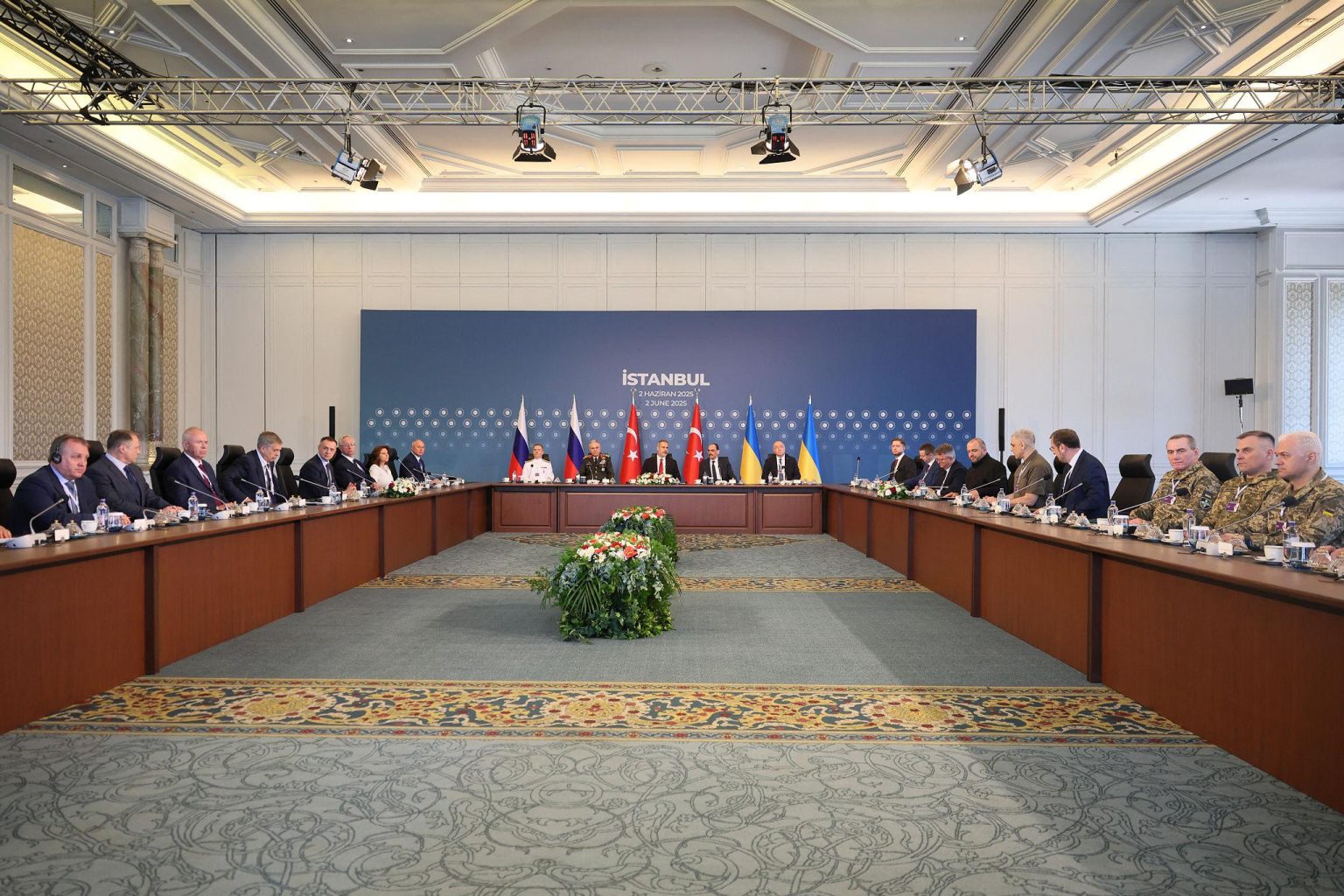
ANKARA, Turkey — March 7, 2026 — Brussels Morning Newspaper — Regional tensions have once again placed Turkey at the center of geopolitical discussions as Ankara intensifies diplomatic engagement across the Middle East. In recent weeks, Turkish leaders have urged restraint among regional actors while advocating for dialogue to prevent the situation from escalating into a broader crisis.
Political analysts say Turkey Middle East diplomacy is becoming increasingly important as competing alliances, military activity, and geopolitical rivalries place pressure on regional stability. Officials in Ankara argue that diplomacy remains the most effective way to prevent conflict from spreading across the region.
Turkey’s government has repeatedly emphasized that maintaining stability across neighboring regions is vital for both security and economic reasons. With energy corridors, trade routes, and humanitarian concerns all connected to Middle Eastern stability, Ankara’s diplomatic strategy is being closely monitored by governments worldwide.
Observers believe the growing emphasis on diplomatic engagement reflects Turkey’s attempt to play a stabilizing role in a region often defined by shifting alliances and complex political challenges.
Regional Tensions Place Pressure on Diplomatic Channels
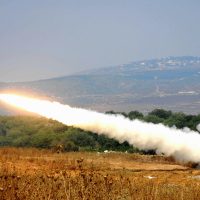
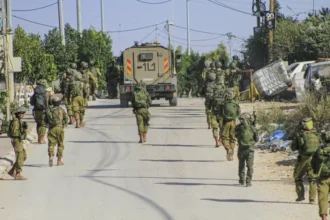
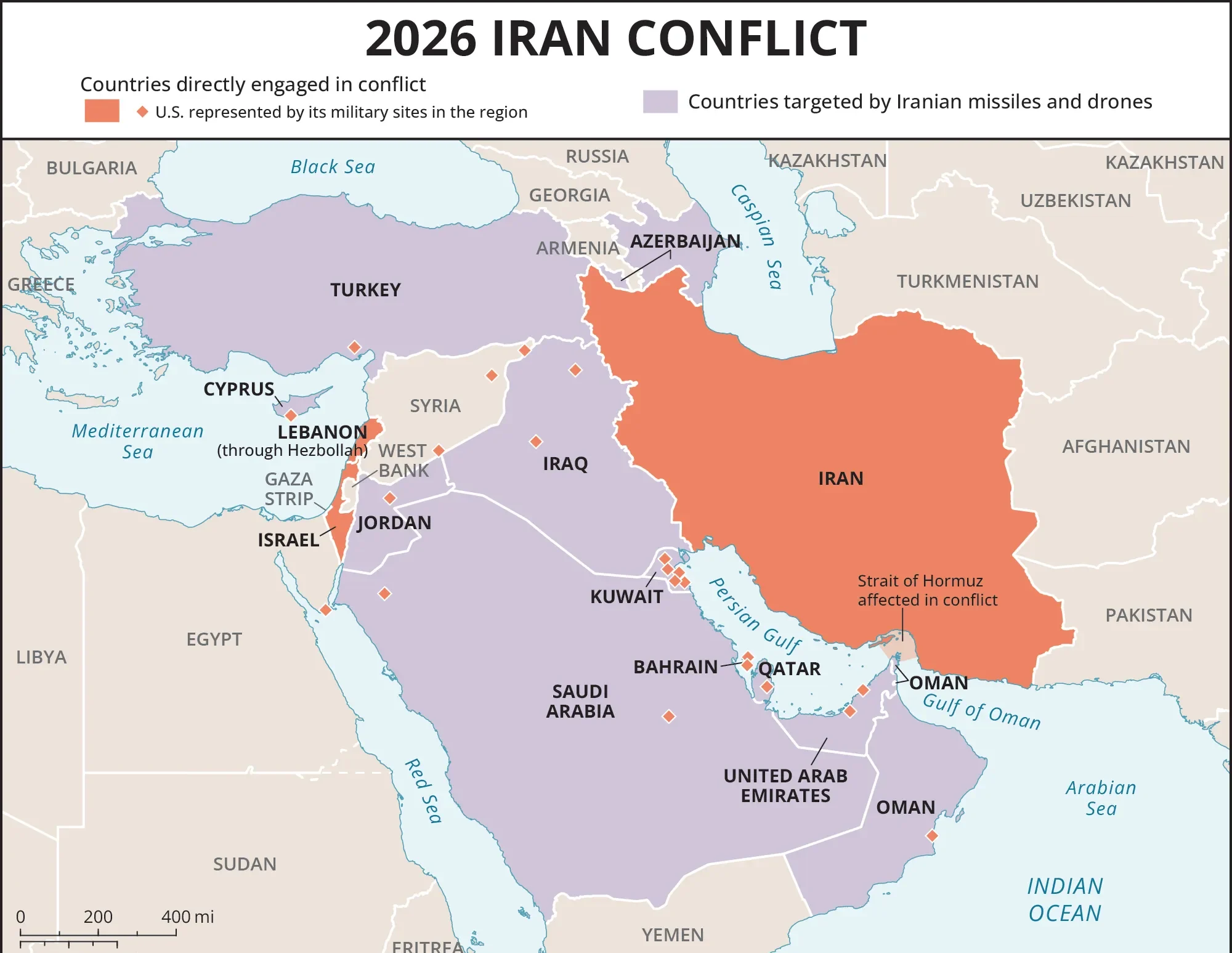
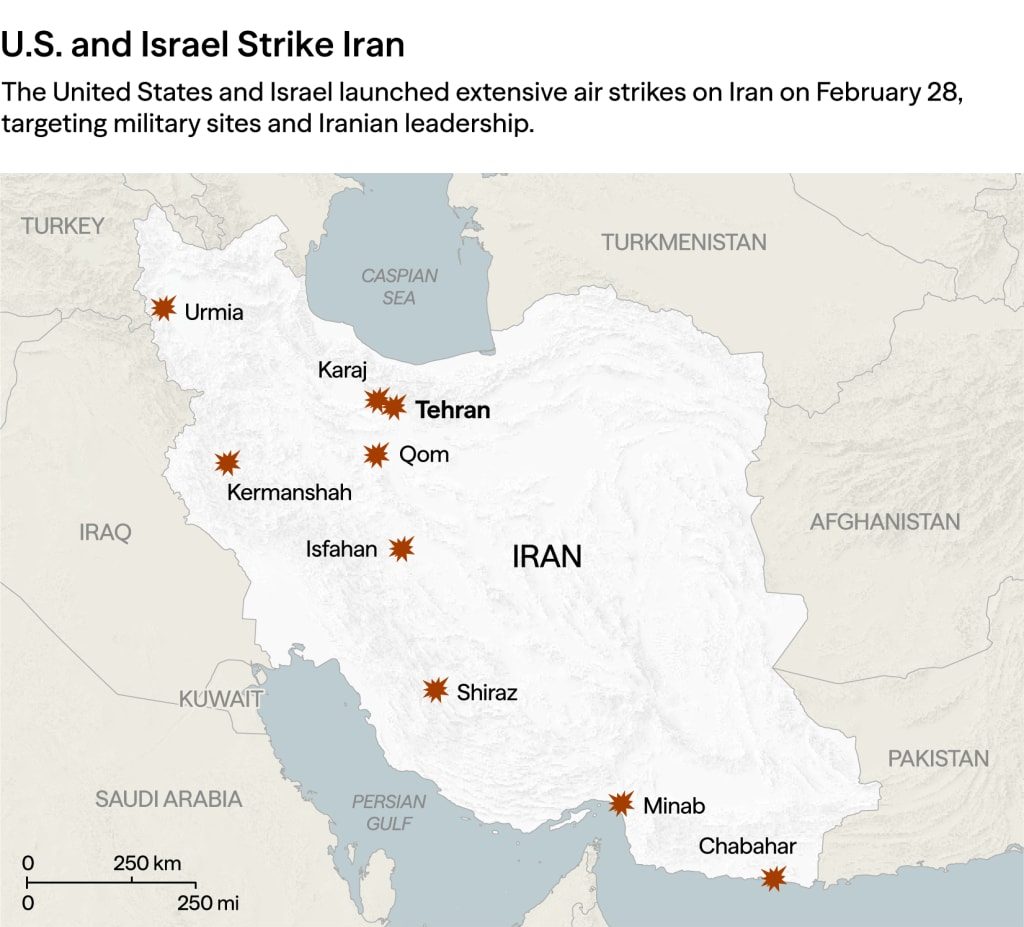
Across the Middle East, political disputes and military activity have intensified concerns about the possibility of wider instability. Several regional flashpoints have raised alarms among diplomats and security experts who fear that localized confrontations could escalate.
In this environment, Turkey Middle East diplomacy has emerged as a central strategy aimed at easing tensions and encouraging negotiation between rival actors.
Turkish officials argue that diplomacy must remain the primary tool for addressing disputes before they evolve into larger conflicts. The region’s interconnected political and economic systems mean that instability in one country can quickly influence neighboring states.
Recent diplomatic initiatives led by Turkey have focused on encouraging communication between regional governments and reinforcing the importance of conflict prevention mechanisms.
Many experts believe that sustained diplomatic dialogue may be the only realistic path toward long-term stability.
Ankara Expands Diplomatic Engagement
Turkey has increased diplomatic outreach to several Middle Eastern capitals in recent months. Meetings between foreign ministers, senior diplomats, and security officials have highlighted Ankara’s interest in maintaining open communication with governments across the region.
The expansion of Turkey Middle East diplomacy reflects Ankara’s belief that dialogue is essential to preventing misunderstandings that could trigger escalation.
Diplomatic engagement has included discussions on regional security, humanitarian concerns, and economic cooperation. Turkey has also promoted the idea of multilateral dialogue, where multiple countries participate in discussions aimed at resolving disputes peacefully.
Analysts say Turkey’s geographic position between Europe, Asia, and the Middle East allows it to maintain relationships with a diverse range of governments.
This position often enables Ankara to act as a bridge between competing political interests.
Strategic Importance of Stability for Turkey
For Turkey, stability in the Middle East is not simply a diplomatic goal but a strategic necessity.
Economic ties between Turkey and Middle Eastern nations include trade partnerships, infrastructure projects, and energy cooperation. Disruptions in regional stability can therefore affect Turkey’s economy and security environment.
Because of these connections, Turkey Middle East diplomacy is deeply linked to national interests.
Security experts note that prolonged instability could influence migration flows, border security concerns, and regional economic development. Maintaining diplomatic channels helps reduce the risk of sudden geopolitical shocks.
Turkish policymakers therefore view diplomatic engagement as both a preventative and strategic tool.
Global Powers Closely Monitor Developments
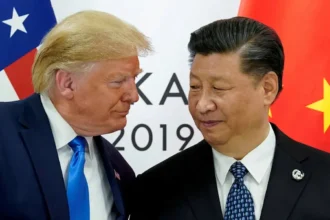
International governments are carefully observing Turkey’s diplomatic initiatives. The Middle East remains one of the most strategically important regions in the world due to its energy resources and geopolitical influence.
In recent diplomatic discussions, Turkey Middle East diplomacy has been mentioned as part of broader international efforts aimed at preventing escalation.
European and Asian governments have expressed interest in supporting dialogue initiatives that promote regional stability. Many policymakers believe cooperative diplomacy may help reduce the risk of confrontation.
Energy markets are particularly sensitive to geopolitical tensions in the Middle East. Stability within the region directly influences global oil and gas supply routes.
For this reason, international stakeholders have strong incentives to support diplomatic solutions.
The History of Turkish Diplomatic Engagement in the Middle East
Turkey’s involvement in regional diplomacy has deep historical roots. For centuries, the region has been interconnected through cultural, political, and economic ties.
Modern foreign policy strategies have built upon this legacy, emphasizing dialogue and cooperation with neighboring states.
Historically, Turkey has often attempted to balance relationships with multiple actors across the Middle East. This balancing approach allows Ankara to maintain diplomatic communication even during periods of tension.
Over the past two decades, Turkey Middle East diplomacy has evolved to include mediation efforts, humanitarian initiatives, and regional cooperation projects.
Diplomatic engagement has also focused on addressing security challenges such as terrorism, refugee movements, and economic instability.
Understanding this historical context helps explain why Turkey continues to emphasize diplomacy as a key instrument of foreign policy.
Diplomatic Statements Emphasize Dialogue
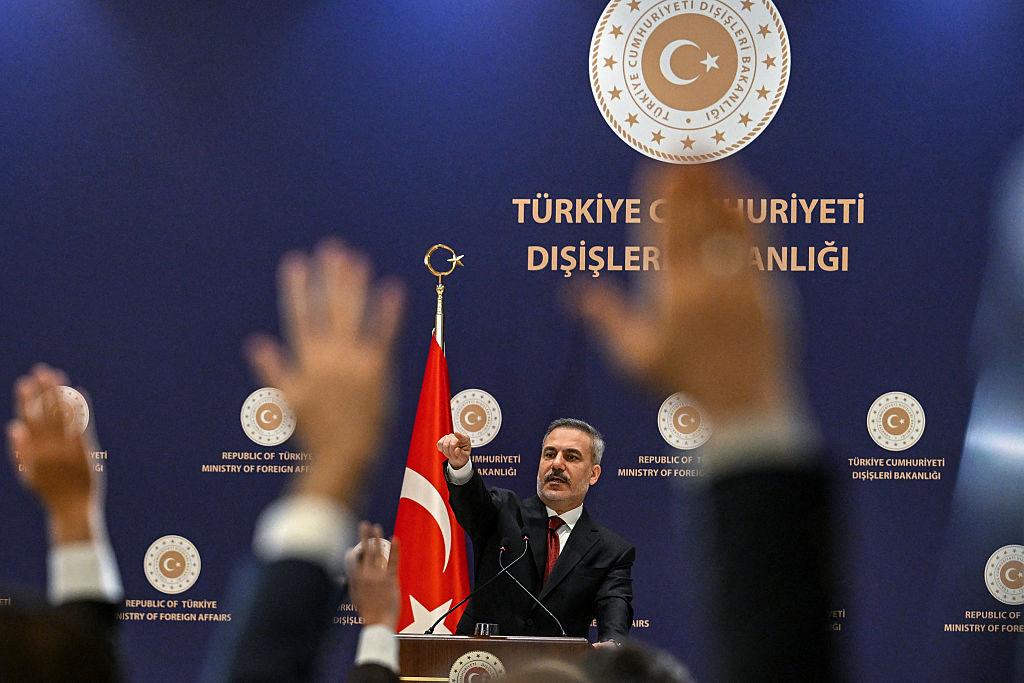
During recent diplomatic briefings, Turkish officials stressed the importance of communication and cooperation between regional governments.
One senior diplomat explained the country’s position clearly.
“Diplomacy must remain the first choice when tensions rise. Dialogue allows nations to solve disputes without placing civilians or regional stability at risk.”
Another official emphasized the need for international collaboration.
“Regional peace cannot be achieved by any single country acting alone. Cooperation among governments is essential if we want to prevent instability from spreading.”
These statements highlight the principles guiding Turkey Middle East diplomacy as Ankara continues encouraging negotiation and diplomatic engagement.
Economic Implications of Regional Stability
Beyond political concerns, economic considerations play a major role in diplomatic decisions.
The Middle East sits at the crossroads of global trade routes connecting Europe, Asia, and Africa. Shipping lanes, energy pipelines, and infrastructure networks depend heavily on stable political conditions.
Economic analysts say Turkey Middle East diplomacy is partly aimed at protecting these economic interests.
Disruptions in the region can affect global energy prices, international shipping, and investment flows. Maintaining peace therefore benefits both regional economies and global markets.
Turkey’s growing trade relationships with Middle Eastern countries also make stability essential for long-term economic growth.
Humanitarian Concerns Shape Diplomatic Strategy
Humanitarian issues also influence Turkey’s approach to regional diplomacy. Conflicts in the Middle East have often produced large-scale displacement and humanitarian crises.
Turkish policymakers argue that preventing escalation is essential to protecting civilian populations.
By promoting dialogue and negotiation, Turkey Middle East diplomacy aims to reduce the likelihood of conflicts that could produce humanitarian emergencies.
International organizations have echoed these concerns, emphasizing that diplomatic engagement can help prevent suffering and protect infrastructure within vulnerable communities.
Humanitarian cooperation therefore remains an important element of diplomatic discussions.
International Cooperation and Multilateral Dialogue
Diplomatic initiatives led by Turkey increasingly involve cooperation with international organizations and regional partners.
Multilateral meetings allow governments to address shared challenges collectively. These discussions often focus on security cooperation, economic partnerships, and conflict prevention.
Through these efforts, Turkey Middle East diplomacy seeks to strengthen communication between governments that may otherwise have limited direct interaction.
Diplomats believe multilateral dialogue helps reduce misunderstandings and encourages transparency in regional decision-making.
Many analysts argue that collaborative diplomacy represents the most effective strategy for managing complex geopolitical tensions.
The Path Forward for Regional Stability
The coming months may prove critical for determining whether diplomatic efforts succeed in reducing tensions.
Political analysts suggest that sustained diplomatic engagement could encourage negotiation and compromise between competing regional actors.
If dialogue continues, Turkey Middle East diplomacy may help establish frameworks for long-term cooperation and stability.
However, the situation remains uncertain, and many factors could influence the region’s future trajectory.
For now, Turkish leaders continue urging restraint while promoting dialogue as the most responsible path forward.
A senior Turkish foreign policy advisor summarized the broader objective during a recent briefing.
“Our goal is simple. Stability benefits everyone in the region. Diplomacy provides the opportunity to resolve disagreements without creating new crises.”
As global attention remains focused on developments in the Middle East, diplomatic engagement may ultimately determine whether tensions ease or escalate further.
A New Chapter in Regional Diplomacy
Looking ahead, Turkey appears determined to maintain an active diplomatic presence across the Middle East.
Observers believe the country’s continued engagement may shape regional politics in the years ahead.
Through dialogue, negotiation, and cooperation, Turkey Middle East diplomacy aims to reduce tensions while encouraging peaceful solutions to complex geopolitical challenges.
Whether these diplomatic initiatives succeed will depend on the willingness of regional governments to prioritize negotiation over confrontation.
For now, Ankara’s message remains clear: diplomacy, communication, and cooperation remain the most effective tools for safeguarding regional stability.