BEIRUT, Lebanon — March 7, 2026 — Brussels Morning Newspaper: Hezbollah attacks Israel in a renewed wave of cross border strikes that have raised serious concerns about stability across the Middle East. Rockets and drones launched from southern Lebanon triggered air defense systems across northern Israel, forcing residents to take shelter as warning sirens echoed through border communities.
Israeli defense officials confirmed that several projectiles were intercepted by missile defense systems while others landed in open areas near military positions. In response, Israeli aircraft carried out targeted strikes against what the military described as militant infrastructure in southern Lebanon.
The incident has intensified fears that the fragile security environment along the border could deteriorate rapidly if tensions continue to rise.
Communities on both sides of the frontier remain on high alert as military forces monitor the situation closely.
Military Activity Intensifies on Both Sides
The northern frontier between Israel and Lebanon has become one of the most closely watched conflict zones in the region. Hezbollah attacks Israel periodically as part of what the organization describes as resistance operations.
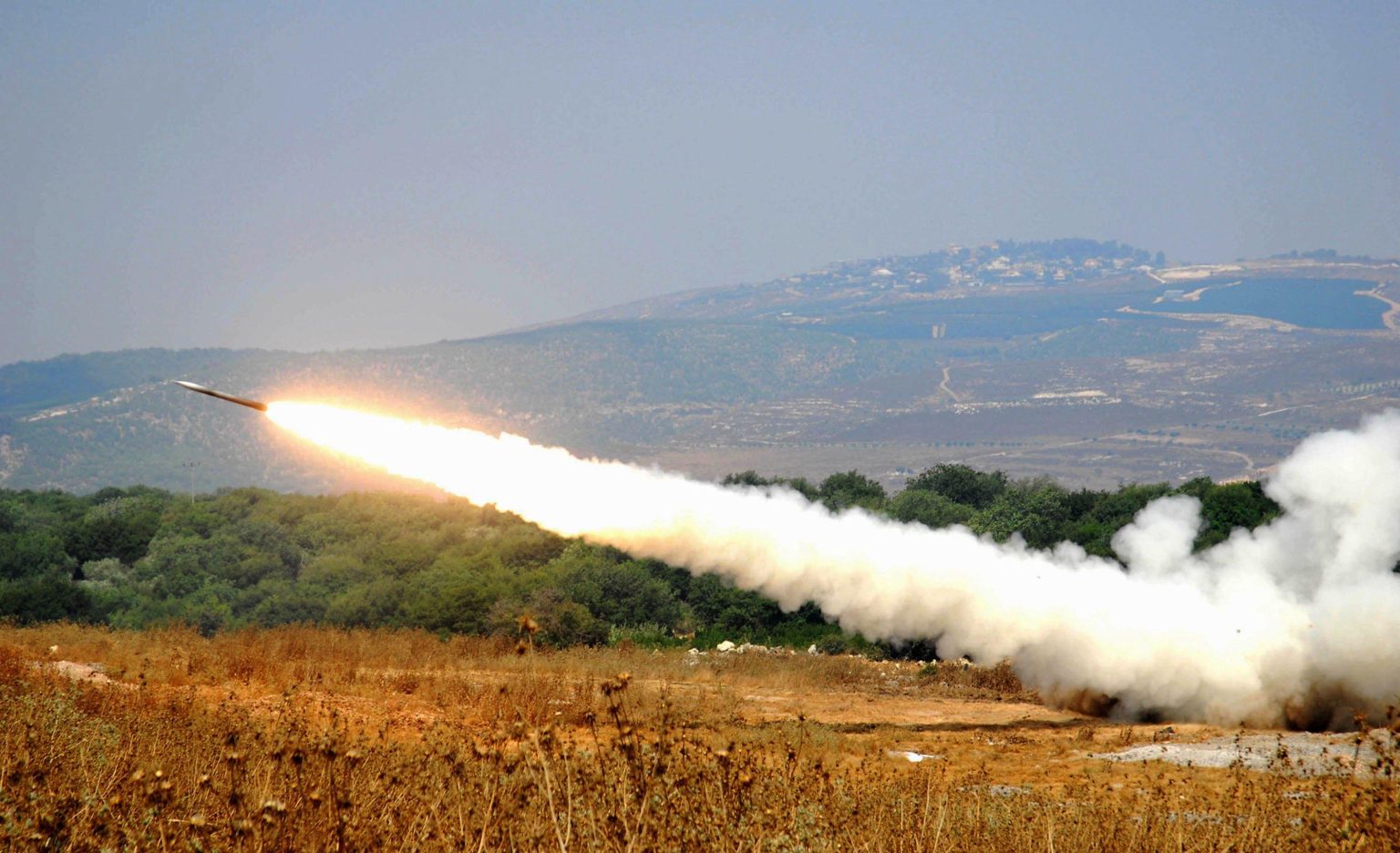
In the latest incident, rockets were launched from positions in southern Lebanon toward Israeli military areas near the border. Israel’s advanced missile defense system successfully intercepted several incoming rockets while emergency alerts warned civilians to remain in protected areas.
Israeli defense officials emphasized that the country would respond decisively to any threats targeting its population centers or military installations.
Within hours of the rocket launches, Israeli aircraft struck several locations believed to be associated with militant operations.
Residents in southern Lebanon reported hearing multiple explosions as aircraft carried out the operation.
The cycle of attack and response continues to define the tense relationship between the two sides.

Hezbollah Statements Signal Continued Operations
Following the incident, representatives of the Lebanese militant group confirmed that the operation had taken place. Hezbollah attacks Israel as part of a broader strategy aimed at confronting Israeli military pressure in the region.
Statements issued through the organization’s communication channels suggested that the strikes were intended to demonstrate capability and deterrence.
The language used by officials highlighted the ongoing strategic rivalry between the two sides.
Regional analysts note that messaging from militant groups often serves a dual purpose: addressing domestic supporters while also sending signals to adversaries.
This dynamic has been visible throughout previous confrontations between Israel and Hezbollah.
Israeli Response Targets Strategic Locations
The Israeli Defense Forces launched a series of air operations shortly after the rockets were detected.
Military officials stated that the strikes targeted infrastructure used to launch projectiles toward Israeli territory.
When Hezbollah attacks Israel, the Israeli military frequently responds with targeted operations intended to reduce the capability of militant forces operating near the border.
The retaliatory strikes produced visible smoke plumes in several areas of southern Lebanon.
Local residents reported aircraft activity continuing for several hours following the initial rocket launches.
Israeli officials stated that their objective was to prevent additional attacks and reinforce deterrence along the frontier.
Civilian Life Under Constant Uncertainty
Border communities in both Israel and Lebanon have experienced years of instability due to recurring clashes.
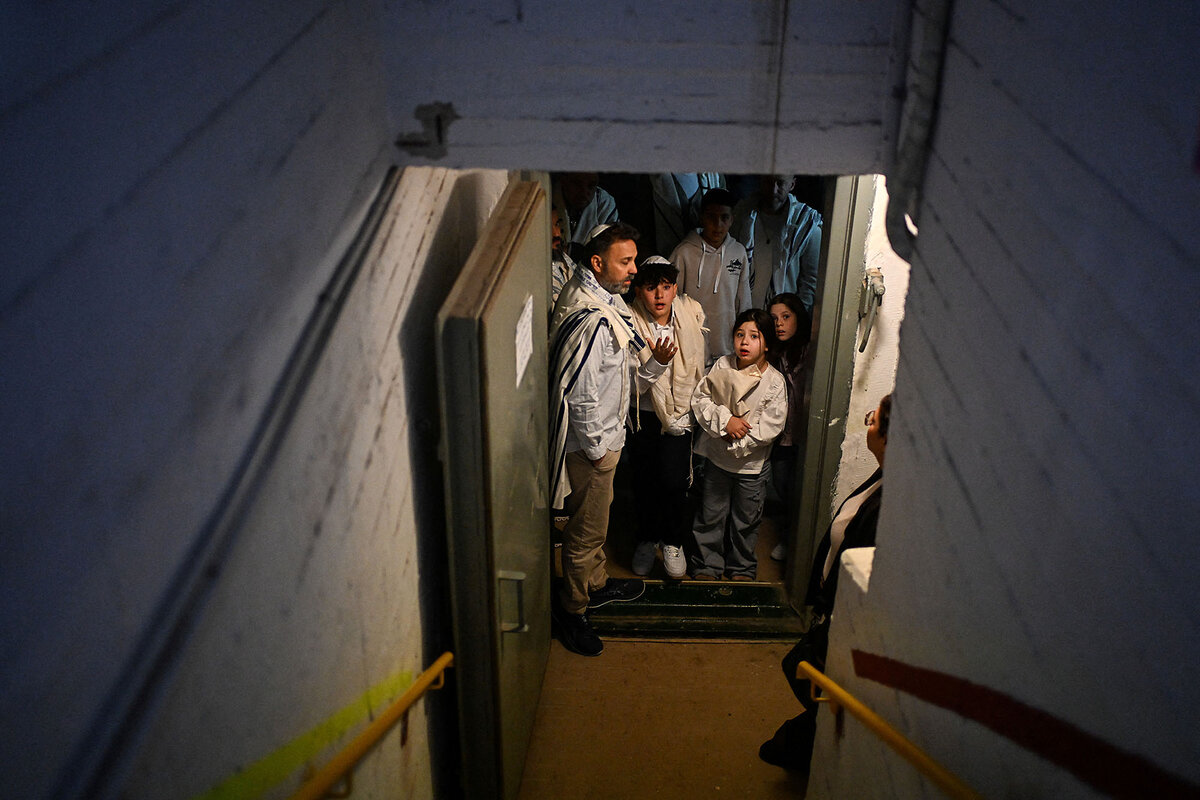
Residents of northern Israeli towns rushed to shelters when warning sirens sounded across the region.
Schools in several communities temporarily suspended activities while authorities evaluated the security situation.
Across the border in Lebanon, residents expressed concern that retaliatory strikes could affect nearby villages.
For families living close to the frontier, the uncertainty has become a constant part of daily life.
Humanitarian organizations emphasize that civilians often bear the psychological and economic burden of prolonged tensions.
Even limited exchanges can disrupt education, commerce, and basic routines.
International Community Calls for De Escalation
Global leaders have expressed concern over the latest violence.
Diplomatic officials from several countries urged restraint and called on both sides to avoid actions that could expand the confrontation.
The United Nations also encouraged all parties to respect ceasefire arrangements designed to maintain stability along the border.
One European diplomat commented on the fragile situation.
“Any escalation along this border carries the risk of spreading instability across the wider region.”
The statement reflects a widely shared concern among policymakers.
Strategic Significance of the Northern Front
The Israel Lebanon border represents one of the most strategically sensitive regions in the Middle East.
Hezbollah attacks Israel periodically as part of an ongoing confrontation that has evolved over decades.
The organization is widely considered one of the most powerful non state armed groups in the region.
Its arsenal includes rockets, drones, and other weapon systems capable of reaching Israeli cities.
Israel, meanwhile, maintains advanced defense systems designed to intercept incoming projectiles.
This balance of military capability has created a tense deterrence dynamic in which both sides attempt to avoid full scale war while still demonstrating strength.

Regional Impact of Rising Tensions
The latest confrontation occurs during a period of heightened geopolitical tension across the Middle East.
Energy markets, shipping routes, and international trade networks are all sensitive to instability in the region.
Analysts say that when Hezbollah attacks Israel during periods of wider regional tension, the potential consequences extend far beyond the immediate border.
Governments across the Middle East are monitoring the situation closely.
Economic observers are also watching developments carefully due to the potential impact on global markets.
Even localized clashes can influence international political calculations.
Historical Background of the Israel Hezbollah Conflict
The confrontation between Israel and Hezbollah dates back several decades.
One of the most significant conflicts occurred in 2006 when cross border incidents triggered a full scale war lasting more than a month.
During that conflict thousands of rockets were fired into Israeli territory while Israeli forces launched extensive air operations in Lebanon.
The fighting caused widespread damage and displaced large numbers of civilians.
Although the current clashes remain limited compared with the scale of the 2006 conflict, the strategic dynamics remain similar.
When Hezbollah attacks Israel today, many observers recall how quickly earlier confrontations escalated.
Historical experience has shown that even isolated incidents can expand rapidly if diplomatic efforts fail.
Diplomatic Channels Working Behind the Scenes
Behind the public statements issued by leaders, diplomatic channels are actively engaged.
Several governments are believed to be communicating with officials in both Israel and Lebanon.
The objective of these discussions is to prevent the latest incident from triggering a broader confrontation.
International mediation has played a crucial role in stabilizing previous crises in the region.
Although such negotiations often occur quietly, they are a critical component of maintaining regional stability.
Whether those efforts succeed will likely determine the direction of events in the coming days.
Military Readiness Remains High
Both Israeli and Lebanese territories have witnessed increased military readiness since the incident occurred.
Israeli forces have strengthened patrols along the northern border while monitoring airspace for additional threats.
Hezbollah attacks Israel have historically been followed by periods of heightened alert as each side anticipates potential retaliation.
Security experts emphasize that deterrence strategies depend heavily on perception.
Both sides aim to demonstrate strength without provoking a full scale confrontation.
Maintaining that balance requires careful decision making by military and political leaders.
Global Reactions Reflect Concern
Governments around the world have reacted cautiously to the latest developments.
Many leaders have called for calm while urging diplomatic engagement.
International organizations are closely monitoring the situation to ensure humanitarian concerns are addressed.
One regional analyst described the current moment in stark terms.
“The border between Israel and Lebanon remains one of the most fragile security lines in the world.”
Statements like these highlight the seriousness of the situation.
What the Coming Days Could Bring
The trajectory of the current confrontation remains uncertain.
If additional strikes occur, the cycle of escalation could intensify rapidly.
Hezbollah attacks Israel periodically, and each incident carries the potential to trigger broader military action.
At the same time diplomatic engagement offers a path toward stabilizing the situation.
Much will depend on decisions made by political leaders in the coming days.
For now military forces remain on alert while civilians hope tensions will ease.
A Region Standing at a Critical Moment
The Middle East has experienced repeated cycles of conflict and diplomacy.
The latest confrontation underscores how quickly tensions can resurface even after periods of relative calm.
Observers warn that maintaining stability will require careful coordination between regional and international actors.
While the situation remains fluid, the priority for many governments is preventing the confrontation from expanding.
Communities along the border continue to watch developments closely as leaders weigh their next moves.
When One Rocket Can Change the Future
The Israel Lebanon frontier remains a place where a single decision can alter the course of events.
Each exchange of fire carries consequences that extend far beyond the immediate battlefield.
For civilians living near the border, stability is more than a political objective.
It represents the difference between normal life and uncertainty.
As the region navigates the latest crisis, the world continues to watch closely.