Manchester by-election 2026 draws national attention to a key Labour stronghold.
Voters in Manchester UK weigh economic pressure and political direction.
Outcome may reshape the urban political landscape in Britain.
Manchester UK, February 23, 2026 — Brussels Morning Newspaper confirms that the Manchester by-election 2026 has become one of the most closely watched political contests in Britain this year. Set against a backdrop of economic strain and shifting voter expectations, the race in this traditionally Labour dominated constituency is drawing national and international attention. Political observers say the outcome could influence the broader trajectory of urban politics across the United Kingdom.
The campaign unfolds at a time when voter loyalty is increasingly fluid. Economic uncertainty, generational change, and renewed civic engagement have reshaped the political landscape. In this context, Manchester stands at the center of a significant democratic moment.
Why This Contest Carries National Weight
The Manchester by-election 2026 is more than a local vote. It represents a symbolic test of how established political dominance can be challenged in modern Britain. For decades, Manchester has served as a dependable pillar of Labour support, rooted in the city’s industrial heritage and working class identity.
Now, multiple political forces are competing vigorously, transforming the race into a broader reflection of national political currents. Analysts suggest that shifts in vote share, even without a change in party control, could signal evolving public sentiment across other urban constituencies.
A senior political analyst noted,
“Urban voters are reassessing priorities, and Manchester offers a snapshot of that transformation.”
Economic Pressures Reshaping Voter Priorities
Rising living costs remain central to voter concerns. Housing affordability, energy bills, and public transportation reliability dominate campaign discussions. Small business owners cite operational pressures, while younger residents emphasize career stability and access to housing.
These economic realities shape the narrative surrounding the Manchester by-election 2026. Candidates are focusing on practical solutions, emphasizing accountability and local development over broad ideological debates.
Campaign forums reflect this pragmatic tone. Voters consistently ask how proposed policies will translate into tangible improvements in daily life.
Labour’s Position in a Changing Landscape
Labour enters the contest with deep roots in Manchester’s political fabric. The party highlights infrastructure investments, public service funding, and longstanding community partnerships.
However, the Manchester by-election 2026 compels Labour to reenergize its grassroots base. Campaign teams have intensified door to door outreach and digital engagement to reinforce support among traditional voters while appealing to undecided residents.
A Labour spokesperson stated,
“Manchester has always valued fairness and opportunity, and our commitment to those principles remains unwavering.”
Despite confidence within party ranks, political strategists acknowledge that urban constituencies now demand continuous responsiveness.
Opposition Momentum and Competitive Energy
Opposition parties view this by-election as an opportunity to gain visibility in a symbolic arena. Their campaigns emphasize governance reform, transparency, and alternative economic strategies.
The Manchester by-election 2026 has drawn heightened media scrutiny precisely because of its competitive atmosphere. Political rallies have attracted larger than usual crowds, and online engagement metrics reflect elevated interest.
A challenger candidate remarked during a town hall meeting,
“Voters deserve fresh thinking and open dialogue about the city’s future.”
Such statements highlight the tone of renewed competition that characterizes the race.
Community Engagement and Turnout Expectations
Local engagement levels suggest strong turnout potential. Community centers report increased attendance at public forums, and volunteer networks appear energized.
The Manchester by-election 2026 has stimulated debate across generational lines. Younger voters express enthusiasm for policy innovation, while long term residents emphasize continuity and stability.
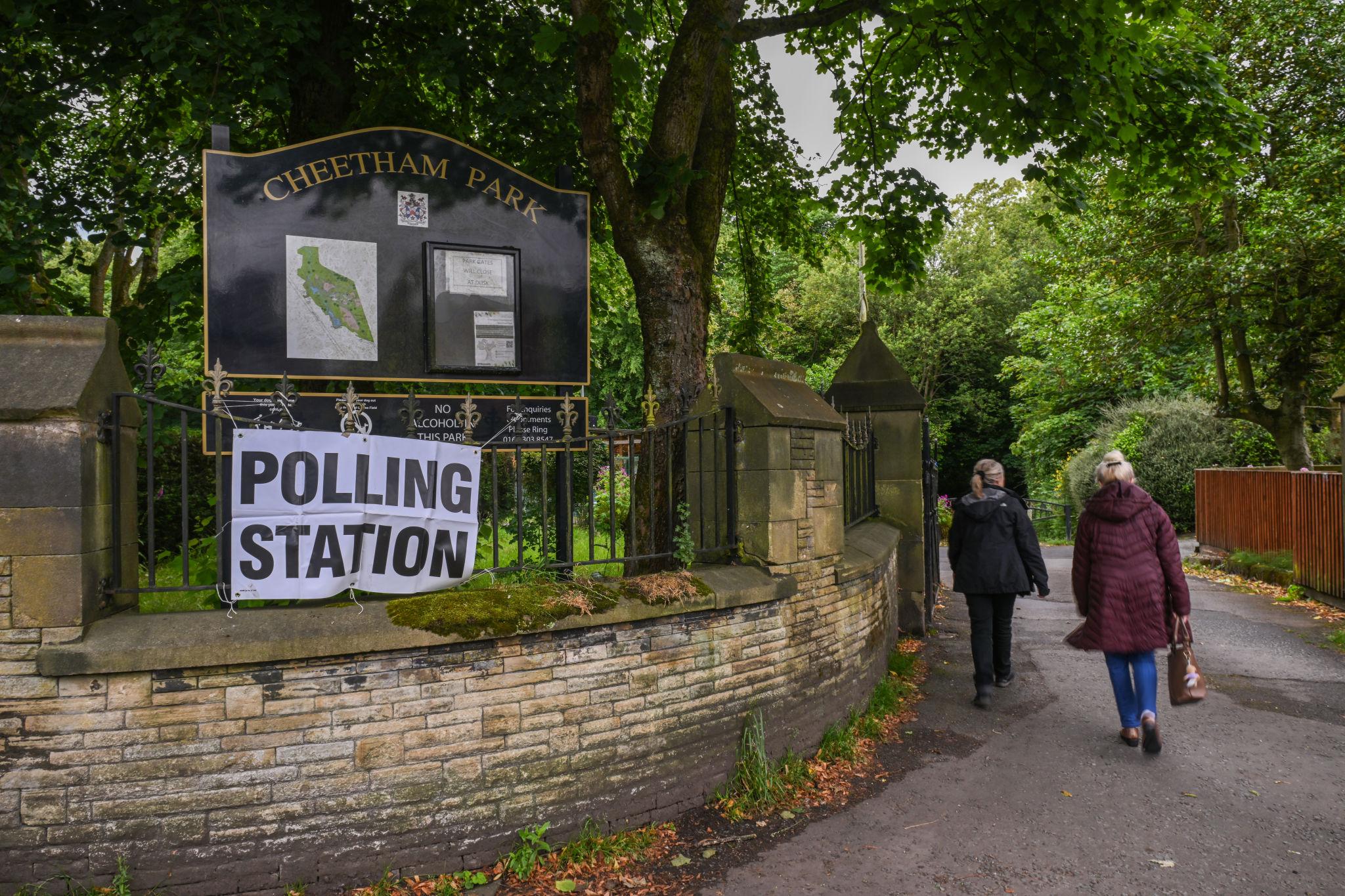
Election officials confirm steady registration activity, reinforcing expectations of significant participation.
Media Dynamics and Narrative Framing
Media coverage has amplified the stakes of the race. Headlines emphasizing competitiveness influence both perception and campaign momentum.
The Manchester by-election 2026 continues to generate national discussion, reinforcing Manchester’s role as a political bellwether. Analysts caution that media framing can shape voter expectations even before ballots are cast.
Balanced coverage remains essential to preserving informed democratic participation.
A Legacy of Labour Influence
Manchester’s political identity traces back to the industrial revolution and labor movements of the nineteenth century. Trade unions and workers’ organizations laid the foundation for Labour’s enduring strength in the city.
Throughout the twentieth century, Manchester emerged as a symbol of working class advocacy and progressive urban governance. Infrastructure development and social policy initiatives reinforced party loyalty across generations.
The Manchester by-election 2026 intersects with this historical legacy. While tradition remains influential, evolving demographics and economic diversification introduce new variables into the political equation.
National Political Implications
By-elections often serve as early indicators of broader electoral shifts. The Manchester by-election 2026 holds potential implications for party strategies across the United Kingdom.
Should Labour retain the seat comfortably, it may reinforce urban stability narratives. A reduced margin, however, could prompt strategic recalibration among national leadership teams.
Political commentators suggest that urban constituencies increasingly reflect diverse ideological perspectives rather than uniform alignment.
Economic Context in 2026
The contest unfolds amid national economic recalibration in 2026. Inflation moderation efforts, public spending debates, and international trade negotiations shape public sentiment.
In this environment, the Manchester by-election 2026 becomes a lens through which voters express satisfaction or frustration with broader governance trends.
Economists note that urban voters often respond swiftly to economic signals, making Manchester a critical case study in contemporary political analysis.
Governance, Accountability, and Public Trust
Public trust remains central to campaign messaging. Voters emphasize transparency, fiscal responsibility, and measurable outcomes.
The Manchester by-election 2026 underscores the importance of maintaining credibility in public office. Candidates across parties highlight ethical governance and responsiveness as core commitments.
A civic leader commented,
“Democracy thrives when representatives remain accountable to the communities they serve.”
Such perspectives resonate strongly during competitive electoral cycles.
Digital Campaigning and Modern Political Strategy
Digital outreach has transformed campaign mechanics. Social media platforms allow rapid dissemination of policy positions and event updates.
During the Manchester by-election 2026, candidates leverage targeted messaging to engage diverse voter segments. Online debates supplement traditional canvassing efforts.
Political strategists emphasize that digital engagement now plays a decisive role in shaping turnout patterns.
Urban Policy at a Crossroads
Urban centers face complex challenges including housing demand, environmental sustainability, and technological transformation.
The Manchester by-election 2026 reflects these intersecting pressures. Candidates propose varied approaches to balancing growth with social equity.
As cities evolve, electoral contests increasingly revolve around pragmatic urban governance rather than purely partisan identity.
The Final Stretch Toward Polling Day
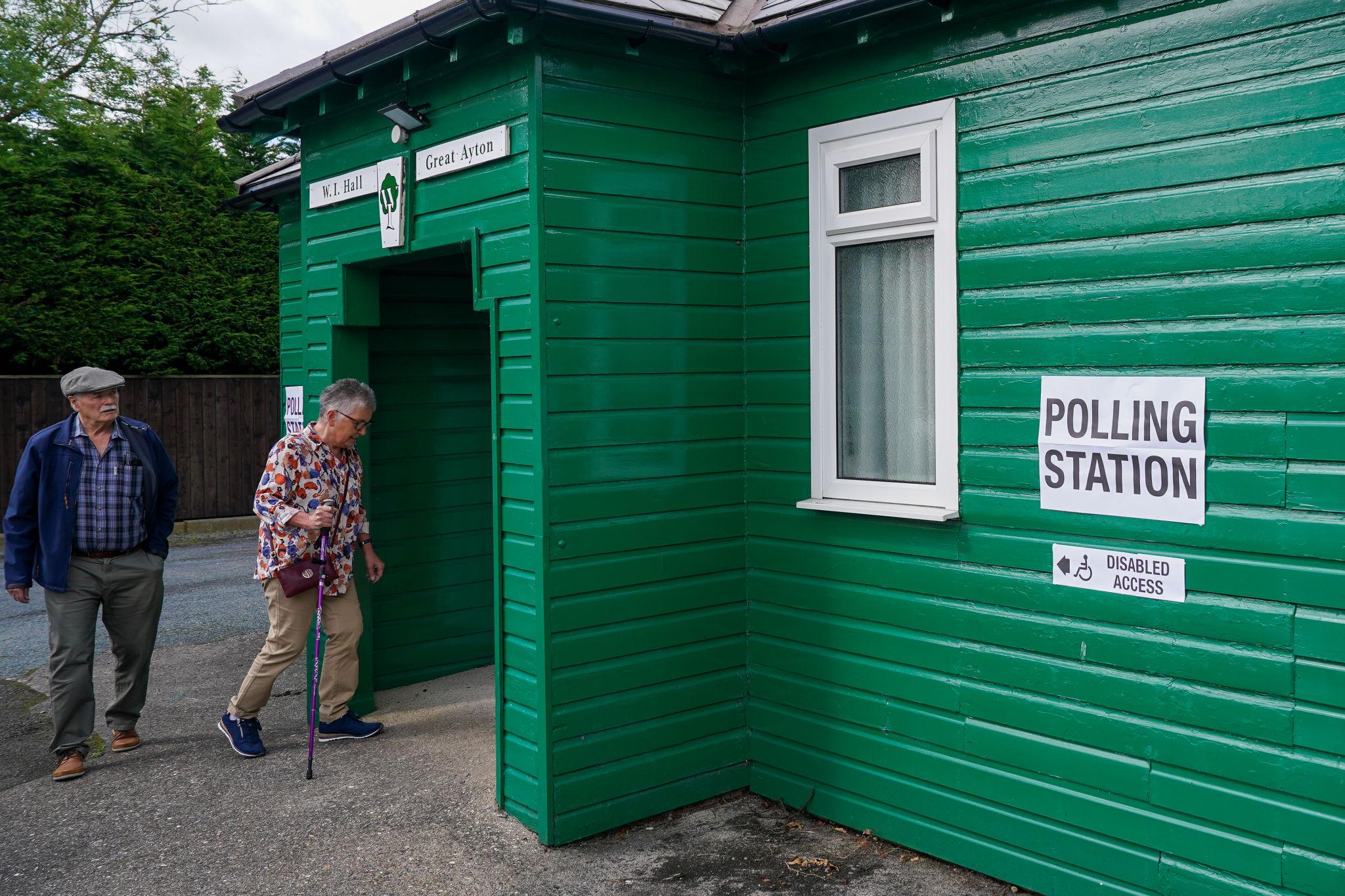
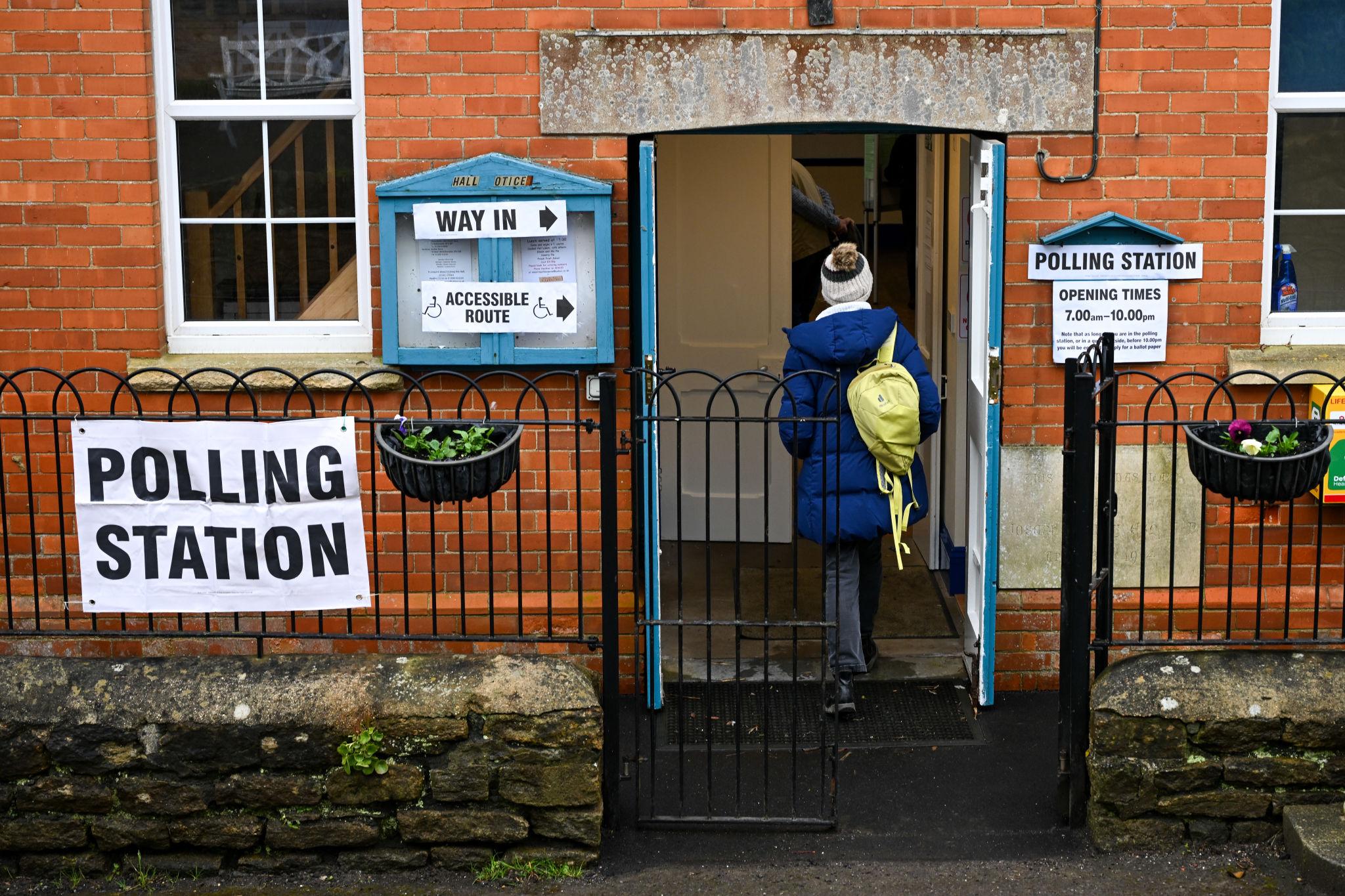
As polling day approaches, campaign intensity continues to rise. Final speeches emphasize unity, resilience, and forward looking leadership.
The Manchester by-election 2026 represents a pivotal moment for Manchester UK. While historical patterns provide context, contemporary voter sentiment ultimately determines the outcome.
Political observers anticipate that the result will offer valuable insights into the future direction of Britain’s urban politics.
When Urban Voices Shape the National Conversation
The broader significance of the Manchester by-election 2026 lies in its reflection of democratic vitality. Cities often act as catalysts for political innovation and recalibration.
Manchester’s electorate now stands at the center of a national conversation about governance, accountability, and economic direction.
As ballots are counted, the city’s decision will echo beyond its boundaries, reinforcing the principle that democratic systems evolve through engagement and competition.