
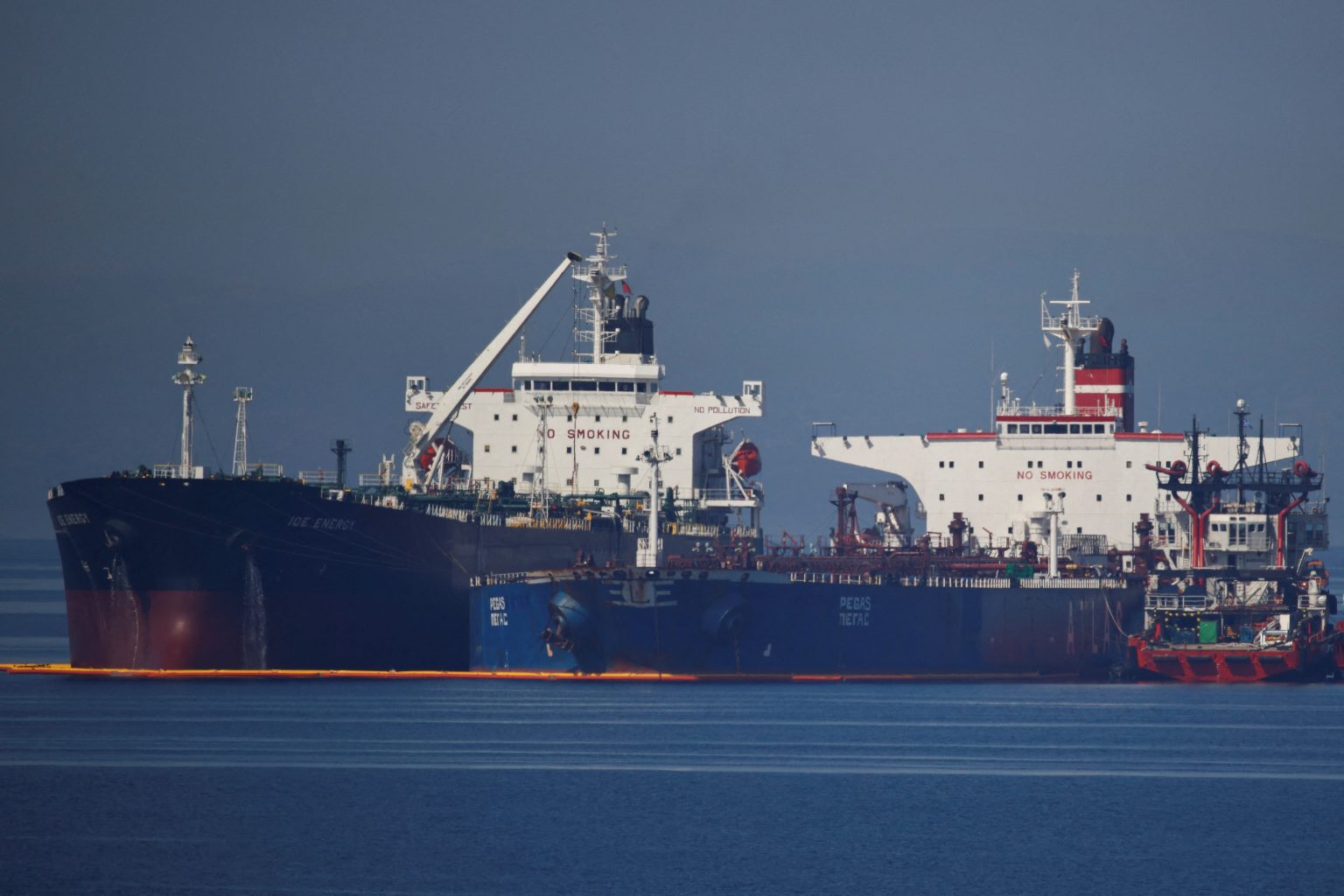
TEHRAN, February 15, 2026 — Brussels Morning Newspaper — Iran US energy talks have entered a structured diplomatic phase as officials from both governments confirmed ongoing discussions centered on oil production, strategic mining cooperation, and civilian aircraft procurement. The renewed engagement comes at a time when global markets remain highly sensitive to energy supply disruptions, mineral shortages, and geopolitical volatility.
The discussions mark a notable shift in tone between Tehran and Washington. While no binding agreements have been finalized, technical working groups are evaluating sector-specific frameworks designed to balance economic opportunity with regulatory compliance.
Iran US energy talks are now being closely monitored not only by policymakers but also by global commodity traders, aviation regulators, and institutional investors.
Energy Production Returns to the Forefront of Diplomacy
Energy remains the primary pillar of current negotiations. Iran possesses some of the world’s largest proven oil and natural gas reserves, and its production capacity has long been a variable in global pricing models.
Officials familiar with the discussions indicate that conversations include phased production planning, infrastructure modernization, and conditional export mechanisms. Even incremental adjustments in output could influence international benchmarks such as Brent crude.
An energy analyst involved in consultations stated,
“Market stability depends on predictable production frameworks and credible compliance mechanisms.”
Global markets have responded cautiously, with traders recalibrating forecasts based on diplomatic signals emerging from Tehran.
Iran US energy talks therefore carry implications beyond bilateral relations, influencing broader global supply calculations.
Strategic Minerals and Industrial Leverage
Mining has emerged as a second core dimension of engagement. Iran’s reserves of copper, zinc, iron ore, and rare earth elements are increasingly vital to modern manufacturing, renewable energy infrastructure, and aerospace engineering.
Critical minerals are central to global supply chain resilience. Diversified sourcing has become a strategic objective for many industrialized economies.
Industry experts suggest that structured cooperation in extraction technology, environmental compliance, and logistics infrastructure could benefit both sides. Such collaboration would expand economic diversification while supporting global demand for essential materials.
Iran US energy talks now intersect with this wider mineral strategy, linking resource diplomacy to industrial security.
Civil Aviation and Commercial Modernization
Civil aviation modernization has been identified as a potential area for limited early progress. Iran’s commercial aircraft fleet has faced aging challenges due to long-standing restrictions affecting procurement and spare parts access.
Aviation transactions typically involve complex regulatory approvals and export licensing procedures. However, they are often considered confidence-building measures because they directly serve civilian needs.
A senior diplomatic official commented,
“Incremental economic cooperation can create structured pathways toward broader stability.”
The inclusion of aircraft procurement in Iran US energy talks reflects an effort to approach diplomacy through sector-specific engagement rather than sweeping political declarations.
Financial Markets React to Diplomatic Signals
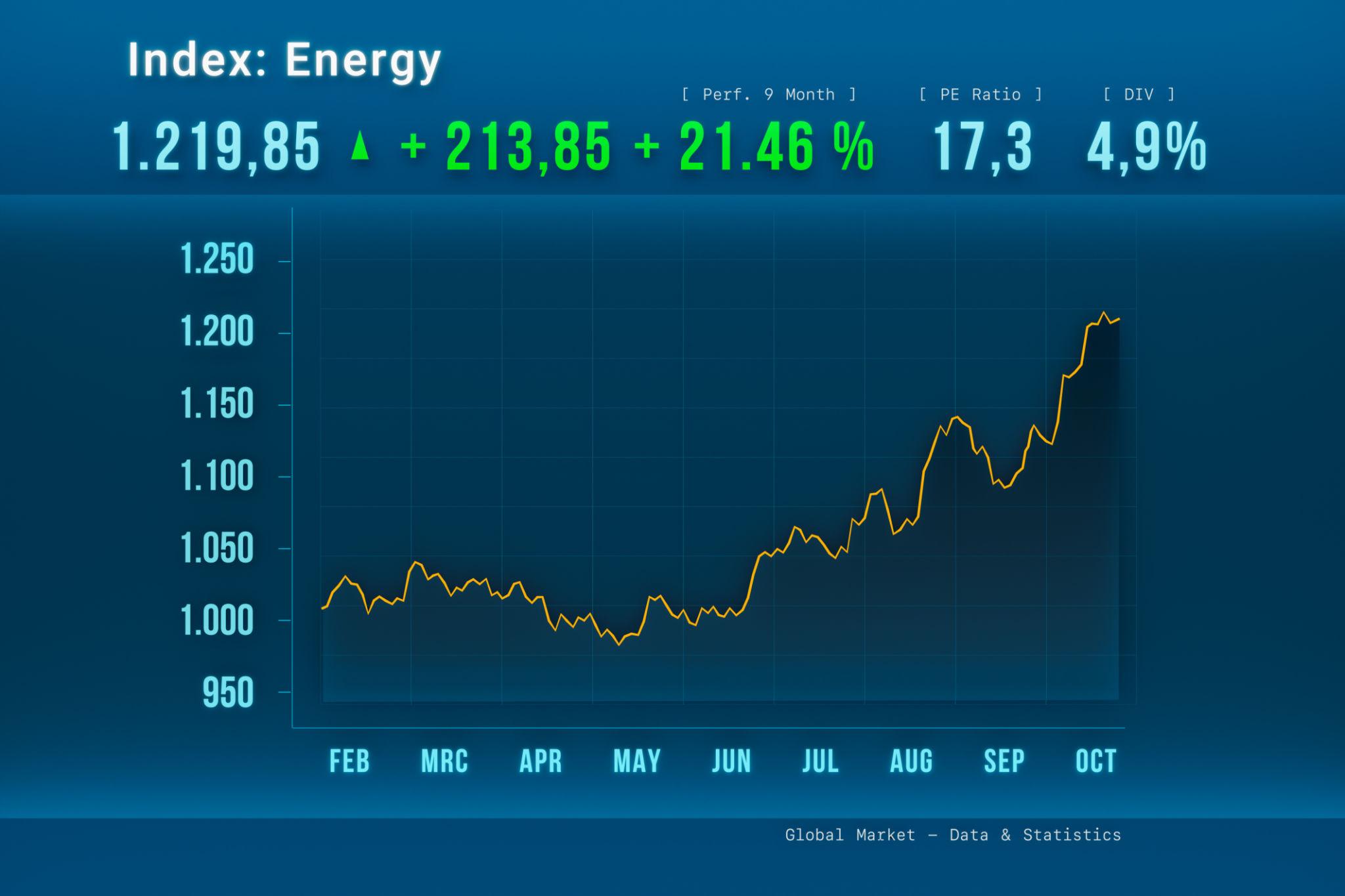
Energy and commodity markets respond rapidly to geopolitical developments. Following confirmation of structured negotiations, oil futures experienced modest volatility as traders assessed potential supply implications.
Mining equities and aerospace manufacturers have also been evaluating the potential impact of long-term agreements.
Institutional investors are particularly attentive to compliance safeguards. Sustainable engagement depends on transparency, enforceability, and regulatory clarity.
Iran US energy talks have therefore become a variable in global economic forecasting models.
Regional Stability and Energy Security
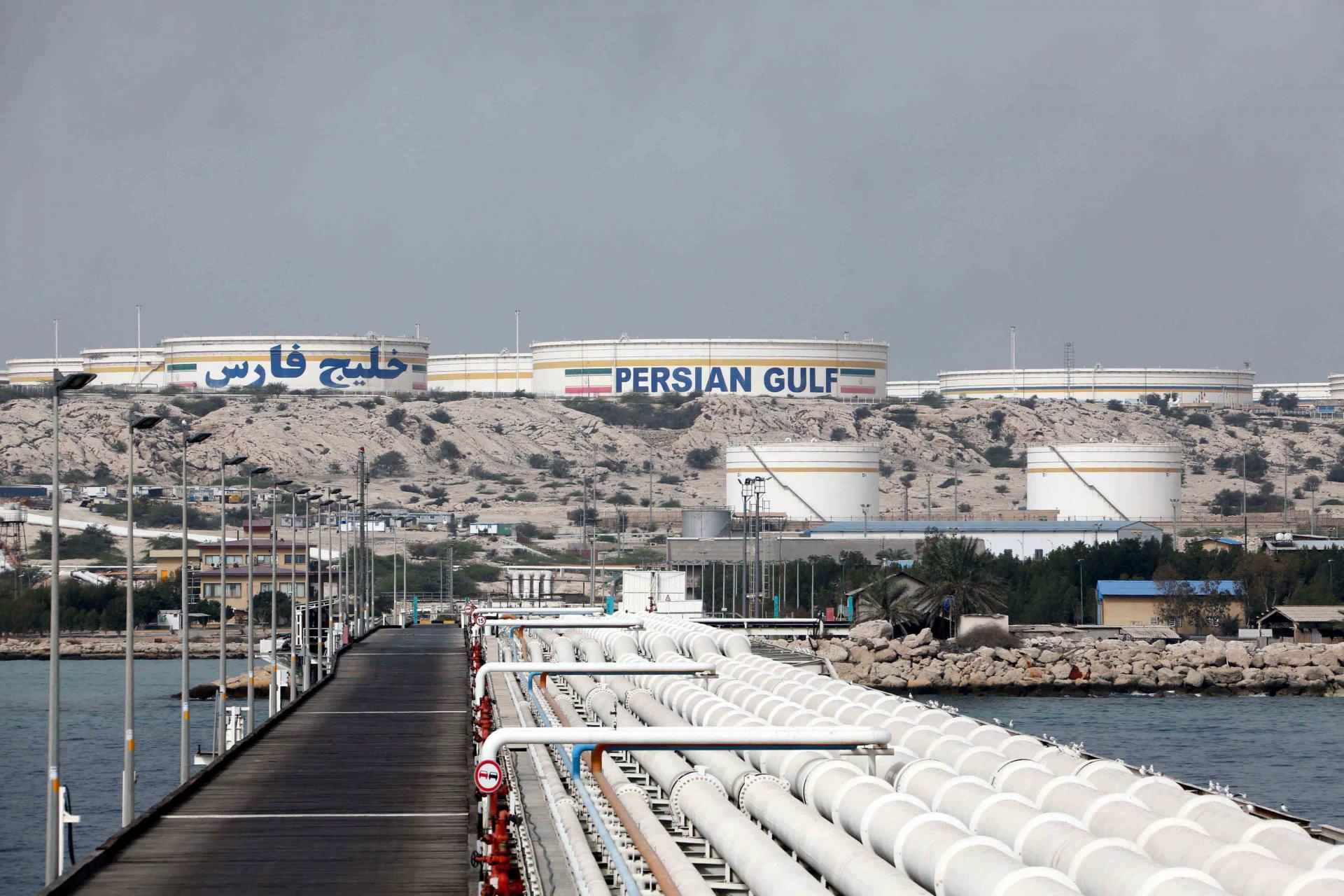
The Middle East remains central to global energy flows. Any modification in production or export volumes can influence shipping routes, insurance premiums, and price volatility.
Energy security has reemerged as a primary policy objective worldwide. Supply disruptions in recent years have reinforced the importance of diversified production channels.
Iran US energy talks are unfolding within this broader context of recalibrated energy strategy.
Policymakers emphasize that structured engagement must align with regional stability frameworks and international commitments.
Regulatory Oversight and Legal Complexities
Sanctions frameworks, export controls, and financial transaction protocols remain intricate. Legal compliance will be essential to any structured outcome.
Experts highlight the importance of phased implementation and measurable benchmarks. Past experiences demonstrate that unclear compliance standards can undermine diplomatic progress.
Iran US energy talks must navigate multilayered legal environments in both capitals, requiring coordination among regulatory agencies and oversight bodies.
Transparent documentation and monitoring procedures are expected to play a decisive role in determining sustainability.
Domestic Political Considerations
Negotiations of this magnitude inevitably generate domestic scrutiny. In Tehran, economic modernization and infrastructure development remain policy priorities.
In Washington, lawmakers are evaluating commercial benefits alongside security considerations.
Political analysts suggest that sustainable progress depends on maintaining bipartisan clarity and consistent messaging.
Iran US energy talks therefore operate within a complex domestic political environment on both sides.
Historical Background of Bilateral Energy Engagement
Economic engagement between Tehran and Washington has evolved over decades, shaped by geopolitical shifts and security tensions. Energy diplomacy has often served as a barometer of broader relations.
Previous attempts at commercial cooperation included discussions on oil exports and aircraft procurement, some of which advanced before being paused due to changing political landscapes.
The historical trajectory demonstrates that economic engagement requires durable compliance mechanisms and sustained political will.
The reemergence of structured dialogue in 2026 reflects lessons learned from earlier initiatives.
Global Economic Implications
If structured agreements move forward, the implications could extend far beyond bilateral trade.
Oil supply adjustments influence inflation, transportation costs, and industrial production worldwide. Mineral exports affect renewable energy manufacturing and technology development.
Aviation modernization intersects with global safety standards and international travel networks.
Iran US energy talks therefore hold significance for global macroeconomic stability.
Strategic Energy Calculations in 2026
Energy diplomacy in 2026 differs from previous decades due to shifting supply patterns and emerging technologies.
Renewable energy expansion coexists with continued dependence on hydrocarbons. Critical minerals are now as strategically important as oil reserves.
Iran US energy talks reflect this evolving landscape, linking traditional energy diplomacy with industrial resource planning.
International observers note that long-term outcomes will depend on sustained engagement rather than short-term political signals.
Market Forecasting and Long-Term Planning
Institutional analysts emphasize caution in forecasting. While diplomatic signals influence markets, implementation timelines can extend for months or years.
Energy companies, mining corporations, and aerospace manufacturers are conducting scenario analyses based on multiple diplomatic outcomes.
Iran US energy talks have become embedded in strategic planning models across sectors.
The Strategic Outlook for the Year Ahead
As 2026 progresses, technical consultations are expected to continue behind closed doors. Observers anticipate incremental milestones rather than sweeping announcements.
Iran US energy talks represent a calculated diplomatic effort centered on economic pragmatism.
Whether these negotiations evolve into durable agreements will depend on regulatory precision, political continuity, and international coordination.
For now, the measured tone suggests deliberate engagement aimed at balancing opportunity with caution.