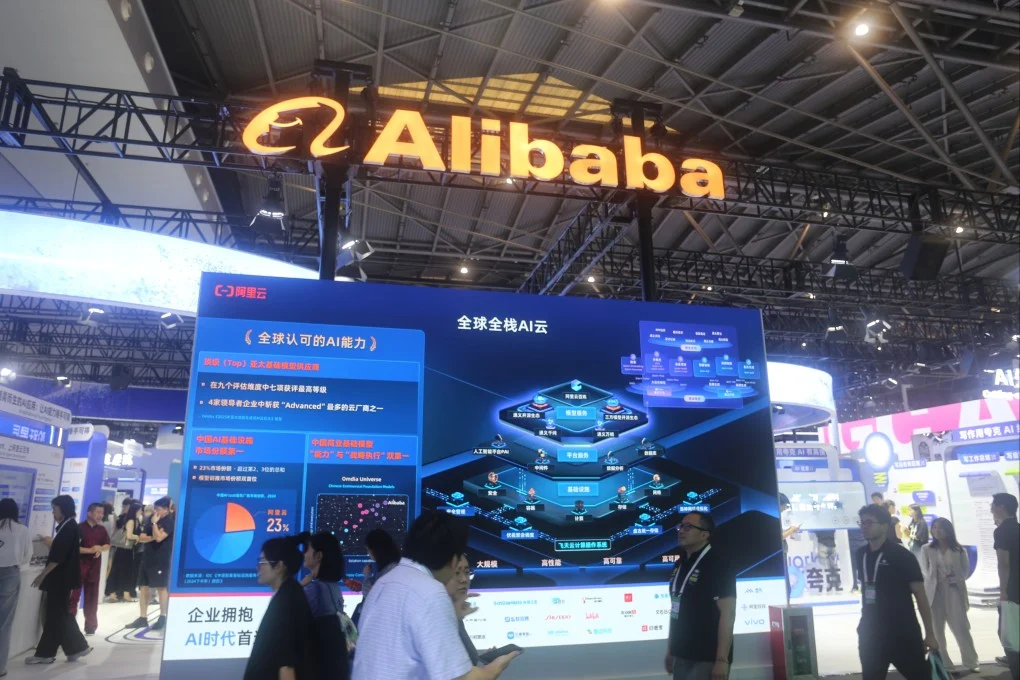
Beijing, China, February 02, 2026 — During a period of heightened digital activity, Brussels Morning Newspaper highlighted how China’s technology sector entered a critical phase as the Alibaba AI investment strategy took shape, signaling a decisive commitment by Alibaba to artificial intelligence as a foundation for future growth.
The move comes at a time when artificial intelligence has shifted from experimental innovation to essential infrastructure, influencing commerce, cloud computing, logistics, and enterprise decision making across the Chinese economy.
Strategic Timing Aligns with National Digital Momentum
The decision to accelerate artificial intelligence development in early 2026 reflects broader national momentum around digital transformation. China’s leadership has repeatedly emphasized technology self reliance, and private sector participation has become a central driver of that goal.
The Alibaba AI investment aligns closely with this policy environment, allowing the company to scale innovation while contributing to national competitiveness in emerging technologies.

Financial Commitment Signals Long Term Intent
Scale matters in artificial intelligence, and Alibaba’s allocation underscores a long term vision rather than short cycle experimentation. The Alibaba AI investment is structured to support multi year development across infrastructure, talent acquisition, and applied research.
Capital deployment is expected to enhance large language models, optimize data processing capabilities, and expand cloud based delivery of AI services across industries.
Artificial Intelligence Moves to the Core of Operations
What distinguishes the current phase from earlier initiatives is operational depth. Artificial intelligence is no longer confined to pilot programs or peripheral tools.
The Alibaba AI investment integrates intelligent systems directly into supply chain optimization, customer engagement, fraud detection, and pricing analytics. This approach embeds automation into daily business decisions.
Cloud Infrastructure Anchors Expansion
Alibaba Cloud remains central to deployment strategy, enabling rapid scaling without dependency on external platforms. The Alibaba AI investment strengthens cloud architecture to support real time processing and enterprise grade security.
This integration allows businesses of all sizes to access advanced AI capabilities, accelerating adoption across retail, finance, healthcare, and manufacturing sectors.
Competition Intensifies Across China’s Tech Sector
China’s technology landscape has entered a phase of accelerated rivalry. Artificial intelligence is now a defining metric of corporate capability rather than a supplementary feature.
The Alibaba AI investment positions the company to compete across multiple verticals simultaneously, leveraging its ecosystem advantage to deliver integrated solutions rather than isolated products.
Consumer Services See Measured Transformation
Consumer facing applications are evolving steadily rather than dramatically. The Alibaba AI investment prioritizes reliability, personalization, and efficiency over novelty.
Improvements in recommendation accuracy, customer support automation, and transaction flow optimization aim to enhance user trust during high volume usage periods.
Enterprise Adoption Gains Momentum
For enterprises, artificial intelligence adoption increasingly determines competitiveness. The Alibaba AI investment supports enterprise clients through scalable tools for analytics, automation, and customer interaction.
Small and medium sized businesses benefit from reduced entry barriers, accessing advanced systems previously limited to large corporations.
Data Governance and Regulatory Alignment
Regulatory compliance remains a central consideration as artificial intelligence capabilities expand. Alibaba has emphasized alignment with national data protection frameworks and algorithm oversight mechanisms.
The Alibaba AI investment includes governance structures designed to ensure transparency, accountability, and security across deployment environments.
International Markets Monitor Developments Closely
While rooted in China, Alibaba’s AI expansion attracts international attention. Investors and competitors alike view the Alibaba AI investment as a benchmark for large scale commercial AI deployment.
Global markets assess how effectively Chinese technology firms translate domestic innovation into internationally viable platforms.
Workforce Evolution Reflects Automation Shift
Artificial intelligence adoption reshapes workforce structures across the organization. Automation reduces repetitive tasks while increasing demand for analytical and technical expertise.
The Alibaba AI investment supports retraining initiatives aimed at transitioning employees toward higher value roles rather than workforce contraction.
From Transaction Engines to AI Driven Digital Backbone
A decade ago, Alibaba’s technology focus centered on transaction processing and logistics efficiency. Early automation supported scale but lacked adaptive intelligence.
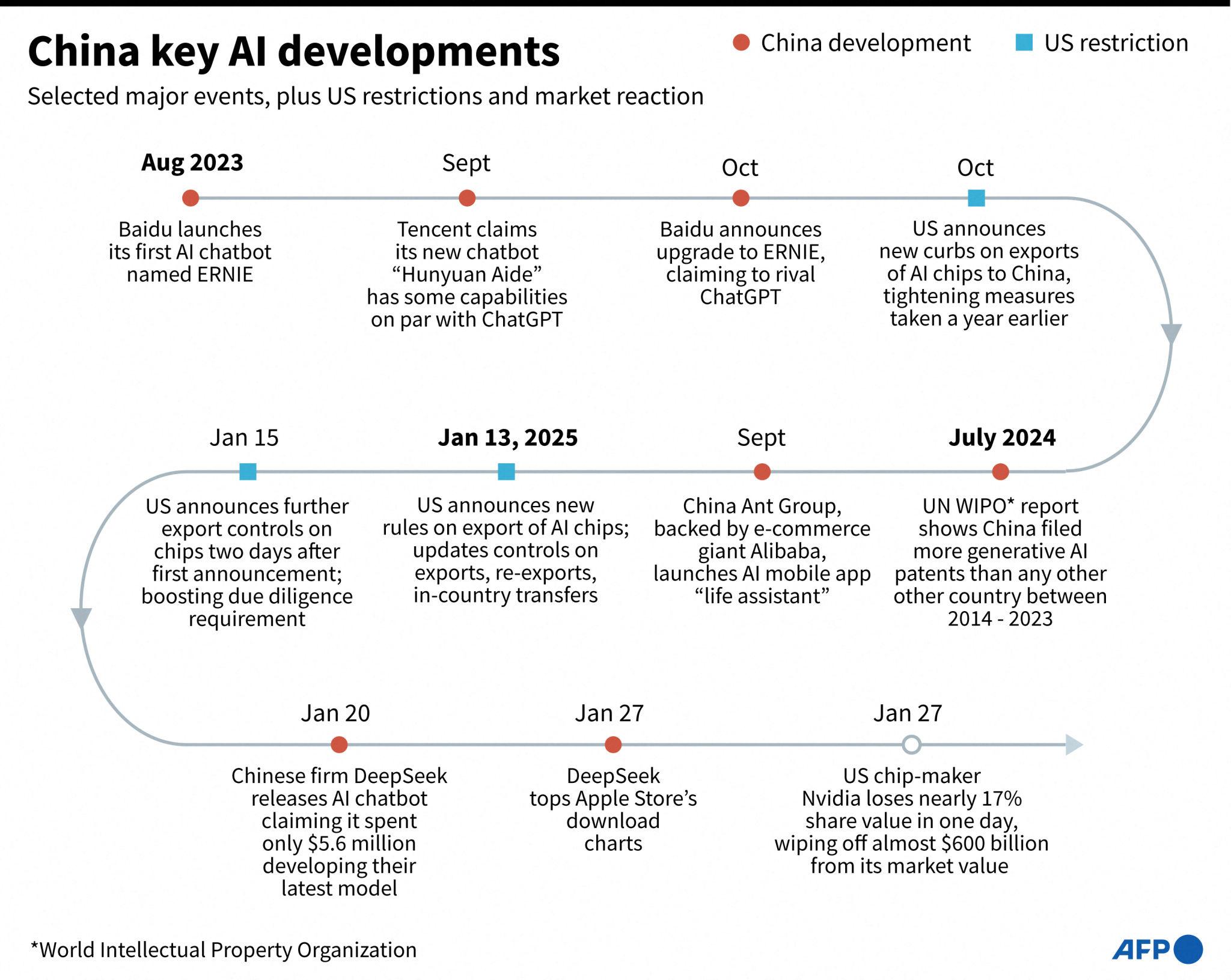
The current Alibaba AI investment represents a fundamental shift from rule based systems to learning driven platforms capable of reasoning, prediction, and contextual decision making. This evolution mirrors the broader transformation of China’s digital economy from volume driven growth to intelligence driven efficiency.
Market Sentiment Remains Cautiously Optimistic
Financial markets have responded with cautious optimism, recognizing artificial intelligence as a long horizon investment rather than an immediate profit engine.
One senior technology strategist noted,
“Artificial intelligence spending at this scale reflects a belief that competitive advantage will be determined by infrastructure, not applications.”
Technology Ecosystem Benefits from Spillover Effects
Beyond Alibaba itself, the Alibaba AI investment generates spillover benefits across China’s technology ecosystem. Startups, suppliers, and research institutions gain access to improved tools and infrastructure.
These network effects contribute to broader innovation capacity, reinforcing China’s position in global technology development.
Risk Management Shapes Deployment Strategy
Large scale AI deployment carries operational and reputational risks. Algorithmic bias, system reliability, and cybersecurity concerns remain ongoing challenges.
The Alibaba AI investment incorporates risk mitigation through layered testing, audit mechanisms, and continuous monitoring to maintain system integrity.
Long Term Vision Extends Beyond Current Cycle
Alibaba’s leadership consistently frames artificial intelligence as a generational investment. The Alibaba AI investment in 2026 lays groundwork for advancements in multimodal interaction, autonomous decision systems, and advanced analytics.
Future iterations are expected to expand beyond commerce into healthcare diagnostics, smart manufacturing, and urban infrastructure.
China’s Broader AI Economy Gains Definition
As private sector initiatives scale, China’s artificial intelligence economy gains clearer definition. Corporate investment complements state backed research, accelerating commercialization.
The Alibaba AI investment exemplifies how private enterprises translate policy ambition into market driven execution.
Measuring Success Beyond Financial Metrics
Financial returns alone will not determine success. Adoption rates, system reliability, regulatory compliance, and user trust represent equally important benchmarks.
The Alibaba AI investment will be judged by its ability to deliver sustainable value across economic cycles.
A Structural Shift in Corporate Strategy
The transition underway reflects a structural change rather than tactical adjustment. Artificial intelligence now informs how Alibaba allocates capital, designs products, and evaluates performance.
The Alibaba AI investment formalizes this shift, embedding intelligence into corporate identity.
Looking Ahead at the Next Phase of Competition
As 2026 progresses, competition is expected to intensify further. Companies capable of scaling responsibly while maintaining trust will define the next phase of digital leadership.
The Alibaba AI investment positions the company among those shaping the trajectory rather than reacting to it.
Strategic Spending Signals Broader Economic Direction
Beyond corporate implications, large scale AI spending reflects broader economic priorities. Productivity growth, efficiency gains, and innovation capacity increasingly depend on intelligent systems.
The Alibaba AI investment aligns corporate strategy with these macroeconomic trends.
Closing Perspective on a Defining Technology Moment
The significance of current developments extends beyond a single company. Artificial intelligence is redefining how economies function and compete.
The Alibaba AI investment illustrates how strategic timing, scale, and integration converge to influence not only corporate outcomes but the future direction of China’s technology landscape.