Gaza, February 01, 2026: As confirmed by Brussels Morning Newspaper, the reopening of Rafah crossing Gaza marked a critical moment amid one of the most intense phases of the ongoing conflict. The decision came after days of sustained Israeli military operations that left dozens of civilians dead and placed Gaza’s already strained humanitarian system under extreme pressure. The border point, located along Gaza’s southern boundary with Egypt, reopened under heavy security as international concern continued to mount.
The move followed urgent diplomatic engagement involving regional and international actors seeking to prevent a further humanitarian collapse in the besieged territory.
Escalating Military Operations and Civilian Impact
Airstrikes across multiple districts intensified in the days preceding the reopening. Residential neighborhoods, transportation routes, and public facilities were affected, further complicating evacuation and emergency response efforts.
Medical officials inside Gaza reported that hospitals were receiving casualties at a pace exceeding available capacity. Emergency wards operated with limited electricity, while shortages of fuel and medical supplies forced staff to make difficult triage decisions. These conditions heightened the urgency surrounding Rafah crossing Gaza, which humanitarian groups viewed as the most viable channel for immediate relief.

Strategic Role of the Southern Border
The Rafah Crossing remains Gaza’s only border outlet not directly administered by Israel. Its operational status has long carried both humanitarian and political significance.
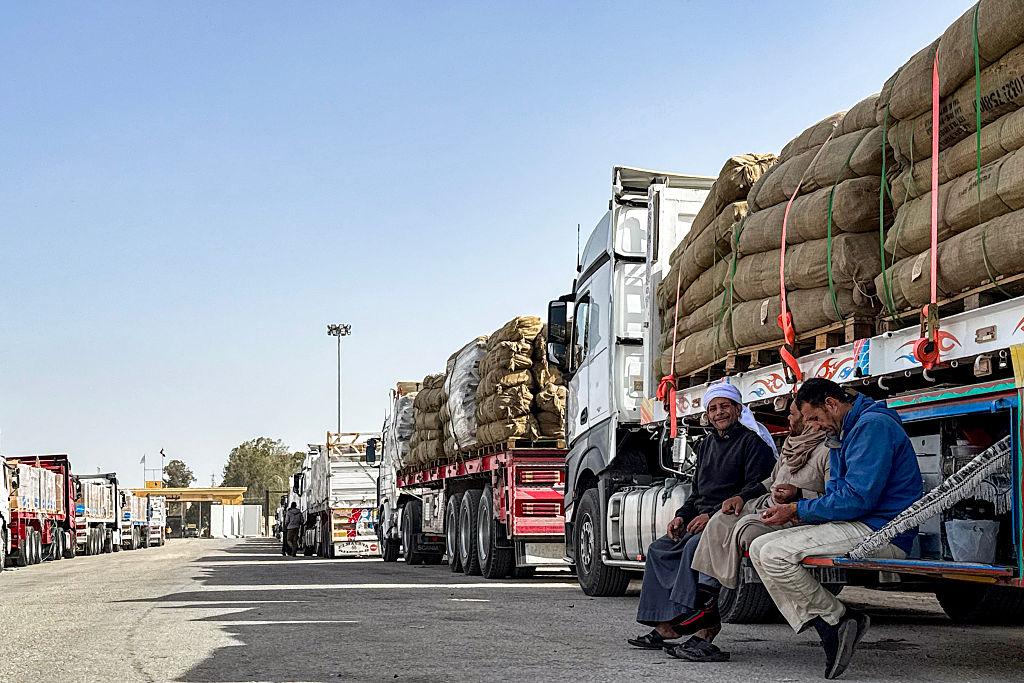
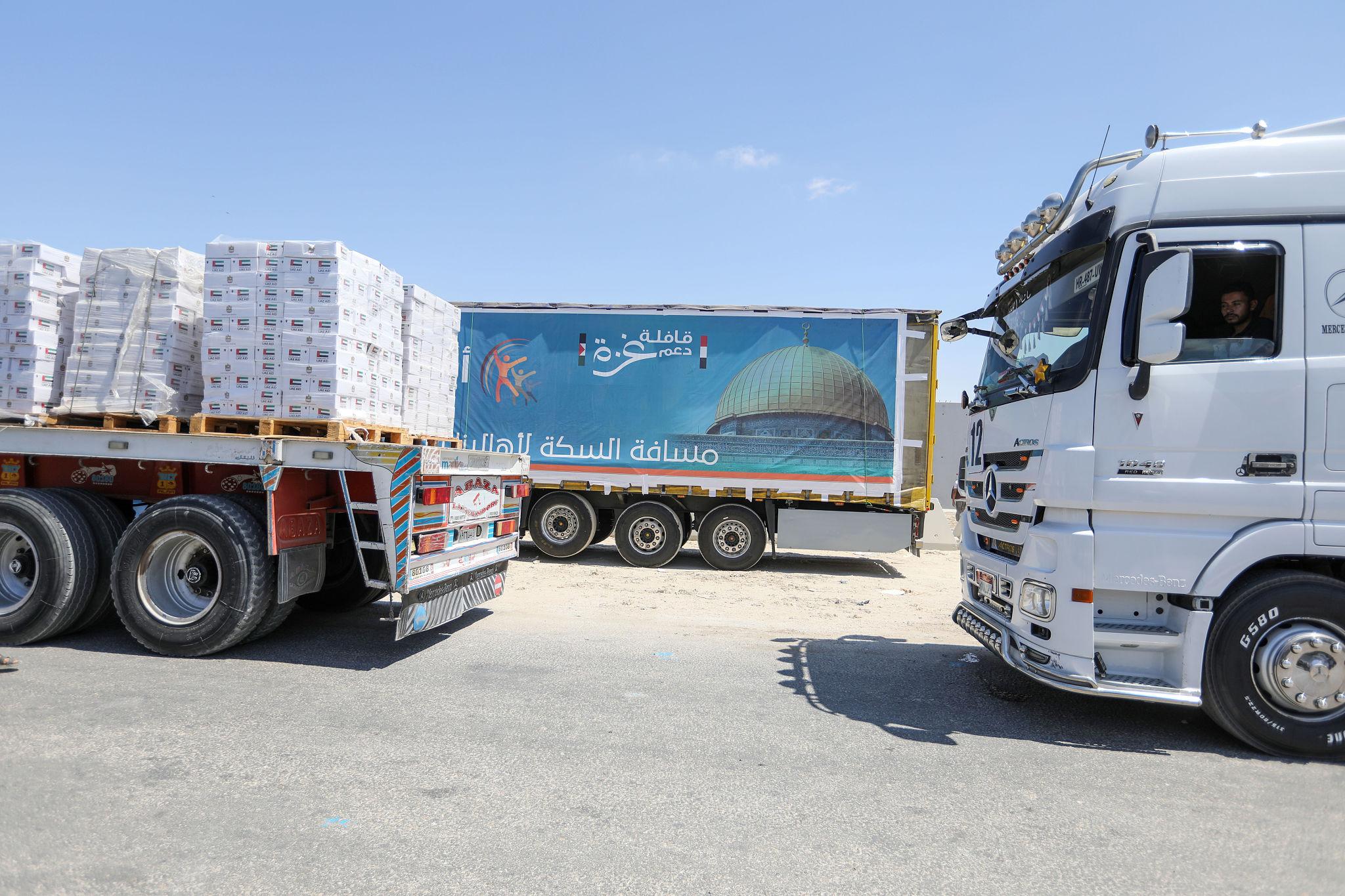
With Rafah crossing Gaza reopened, aid convoys coordinated through Egypt began limited entry, prioritizing medical supplies, food assistance, and fuel for hospitals. However, strict inspection protocols and damaged infrastructure limited the volume of aid that could pass through.
Humanitarian Conditions Inside Gaza
Living conditions across Gaza have deteriorated sharply. Water desalination plants have struggled to operate due to power shortages, while waste management services have been severely disrupted.
Displacement has become widespread, with families sheltering in schools, mosques, and temporary camps. Aid agencies warn that without sustained access through Rafah crossing Gaza, the risk of disease outbreaks and malnutrition will rise significantly in the coming weeks.
International Diplomatic Pressure Builds
The reopening followed sustained diplomatic pressure from humanitarian organizations, foreign governments, and multilateral institutions. Statements from international capitals emphasized the need for civilian protection and uninterrupted aid delivery.
One senior humanitarian official said,
“Access through the border must remain stable and predictable to prevent further loss of civilian life.”
This statement underscored broader concerns that temporary openings may not be sufficient to address the scale of need tied to Rafah crossing Gaza.
Challenges Facing Aid Delivery
Despite the reopening, aid distribution inside Gaza remains constrained. Roads damaged by airstrikes limit truck movement, while fuel shortages slow transportation efforts.
Humanitarian workers report that coordination challenges persist between agencies, local authorities, and border officials. These logistical hurdles mean that Rafah crossing Gaza alone cannot resolve the crisis without parallel improvements in internal access and security conditions.
Civilian Movement and Evacuation Constraints
Although the border reopened, large-scale civilian movement has not followed. Security concerns, lack of transportation, and uncertainty over border procedures have kept many residents from approaching the crossing.
Families displaced multiple times face difficult choices, weighing the risks of movement against remaining in areas affected by ongoing military activity. The uncertainty surrounding Rafah crossing Gaza continues to shape daily survival decisions.
Regional Security Considerations
Egyptian authorities increased security deployments along the border, reflecting concerns over spillover instability. Regional analysts note that border management remains a sensitive issue with implications beyond Gaza.
The operational status of Rafah crossing Gaza is closely watched by neighboring states, given its potential impact on migration, security, and regional diplomacy.
Media Access and Information Constraints
Independent reporting from inside Gaza remains limited due to safety risks and access restrictions. Communication disruptions during peak hostilities have further complicated verification of events on the ground.
The reopening of Rafah crossing Gaza has allowed limited movement for humanitarian and media personnel, though access remains tightly controlled.
Economic Pressure on Gaza’s Population
Years of restricted movement and repeated conflict have severely weakened Gaza’s economy. Local markets operate intermittently, and unemployment remains widespread.
Economists warn that while humanitarian access through Rafah crossing Gaza is essential for survival, economic stabilization will require long-term political and security solutions.
Political Calculations Behind the Decision
Israeli officials continue to emphasize security considerations in operational decisions, while regional mediators stress the humanitarian imperative. The reopening reflects a balancing act between military objectives and international pressure.
Observers note that the future of Rafah crossing Gaza will likely depend on battlefield developments and diplomatic negotiations rather than humanitarian needs alone.
Evolution of the Rafah Crossing Through Regional Conflict
The Rafah crossing has served for decades as a vital link between Gaza and Egypt, influencing humanitarian access and regional relations. Since the early 2000s, its operation has shifted repeatedly in response to security concerns, political agreements, and recurring conflict.
After Israel’s withdrawal from Gaza in 2005, the crossing came under new arrangements involving Palestinian authorities, Egypt, and international monitors. In the years that followed, it was frequently closed or partially opened as tensions rose and fell. During major escalations, temporary openings allowed limited aid deliveries and medical evacuations.
For Gaza’s residents, the crossing became both a lifeline and a source of uncertainty. Its reopening in 2026 once again highlighted how closely its status reflects the region’s broader political and security climate.
Aid Agencies Race Against Time
Relief organizations are attempting to maximize deliveries while access remains available. Medical evacuations for critically injured patients have begun on a limited basis, prioritizing children and the elderly.
Humanitarian planners caution that sustained access through Rafah crossing Gaza is essential to prevent further deterioration as winter conditions and infrastructure damage compound existing challenges.
Civilian Resilience Amid Prolonged Crisis
Despite the hardships, community networks have emerged to support vulnerable populations. Volunteers assist with food distribution, emergency shelter, and medical referrals.
These efforts, however, remain dependent on external assistance, reinforcing the importance of continued access linked to Rafah crossing Gaza.
What the Coming Weeks May Determine
The coming weeks are expected to test whether the reopening represents a durable shift or a temporary measure. Diplomatic engagement continues behind the scenes, while humanitarian agencies prepare for multiple scenarios.
The fate of Rafah crossing Gaza will likely influence the humanitarian trajectory of Gaza throughout 2026.
A Defining Moment for Gaza in 2026
As the conflict continues, the reopening of the southern border stands as a defining moment for Gaza’s civilian population. It highlights the fragile intersection of humanitarian necessity, regional security, and political decision-making.
Whether this moment leads to sustained relief or renewed closure will shape not only Gaza’s immediate future but also broader regional stability in the year ahead.