
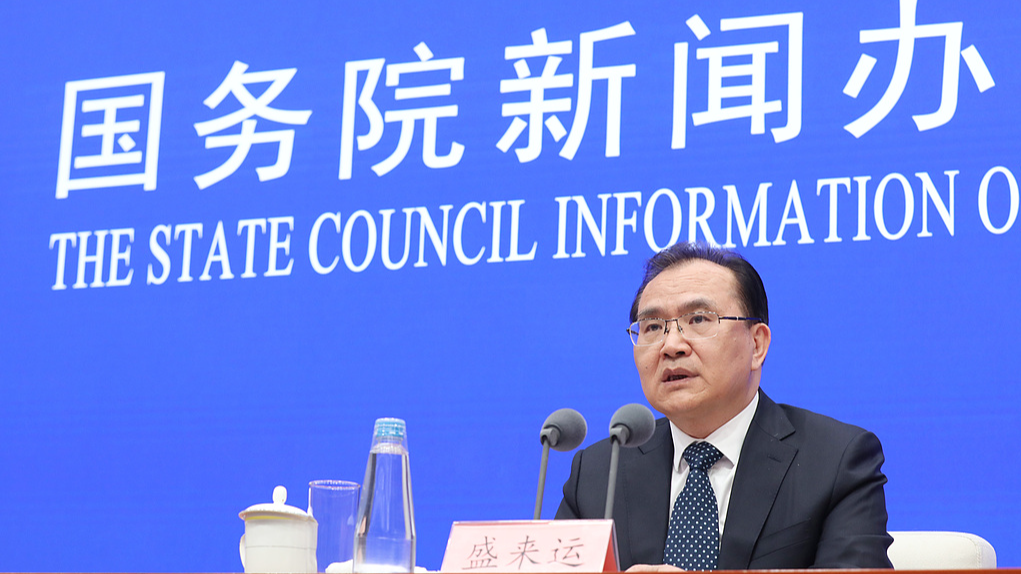
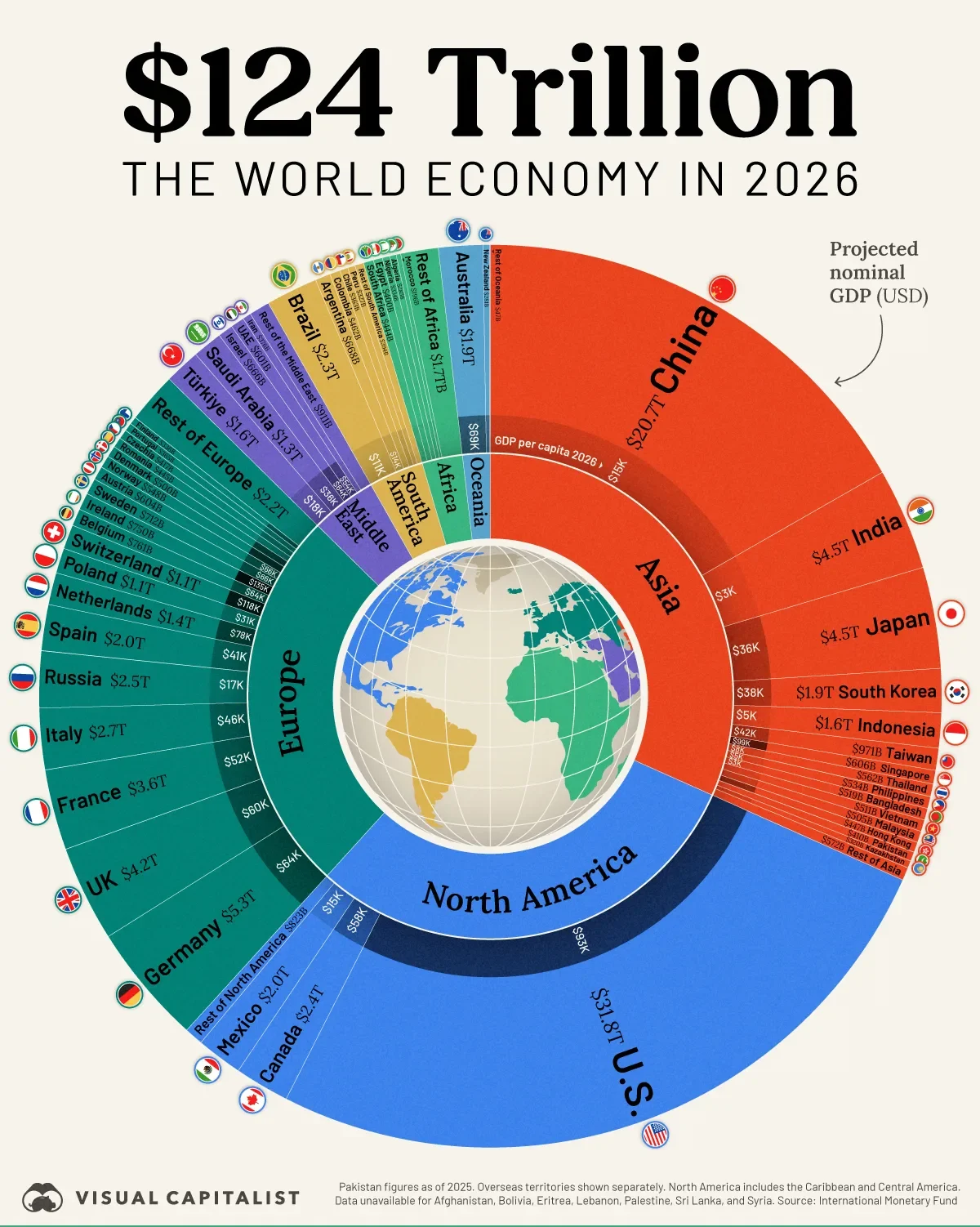
Beijing, China, January 2026, Brussels Morning Newspaper — New economic signals from Beijing have placed the global economy China at the center of international attention as governments, markets, and institutions assess how the world’s second-largest economy is shaping growth patterns in 2026. The latest official data points to steady expansion, reinforcing China’s role as a key stabilizing force at a time of uneven recovery across major regions.
As global inflation pressures ease in some economies and persist in others, China’s performance is being closely watched for clues about demand, trade flows, and investment confidence. Analysts say developments tied to the global economy China are influencing decisions far beyond Asia, from commodity exporters to financial centers in Europe and North America.
Why China’s Economic Path Matters Internationally
China’s scale ensures that even incremental shifts in output and consumption ripple across borders. As a manufacturing hub and a major importer of raw materials, its economic trajectory affects employment, pricing, and growth worldwide.
The global economy China functions as both a driver of demand and a reference point for policymakers navigating fragile recoveries. When growth in China remains stable, it provides reassurance to partners dependent on Chinese markets for exports and investment.
Official Growth Signals and Policy Messaging
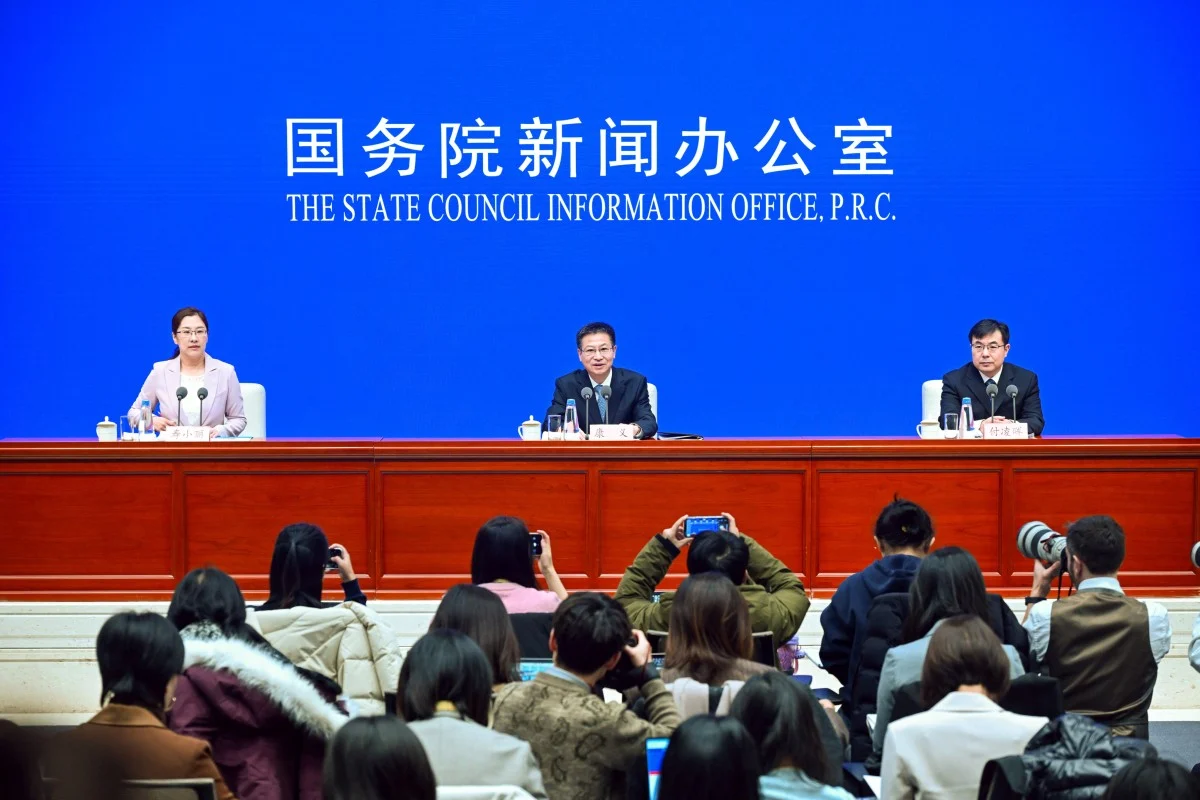
Authorities in Beijing have emphasized continuity and predictability in economic management. Growth data released early in the year aligned with official targets, supported by manufacturing output, services recovery, and controlled policy support.
Observers note that the global economy China is being shaped not by aggressive stimulus but by calibrated measures aimed at sustaining momentum while limiting financial risk. This approach has helped calm investor nerves amid persistent geopolitical uncertainty.
Domestic Consumption as a Growth Engine
Household spending showed gradual improvement, driven by stable employment and targeted incentives. Retail activity strengthened in urban centers, while tourism and services benefited from renewed consumer confidence.
When consumption improves, the global economy China gains broader significance, as increased imports support producers across Asia, Africa, and Europe. Economists highlight domestic demand as a crucial pillar of China’s economic strategy in 2026.
Manufacturing and Industrial Output
Industrial production remained a backbone of growth, particularly in advanced manufacturing, electric vehicles, and renewable energy equipment. Investment in automation and technology upgrades improved productivity across key sectors.
The resilience of manufacturing reinforces the role of the global economy China as a supplier of essential goods to international markets, even as supply chains continue to diversify.
Trade Performance and Export Trends
Exports held firm despite softer demand in some advanced economies. Chinese firms expanded into emerging markets while upgrading product quality to remain competitive.
Trade analysts say export stability underlines how the global economy China continues to anchor global trade flows, mitigating volatility during a period of geopolitical and economic adjustment.
Investment Shifts and Structural Change
Investment patterns reflected a shift away from property-led growth toward technology, infrastructure modernization, and green development. Large-scale projects in energy and transport supported employment and productivity.
These trends signal a structural evolution within the global economy China, aligning growth with long-term development goals rather than short-term stimulus.
Financial Markets and Investor Confidence
Global financial markets responded calmly to China’s data releases. Equity indices showed modest gains, while commodity prices reflected expectations of steady Chinese demand.
“China’s steady growth continues to play a stabilizing role in the global economy at a time when uncertainty remains high across major markets,”
an international economic analyst said.
Market participants noted that confidence in the global economy China helps stabilize emerging markets that rely heavily on Chinese trade and investment flows.
Impact on Developing Economies
For many developing nations, China remains a primary export destination and a source of infrastructure financing. Stable growth supports fiscal revenues and employment in partner countries.
As a result, changes in the global economy China often translate directly into development outcomes across Africa, Latin America, and Southeast Asia.
Relations With Advanced Economies
China’s economic performance also shapes conditions in advanced economies. Stable production supports global supply chains, easing price pressures and reducing the risk of shortages.
Policymakers in Europe and North America monitor the global economy China closely as they calibrate monetary policy and assess external risks.
Currency Stability and Capital Flows
Currency markets reflected confidence in China’s fundamentals, with limited volatility observed. Stable growth reduced the risk of disruptive capital outflows, supporting financial stability.
Analysts argue that predictability in the global economy China contributes to smoother capital flows, benefiting both domestic and international investors.
Geopolitical Context and Economic Strategy
Economic policy unfolds against a backdrop of strategic competition and diplomatic tension. Trade disputes and technology restrictions continue to shape perceptions of China’s role in the world economy.
Within this environment, the global economy China is viewed not only through economic indicators but also as a factor in broader geopolitical calculations.
Environmental Goals and Sustainable Growth
Sustainability remains a central theme in China’s economic planning. Investments in clean energy, electric mobility, and environmental protection feature prominently in development strategies.
These initiatives influence how the global economy China evolves, aligning growth with climate commitments and reshaping global supply chains for green technologies.
Technology and Innovation Drive
Innovation has emerged as a key engine of competitiveness. Advances in artificial intelligence, semiconductors, and digital infrastructure support productivity gains.
By prioritizing innovation, policymakers aim to strengthen the global economy China while reducing reliance on traditional growth drivers.
Labor Market and Social Stability
Employment conditions remained broadly stable, supporting consumer confidence. Job creation in services and high-tech sectors offset pressures in traditional industries.
Social stability is viewed as essential for sustaining the global economy China, reinforcing the link between economic management and social policy.
Risks Beneath the Surface
Despite positive indicators, risks persist. Weakness in the property sector, demographic change, and external shocks could weigh on growth.
Economists caution that while the global economy China has shown resilience, careful policy calibration will be required to maintain balance.
International Institutions and Forecasts
International organizations continue to factor China’s performance into global forecasts. Stable growth supports projections for world output and trade expansion.
For institutions managing systemic risk, the health of the global economy China remains a critical variable.
Public Communication and Transparency
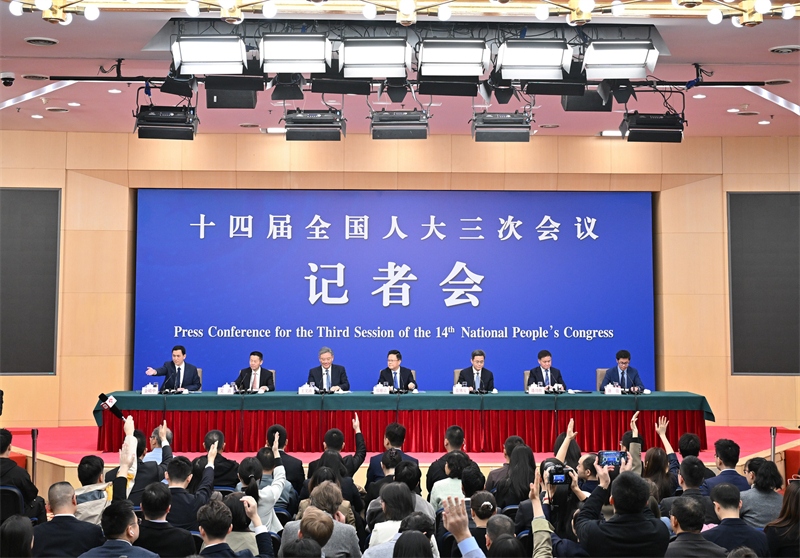
Clear communication from authorities has helped manage expectations. Regular data releases and policy guidance aim to reduce uncertainty among investors and partners.
Transparency around the global economy China is increasingly seen as vital for maintaining trust in global markets.
Long-Term Outlook for 2026 and Beyond
Looking ahead, policymakers have signaled continued emphasis on innovation, consumption, and sustainability. Growth targets are expected to remain cautious but achievable.
The trajectory of the global economy China will depend on how effectively reforms advance and how global conditions evolve.
Social and Environmental Stakes
Economic decisions carry social and environmental implications. Balancing growth with ecological protection remains a central challenge.
Incorporating sustainability into the global economy China is viewed as essential for long-term legitimacy and resilience.
Global Confidence and Economic Stability
China’s steady performance contributes to global confidence during a period of transition. For many partners, predictable growth offers reassurance amid uncertainty.
The influence of the global economy China extends beyond numbers, shaping sentiment and strategic planning worldwide.
When China’s Economy Sets the Global Pulse
As 2026 unfolds, China’s economic direction continues to act as a barometer for global markets. Decisions taken in Beijing reverberate across continents, influencing trade, investment, and confidence.
How the global economy China navigates reform, competition, and sustainability will play a defining role in shaping global economic stability in the years ahead.