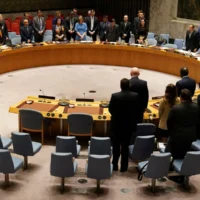
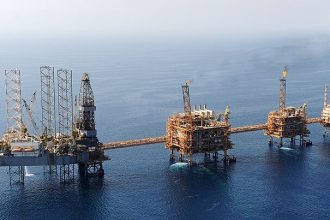
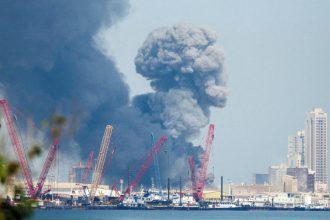
Washington,Janaury 2026 – According to Brussels Morning Newspaper that in 2026, Washington has once again become the epicenter of geopolitical anxiety as the Trump Iran strike threat resurfaces amid renewed tensions between the United States and Iran. Statements from former US President Donald Trump, combined with military repositioning and heightened diplomatic rhetoric, have revived fears that confrontation may no longer remain hypothetical. The evolving situation is being closely watched by allies, adversaries, and global markets alike.
The renewed uncertainty comes at a moment of fragile international stability, where conflicts in multiple regions have already strained diplomatic bandwidth and economic confidence.
Political Climate in Washington
The political atmosphere in Washington has grown increasingly charged as Trump’s rhetoric toward Iran intensifies. While not holding office, Trump’s influence over Republican lawmakers and conservative voters continues to shape the national conversation on foreign policy.
Supporters argue that forceful language strengthens deterrence, while critics warn that repeated references to military action increase the risk of miscalculation. The Trump Iran strike threat has become a central talking point on Capitol Hill, particularly among lawmakers advocating a tougher stance on Tehran.
Military Signals and Strategic Messaging
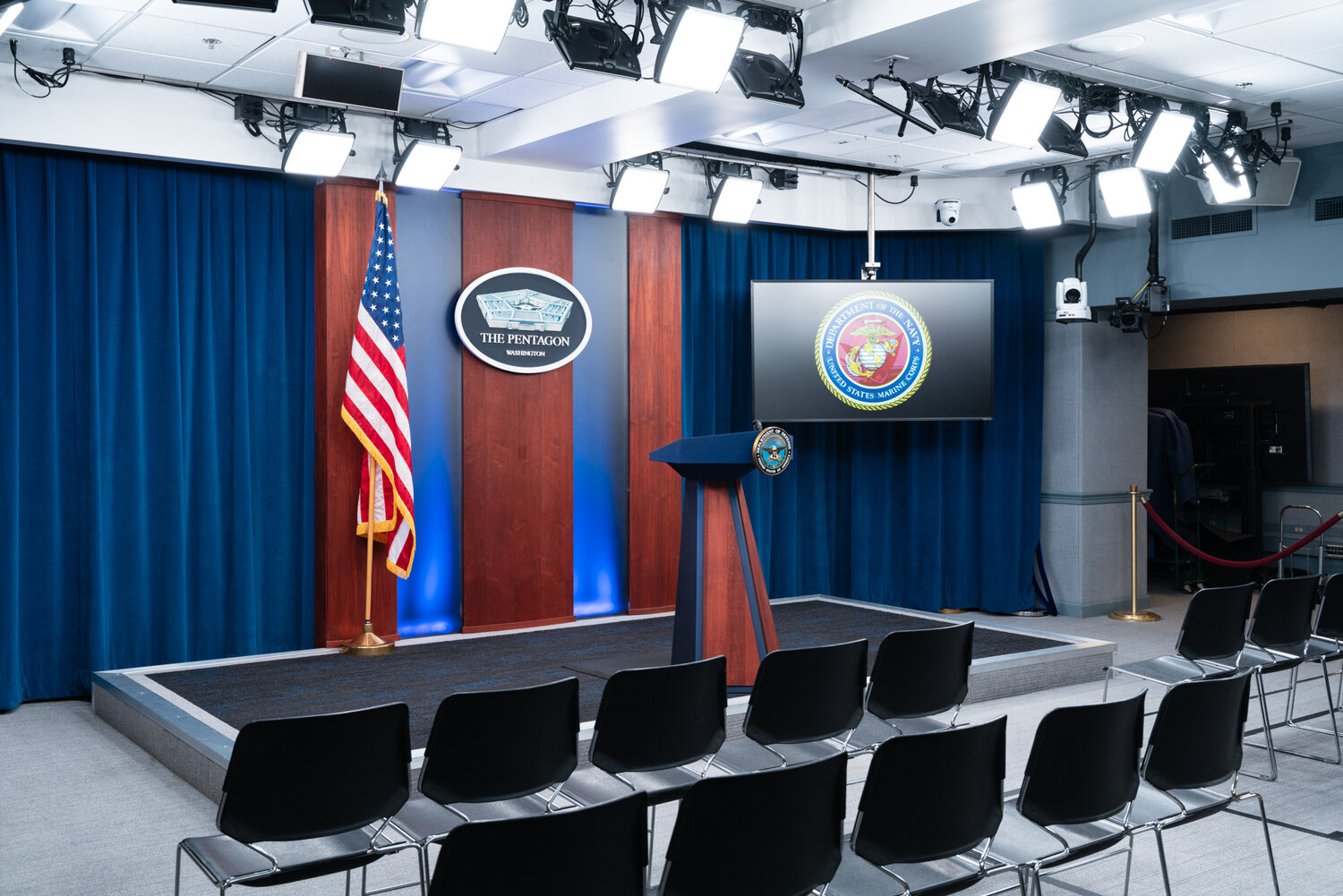
Recent movements of US military assets in the Middle East have amplified speculation. Defense officials maintain that troop adjustments and naval deployments are precautionary, yet analysts note that symbolism matters.
Strategic messaging plays a crucial role in modern deterrence. By keeping military options visible, Washington seeks leverage. However, observers caution that the Trump Iran strike threat could unintentionally escalate tensions if interpreted as imminent rather than conditional.
Iran’s Official Response
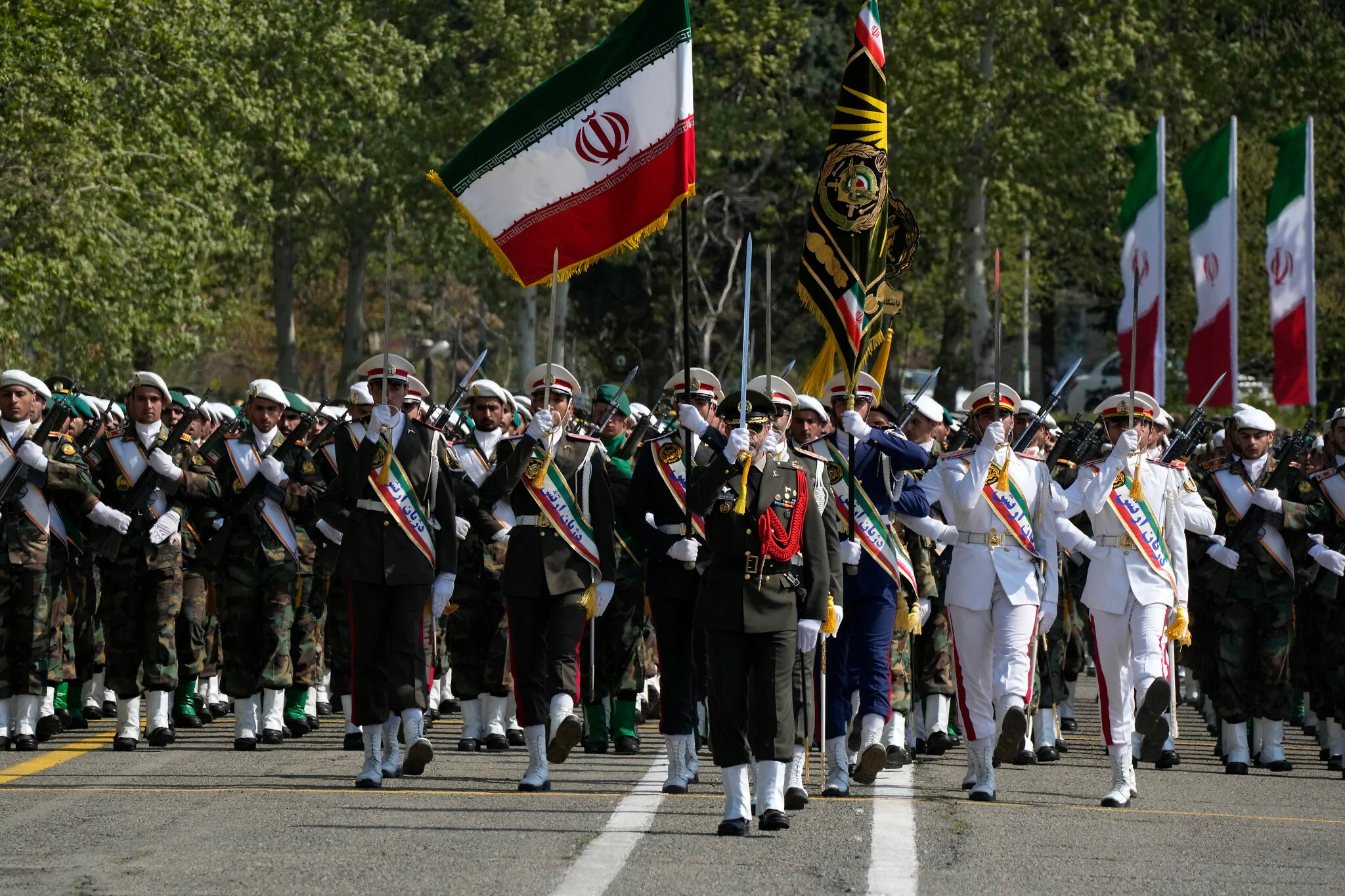
Iranian officials have dismissed the rhetoric as psychological warfare while warning of severe consequences if attacked. Tehran insists that any strike would be met with retaliation across multiple fronts.
State media has portrayed the Trump Iran strike threat as evidence of US hostility, reinforcing domestic narratives of resistance. Iranian leaders have repeatedly emphasized their readiness to defend national sovereignty, framing the issue as one of survival rather than diplomacy.
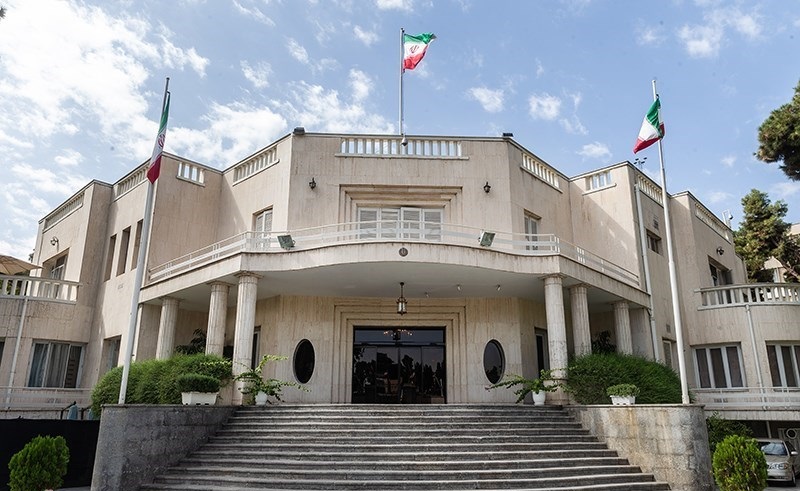
Regional Reactions Across the Middle East
Across the Middle East, governments are reacting with caution. Gulf states have urged restraint, aware that conflict would disrupt trade routes, energy exports, and internal security.
Israel has remained publicly reserved while closely monitoring developments. Turkey and Egypt have both emphasized the importance of diplomatic solutions. The persistence of the Trump Iran strike threat has raised alarms about regional spillover effects that could destabilize already fragile states.
Impact on Global Energy Markets
Energy markets are particularly sensitive to any escalation involving Iran. Even speculation has historically driven oil price volatility.
Traders note that sustained attention to the Trump Iran strike threat introduces uncertainty into supply forecasts. Insurance premiums for shipping through key waterways could rise, affecting global energy costs and inflation levels worldwide.
Diplomatic Channels and Quiet Negotiations
Despite public tension, diplomatic channels remain active. European intermediaries and regional powers continue behind-the-scenes efforts to reduce escalation risks.
Diplomats stress that rhetoric does not always translate into action. However, repeated references to the Trump Iran strike threat complicate negotiations by hardening positions and limiting political flexibility on both sides.
Domestic Debate Inside the United States
Within the US, public opinion remains divided. Polls suggest war fatigue persists after decades of overseas engagements. Civil society groups warn against repeating past mistakes, while national security hawks argue deterrence requires credibility.
The Trump Iran strike threat has reignited debates over presidential war powers, congressional oversight, and the long-term consequences of military intervention.
Economic and Financial Implications
Financial markets tend to react swiftly to geopolitical uncertainty. Even without direct conflict, prolonged tension can dampen investor confidence.
Analysts warn that persistent focus on the Trump Iran strike threat could weaken emerging markets, disrupt currency stability, and affect global trade flows. Economic uncertainty often becomes a secondary casualty of geopolitical brinkmanship.
Information Warfare and Media Narratives
Media framing plays a powerful role in shaping perceptions. Sensational headlines can amplify fear, while measured reporting can provide context.
Experts caution that exaggerating the Trump Iran strike threat risks creating self-fulfilling prophecies. Balanced coverage is essential to avoid unnecessary panic and misinformation in an already polarized information environment.
Historical Context of US–Iran Confrontations
Past confrontations between Washington and Tehran reveal a pattern of escalation followed by restraint. Both sides have historically stopped short of full-scale war, aware of the immense costs.
Still, history also shows that misjudgment can override caution. The Trump Iran strike threat is often compared to earlier moments when rhetoric outpaced reality, yet carried real risk.
International Law and Strategic Constraints
International law places clear limits on the use of force, though interpretations vary. Allies would likely seek legal justification before supporting any action.
Legal scholars argue that repeated articulation of the Trump Iran strike threat without clear evidence could undermine international norms and weaken US moral authority on the global stage.
Cyber and Asymmetric Risks
Modern conflict extends beyond conventional battlefields. Cyber operations, proxy engagements, and economic disruption are increasingly central.
Analysts warn that even without airstrikes, escalation linked to the Trump Iran strike threat could manifest through cyber attacks, shipping disruptions, or proxy confrontations in neighboring states.
The Role of Allies and NATO
US allies remain cautious. NATO members have emphasized collective defense while avoiding endorsement of unilateral action.
European leaders privately express concern that the Trump Iran strike threat could force difficult alliance decisions, particularly if escalation occurs without multilateral consultation.
Public Messaging and Political Strategy
Trump’s communication style relies heavily on unpredictability. Supporters see this as strategic ambiguity; critics view it as destabilizing.
Political analysts suggest the Trump Iran strike threat also plays into domestic electoral narratives, projecting strength to certain voter segments while energizing opposition among others.
Risks of Miscalculation
Perhaps the greatest danger lies in misinterpretation. Signals intended as deterrence may be read as preparation for attack.
Security experts consistently warn that prolonged focus on the Trump Iran strike threat increases the likelihood of accidents, misread intelligence, or unauthorized escalation.
One Expert View
A former US defense official stated,
“Escalation often begins not with intention, but with misunderstanding.”
Long-Term Strategic Outlook
Looking ahead, the trajectory of US–Iran relations remains uncertain. Much depends on political leadership, regional dynamics, and international mediation.
The Trump Iran strike threat continues to hover over diplomatic efforts, shaping decisions even in its absence. Whether it ultimately leads to confrontation or fades into rhetorical history will define a critical chapter in global security.
A Defining Moment for Global Stability
The current standoff represents more than bilateral tension. It reflects broader questions about deterrence, diplomacy, and the limits of power in a multipolar world.
As Brussels Morning Newspaper continues its coverage, the coming months will determine whether caution prevails or whether rhetoric translates into irreversible action.