
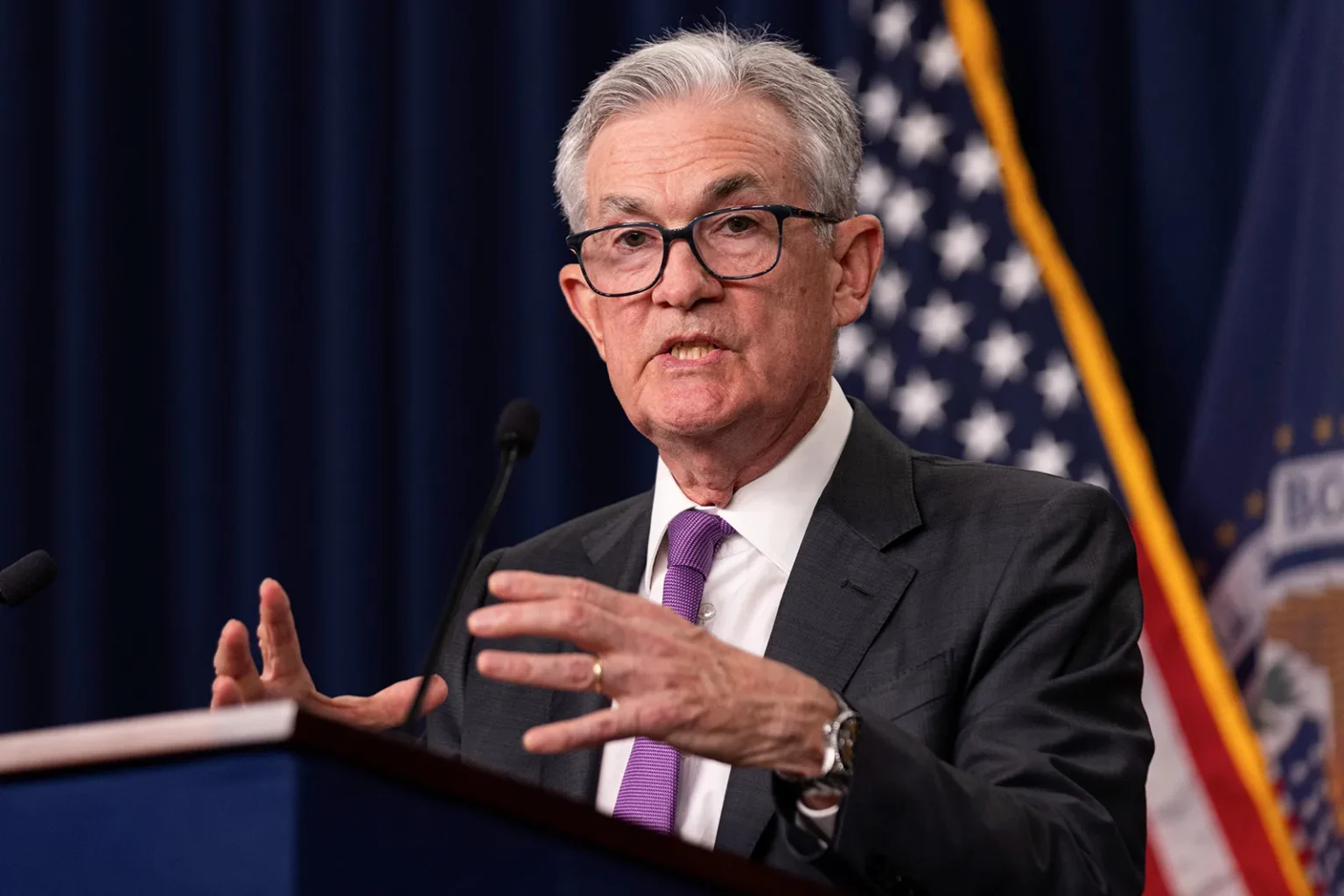
Washington, United States — January, 2026: According to Brussels Morning Newspaper that intensifying political confrontation in Congress has pushed the US Senate economy into the national spotlight, following a Republican-backed effort to block Federal Reserve nominees associated with former President Donald Trump. The move comes amid controversy surrounding rhetoric that included a potential indictment threat against Federal Reserve Chair Jerome Powell, raising bipartisan concern over economic stability, institutional norms, and global confidence in American governance.
Rising Political Pressure on Economic Institutions
Washington has entered a period of heightened tension where political disagreements are increasingly intersecting with economic oversight. The Senate’s constitutional authority to confirm Federal Reserve nominees has become a powerful pressure point, transforming what is usually a procedural process into a defining political battle.
At the center of this struggle is the US Senate economy, now shaped not only by fiscal debates and inflation concerns but also by the broader question of how far partisan conflict should reach into independent institutions. Lawmakers from both parties acknowledge that the stakes extend well beyond individual appointments.
Background to the Federal Reserve Nominee Clash
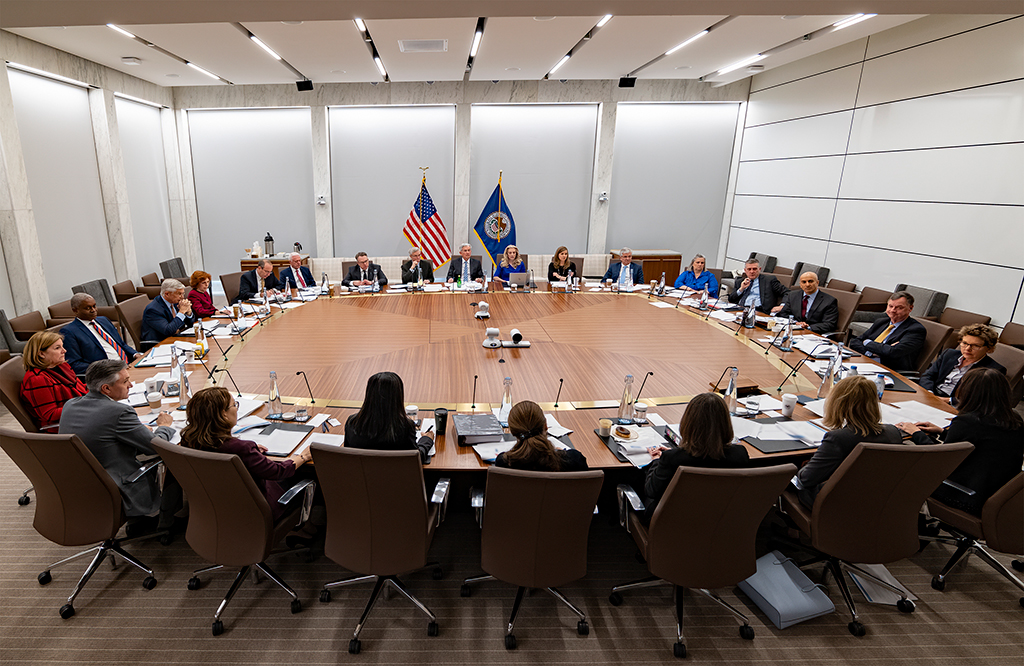
The Federal Reserve has traditionally operated at arm’s length from elected officials, a structure designed to protect monetary policy from short-term political influence. Recent statements perceived as threatening legal action against the sitting Fed chair disrupted this balance and triggered alarm within Congress.
As a result, the US Senate economy has become closely linked to the defense of central bank independence. Senate resistance to certain nominees is being framed by supporters as a protective measure rather than a partisan maneuver, reflecting unease about precedent and long-term economic credibility.
Republican Divisions Come Into Focus
The decision by a Republican senator to support blocking Trump-era nominees has exposed internal fractures within the party. While some Republicans argue that loyalty to past administrations should guide confirmation votes, others insist that safeguarding institutions must come first.
These divisions are reshaping the US Senate economy debate, as moderates and institutional conservatives distance themselves from confrontational tactics. The episode underscores how economic governance can reveal deeper ideological fault lines within political parties.
Democratic Lawmakers and Bipartisan Signals
Democrats have approached the situation with caution, emphasizing stability over political advantage. Although opposition to Trump-linked nominees is not new among Democrats, the bipartisan nature of current concerns adds weight to the debate.
For many observers, bipartisan unease reinforces the idea that the US Senate economy remains a shared responsibility, transcending electoral rivalries when core financial institutions are involved.
Market Sensitivity and Investor Confidence
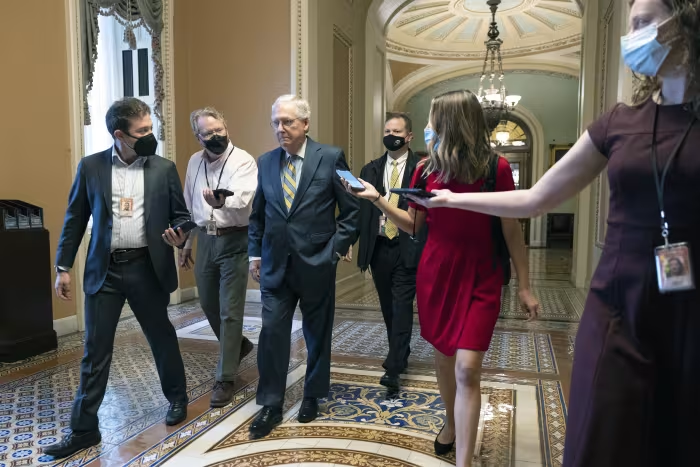
Financial markets have responded with measured caution rather than panic. Equity markets have remained relatively steady, but bond yields and currency markets have shown increased sensitivity to political headlines.
Investors view the US Senate economy as a barometer of policy predictability. Even the perception of political intrusion into monetary affairs can influence risk assessments, especially at a time when global growth remains uneven and inflation pressures persist.
The Role of Senate Authority in Economic Governance
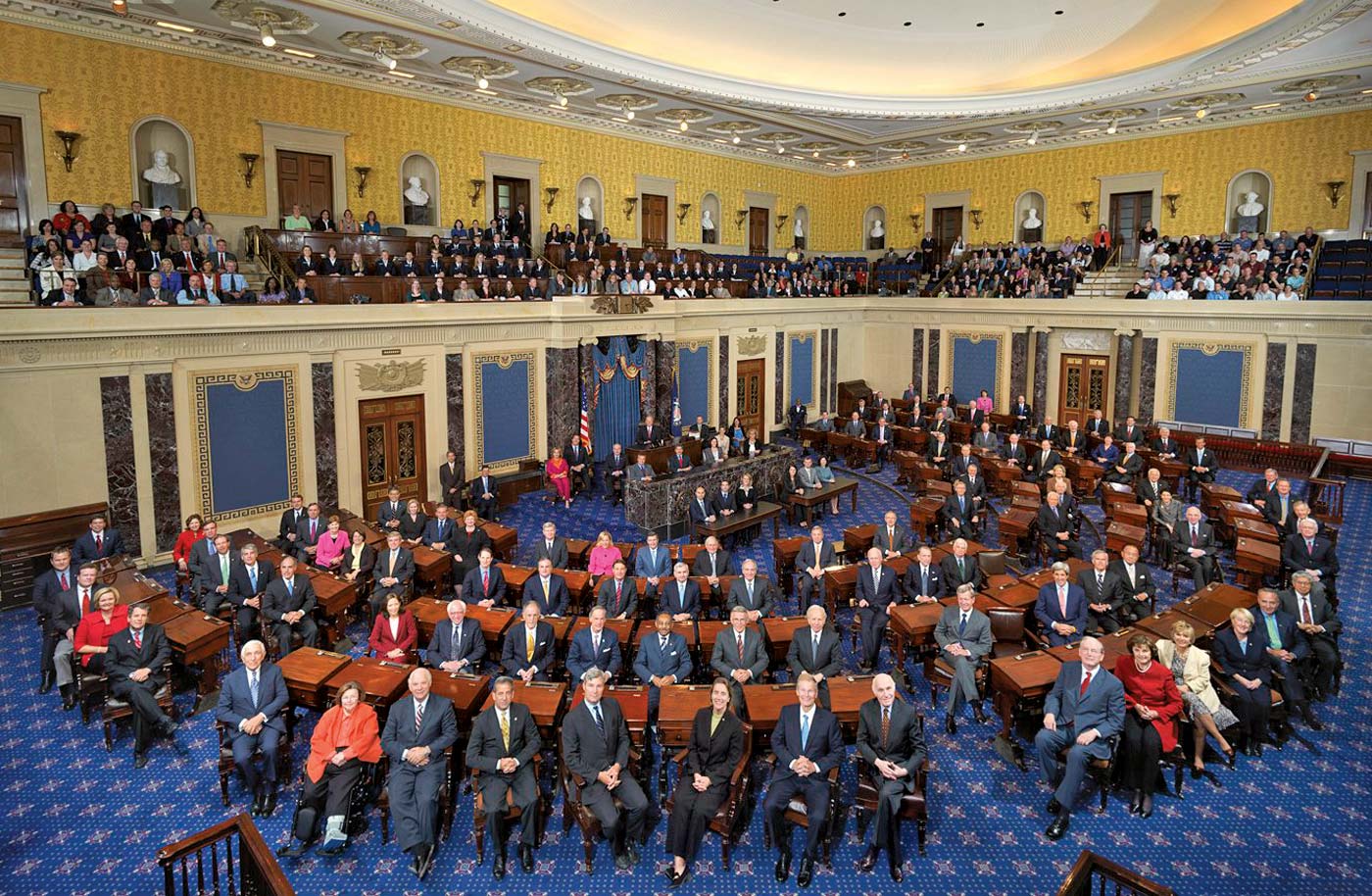
The Senate’s power to confirm or delay appointments is a cornerstone of American checks and balances. In this case, that authority is being exercised amid exceptional scrutiny.
By asserting its role, lawmakers are reshaping expectations around the US Senate economy, signaling that institutional behavior and public rhetoric may carry long-term consequences for nominees. Supporters argue this strengthens oversight, while critics warn it could politicize future confirmations.
Federal Reserve Independence at the Center
Economists widely agree that the Federal Reserve’s independence is vital for maintaining price stability and managing economic shocks. Any real or perceived challenge to that independence can quickly reverberate across financial markets.
One senior economist noted,
“When political pressure enters monetary decision-making, the cost is eventually paid by households through higher inflation and uncertainty.”
This single remark captures why the US Senate economy debate resonates far beyond Capitol Hill.
Implications for Inflation and Interest Rates
Although no immediate policy changes have occurred, prolonged leadership uncertainty at the Federal Reserve could complicate responses to inflation or economic slowdowns. Markets rely on clear communication and continuity from central bank officials.
In this environment, the US Senate economy is increasingly judged by its ability to preserve stability during political turbulence. Delayed confirmations risk leaving critical positions unfilled at moments when decisive action may be required.
Public Opinion and Domestic Political Impact
Public reaction has been mixed, reflecting broader fatigue with political conflict. Some voters applaud senators who prioritize institutional norms, while others view the standoff as another example of Washington gridlock.
Polling data suggests economic stability remains a top concern for Americans, placing additional pressure on lawmakers shaping the US Senate economy narrative. Actions perceived as protecting long-term prosperity may carry electoral consequences.
International Perspective on US Economic Leadership
The United States plays a central role in global finance, making domestic political disputes internationally significant. Foreign governments and central banks closely monitor developments affecting American monetary policy.
For international observers, the US Senate economy serves as a signal of whether the US remains committed to predictable, rules-based economic governance. Any erosion of that perception could influence global investment flows and currency markets.
Historical Context of Senate–Fed Relations
Clashes between Congress and the Federal Reserve are not unprecedented, but they have rarely reached this level of intensity. Past disputes were often resolved quietly, preserving institutional decorum.
The current moment stands out because the US Senate economy is being debated openly, with public rhetoric amplifying tensions. Historians note that such periods often shape long-term norms around governance and accountability.
Potential Outcomes and Legislative Scenarios
Several paths forward remain possible. Senate leadership could negotiate compromises on nominees, delay votes indefinitely, or allow confirmations to proceed under stricter scrutiny.
Each option carries implications for the US Senate economy, influencing how future administrations approach nominations and how markets interpret political risk within the US system.
A Test of Institutional Resilience
Ultimately, this episode represents a stress test for American institutions. The balance between democratic oversight and technocratic independence is being examined under intense public scrutiny.
How lawmakers navigate this challenge will shape perceptions of the US Senate economy for years to come, both domestically and internationally.
Economic Governance at a Crossroads
As Washington confronts this defining moment, the consequences extend far beyond individual nominees. The Senate’s actions will influence confidence in economic leadership, the credibility of institutions, and the stability of markets.
The unfolding debate over the US Senate economy underscores a central question of modern governance: how to manage political disagreement without compromising the foundations of economic trust.