Belgium, January 2026 — According to Brussels Morning Newspaper, large-scale demonstrations across continents have become one of the most defining political and social phenomena of the past decade. From crowded city squares in Europe to mass marches in Asia, Africa, and the Americas, global protests have increasingly shaped how citizens express frustration, demand reform, and influence public debate. These movements, often unfolding simultaneously in different regions, reflect a shared sense of discontent rooted in economic pressure, political mistrust, and social inequality.
In recent years, protests have evolved from isolated national events into interconnected expressions of public anger and hope. While each movement emerges from local circumstances, the persistence and scale of global protests suggest that citizens worldwide are grappling with similar challenges, including rising living costs, perceived democratic deficits, and uncertainty about the future.
The Rise of Mass Mobilisation Across Continents
Public demonstrations have long been part of political life, but the scope of recent mobilisation stands apart. In multiple countries, millions have taken to the streets, often over extended periods, sustaining pressure on governments and institutions.
What distinguishes contemporary global protests is their frequency and geographic spread. Events in one country are rapidly echoed elsewhere, as images and messages circulate through digital platforms. This interconnectedness has created a sense of shared struggle, even when demands differ from place to place.
Economic Insecurity as a Central Catalyst
Economic strain remains one of the most powerful drivers behind mass mobilisation. Inflation, stagnant wages, unemployment, and reduced public services have placed increasing pressure on households across diverse economies.
In many cases, sudden policy decisions such as fuel price increases or tax reforms have acted as immediate triggers. These moments often ignite global protests that quickly expand beyond economic grievances to encompass broader critiques of governance, inequality, and social justice.
Political Trust and the Demand for Accountability
Beyond economic concerns, a crisis of political trust has fuelled widespread demonstrations. Protesters frequently cite corruption, lack of transparency, and perceived distance between political elites and ordinary citizens.
In several countries, global protests have targeted long-standing political systems, challenging the legitimacy of institutions and leaders. Even where regimes remain in place, the visibility of dissent has altered political conversations and forced issues into the public spotlight.
Social Justice Movements Gain Momentum
Calls for social justice have been central to many protest movements. Demonstrations addressing racial inequality, gender rights, and minority protections have mobilised diverse groups and drawn international attention.
These movements illustrate how global protests can amplify voices that feel marginalised within formal political processes. By occupying public spaces and commanding media attention, protesters have reshaped debates around equality and human rights.
Youth-Led Activism and Generational Change
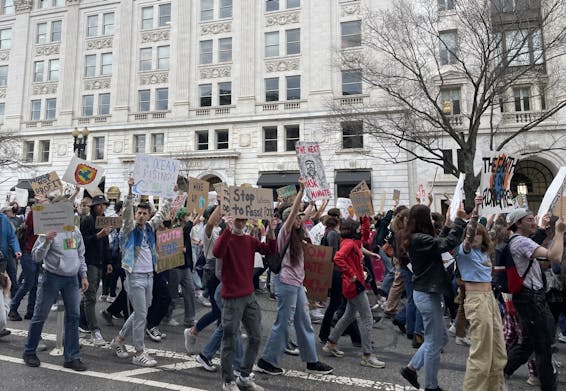
Young people have emerged as a driving force behind many recent demonstrations. Facing uncertain futures marked by climate anxiety, job insecurity, and rising education costs, youth activists have played prominent roles as organisers and participants.
Observers note that global protests increasingly reflect generational divides, with younger citizens demanding faster change and greater inclusion. Their digital fluency has enabled rapid coordination and sustained momentum.
Climate and Environmental Protests
Environmental activism has produced some of the largest coordinated protests in recent history. Demonstrations calling for urgent action on climate change have mobilised millions across continents.
These actions underscore how global protests can centre long-term, transnational challenges. Climate movements, in particular, have highlighted the tension between short-term political cycles and long-term environmental risks.
Technology Transforms Protest Organisation
Digital tools have fundamentally changed how protests are organised and sustained. Social media platforms allow rapid mobilisation, while livestreaming and instant messaging provide real-time updates from the ground.
At the same time, governments have adapted their strategies, monitoring online spaces and, in some cases, restricting digital access during unrest. The relationship between technology and global protests continues to evolve, shaping both activism and state response.
Government Responses and Security Approaches
Authorities have responded to demonstrations in markedly different ways. Some governments have sought dialogue and compromise, while others have prioritised control through security measures.
The handling of global protests often shapes international perception. Peaceful engagement can enhance legitimacy, whereas heavy-handed responses risk escalating tensions and attracting external criticism.
Economic Disruption and Social Cost
Sustained protests can disrupt transportation, commerce, and tourism, creating short-term economic challenges. Businesses may close temporarily, and supply chains can be affected.
Protest organisers often argue that such disruption is necessary to draw attention to deeper structural problems. In this sense, global protests function as both a social signal and a form of economic pressure.
International Media and Cross-Border Solidarity
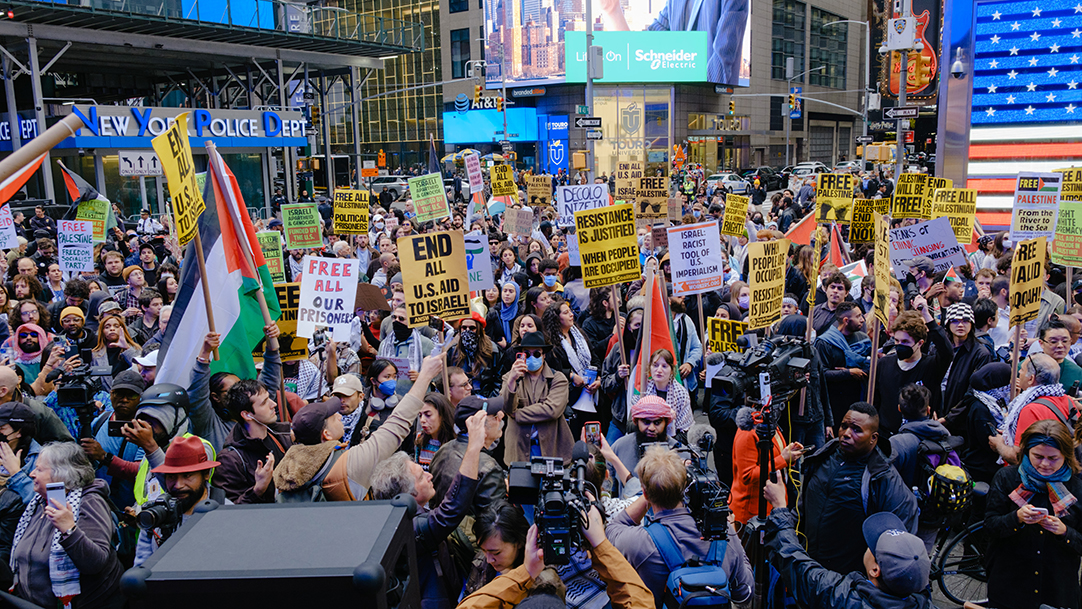
Global media coverage has amplified the impact of demonstrations. Images of vast crowds and shared slogans have inspired solidarity actions far from the original sites of protest.
This dynamic reinforces the idea that global protests are part of a broader pattern of civic engagement. Movements increasingly learn from one another, adapting tactics and messaging across borders.
One Analytical Perspective
One political sociologist observed,
“What we are seeing is the normalisation of mass protest as a primary tool of political participation in the twenty-first century.”
The comment reflects a growing view that demonstrations are no longer exceptional events but a regular feature of modern governance.
Long-Term Effects on Political Culture
Even when immediate demands are not met, protest movements often leave lasting legacies. They can energise civil society, inspire new political actors, and shift public discourse.
The persistence of global protests suggests that collective action has become an enduring mechanism for expressing dissent, particularly in societies where institutional channels are perceived as insufficient.
Authoritarian and Democratic Contexts Compared
Protests unfold differently depending on political systems. In democratic contexts, demonstrations may lead to policy debates or electoral consequences. In more restrictive environments, protests often carry higher risks for participants.
Despite these differences, global protests reveal common aspirations for dignity, representation, and fairness. The willingness of people to mobilise despite risks underscores the depth of public frustration.
Urban Spaces as Stages of Dissent
Cities have become the primary arenas for large-scale demonstrations. Public squares, government districts, and transport hubs serve as visible stages for dissent.
Urban density and symbolic architecture amplify the impact of global protests, transforming everyday spaces into sites of political meaning.

The Role of Civil Society Organisations
Non-governmental organisations, labour unions, and advocacy groups often play key roles in organising and sustaining demonstrations. Their networks provide structure, resources, and legitimacy.
In many cases, global protests gain durability through these organisational backbones, allowing movements to persist beyond spontaneous mobilisations.
Challenges of Sustaining Momentum
Maintaining momentum over time remains a central challenge. Prolonged protests can lead to fatigue among participants and supporters.
Successful global protests often adapt by rotating tactics, redefining goals, or building alliances with political actors. Flexibility has become essential to longevity.
Negotiation, Reform, and Partial Outcomes
Not all protests result in sweeping change. Some lead to limited reforms, leadership reshuffles, or policy adjustments. Others achieve primarily symbolic victories.
Nevertheless, global protests frequently succeed in altering the political agenda, forcing issues into public debate and reshaping narratives even when immediate outcomes fall short.
Security, Surveillance, and Civil Liberties
The expansion of surveillance technologies has raised concerns about civil liberties. Governments increasingly use digital tools to monitor protest activity.
This trend has sparked debate over the balance between security and rights. As global protests continue, questions about privacy and freedom of assembly remain central.
Economic Inequality and Social Fragmentation
Underlying many demonstrations is a perception of widening inequality. Disparities in wealth, opportunity, and access to services fuel resentment and mobilisation.
Addressing these structural issues remains a key challenge for policymakers seeking to reduce the frequency and intensity of global protests.
Education, Awareness, and Political Socialisation
Protests often serve as spaces of political education. Participants learn organisational skills, legal knowledge, and collective decision-making.
Through repeated engagement, global protests contribute to the political socialisation of new generations, shaping how citizens understand participation and power.
Cultural Expression and Protest Identity
Music, art, and symbolism play important roles in demonstrations. Banners, chants, and performances help define protest identity and communicate messages.
These cultural elements give global protests emotional resonance, strengthening solidarity among participants and attracting wider attention.
Regional Patterns and Local Specificity
While shared themes connect protests worldwide, regional patterns remain distinct. Economic grievances may dominate in some areas, while political freedoms or social issues drive mobilisation elsewhere.
Understanding global protests requires attention to both common drivers and local contexts, avoiding simplistic interpretations.
The Impact of Pandemic-Era Mobilisation
The experience of pandemic restrictions influenced protest dynamics. Lockdowns temporarily reduced street mobilisation but also intensified grievances related to inequality and governance.
As restrictions eased, global protests returned with renewed intensity, reflecting accumulated frustration and organisational learning.
Looking Ahead: The Future of Public Dissent
As societies confront ongoing economic uncertainty, technological change, and environmental challenges, mass mobilisation is likely to remain a feature of public life.
Observers suggest that global protests will continue to evolve, integrating digital and physical spaces while challenging institutions to adapt.
Why Collective Dissent Has Become a Global Constant
The past decade has demonstrated that mass mobilisation is no longer confined to specific regions or issues. Instead, global protests have emerged as a shared language of dissent, connecting diverse societies through common experiences of frustration and aspiration.
According to Brussels Morning Newspaper analysis, these movements reflect both the limits of existing political systems and the enduring capacity of citizens to organise collectively. Whether demanding economic justice, political reform, or social equality, protesters worldwide continue to reshape public life. As long as structural challenges persist, the streets are likely to remain powerful arenas for political expression.